

They Rode In on Scooters, Torched the Shops and Left: The Fire in Shuto Orizari Burned for Three Hours, Setting It Took Fifty Seconds
13.09.2026


13.09.2026

13.09.2026

13.09.2026

13.09.2026

13.09.2026
13.09.2026
13.09.2026

12.09.2026

11.09.2026
13.09.2026
13.09.2026

12.09.2026

13.09.2026
13.09.2026

13.09.2026
13.09.2026

12.09.2026

11.09.2026

13.09.2026

13.09.2026

13.09.2026
13.09.2026

13.09.2026

12.09.2026

09.03.2026

27.02.2026

19.02.2026

13.09.2026

12.09.2026

11.09.2026

23.04.2026

23.04.2026

12.04.2026

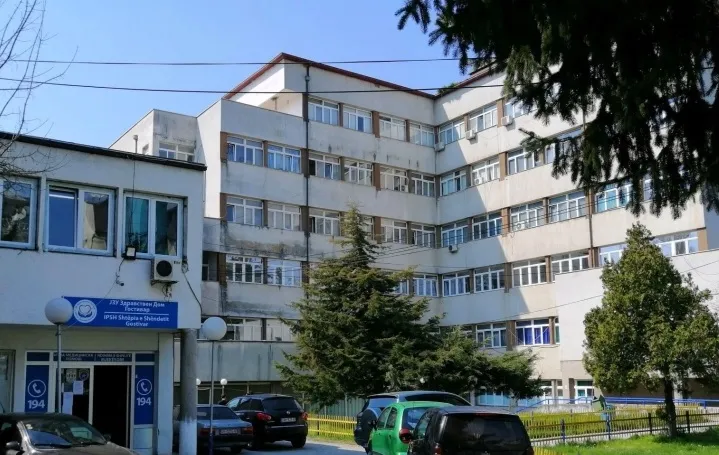
Two weeks after the first wave of patients with stomach complaints in Gostivar, the numbers still are not falling. On 26 July, the Dr Ferid Murat General Hospital and the local health centre carried out 127 first examinations for symptoms of gastroenterocolitis, and two patients were hospitalised.
That is two more than the previous day, when 125 first examinations were recorded. At the general hospital 91 patients were seen - 41 in the infectious diseases ward and 50 in paediatrics. Another 36 sought help at the health centre.
Fifty in paediatrics. That is the figure worth holding on to, because it is ten higher than the previous daily count. When the situation stabilises among adults but keeps rising among children, that usually does not mean things are calming down.
The numbers from two weeks
Between 14 and 26 July, the two Gostivar health facilities recorded a total of 4,197 first examinations - 2,351 at the general hospital and 1,846 at the health centre. The number of examinations is not the same as the number of formally reported cases: 833 infectious disease reports have been filed so far, 32 more than the previous day, and epidemiological services interviewed 563 patients, roughly 68 percent of those reported.
Sit with the gap between 4,197 examinations and 833 reports. That is a difference of nearly five times. Formally it is explainable - not every examination ends in a confirmed diagnosis of infectious disease. But when a single municipality performs over four thousand first examinations for the same cluster of symptoms in thirteen days, the statistic that ends up in the official registers is the one that says 833.
The interior minister said earlier that the water has been cleared of faecal matter and can be used for bathing and washing dishes, but is still not safe for drinking or cooking. The authorities say continuous monitoring will track quality until the water is confirmed safe.
So: the water supply of a town in Macedonia was contaminated with faecal matter, and two weeks later you still cannot drink from the tap. The daily statements bring fresh numbers on examinations, hospitalisations and interviews. What still has not been announced, with a name attached, is who allowed faecal matter into the town's water mains.
The number of examinations will start to fall - that is how outbreaks work. The question of accountability will not fall on its own. Someone has to keep carrying it until it gets an answer.
The latest 10 news from this category
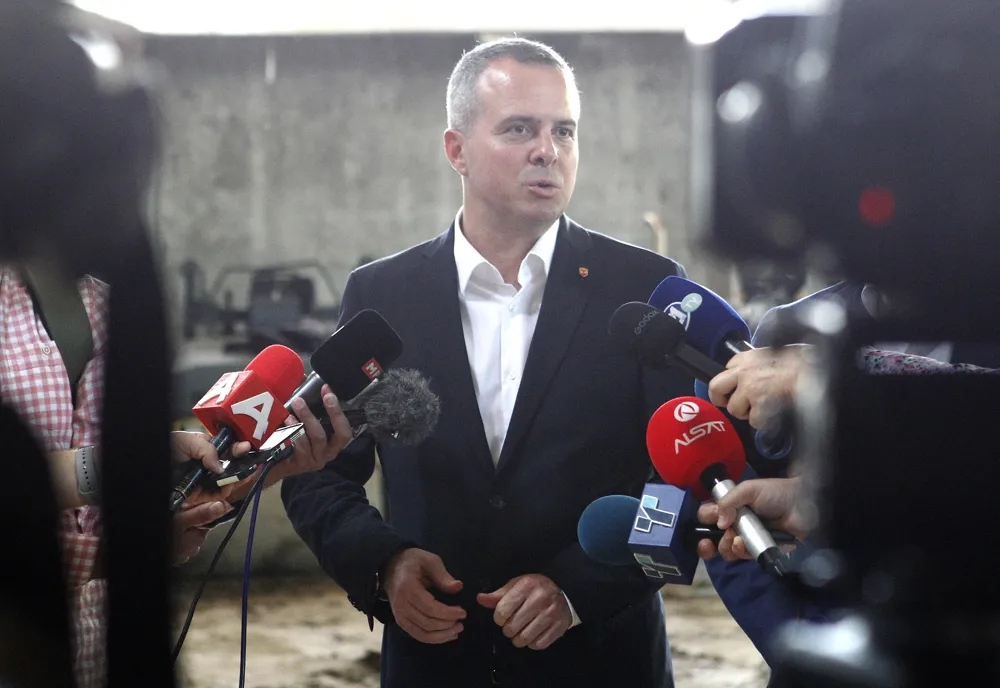
Ivanovska recalls why Vodno was forested in the first place. Gerasimovski says the court annulled the old plan and a...

Three Bulgarian ministries, MPs from different parties and flags inside the medical centre. MAEI asks why a check-up in a...
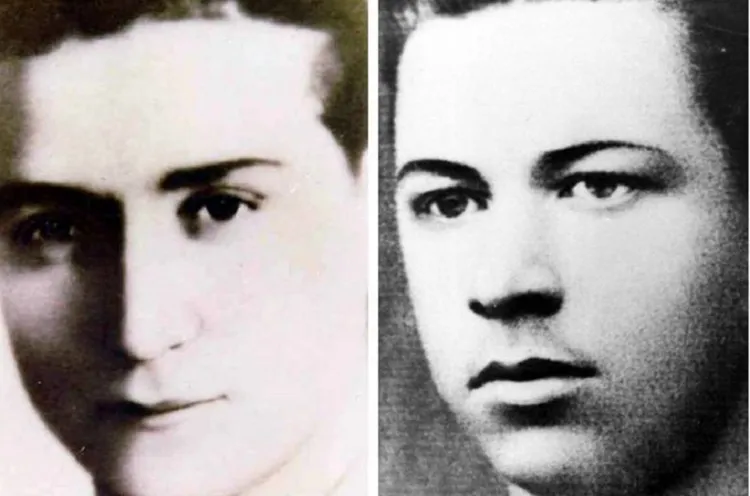
Flowers were laid in Bitola for Stefan Naumov and Dimitar Bogoevski. Behind the anniversary stand two biographies that ended at...
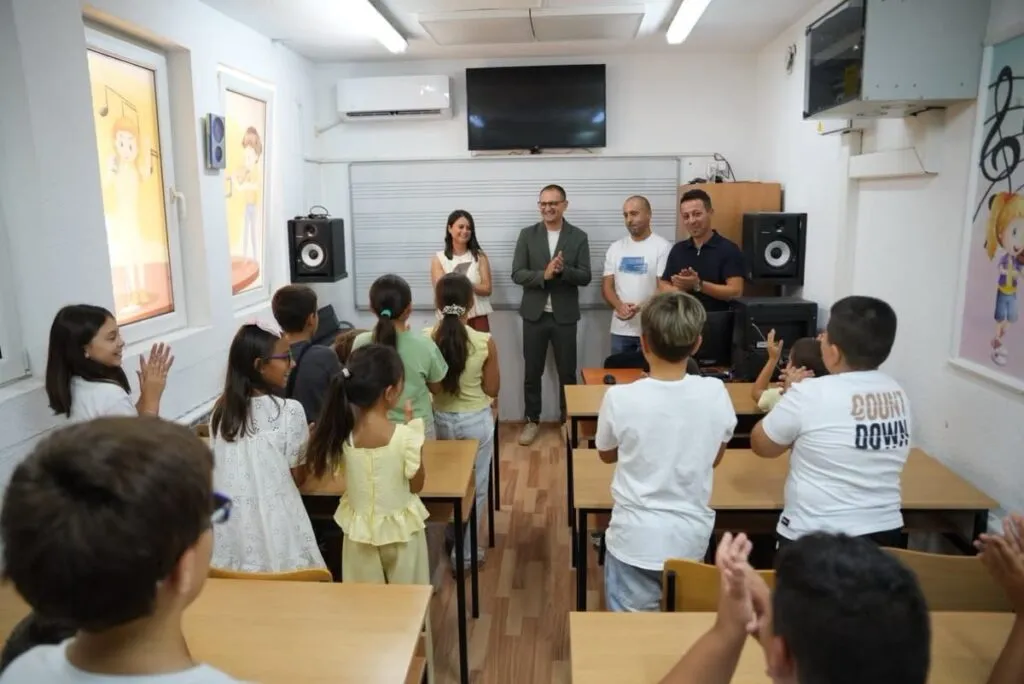
Eighty children do not simply appear out of nowhere. The question no ceremony answers is whether there are enough instruments...
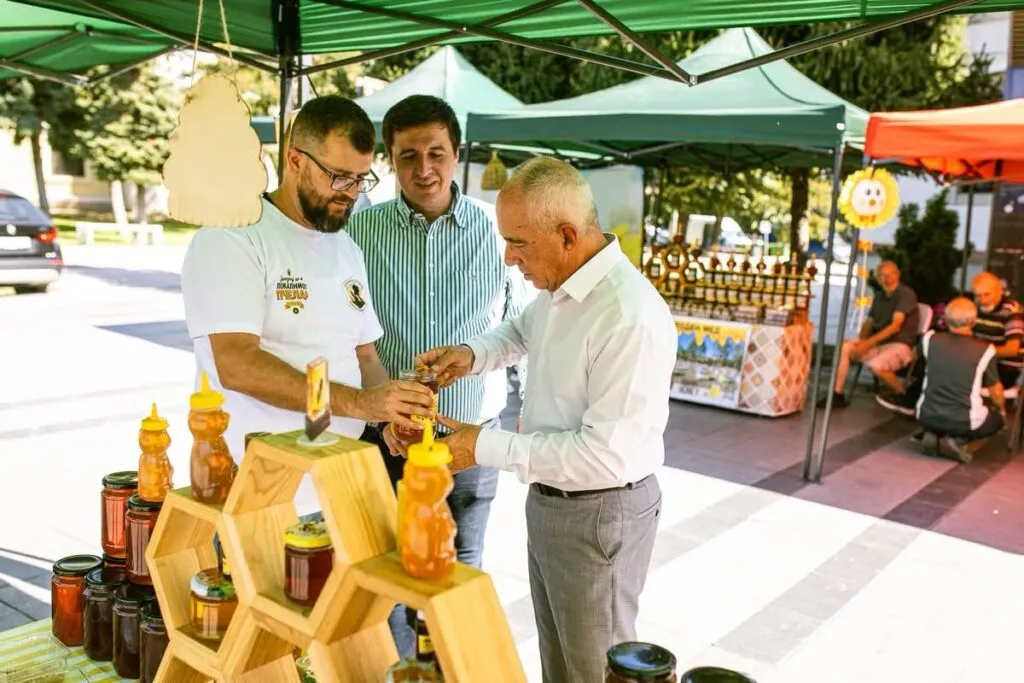
When you buy honey from the man who tells you which village it came from, you bypass the entire trade...
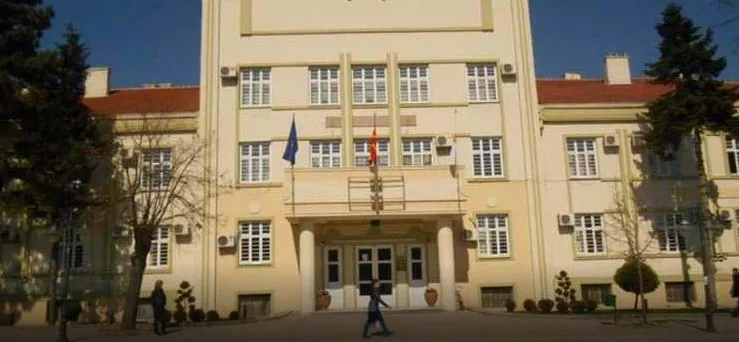
Any citizen can submit a nomination. That is exactly where these competitions either come alive or become an internal affair...
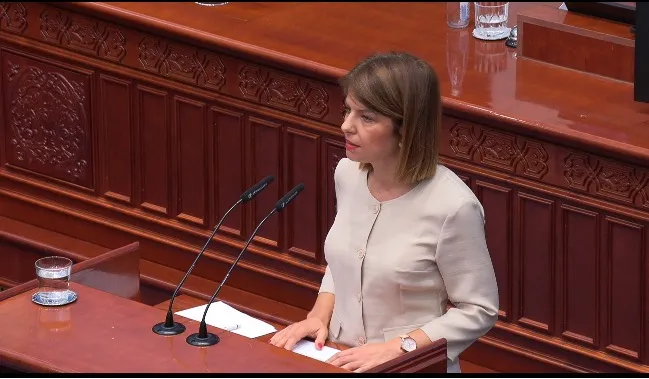
The minister answered that pupils are not a risk group because the youngest patient was 25. The MP had asked...
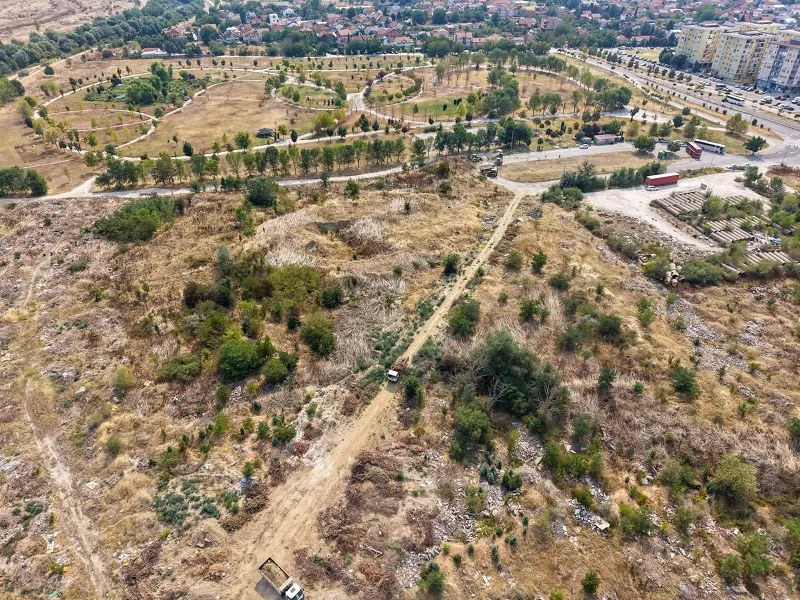
For five years after the promise, the dump stayed a dump. The two neighbouring parks tell the story that comes...
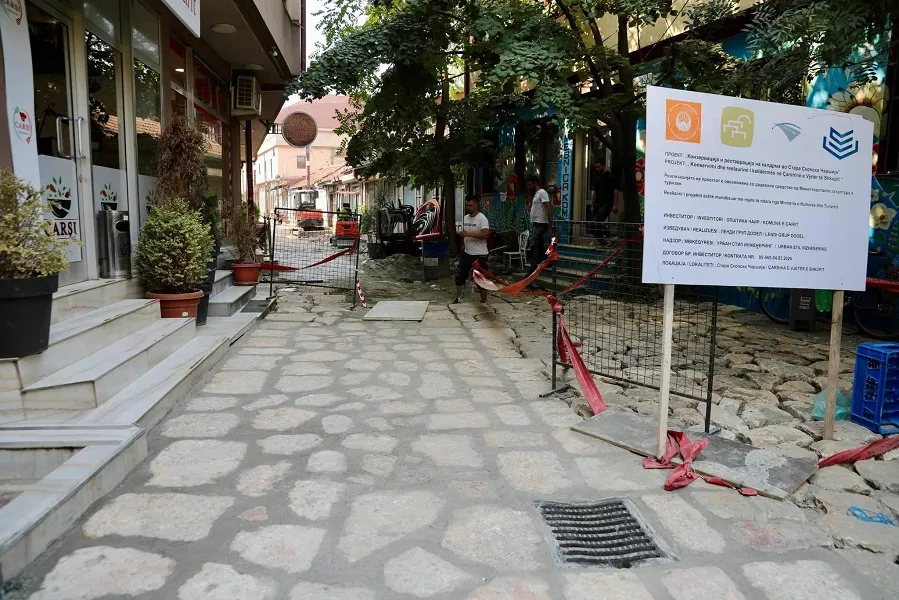
The most visited historic space in Skopje waited fifty years for someone to replace the pipe under the cobblestones. The...
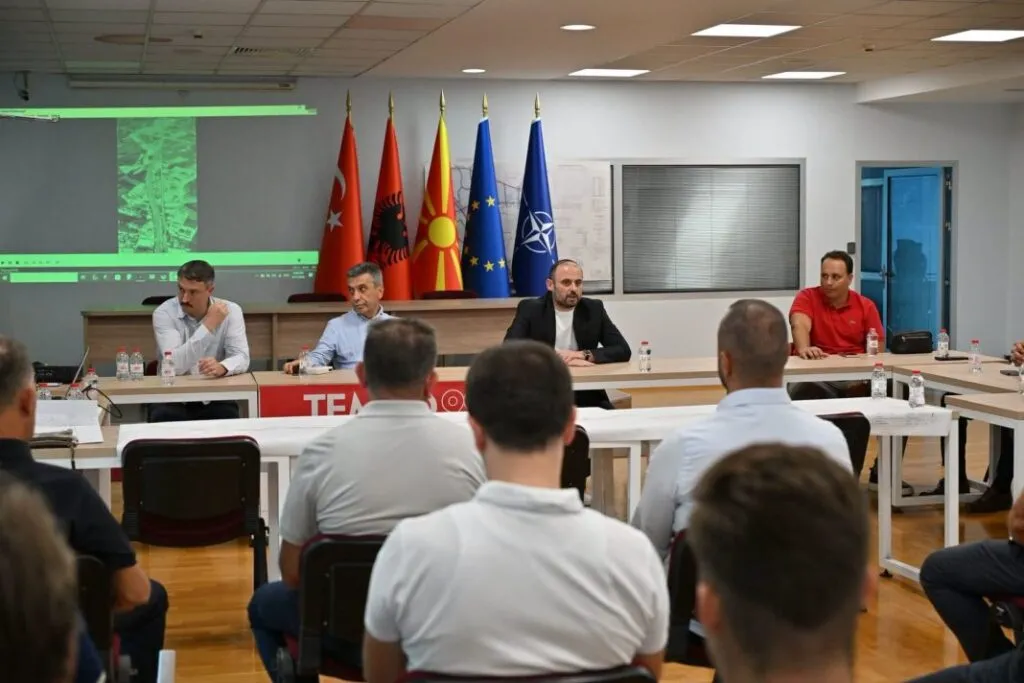
There is a route, there is a presentation and there is agreement that the road is needed. There is no...
This site uses cookies - is that okay? Learn more
Be the first to know when Metla launches something new
Leave your email and we will write when there is a new guide or something new on Metla.
