

Sixteen Arrests in Twenty-Four Hours, All for Drugs: The Police Are Working - But Where Are All These People Coming From?
20.09.2026


20.09.2026

20.09.2026
20.09.2026
20.09.2026
20.09.2026

20.09.2026

20.09.2026

20.09.2026

20.09.2026

20.09.2026

20.09.2026

19.09.2026

20.09.2026

20.09.2026

20.09.2026

20.09.2026

19.09.2026

18.09.2026

20.09.2026

20.09.2026

20.09.2026
20.09.2026

20.09.2026

20.09.2026

09.03.2026

27.02.2026

19.02.2026
20.09.2026

19.09.2026

18.09.2026

23.04.2026

23.04.2026

12.04.2026

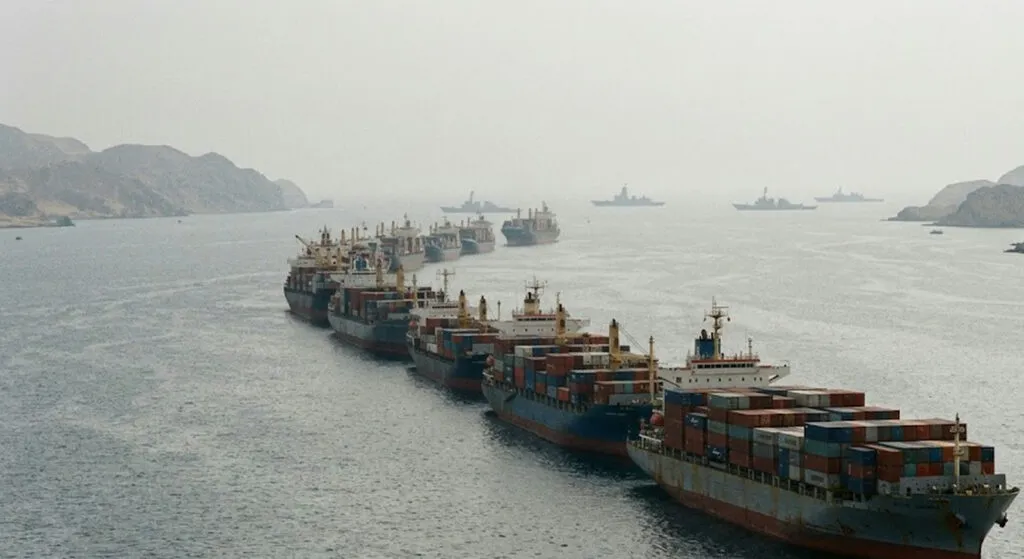
Day three, not a single ship passed. The US Navy has total control of the Strait of Hormuz, and Commander Brad Cooper claims the blockade was 'fully implemented' within 36 hours. Nine ships turned back on orders. Iranian ports are paralyzed.
Diplomacy through intermediaries
Pakistan has emerged as the key mediator. General Asim Munir traveled to Tehran, and Trump announced 'developments' within two days. Negotiations use a 'two-track strategy' involving Egypt, Pakistan, Saudi Arabia, and Turkey. Is this real diplomacy or buying time while the aircraft carriers arrive?
Military reinforcement
6,000 troops already on the ground with the USS George H.W. Bush. An additional 4,200 expected by late April. American planners are considering amphibious operations on Iranian territory. This no longer looks like a blockade - it looks like preparation.
The nuclear shadow
IAEA Director Rafael Grossi doesn't mince words: any peace agreement without 'very detailed' verification of Iranian nuclear activities is 'just an illusion.' Meanwhile, Iran is excavating entrances to underground missile bases during the ceasefire. Does anyone really believe this ends with a handshake?
China's move
Beijing rejected allegations of military support for Iran and warned of 'countermeasures' against additional US tariffs. Trump, meanwhile, claims China is 'very happy' because the blockade remains open to global commerce. Between the lines: this isn't just about Iran. This is about who controls the most important oil chokepoint on the planet.
Hezbollah signals a possible ceasefire in Lebanon. The US Treasury imposed new sanctions. And Hormuz remained closed to Iranian ships, open to everyone else - at least for now. In the Balkans, we know that 'for now' is the shortest phrase before 'not anymore.'
The latest 10 news from this category
Black smoke over the main airport, sirens in the middle of the night and a state that will not say...
Western agencies say no decision has been taken - only preparations that would let it all happen overnight. In the...
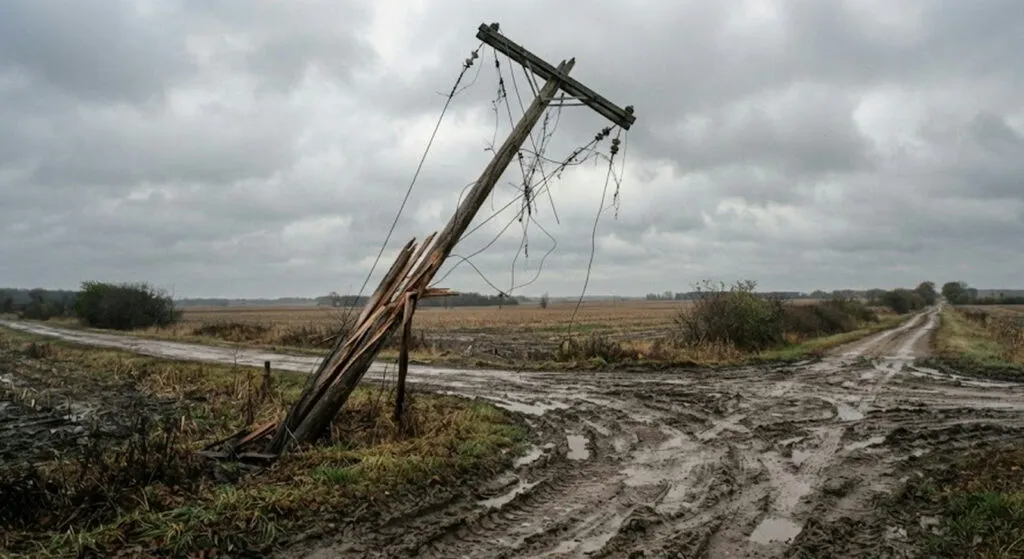
A Russian commander promised to cut the Kharkiv encirclement "like a pie". Every number comes from the camp running the...
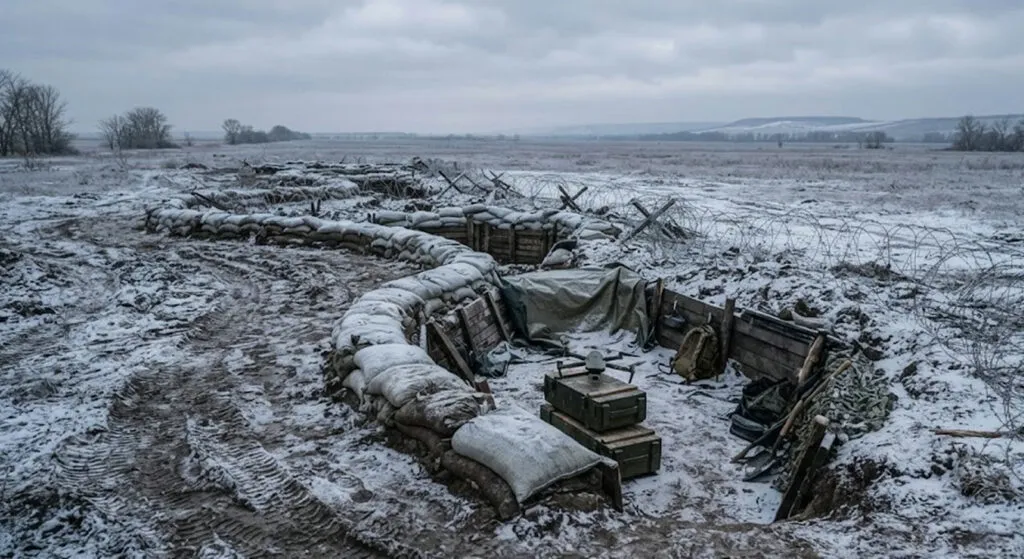
Around 8,500 North Korean soldiers are still in Russia, among them 1,000 engineers and 400 drone operators. Estimates point to...
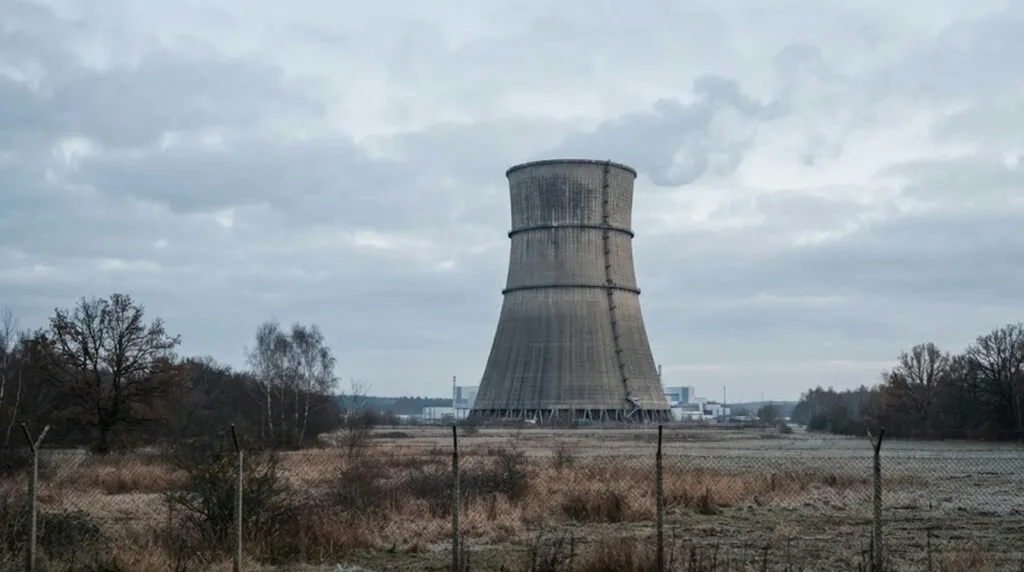
The unit was running, the operating regime did not change, there was no fire. The difference between a news item...
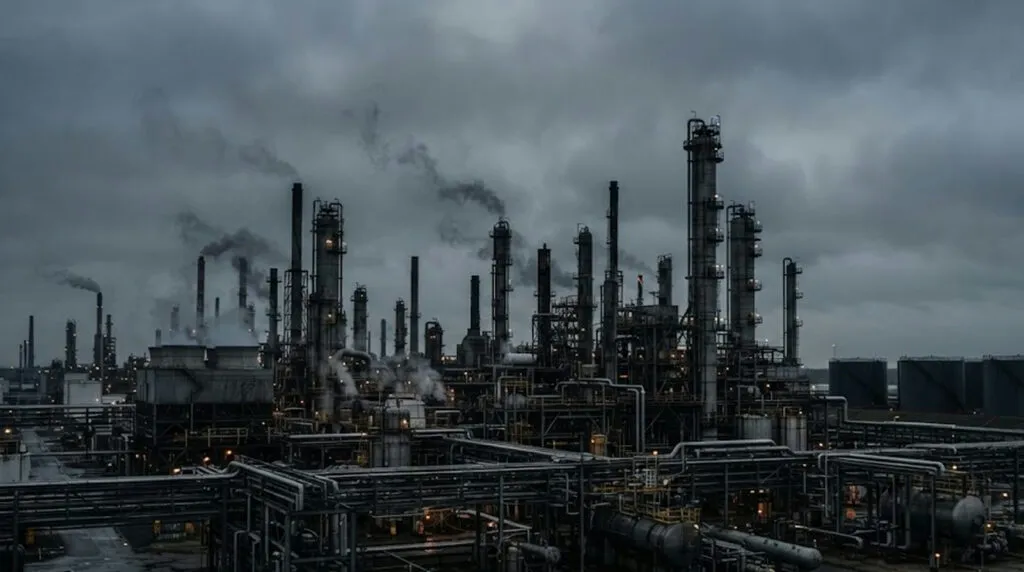
The bill passed with 262 votes, and the key to it has been handed to a man who has already...
Ukraine adapts in weeks, the Alliance in decades. Europe is paying for Patriot systems from 1991 and is only now...
Missiles and drones on the Ukrainian capital, damaged water mains and residential buildings. The same night, Ukrainian drones set the...
Trump hopes the war is ending and is preparing to gather the Gulf leaders. Oil prices have jumped, and the...
Ukraine says when, where and which unit did it. Russia's defence ministry has not a single sentence about the circumstances....
This site uses cookies - is that okay? Learn more
Be the first to know when Metla launches something new
Leave your email and we will write when there is a new guide or something new on Metla.
