15 Wildfires in One Day, 23 in 24 Hours: And Once Again It Is the Landfills That Are Burning
12.08.2026


12.08.2026
12.08.2026

12.08.2026
12.08.2026
11.08.2026
10.08.2026

12.08.2026

12.08.2026
11.08.2026

12.08.2026

12.08.2026

12.08.2026

12.08.2026

11.08.2026

10.08.2026

12.08.2026

12.08.2026

12.08.2026

12.08.2026

12.08.2026

12.08.2026

09.03.2026

27.02.2026

19.02.2026
12.08.2026
11.08.2026
10.08.2026

23.04.2026

23.04.2026

12.04.2026
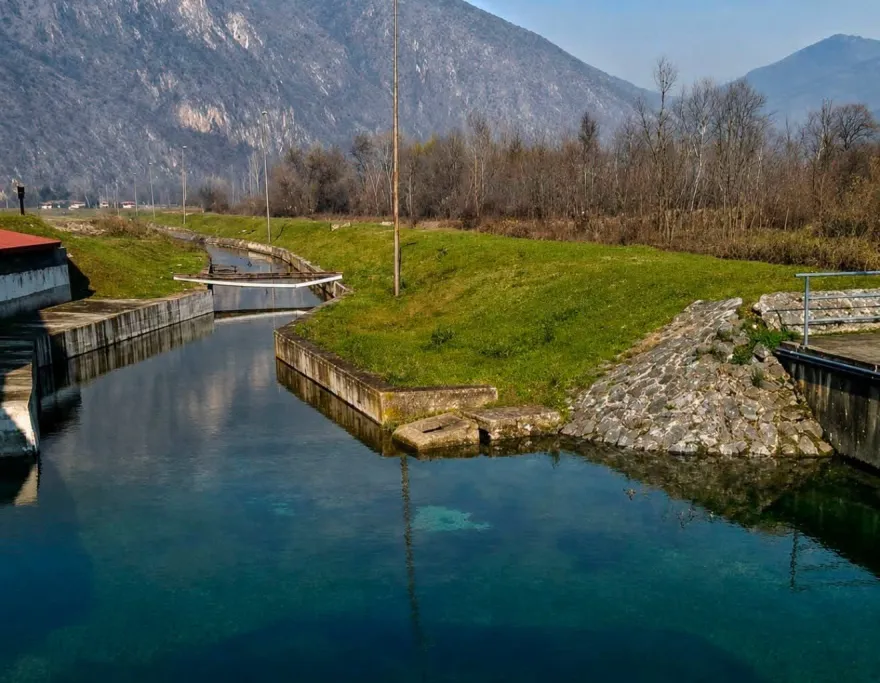
The Rasce spring supplies drinking water to Skopje and around 25 percent of the country's population. The opposition claims the area around that spring has been turned into an illegal dump. The City of Skopje replies that the dump is 30 kilometres away, that it is not on its territory, and that the water is safe.
SDSM general secretary Aleksandar Sasa Dimitrijevic called the situation alarming at a press conference and a direct risk to public health, particularly because agricultural produce is grown in the same area. "Who allowed an illegal dump like this to build up near the spring that supplies a quarter of the country's citizens?" he asked, recalling that for more than a month residents in Gostivar and in over 50 settlements have been dealing with contaminated drinking water.
The City's answer
Mayor Orce Gjorgjievski announced that the water in Skopje is microbiologically and chemically sound and safe to drink. The dump, he says, is not located on the territory of the City of Skopje and is around 30 kilometres from the springs, and according to available information it has existed for roughly thirty years.
Checks, according to the City, are carried out continuously - samples are taken daily from 36 to 40 different points across the water supply system and analysed in the laboratories of the public utility Vodovod i Kanalizacija. The spring is under 24-hour surveillance with cameras and physical security. The City called on citizens to rely on official information rather than unverified speculation.
The sentence its own statement glossed over
The most interesting part of the City's response is neither the defence nor the number of samples. It is a single sentence in the middle: every location representing a potential environmental problem should be properly treated and cleared, and the City of Skopje will give full support to solving the problem, even though the location is not on its territory.
So the City is simultaneously claiming the problem is not its own and that the problem exists. If the dump has been sitting there for thirty years, then it is not news, and "whose territory is it" is not an answer. Some municipality holds that territory. Some inspectorate has jurisdiction over an illegal dump. Some authority was issuing, or failing to issue, permits for thirty years running.
And that is where "it is not ours" stops being a defence and becomes a description of the problem. When an illegal dump can survive three decades on the road to a water source supplying a quarter of the country, it does not mean there is nobody to clear it - it means everybody who could clear it has a good reason to point at somebody else.
The water in Skopje is sound for now, and the analyses show it. The question is what they will show once the dump becomes the problem of somebody willing to admit it is theirs.
The latest 10 news from this category
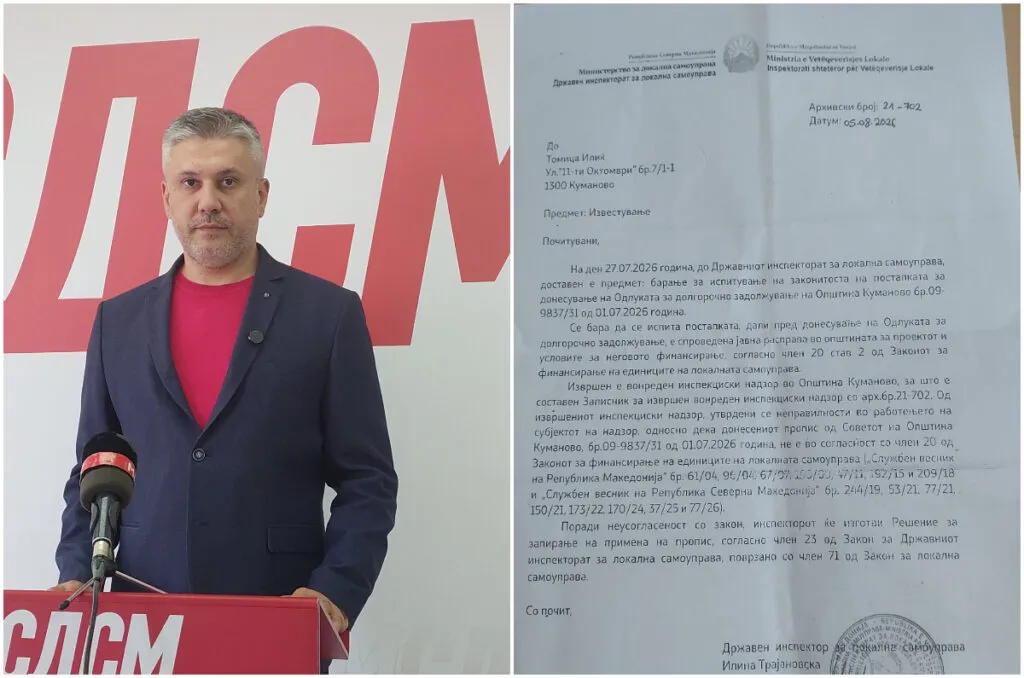
The state inspectorate found no public hearing was held before the decision. The mayor insists the hearing comes later.
Twelve faculties, three academies and three days for a decision that lasts four years. Medicine and IT are pulling the...

Over twenty events on the lake, a Balkan open-water swimming championship and four concerts. A photograph does not fill hotels...
The Fund says the contributions were not paid. The Ministry says they were. Standing between those two claims is a...
Queues all the way to OHIS, and on site only road signs and a closure. Four mayors later, the 850-metre...

Six fully released, nineteen with reduced sentences. Twenty-five sentences of explanation would have been enough.
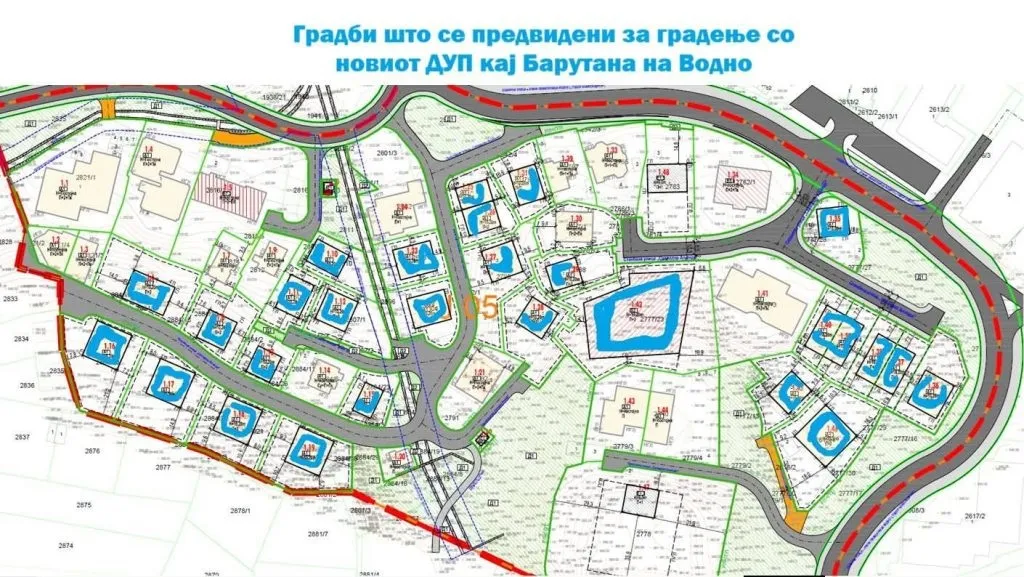
The press release talks about transparency. The plan talks about 29,000 square metres against the approved 6,500, and about erosion...
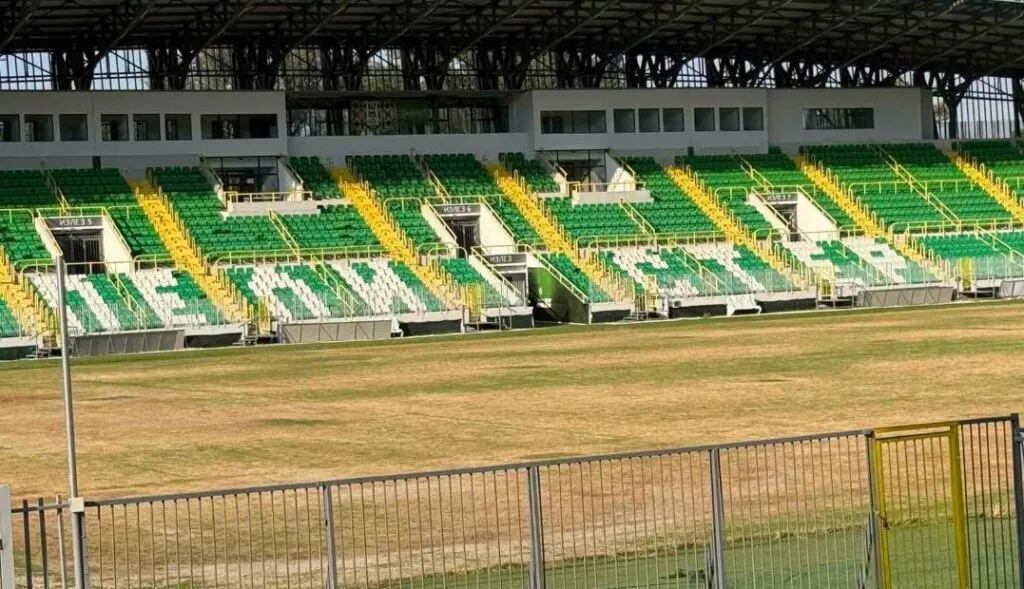
The Petar Milosevski stadium passed a UEFA inspection last year. This week it looks like hay. A councillor published the...
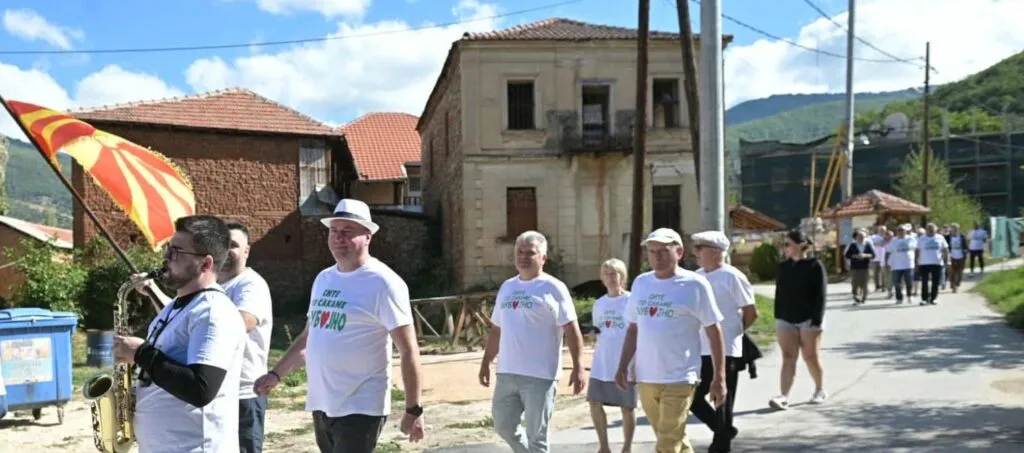
Vasko Tomulevski (44) died on a motorcycle. With a group of villagers he protested for four months and stopped the...

36 anthem submissions, three finalists and a song written in Struga in 1941. And a flag that cost an economic...
This site uses cookies - is that okay? Learn more
Be the first to know when Metla launches something new
Leave your email and we will write when there is a new guide or something new on Metla.