
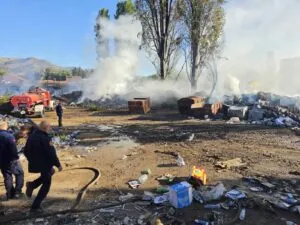
Fire by the railway in Prilep: residents watched black smoke over textile waste, "Komunalec" says - a small part, no danger
04.10.2026


04.10.2026
04.10.2026

04.10.2026

04.10.2026

04.10.2026
04.10.2026
04.10.2026

04.10.2026

04.10.2026

04.10.2026
04.10.2026

03.10.2026

04.10.2026

04.10.2026

04.10.2026

04.10.2026

03.10.2026

02.10.2026

04.10.2026

04.10.2026

04.10.2026
04.10.2026

04.10.2026
03.10.2026

09.03.2026

27.02.2026

19.02.2026

04.10.2026
04.10.2026

03.10.2026
04.10.2026

02.10.2026
22.08.2026

23.04.2026

23.04.2026

12.04.2026

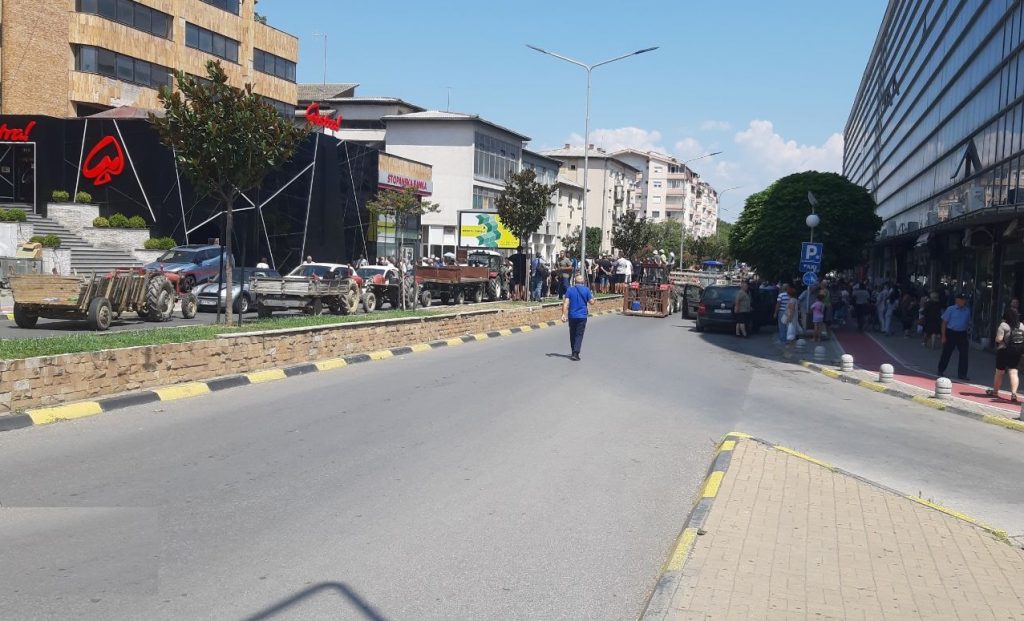
Twenty-five denars for a kilogram of ajvar pepper. That is the price with which farmers from Strumica blocked the streets and the regional office of the Agriculture Ministry, using tractors and heavy machinery. Their children came along too, carrying banners.
"Give us a price for the pepper, so I can grow old on my grandfather's land" - that was one of their messages. Another child carried a placard saying that at 25 denars his children would be born in Switzerland and in the EU. This is not rhetoric invented for the cameras. It is a calculation every one of those parents makes out loud at their own kitchen table.
From 25 to 40 denars in one day
A day after the protest, Agriculture, Forestry and Water Economy Minister Borce Serafimovski announced that an agreement had been reached. From the following day the ajvar pepper is bought at higher prices: first class at 40 denars, first/second class and industrial-grade at 30 denars, and rejects as a class at 15 denars.
Sit with that for a moment. The price jumped from 25 to 40 denars for first class - a 60 percent rise - in a little over twenty-four hours after the tractors rolled onto the street. If that price was possible on Monday, it was possible the week before. The only variable that appeared in between was the blocked streets.
The farmers are asking for more: subsidies paid on time per kilogram and per hectare, the factories' payment deadline cut to three months, and regular monthly meetings with the ministry, the factories and the buyers before every planting and harvest season. The organisers, an association of young farmers, said they are not satisfied with prices that merely keep them alive and that the blockades continue until there is an official agreement.
The sentence worth remembering
The minister said market conditions determine the price, but that the buy-up must be lawful, transparent and predictable. Then he added something more important - that these situations should not repeat every year, and should instead be resolved through systemic solutions.
He is right. And that is exactly what makes the sentence uncomfortable: if the responsible minister knows the problem recurs every year, then the question is not whether he is aware of it, but why the systemic solution once again arrives only after the tractors come out.
This year the pepper got a price. Next year it will be some other crop and some other buying centre, and the negotiating will start again after a road gets blocked. That is not a market - that is a price agreed under pressure, which means without pressure there is no agreement either.
The latest 10 news from this category

The reduced excise duty and lower VAT on diesel keep prices down, but leave a hole in the budget. At...
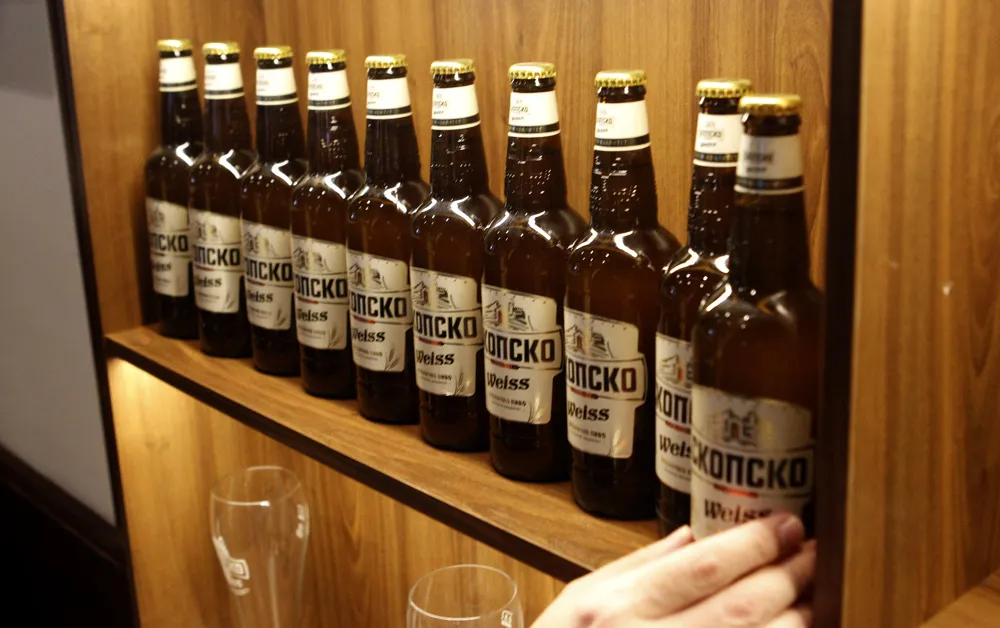
7.1 million litres exported against 3.08 million litres imported. Last year the picture was the reverse: we imported more than...
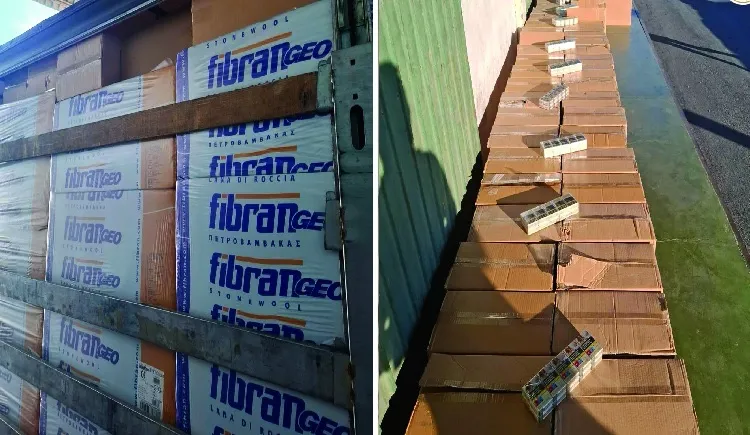
European auditors estimate losses of around 13 billion euros a year. In Macedonia, operation "Filter" uncovered around 70 million cigarettes...
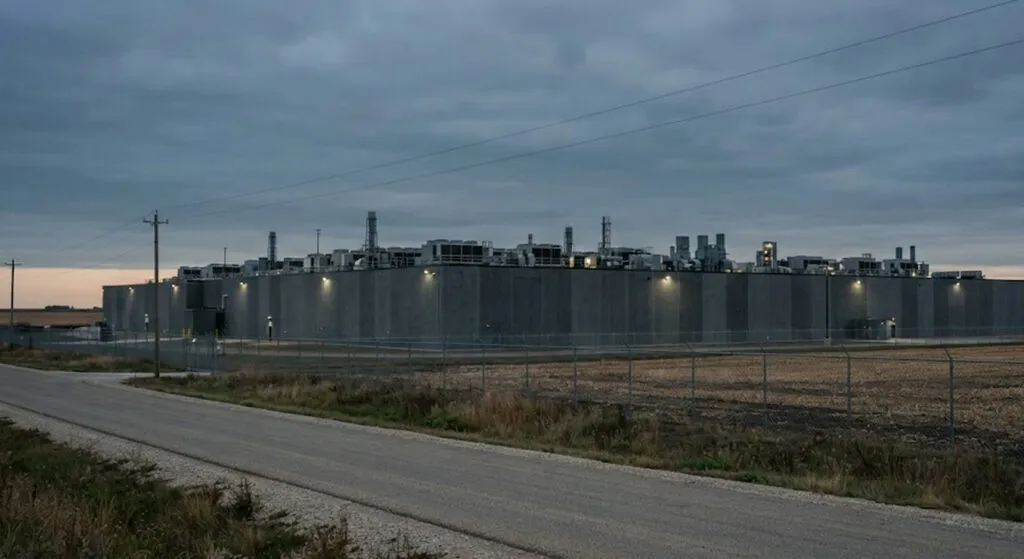
The head of AWS claims data centres don't use much water, don't push up electricity prices and barely pollute. One...

Almost a billion dollars raised, a waiting list of 300,000 people and a check-up insurance doesn't cover. Preventive medicine, or...

The pope isn't talking about style but about substance: the machine calculates on top of other people's images. The industry...
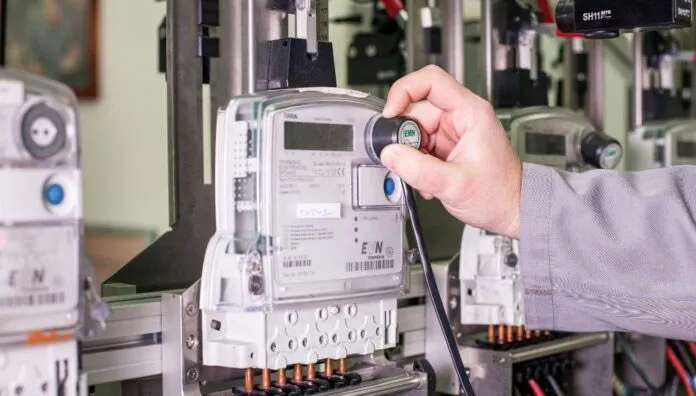
Since spring there has been talk of four hours of cheap daytime tariff and a cheap Saturday. A final decision...
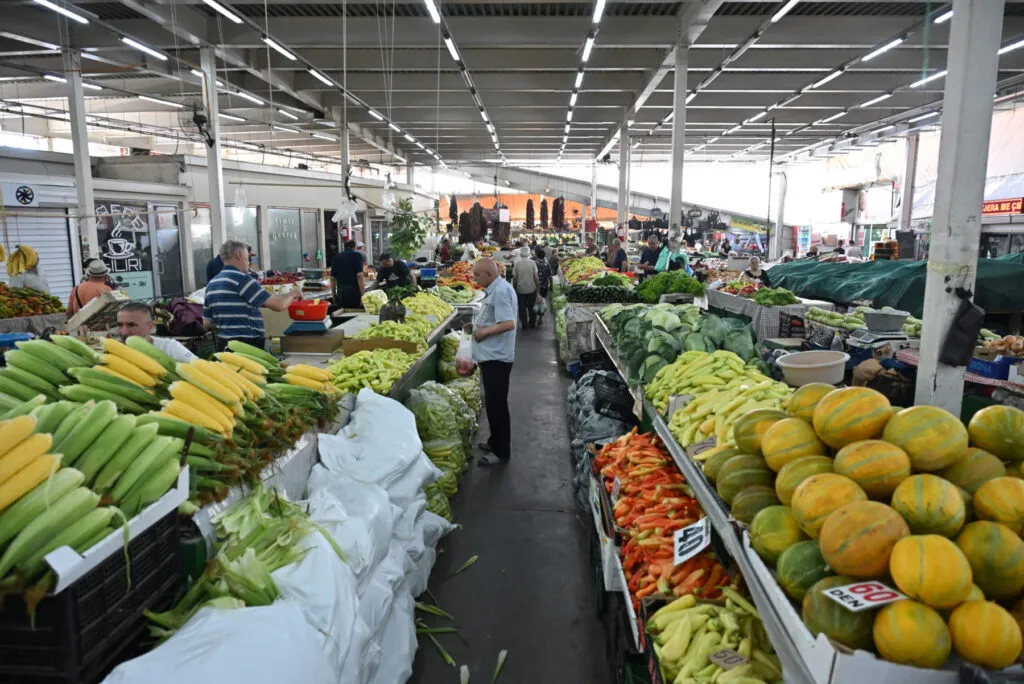
A register of buyers, written contracts, certified scales and fines scaled to company size. The question that remains is who...
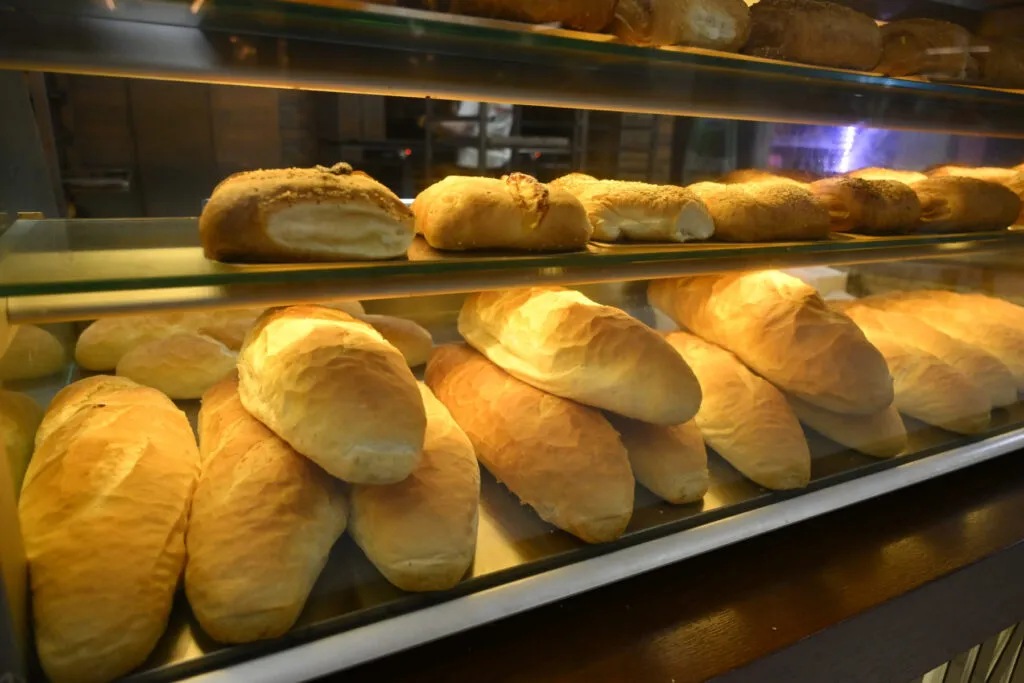
Global food prices are at their highest since November 2022. Bakers are holding on with old stock for now -...

A setting created for backups now hands AI agents the keys to the whole computer - messages, mail, browsing history....
This site uses cookies - is that okay? Learn more
Be the first to know when Metla launches something new
Leave your email and we will write when there is a new guide or something new on Metla.