
15 Wildfires in One Day, 23 in 24 Hours: And Once Again It Is the Landfills That Are Burning
12.08.2026



12.08.2026

12.08.2026

12.08.2026

12.08.2026

11.08.2026
10.08.2026
12.08.2026

12.08.2026
11.08.2026

12.08.2026

12.08.2026
12.08.2026
12.08.2026
11.08.2026

10.08.2026

12.08.2026

12.08.2026
12.08.2026

12.08.2026

12.08.2026

12.08.2026

09.03.2026

27.02.2026

19.02.2026
12.08.2026
11.08.2026
10.08.2026

23.04.2026

23.04.2026

12.04.2026
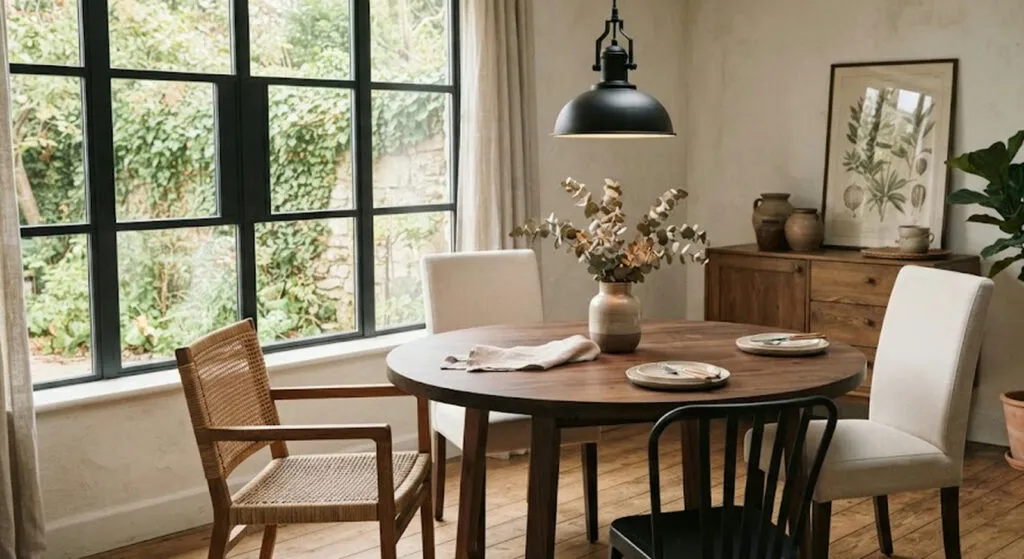
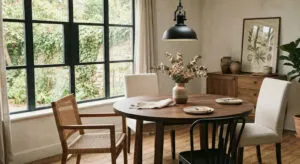
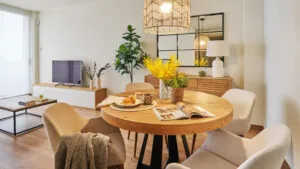
A table with four matching chairs was the standard in every home where the dining room was taken seriously. It was bought all at once, paid off in instalments, and stood for thirty years. Designers today say that is precisely what you should not do - and, more importantly, that mixing is not disorder but a decision.
The practical benefit outweighs the aesthetic one. If you like the table but the chairs have fallen apart, you do not have to throw everything out. If you inherit two chairs from your grandmother, they do not have to "not fit" - they can be the start. And if you cannot afford it all at once, the set gets built gradually. That is a logic Balkan homes have lived for decades, except that until now it counted as a compromise, not a style.
Where the line between mixing and chaos sits
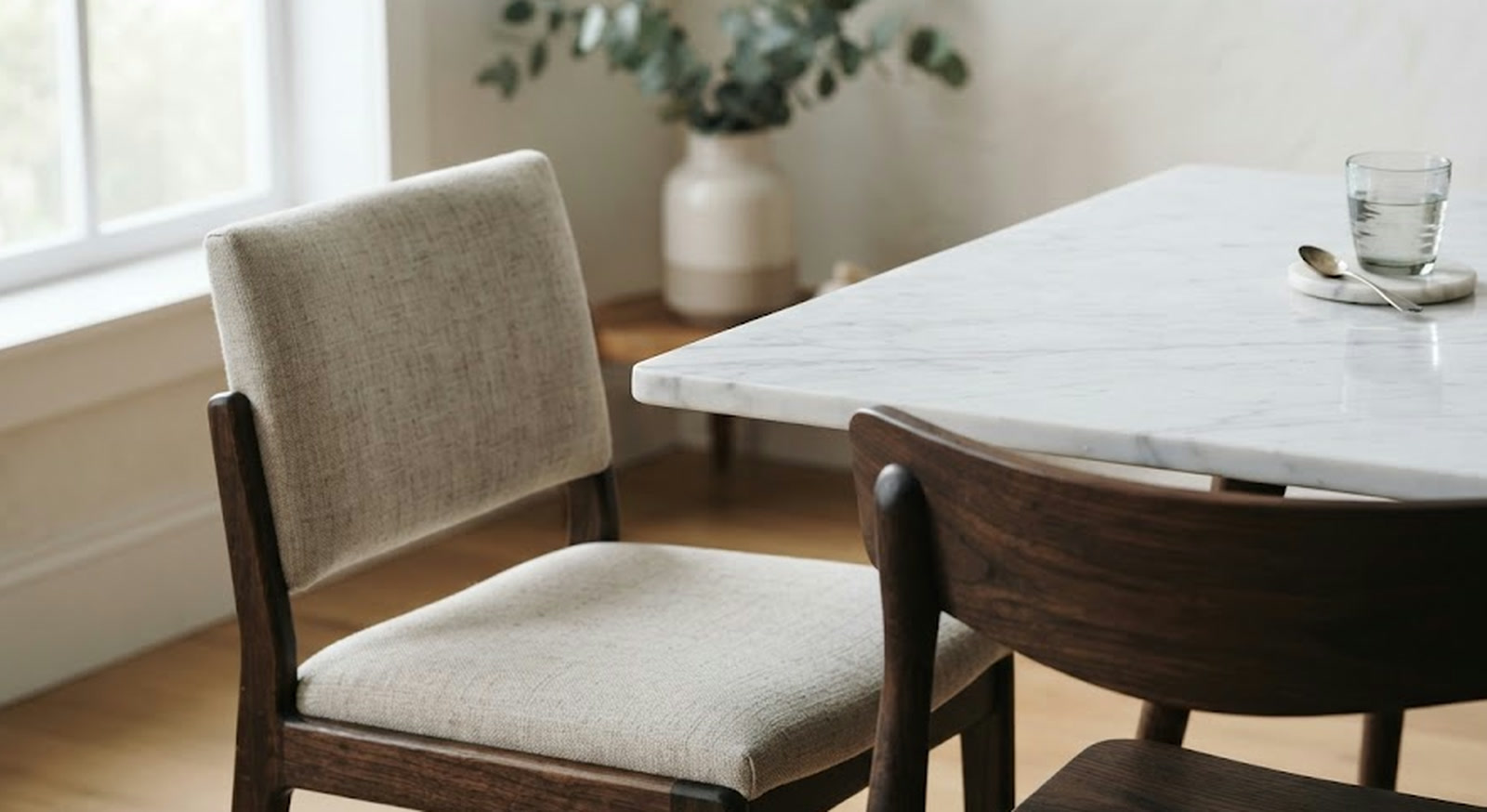
The whole trick is in what designers call the point between contrast and coherence. There has to be something shared - a colour, a finish, a shape or the lighting. The safest route is the same frame, different upholstery: chairs with an identical skeleton and finish to the table, but with a different textile colour. The uniformity breaks, the order stays.
The second reliable link is a neutral colour. White, sand, stone or a taupe tone connect with almost anything - wood, marble, glass, metal. When the colour is shared, the materials are allowed to be completely different.
The classic combination that rarely misses is a dark table with light chairs. Walnut or darkened oak with white or cream seats gives weight without smothering the room. The reverse - a light table with dark chairs - works the same, it just carries more energy.
The chairs that act as a connector
Rattan and woven chairs are the simplest way to link unconnected things - they "go" with everything. The only warning is that they can drag the space towards a garden look, so pair them with a solid wooden table and textiles in warm tones.
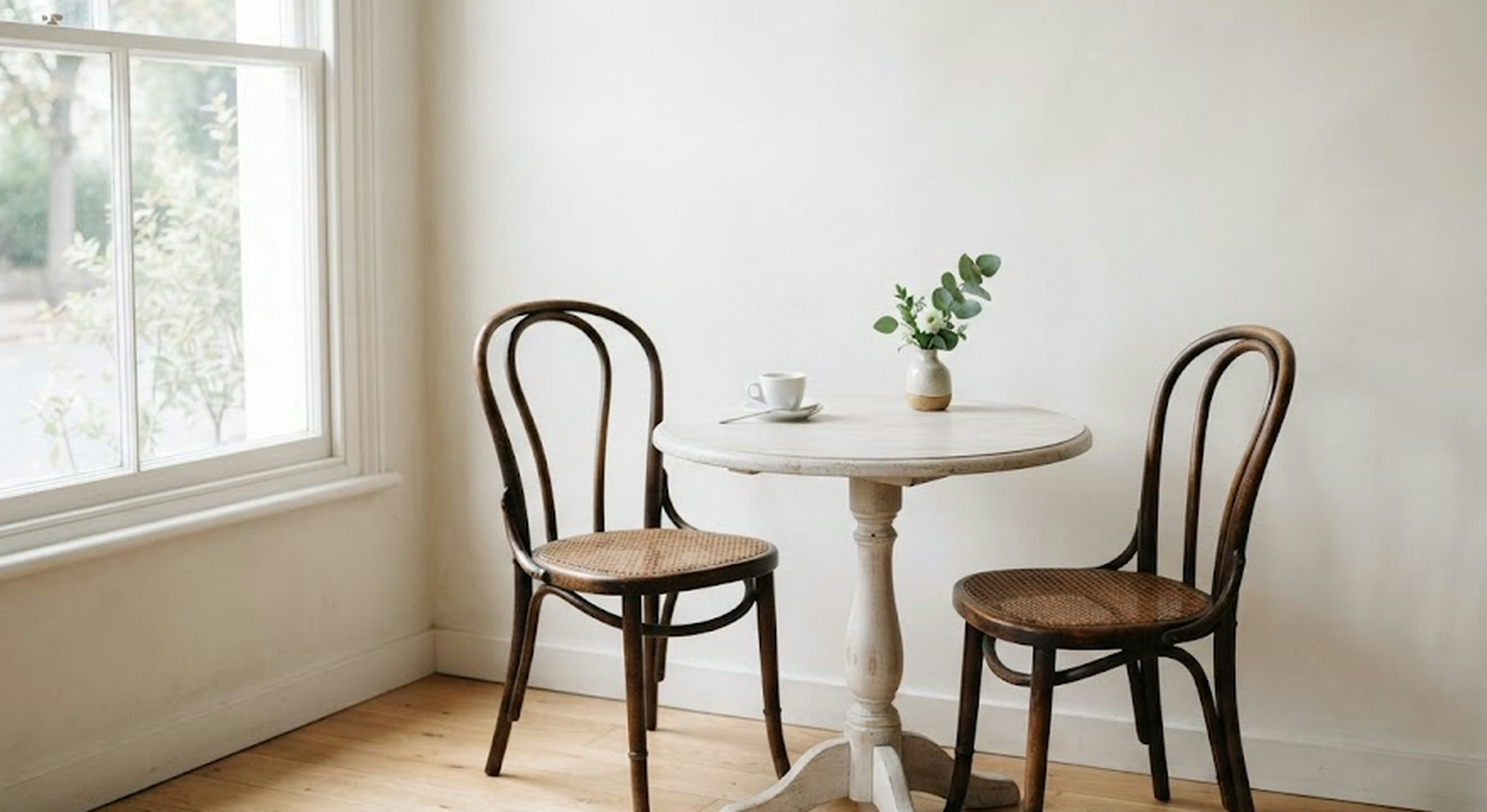
Bistro chairs are the other such connector. They are light, never overloaded with decoration, and sit beautifully next to rustic tables and marble tops. If you want a room that looks pulled together without effort, they are the fastest route.
When the styles are entirely different
If the differences are too great, there are two rescuers. The first is one shared finish - most often black - which visually simplifies the whole composition regardless of style. The second is the lighting: a pendant lamp whose metal matches the table legs or the chair details creates a continuity the eye reads as intent.
A glass top is a special case - it competes with nothing, so it permits combinations from classic to contemporary. Marble is the opposite: it dictates. Carrara, Calacatta, Guatemala green, sodalite blue or Marquina black - each kind demands its own upholstery palette and tolerates no random decision.
There is also a rule that is not about colour but about shape: if every piece has rounded, soft lines and a fully upholstered surface, coherence appears on its own even when the colours differ. Shape is a stronger connector than tone.
All of this sounds like advice for people with a big flat and a bigger budget. It is not. The most expensive part of a dining room is usually the table, and it is also the part that lasts longest. If you stop tying it to a set of chairs that has to be bought the same day, you are buying time - and you end up with a space that looks like somebody, not like a catalogue.
The latest 10 news from this category
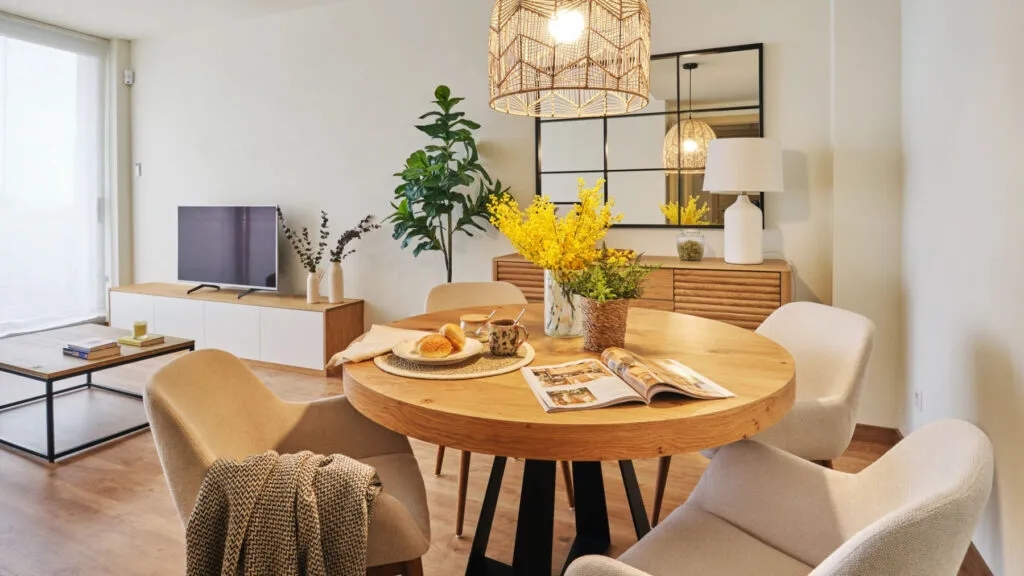
White walls, low furniture and lots of mirrors produce flats that photograph well and live badly. Ten pieces of advice...
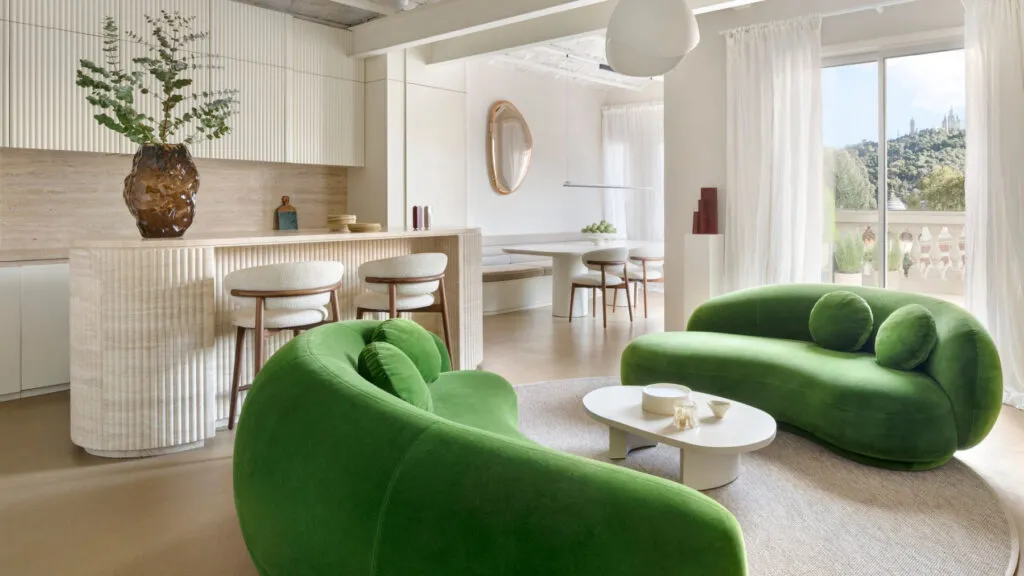
The Catalan vaults stayed, the walnut joinery stayed, and on top of it came an intervention that deliberately does not...
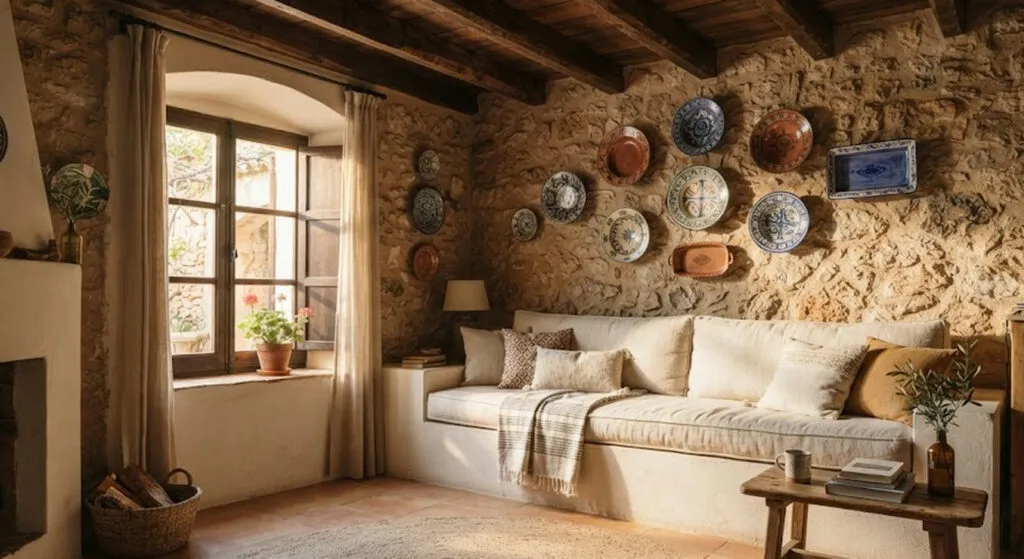
Everyone who walks into an inherited house tells you what should come down. The architect here did the opposite, and...
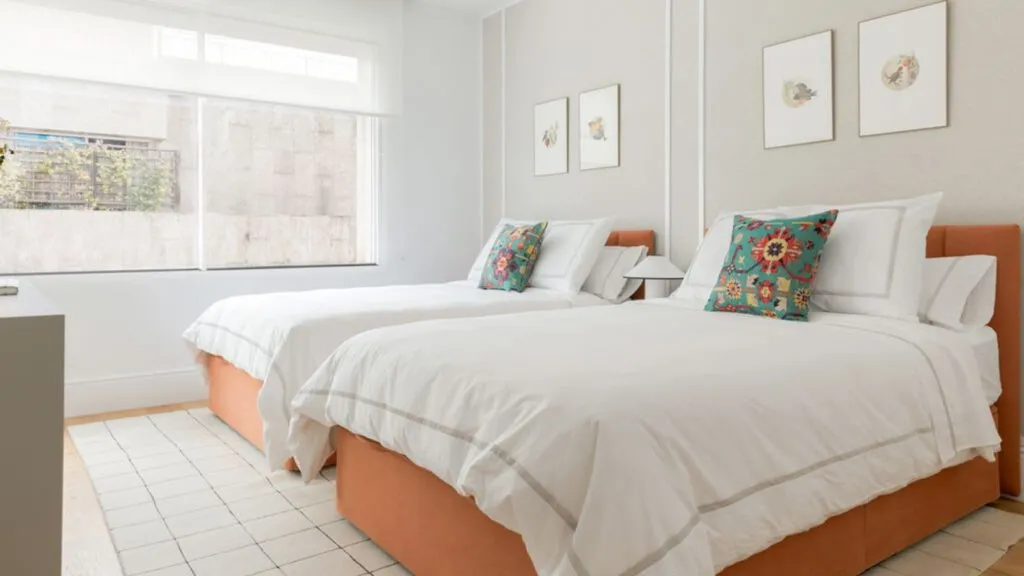
A family that sleeps badly for fifteen years is normal. A family that puts in two beds becomes neighbourhood gossip....
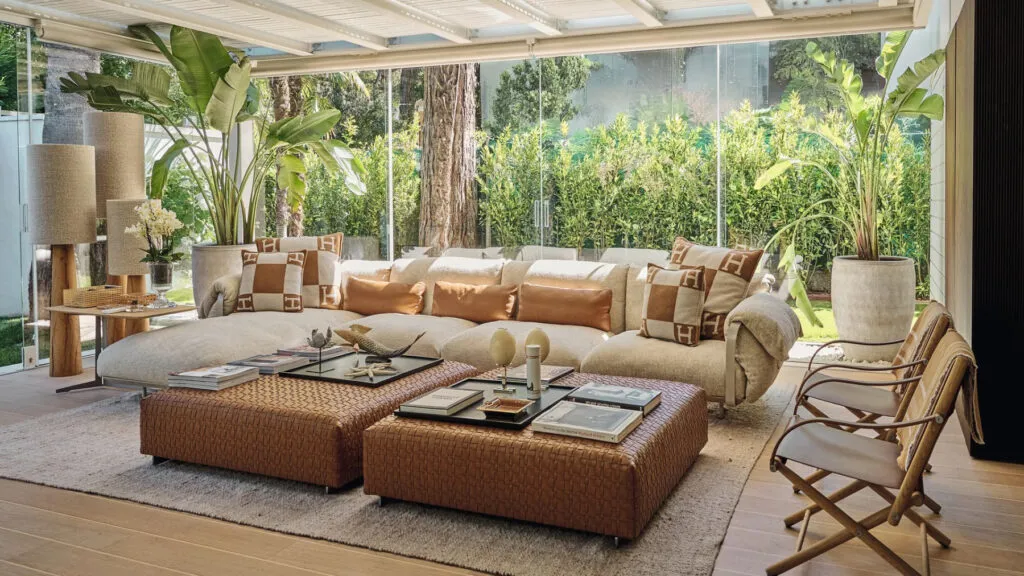
Three floors, each with a clear function, and one black kitchen that deliberately breaks the harmony. The most treasured object...

Seven buildings, a private harbour and vineyards - none of it is applicable. But the principle behind the interior costs...
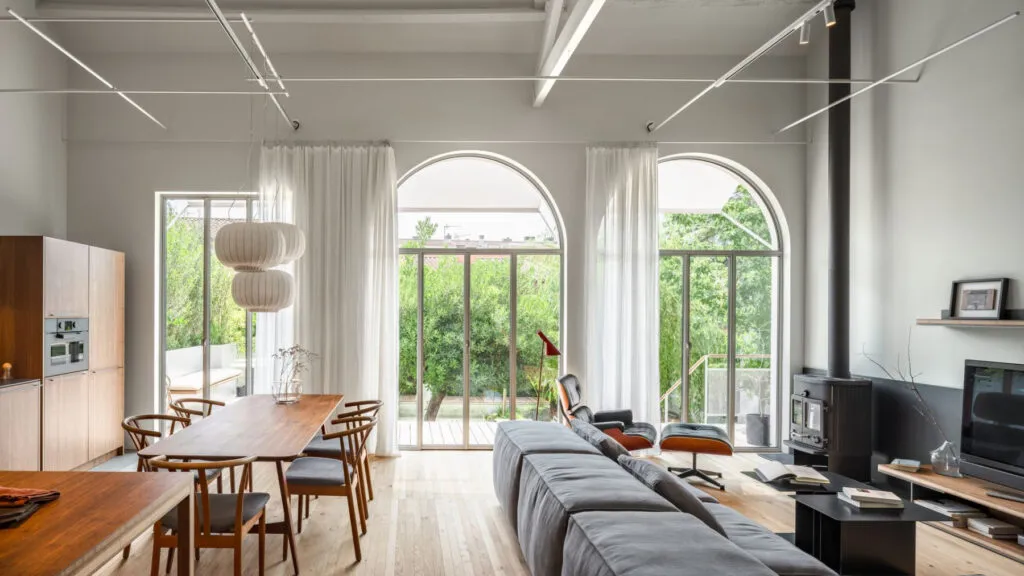
The most expensive decision in the whole renovation was not to touch what already worked. Under the false reed ceiling,...
A photo does not show you where the backpacks get dumped when the kids come home from school. You end...
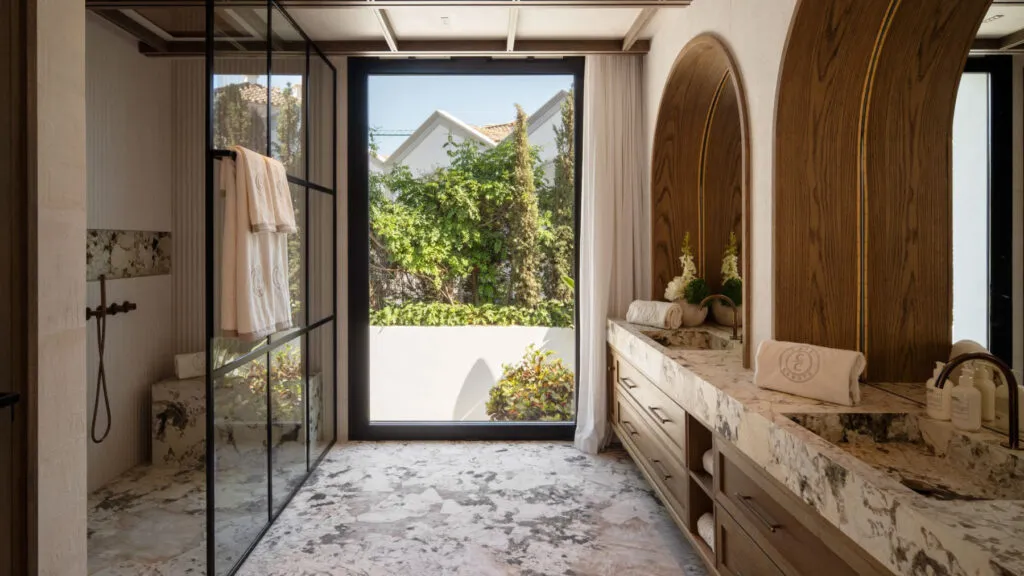
A 1.5 percent floor fall, a shower head at 2.20 metres, a bench at 45 centimetres. Almost nothing on this...
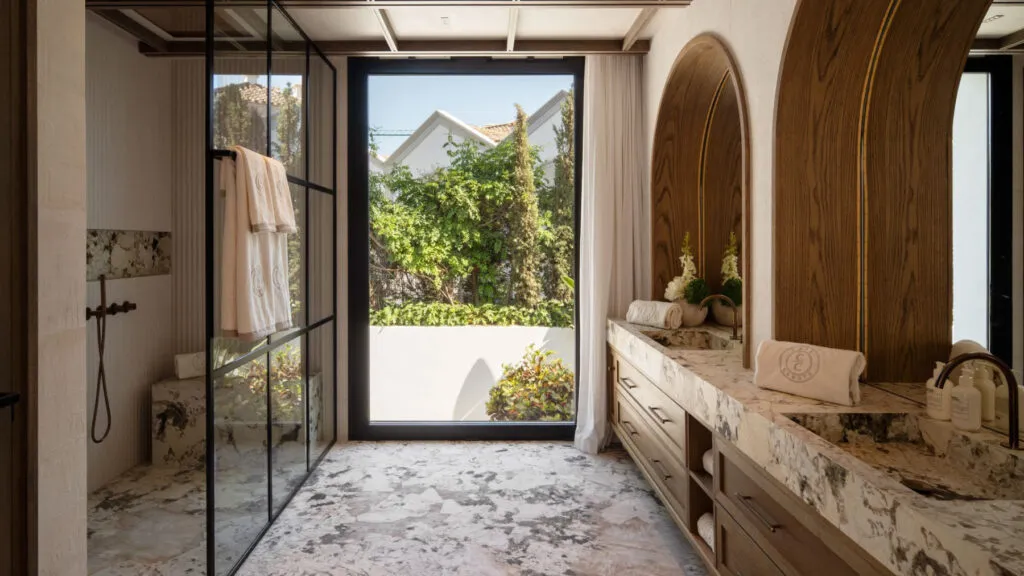
An expensive bathroom isn't recognised by its marble but by the fact nobody looks bad in it. A renovation happens...
This site uses cookies - is that okay? Learn more
Be the first to know when Metla launches something new
Leave your email and we will write when there is a new guide or something new on Metla.