The Entire Interior Ministry Lost Its Health Insurance Overnight: Police Officers Turned Away From Chemotherapy Over One Unposted Entry
11.08.2026


11.08.2026
11.08.2026
11.08.2026
11.08.2026

11.08.2026
11.08.2026
11.08.2026
10.08.2026
10.08.2026
11.08.2026

11.08.2026

10.08.2026
11.08.2026

11.08.2026

11.08.2026
11.08.2026
10.08.2026
09.08.2026
11.08.2026

11.08.2026
11.08.2026
11.08.2026
11.08.2026

11.08.2026

09.03.2026

27.02.2026

19.02.2026

23.04.2026

23.04.2026

12.04.2026
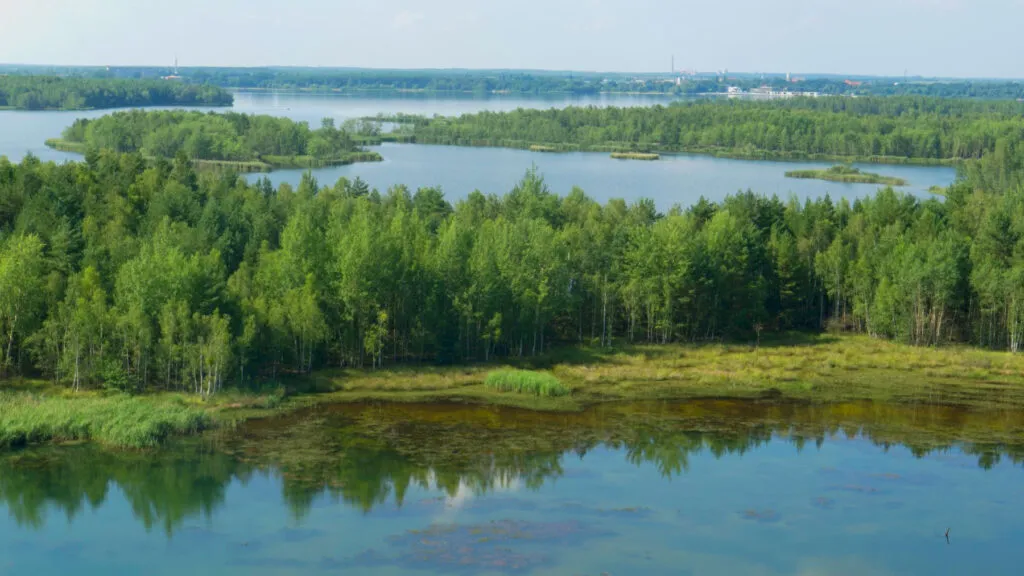
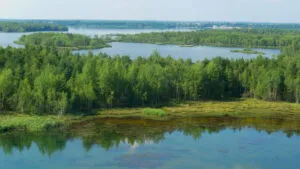
Germany has over 12,000 lakes, and in recent years the number has been growing. Not because it has rained more, but because somebody decided to fill with water the holes coal had previously been dug out of. The Lusatia region, about 140 kilometres south of Berlin and 60 kilometres north of Dresden, is today called "the German Lake Como". The artificial version, of course.
The story behind that name is more interesting than the name. Lignite was mined here from the middle of the nineteenth century. More than two billion tonnes of brown coal were taken from the ground, at depths of up to sixty metres. Which means the region was one of the kind we know in the Balkans too: a landscape eaten from the inside so that industry can run, with villages that live off the mine and die with it.
From a mine to 23 lakes
From the mid-1990s the regional mining administration company began gradually flooding the former pits. The result is a water system of 23 lakes covering over 13,600 hectares, with the ambition of becoming the largest artificial lake landscape in Europe. The plan is for ten of them to be connected by navigable canals. As of this summer, five already are.
The first opened to tourism was Lake Senftenberg, with 1,300 hectares and beaches carrying a blue flag for water quality. It has a harbour opened in 2013, an 80-metre pier and a path circling the entire water surface, for cycling, walking or skating. The second, Geierswalder, is known for its winds and for kitesurfing, and its most photographed sight is the 18-metre red and white lighthouse with cabins behind it, housing a four-star hotel and a restaurant.
From there, via the Barbara canal, you reach Partwitzer, surrounded by pine forest and with a two-and-a-half-kilometre peninsula that almost splits the lake in two. This is also home to the region's first floating holiday house. The last to open for boating and swimming was Sedlitzer, whose symbol is a thirty-metre steel tower in a rusty reddish colour that deliberately recalls the industrial past. From that viewpoint you can see three lakes at once.
Wine on the slope and one truth about inheritance
By Lake Grossrachen stand three cube-shaped buildings connected by terraces, serving as a viewpoint and as museum space for the region's history. Next to them is the family winery Weinwobar, whose small vineyard is the only one in Brandenburg planted on a steep slope. Since 2012 they have grown hybrid varieties resistant to fungal disease, harvest exclusively by hand and make single-variety wines. They also run tours with tastings.
This isn't a story about a beach. This is a story about what you do with land once industry leaves. The Germans invested thirty years and a large budget to turn mining pits into a water surface with a list of attractions, hotels and a tourism organisation counting visitors. The Balkans have their own pits, their own abandoned mines and their own holes in the ground waiting for someone to decide what to do with them. Does anyone here even do that arithmetic?
Lake Sedlitzer, incidentally, has also received a special permit to operate as a seaplane landing site. The ambition is clear and isn't hidden: they want to become a luxury destination, like the real Como. They will need a lot more for that, but the fact that there used to be coal at the bottom of those lakes can no longer be seen from the water.
The latest 10 news from this category
Bogorodica, Medzitlija and Star Dojran in one place - live cameras, queues hour by hour, and a forecast for the...
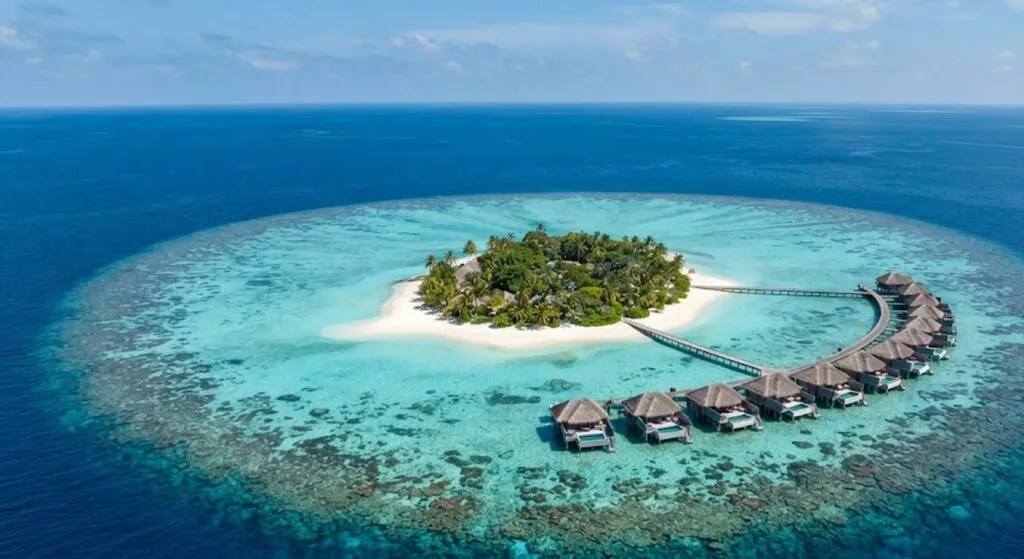
Of a thousand islands, only around a hundred have a single hotel each. There is another Maldives too - fishing...
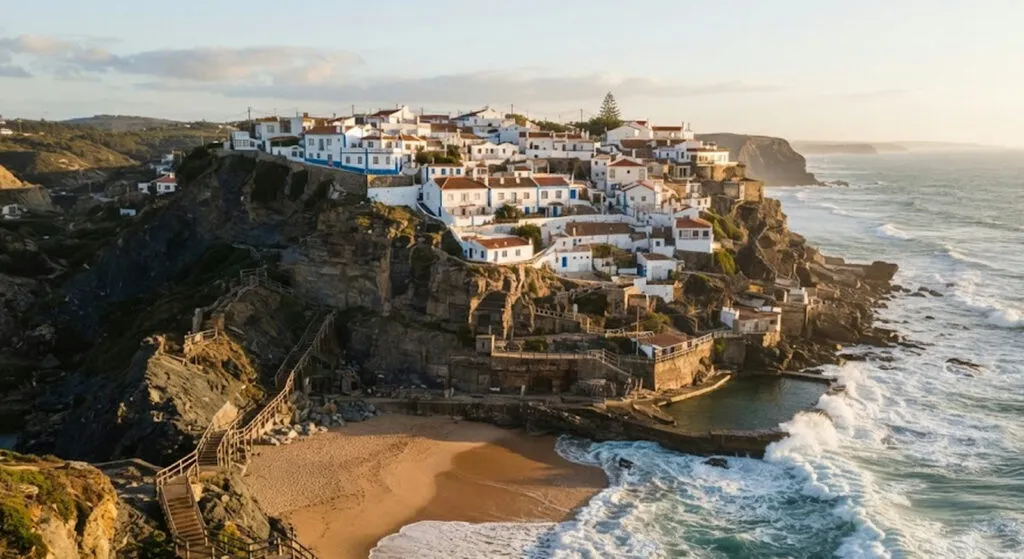
White houses with blue trim glued above the ocean, and beaches connected by an 18.5-kilometre trail instead of a car...
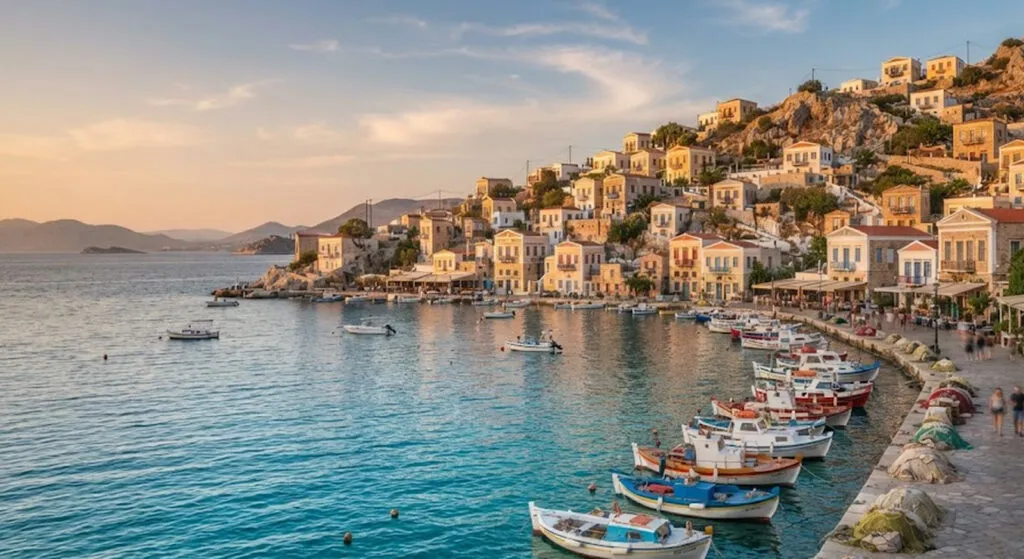
Eleven walking trails, eighty kilometres, and one staircase of six hundred steps that a local shepherd spent ten years carving....
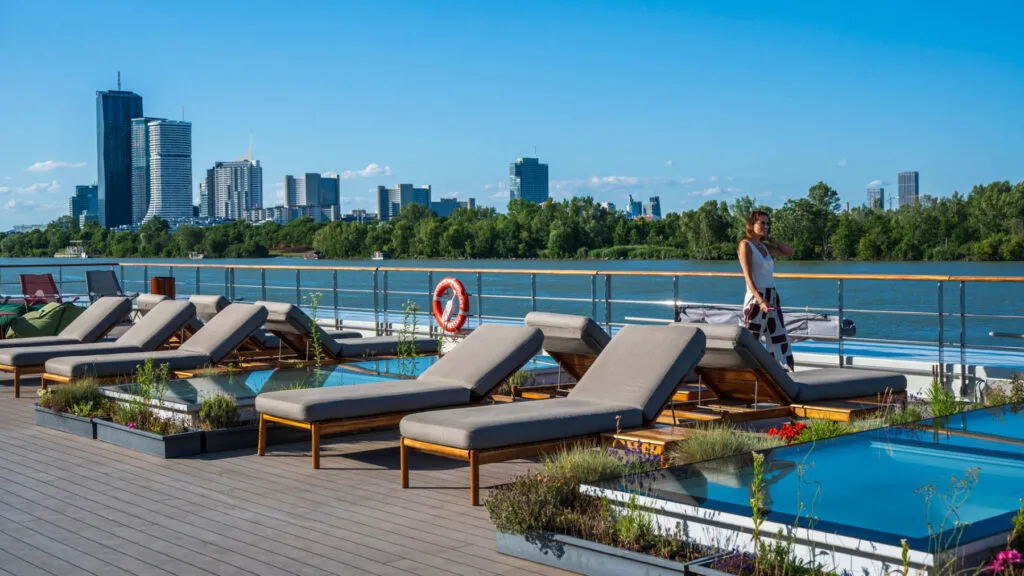
From Vienna to Budapest, stopping at Esztergom and Visegrád. A boat that docks in the old town centre, not twenty...
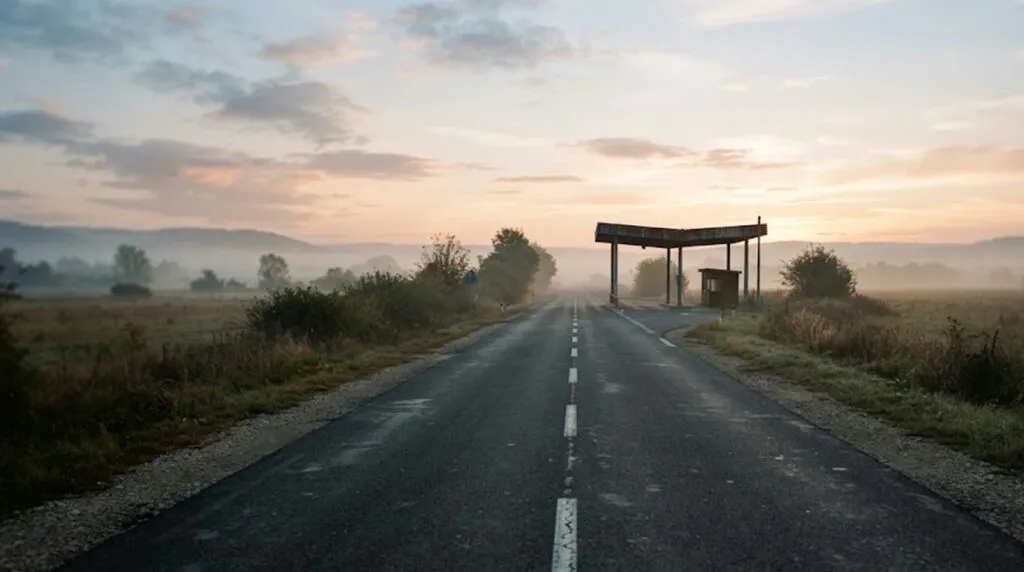
Everyone leaves early to beat the queue. The forecast says that is exactly when the queue is longest - and...
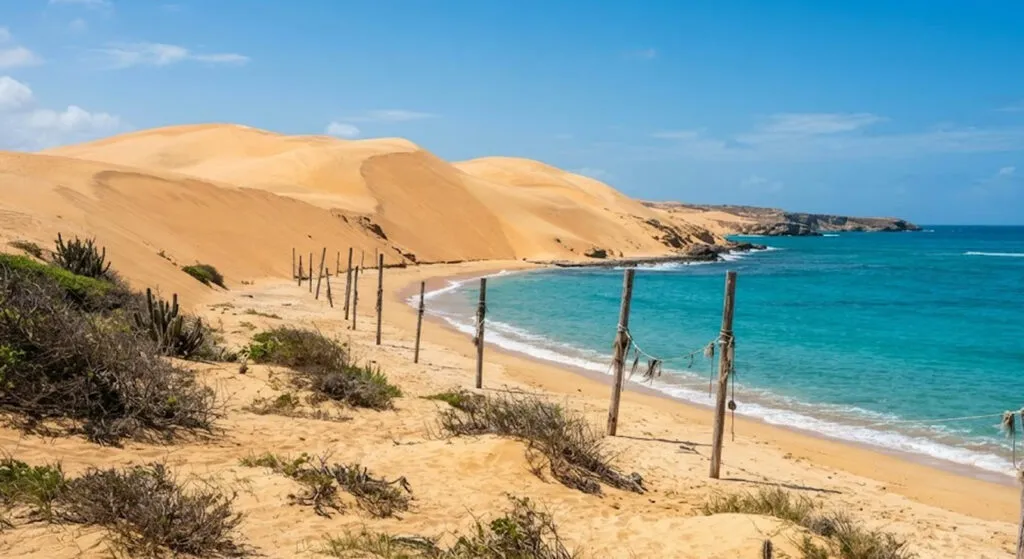
The town from One Hundred Years of Solitude does not exist. The landscape it was born from does, and it...
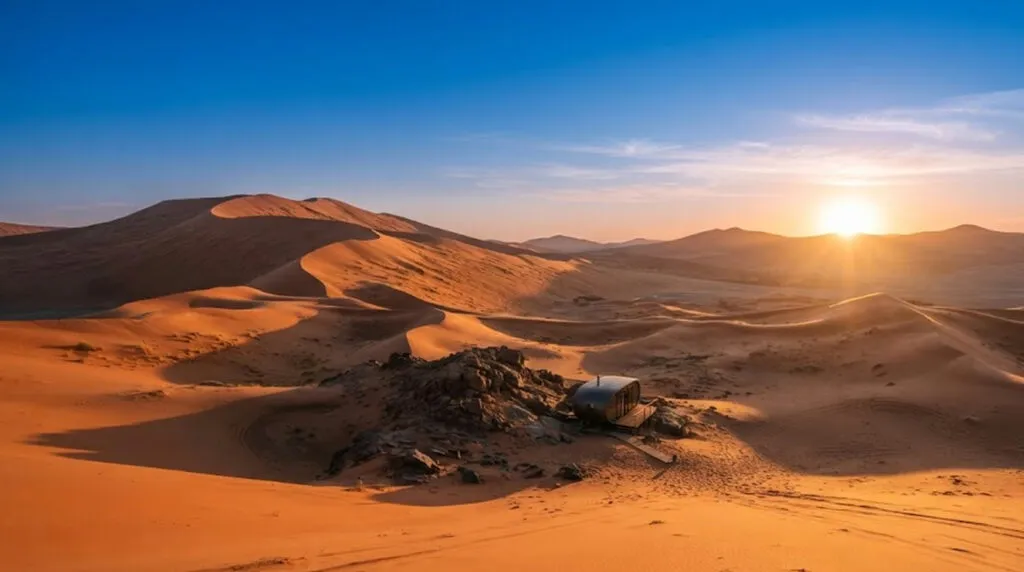
An oval structure of steel and glass on a rock in the Namib, with a telescope and a pool. The...
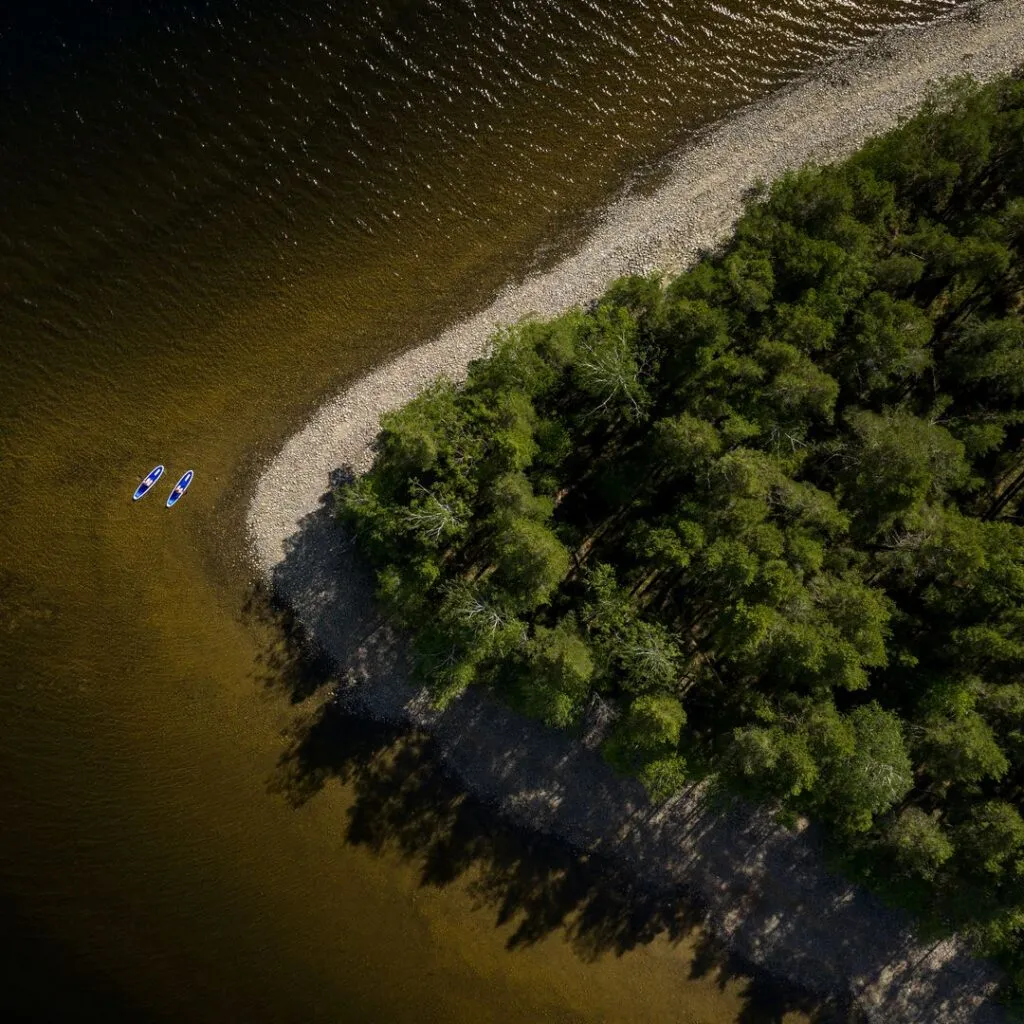
The ritual is wake, lake, forest, sauna, lake, sleep. Not one step requires a booking - and that is precisely...
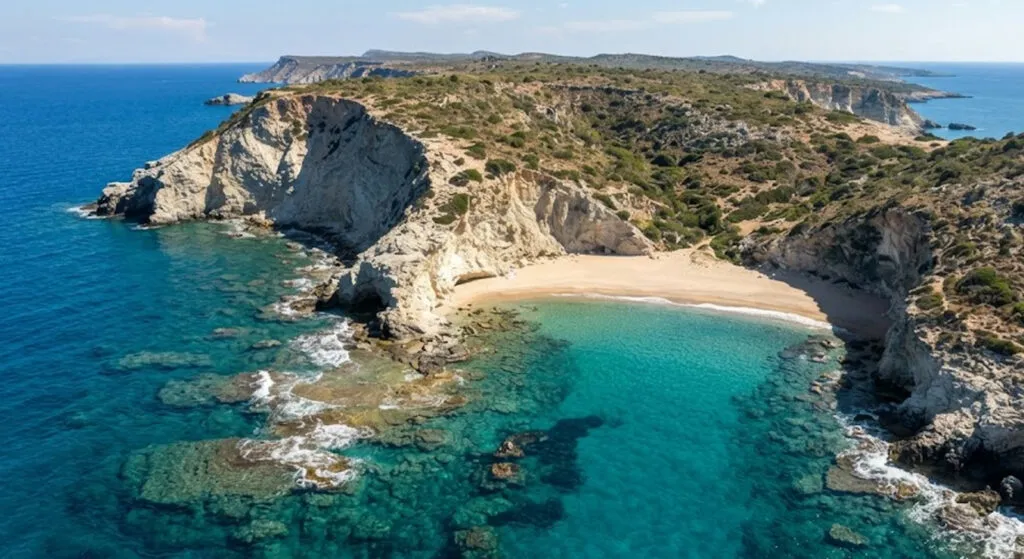
Black sand thrown up by volcanoes, a spring that kept pirates hiding here for centuries, and cliffs covered in fossils....
This site uses cookies - is that okay? Learn more
Be the first to know when Metla launches something new
Leave your email and we will write when there is a new guide or something new on Metla.