
15 Wildfires in One Day, 23 in 24 Hours: And Once Again It Is the Landfills That Are Burning
12.08.2026



12.08.2026

12.08.2026
12.08.2026

12.08.2026

11.08.2026
10.08.2026

12.08.2026

12.08.2026

11.08.2026

12.08.2026

12.08.2026

12.08.2026

12.08.2026

11.08.2026

10.08.2026

12.08.2026

12.08.2026

12.08.2026

12.08.2026

12.08.2026

12.08.2026

09.03.2026

27.02.2026

19.02.2026

12.08.2026

11.08.2026

10.08.2026

23.04.2026

23.04.2026

12.04.2026
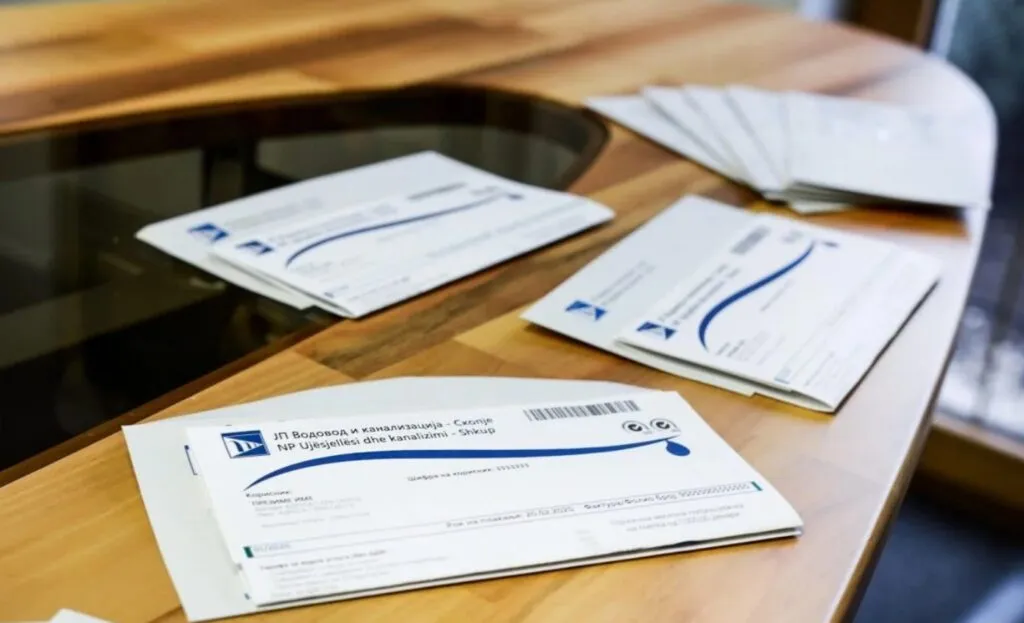
The Public Revenue Office and ZELS held a training session for eighty representatives of municipalities and public utility companies, in preparation for the rollout of the e-Invoice system. Bills for water, waste collection and other utility services are soon to be issued electronically.
The session presented the system's functionalities and how to use it, including a free web application for access. Participants also raised practical questions - how utility companies will send invoices to citizens, how the municipalities' existing information systems will connect to e-Invoice, and how already-issued qualified electronic certificates will be used.
In the pilot phase, testing runs either through a direct connection or through the web application, and covers creating, receiving, validating, downloading, accepting, rejecting and cancelling an e-invoice. The Revenue Office says testing will be expanded to cover the full processes.
Why the utilities first
The Revenue Office pointed out that public enterprises are among the largest issuers of invoices in the country and that getting them on board early is key to a successful rollout. That is accurate, and the number is bigger than people picture: every household gets several utility bills a month, multiplied by hundreds of thousands of households.
The benefits the administration lists are predictable - less paper, faster processing, easier storage and review of bills, greater transparency of the processes. None of that is in dispute.
What is not said is how this will look for the user who has no email, no certificate and has never opened a web application. In a country with a large share of older residents who pay their bills at the counter and keep the receipts in a drawer, digitalisation is not just a technical question - it is a question of whether the paper bill remains an option or quietly disappears.
Eighty trained representatives from the municipalities is a good start. The training that will be missing is the one for the user, and nobody usually plans that one until the complaints start.
The latest 10 news from this category

113,436 tourists in June, yet the half-year is in the red. The drop comes from the domestic market, and Turkey...
If a price of 40 denars was possible on Monday, it was possible the week before. The only thing that...

33 million tonnes of CO2 a year from 35 turbines in Texas. The company promised net zero by 2040, and...
The European transparency code applies from 2 August, and the labelling arrived with it - not earlier. The question is...
River AI has no product with a track record, but it has an xAI CV and a full bank account....

When the practice stopped, daily revenue visibly fell - so it was not a side effect. The founders knew from...
The government adopted its first priority list. But the statement says that being on it implies no obligation to fund....
The pandemic line was temporary and had to be renewed every year. EUREP is a permanent Eurosystem instrument. The difference...
Serbian businessman Davor Macura took 100 percent of the shares through a block transaction, then recapitalised. Another financial brand is...

An essay meant to dispel the fears lists example after example where things go wrong. And 64 percent of Americans...
This site uses cookies - is that okay? Learn more
Be the first to know when Metla launches something new
Leave your email and we will write when there is a new guide or something new on Metla.