


Head of Bitola's Higher Prosecution Office Loses His Passport: Suspected of Lobbying for Lighter Sentences in at Least Four Cases
08.10.2026


08.10.2026

08.10.2026

08.10.2026
08.10.2026
08.10.2026
08.10.2026

08.10.2026

08.10.2026

07.10.2026
08.10.2026

08.10.2026

07.10.2026

08.10.2026

08.10.2026

08.10.2026

08.10.2026

07.10.2026

06.10.2026

08.10.2026

08.10.2026

08.10.2026

08.10.2026

07.10.2026
07.10.2026

09.03.2026

27.02.2026

19.02.2026

08.10.2026

07.10.2026

06.10.2026
08.10.2026

06.10.2026

05.10.2026

23.04.2026

23.04.2026

12.04.2026

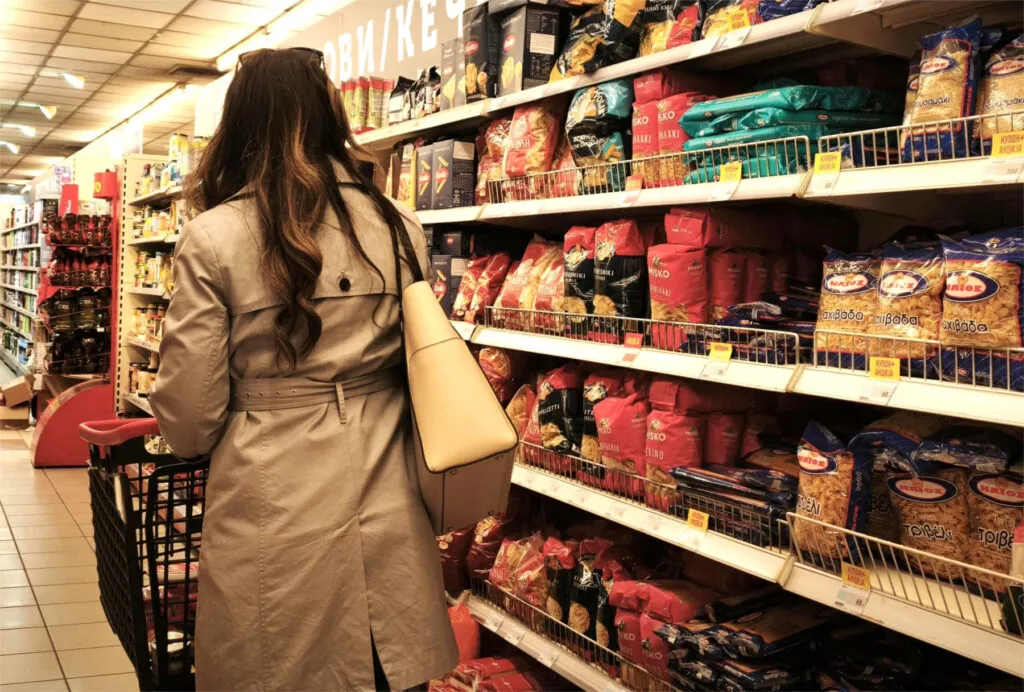
Annual inflation in September stood at 2.7 percent, the State Statistical Office announced. Compared with August, overall living costs were unchanged. At first glance - a calm month. Beneath the average, though, prices were moving in opposite directions, and food is once again on the side that's getting more expensive.
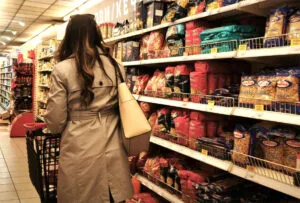
Food and non-alcoholic beverages rose 0.5 percent in September compared with August. The same monthly rise was recorded in August. For households that leave most of their wages at the supermarket, that is the number they actually feel - not the average.
Transport cheaper, household goods pricier
A zero at the monthly level is the sum of pluses and minuses. The biggest monthly drops were in recreation, sport and culture, down 3.7 percent, and transport, down 3.4 percent. The biggest rise was in furnishings, household equipment and maintenance, up 1.3 percent, while personal care (0.5), education (0.4), clothing and footwear (0.3) and housing, water, electricity and fuels (0.2 percent) also went up.
On an annual basis the picture is sharper: alcoholic drinks and tobacco are up 6.5 percent on last year, recreation and culture 6.3, and restaurants and hotels 5.8 percent.
The trend is gently upward
After 2.3 percent in July and 2.6 in August, September brought 2.7. Inflation is below 3 percent, but it has been edging up two months in a row.
Prime Minister Hristijan Mickoski, for his part, is pleased. "I expect us to be a country with, if not the lowest, then among the lowest two or three inflation rates in the region and in Europe," he said, noting that according to an estimate published in the EU, eurozone inflation in September was 3.8 percent. According to State Market Inspectorate estimates he cited, annual food inflation should be between 1.5 and 2 percent.
The comparison with Europe is comforting on paper. But a pensioner in Kumanovo doesn't buy bread at the eurozone average. If food is getting more expensive for the second month running, when will that number make it into the speeches?
The latest 10 news from this category
As of October 6, the deficit stands at 50.2 billion denars, almost 4 billion above the annual plan the government...
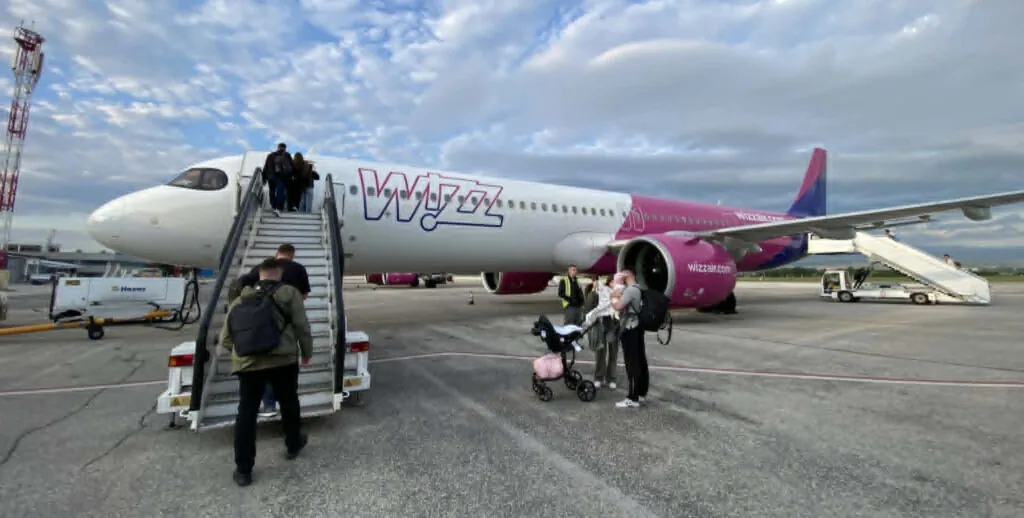
3.3 million passengers in nine months and 29 percent growth. But almost two out of every three passengers in Skopje,...

Built to protect teenagers from emotional dependence, the bot answered the line "my friends say I talk to you too...

Nine out of ten of the fund's investments are outside the US, and Europe got 12 new investments in six...

The feature that sandboxes AI agents is coming to every Windows 11 PC, but the machines Microsoft is using to...
We went from a lower- to an upper-middle-income country, then stood still for 17 years. Meanwhile Albania, Serbia and Montenegro...
The prime minister says pensioners have nothing to worry about. The Fiscal Council calculates a hole worth 5.2% of GDP....
The statistics say price growth is slowing. The customer at the table sees something else: alcoholic drinks up 5.7%, food...

A post with over a million views showed what Amazon pulls out of every order. One pair of leggings -...

Their first idea had no future, so the three founders torched it. The second hit over a million dollars in...
This site uses cookies - is that okay? Learn more
Be the first to know when Metla launches something new
Leave your email and we will write when there is a new guide or something new on Metla.