


Head of Bitola's Higher Prosecution Office Loses His Passport: Suspected of Lobbying for Lighter Sentences in at Least Four Cases
08.10.2026


08.10.2026
08.10.2026
08.10.2026
08.10.2026

08.10.2026
08.10.2026

08.10.2026

08.10.2026

07.10.2026

08.10.2026

08.10.2026

07.10.2026
08.10.2026

08.10.2026

08.10.2026

08.10.2026

07.10.2026

06.10.2026

08.10.2026

08.10.2026

08.10.2026

08.10.2026

07.10.2026
07.10.2026

09.03.2026

27.02.2026

19.02.2026

08.10.2026

07.10.2026

06.10.2026
08.10.2026

06.10.2026

05.10.2026

23.04.2026

23.04.2026

12.04.2026

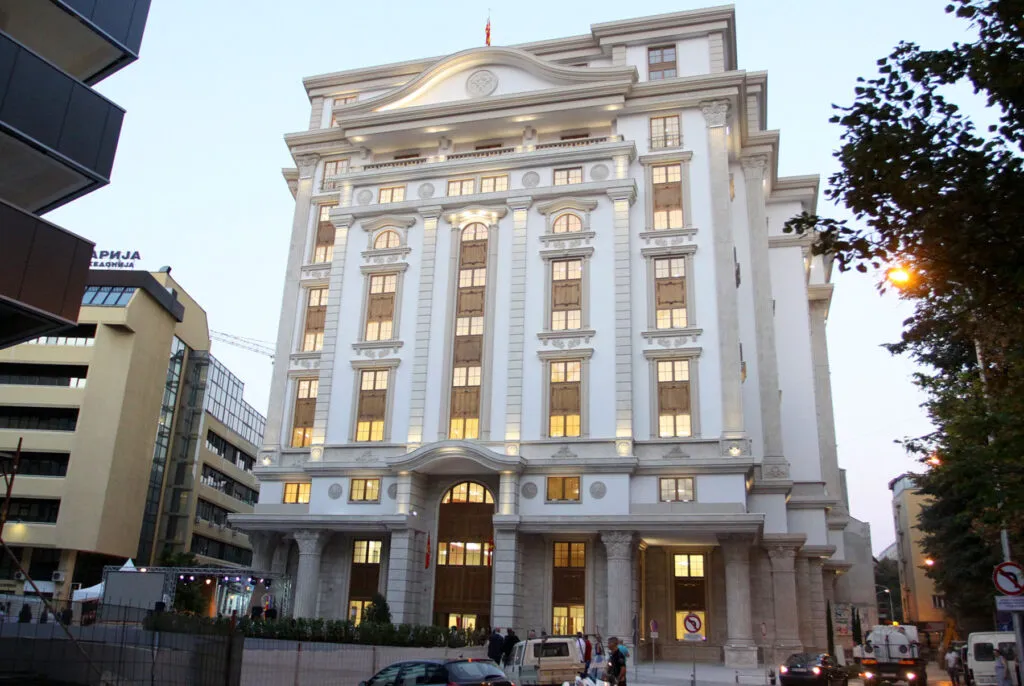
The government has adopted a proposal for a second revision of the 2026 Budget, just a few months after the July one. Planned revenue is being cut from 379.5 to 374.2 billion denars - a reduction of 5.31 billion denars, or about 86.3 million euros. Spending drops from 425.8 to 420.5 billion denars, by 5.27 billion, or about 85.8 million euros.
The explanation is the reduced excise duty and VAT on fuel - measures which, according to the government, soften price shocks for citizens and businesses. The announcement, however, doesn't say which spending items will absorb the cuts. The proposal now goes to Parliament.
The deficit is already spent
The government stresses that the deficit remains unchanged at 4.1 percent of GDP, or about 46.3 billion denars. But that is already an inflated figure: the original budget projected a 39.2-billion-denar deficit, and the July revision raised it by another 7 billion.
Reality is even less comfortable. According to the Finance Ministry's fiscal counter, as of October 6 revenue stands at 267.5 billion denars and spending at 317.7 billion. That's a deficit of 50.2 billion denars, or about 817 million euros - almost 4 billion denars above the annual plan the government says it is keeping. To get back to the plan, the state will have to collect around four billion denars more than it spends in the last months of the year.
"Badly planned revenue"
Economists aren't impressed. Former finance minister Nikola Popovski warns that a second revision is not a good look for the economy, that funding for spending in the last quarter will be limited, and that infrastructure investment financed by foreign loans will push public debt up further. Economic analyst Siniša Pekevski is even more direct: "Planned revenue was badly planned, and that's why there's a second revision, while there's no major crisis situation."
Two budget revisions in one year, and no major crisis, as Pekevski points out. Is the problem really the price of fuel - or the numbers written down at the start of every year in the hope that they'll somehow work out?
The latest 10 news from this category
Monthly inflation is zero, but food went up 0.5 percent, for the second month in a row. The prime minister...
3.3 million passengers in nine months and 29 percent growth. But almost two out of every three passengers in Skopje,...

Built to protect teenagers from emotional dependence, the bot answered the line "my friends say I talk to you too...
Nine out of ten of the fund's investments are outside the US, and Europe got 12 new investments in six...
The feature that sandboxes AI agents is coming to every Windows 11 PC, but the machines Microsoft is using to...
We went from a lower- to an upper-middle-income country, then stood still for 17 years. Meanwhile Albania, Serbia and Montenegro...
The prime minister says pensioners have nothing to worry about. The Fiscal Council calculates a hole worth 5.2% of GDP....
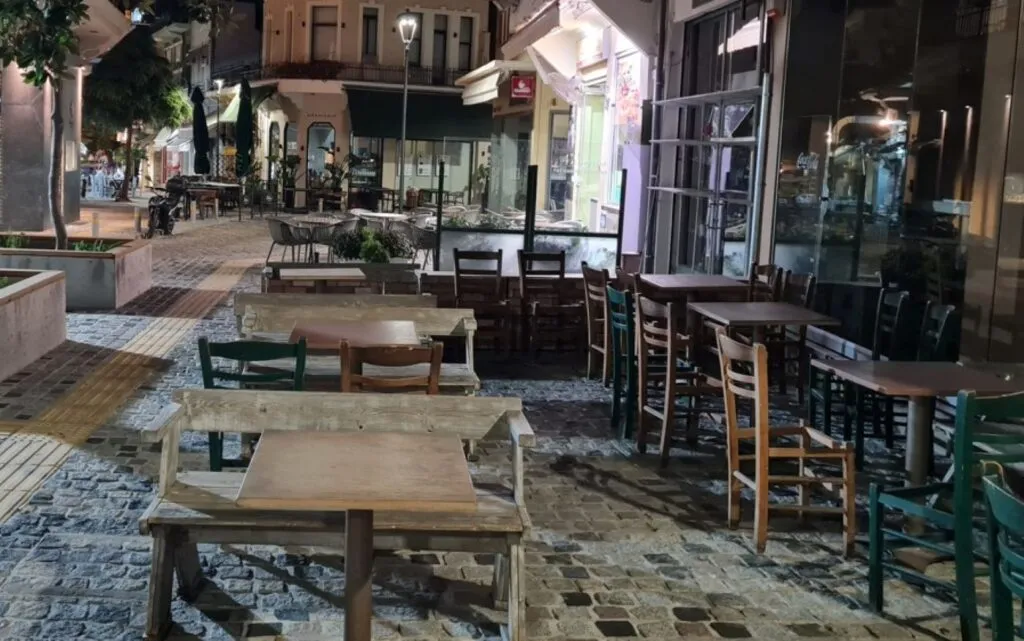
The statistics say price growth is slowing. The customer at the table sees something else: alcoholic drinks up 5.7%, food...

A post with over a million views showed what Amazon pulls out of every order. One pair of leggings -...

Their first idea had no future, so the three founders torched it. The second hit over a million dollars in...
This site uses cookies - is that okay? Learn more
Be the first to know when Metla launches something new
Leave your email and we will write when there is a new guide or something new on Metla.