

Head of Bitola's Higher Prosecution Office Loses His Passport: Suspected of Lobbying for Lighter Sentences in at Least Four Cases
08.10.2026


08.10.2026

08.10.2026

08.10.2026
08.10.2026
08.10.2026
08.10.2026

08.10.2026

08.10.2026

07.10.2026
08.10.2026
08.10.2026

07.10.2026

08.10.2026

08.10.2026

08.10.2026
08.10.2026

07.10.2026

06.10.2026

08.10.2026

08.10.2026

08.10.2026

08.10.2026

07.10.2026
07.10.2026

09.03.2026

27.02.2026

19.02.2026

08.10.2026

07.10.2026

06.10.2026
08.10.2026

06.10.2026

05.10.2026

23.04.2026

23.04.2026

12.04.2026

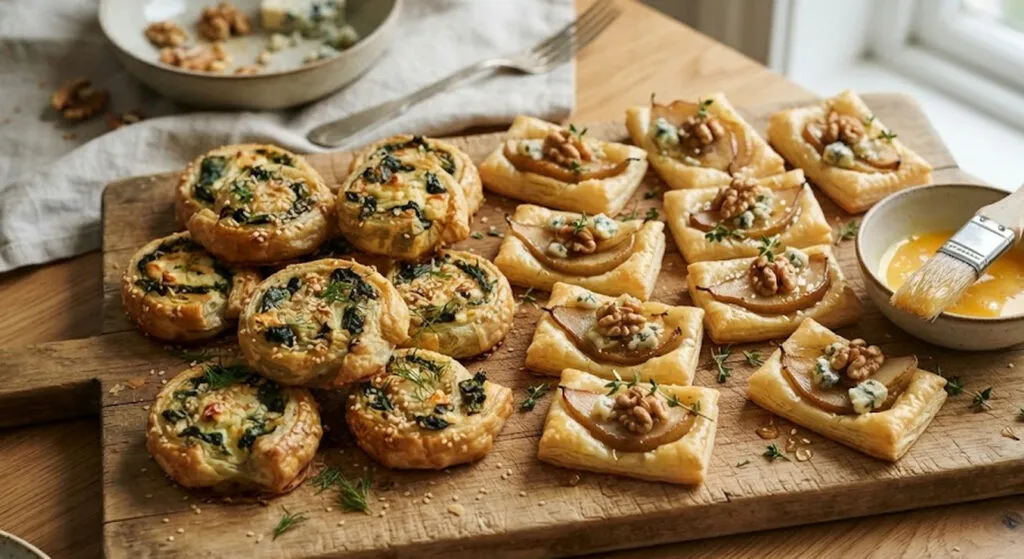
The Balkans know everything about layered dough - pita, burek, zelnik. But puff pastry is a different story: it isn't sheets of filo stacked one on top of another, but dough and butter folded over and over until they become hundreds of thin layers. And although we mostly associate it with sweets, it's one of the most rewarding ready-made doughs you can buy for savoury bites.
According to legend, puff pastry was born from a mistake. Around 1613, French pastry cook Claude Gellée, also known as Claude Lorrain, forgot to add fat to his cake dough. To fix it, he rolled out the dough, added the fat, then folded and rolled it out again several times. The result is the technique we still use today.
Why does it puff up? The secret lies in the alternating layers of dough and fat. In the oven, the water in the dough turns to steam, which gets trapped between the layers, separating them and lifting them up. That's where all the rules come from - every one of them protects exactly those layers:
1. The dough must be cold. When it's cold it's much easier to work, and the layers keep their structure. 2. Work fast and handle it little. Once you unroll it, don't stretch or knead it unnecessarily. 3. Cut decisively. A clean cut, without dragging the knife, especially if you're using cutters - otherwise the edges stick together and don't rise. 4. Don't overload it. Too much filling, especially a wet one, stops the dough from baking through. 5. Brush with egg for a shiny, golden surface. 6. Preheat the oven well - you need a high temperature so the water turns to steam quickly. 7. Don't open the door in the first part of baking, because the drop in temperature stops it rising. 8. Leave space between the pieces, because they grow.
Spinach and feta spirals. You need one sheet of puff pastry, 300 grams of frozen spinach, 100 grams of feta cut into half-centimetre cubes, 100 grams of grated Parmesan, a clove of garlic, 30 grams of olive oil and one egg. Cook the spinach, squeeze it out well and sauté it with the garlic and oil, then leave it to cool for about half an hour. Brush the pastry with beaten egg, spread the spinach over it leaving a 2-centimetre strip empty along one long edge, and sprinkle with the Parmesan and feta. Roll it up like a Swiss roll, cut into 1.5-centimetre slices, lay them on baking paper, press lightly and brush with egg again. Bake for 20 minutes at 200 degrees, until golden.
Pear, walnut and gorgonzola tartlets. Cut one rectangular sheet into eight equal rectangles and prick them with a fork - except for the edges, so those rise. Brush with egg, and in the middle arrange thin slices of 2 pears, 75 grams of gorgonzola, a little onion cut into thin strips, 40 grams of chopped walnuts and 3 teaspoons of honey. Soak the walnuts in water first so they don't burn. Bake for about 15 minutes at 200 degrees, until the pastry turns golden.
The same logic works for several other combinations: ham and cheddar rolls, palmiers with Spanish sausage, puff pastry cones filled with salad, puff pastry squares with tomato and cheese, or with sardines and cherry tomatoes. One sheet, a hot oven and a closed door. Everything else is improvisation.
The latest 10 news from this category
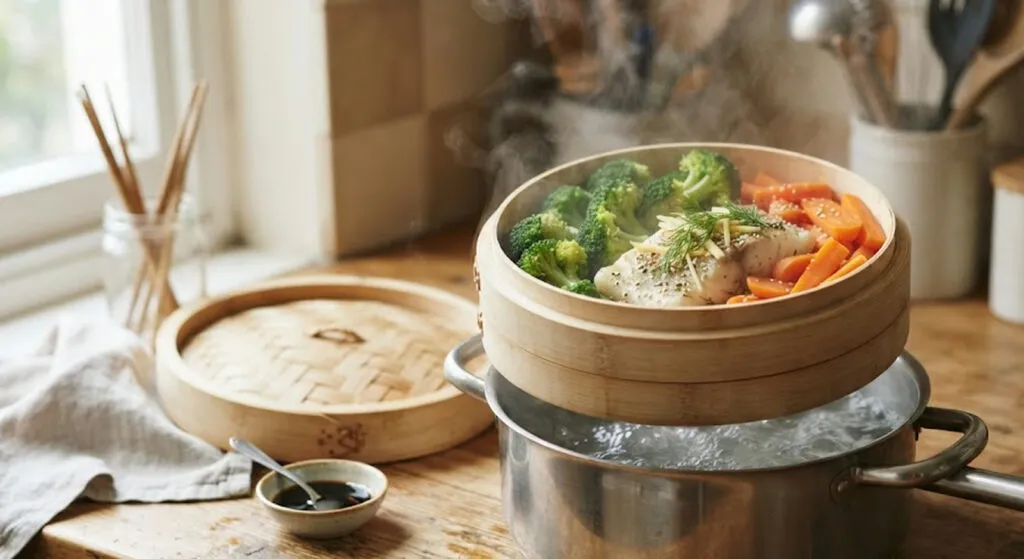
If "steamed" means bland hospital vegetables to you, the problem isn't the technique - it's the minutes. Here are the...
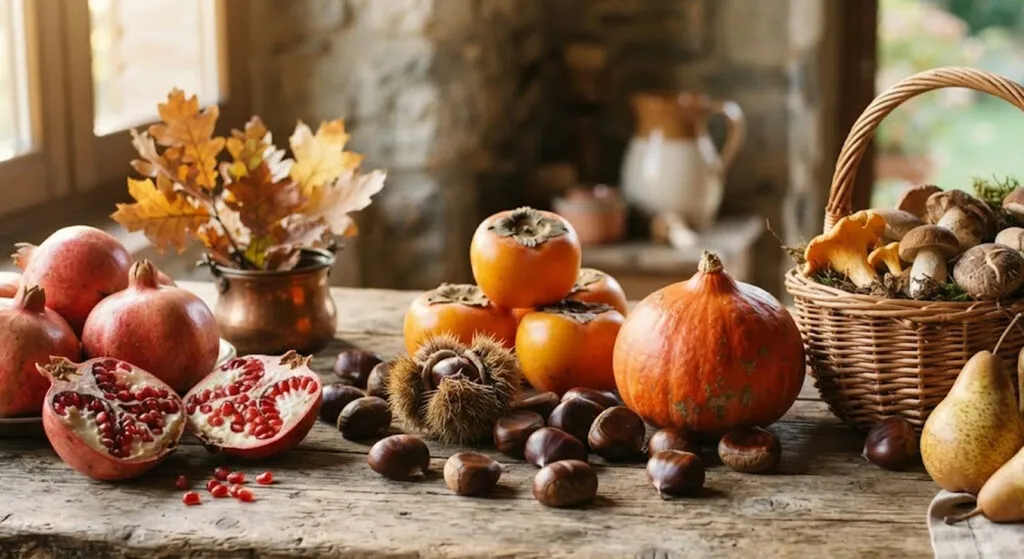
The markets are filling up with quinces and pumpkins, hunting season is opening, and after the first rains the mushrooms...

The world's fifth-best restaurant isn't closing because of empty tables, but to have time to think. The team's wages keep...
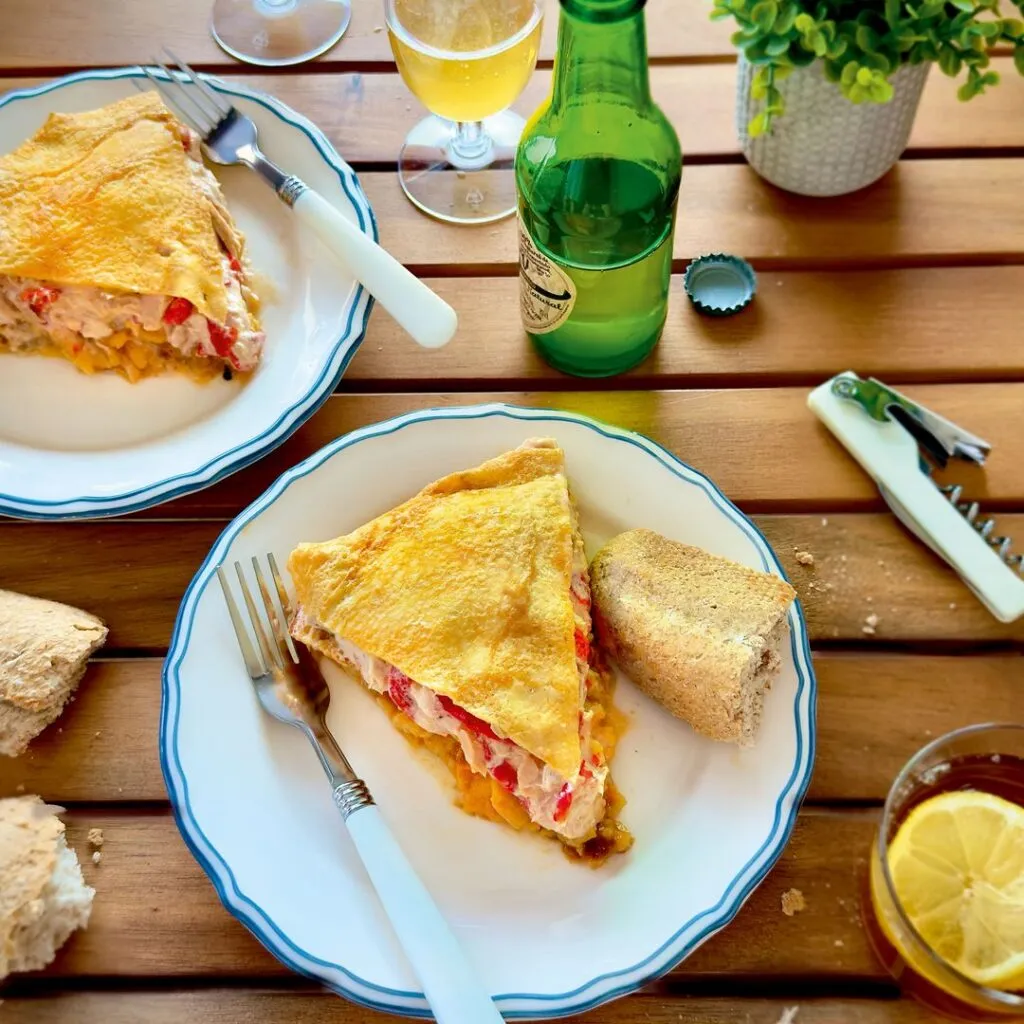
The potato isn't fried brown, it is slowly poached in oil - that is the base. Then comes the "hat":...
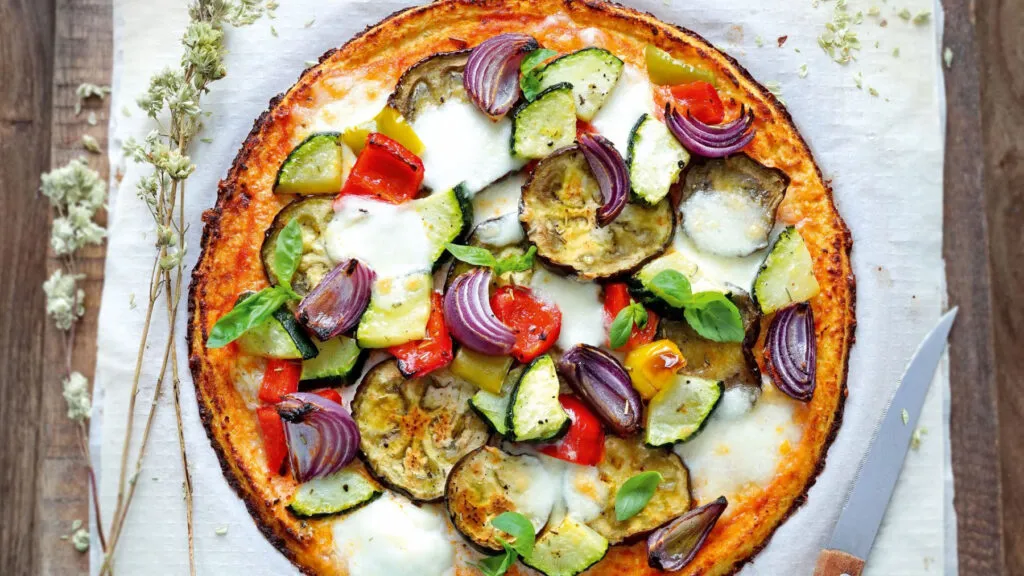
We reduced cauliflower to boiled greens with béchamel. But it can be a crispy pizza base and a "steak" you...
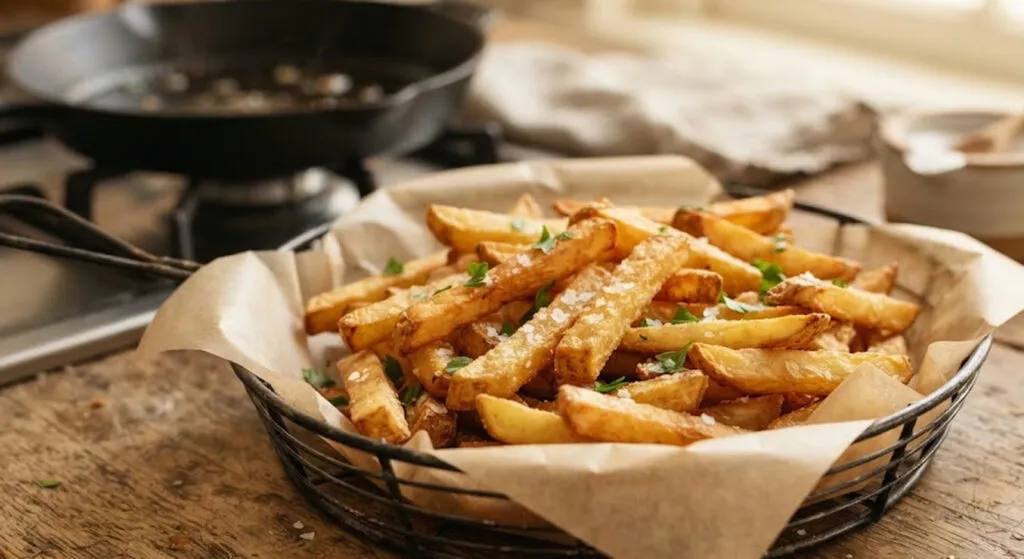
The right potato, half an hour in cold water, and salt the moment they come out of the oil. Five...
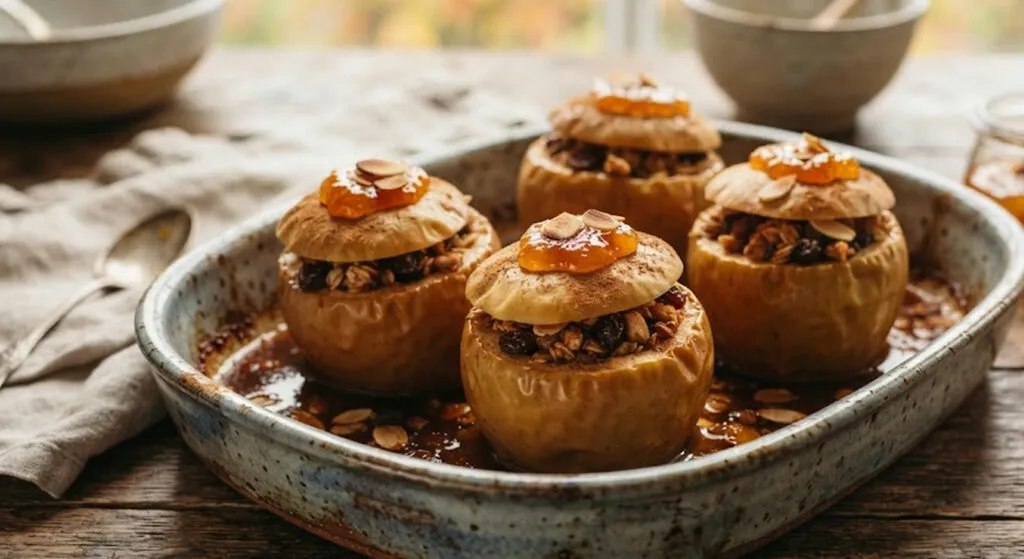
One hour at 200 degrees and the autumn dessert is done. The secret is in choosing the apple - and...
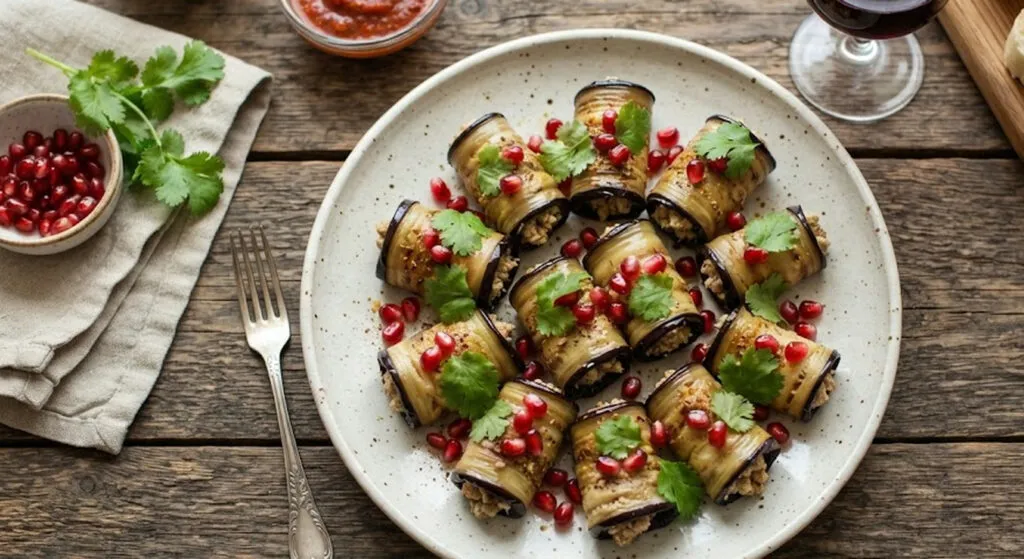
Aubergine, walnuts, garlic and coriander - ingredients autumn brings to every market. The Georgians turn them into one of their...
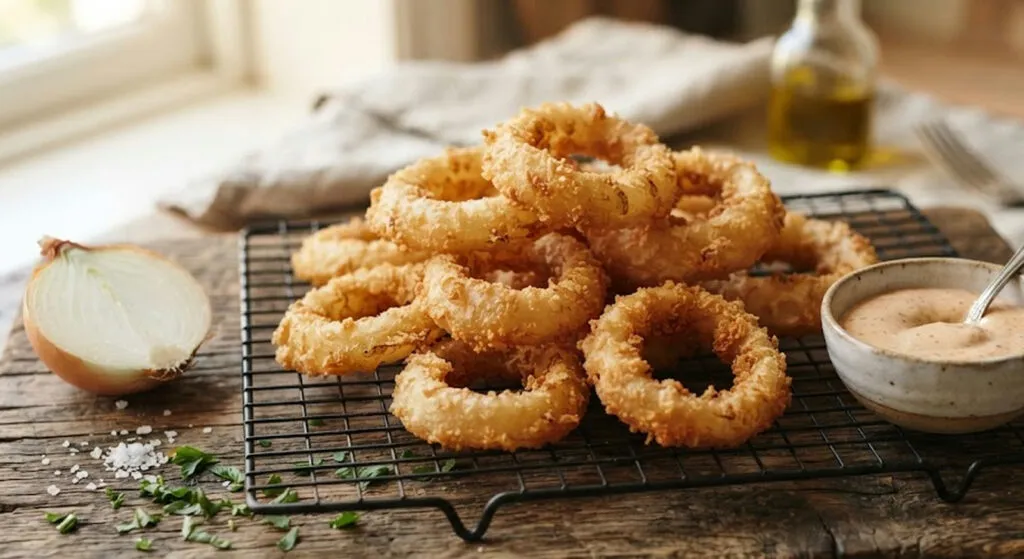
The cheapest bar snack there is gets ruined by one mistake - an overcrowded pan. Ice-cold sparkling water, cornflour and...
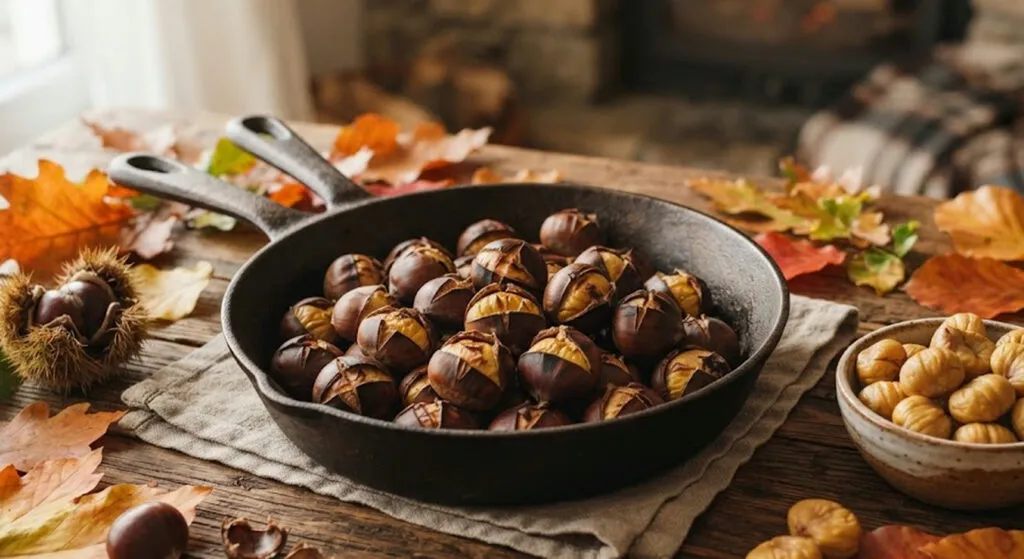
Here, a chestnut usually means a paper bag from a street vendor. But it can go into porridge, salads, cream...
This site uses cookies - is that okay? Learn more
Be the first to know when Metla launches something new
Leave your email and we will write when there is a new guide or something new on Metla.