
Senior prosecutor's office in Bitola searched: unofficially, the trail leads to Markovski's passport
07.10.2026


07.10.2026

07.10.2026

07.10.2026
07.10.2026

07.10.2026

07.10.2026

07.10.2026

06.10.2026

06.10.2026

07.10.2026

07.10.2026

06.10.2026

07.10.2026

07.10.2026

07.10.2026
07.10.2026

06.10.2026

05.10.2026

07.10.2026

07.10.2026

07.10.2026

07.10.2026

07.10.2026

06.10.2026

09.03.2026

27.02.2026

19.02.2026

07.10.2026

06.10.2026

05.10.2026
06.10.2026

05.10.2026

04.10.2026

23.04.2026

23.04.2026

12.04.2026

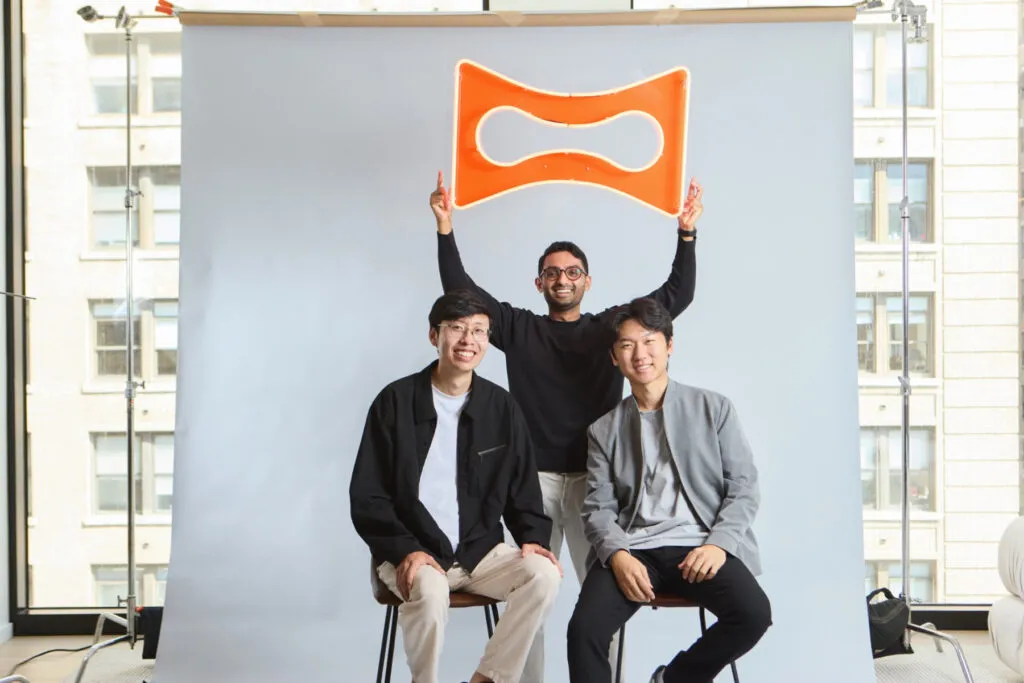
New York startup Melius has raised a total of 25 million dollars (about 21.5 million euros): 20 million dollars in a Series A led by CRV and 5 million dollars in seed funding from General Catalyst. The AI platform generates ad campaigns, images and videos, and describes itself as "an agentic lab for creative work".
More interesting than the money is how they got there. The three founders - Joon Kim, Young Kim and Arnav Ramu, former engineers at Ramp, the corporate spend software company - set out more than a year ago to build a tool that helps marketers spend ad budgets more smartly. After more than six months of work, they concluded the idea "had no legs". "We threw out all the code, we burned it all down," says Joon Kim.
Instead of helping others manage their advertising, they decided to make it themselves - the copy, the images, the videos. According to the company, within two months of coming out of stealth in July, they had reached more than a million dollars in annualised revenue. That's a figure the startup reports itself, not an auditor.
The competition isn't small. Higgsfield, a three-year-old company, was valued at 5.4 billion dollars (about 4.65 billion euros) in August and has over 700 million dollars in annualised revenue. Smaller players Krea and Flora AI are in the same market. Kim admits Higgsfield is "growing like crazy", but he isn't worried: "There are a lot of players, which is exciting. It means there are customers to win and demand in this space." The market may be big enough for everyone today - how many will be left when the shake-out comes?
Why are engineers from financial software building a video tool? Kim, who describes himself as an influencer, says he dreamed of becoming a famous YouTuber ever since primary school. "I tried to make vlogs. My dad was great with Final Cut Pro, and I wasn't," he says. The vlogs didn't work out, but now he's building the tool he always wanted: a platform where anyone, even experienced creative directors, turns ideas into ads using plain language.
For marketing agencies in the Balkans that sell hours of filming and editing, this is a message worth reading twice. If one sentence is enough for a whole campaign, what will an editor's day of work be worth?
The latest 10 news from this category

Andreessen Horowitz is leading the round, and the box promises your data stays with you alone and that it will...

Almost a billion dollars raised, a waiting list of 300,000 people and a check-up insurance doesn't cover. Preventive medicine, or...

The first third of the plant is switched on, the target is 100 megawatts, and the site could reach 4...
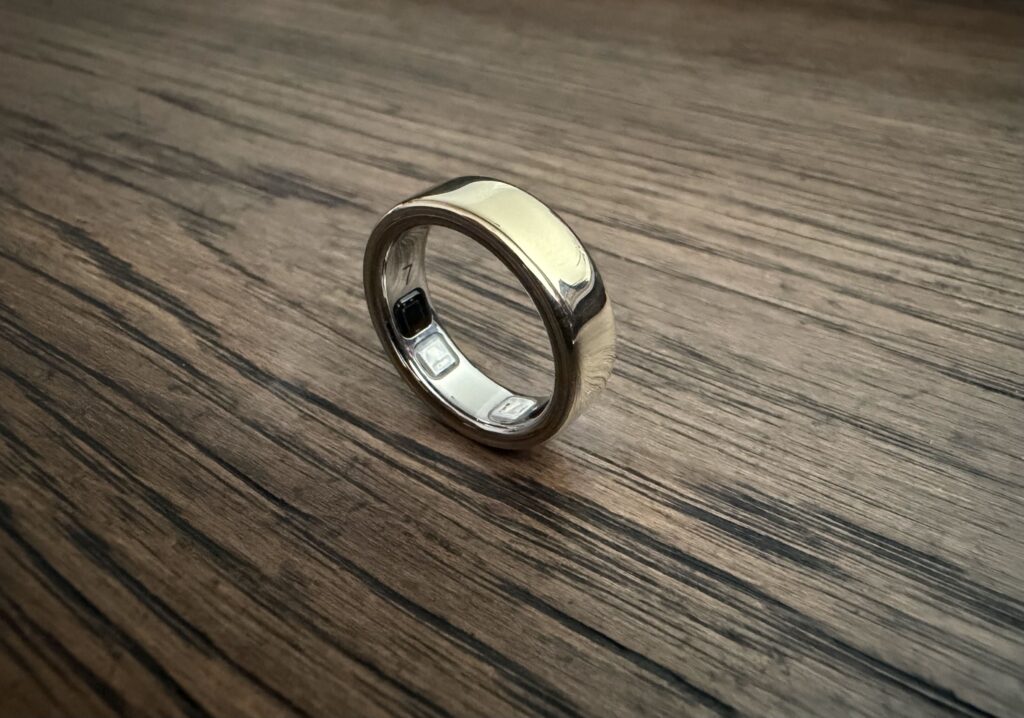
Expected revenue growth of 90 percent, 5.7 million paying members, 372 million dollars in the bank - and yet the...
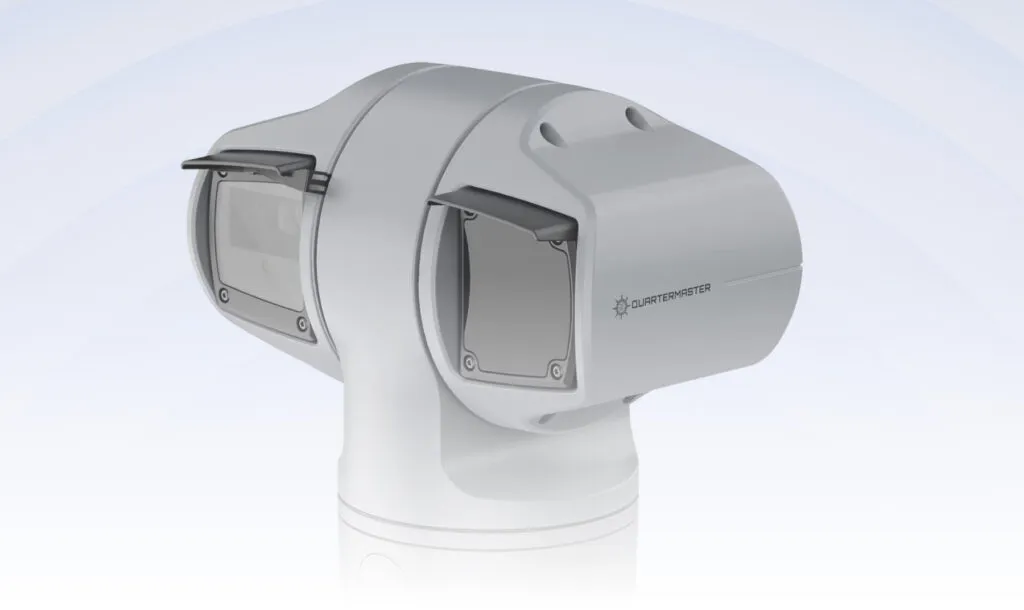
For decades, ships have reported only with a location signal. Now someone is putting eyes on the mast - and...
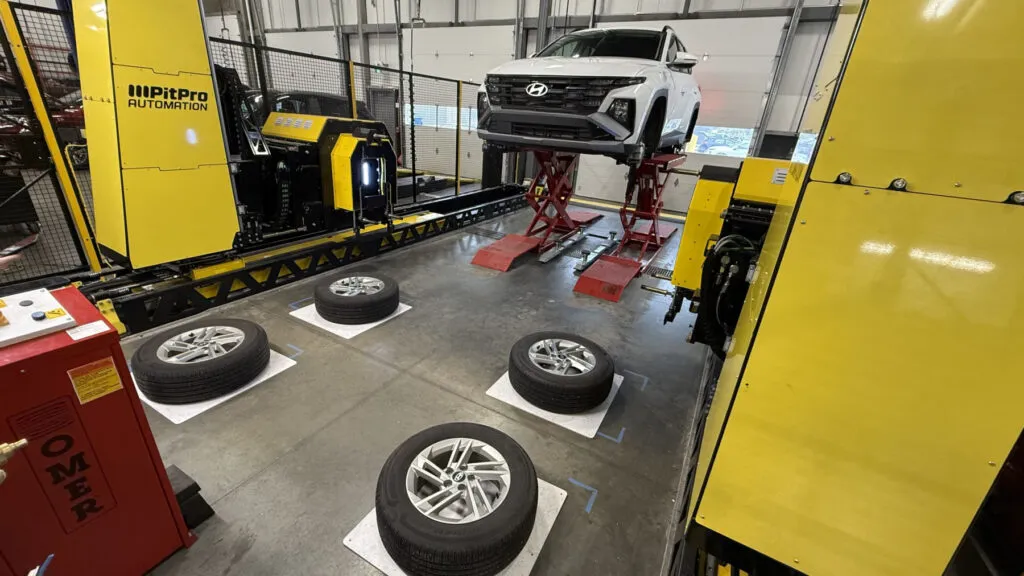
One manager had to ask for special permission to pay staff more after a fast-food restaurant across the street took...

A test that until now was done by elite athletes in labs is supposed to reach gyms, with no operator...
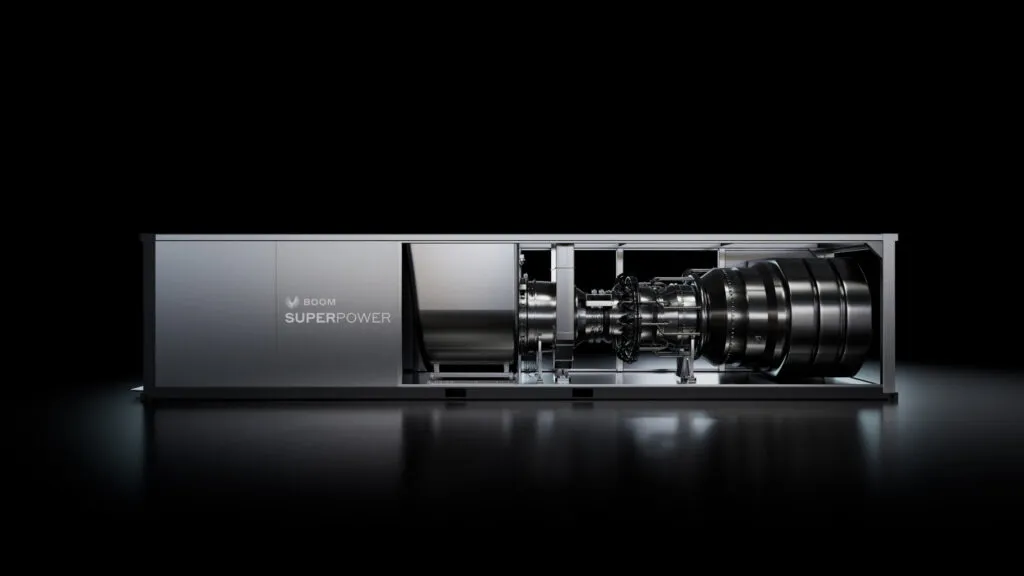
The supersonic jet maker wanted to fund its planes with electricity for data centres. Its launch partner walked away before...

You say what you want, the machine builds the app - and investors are paying more and more for it....
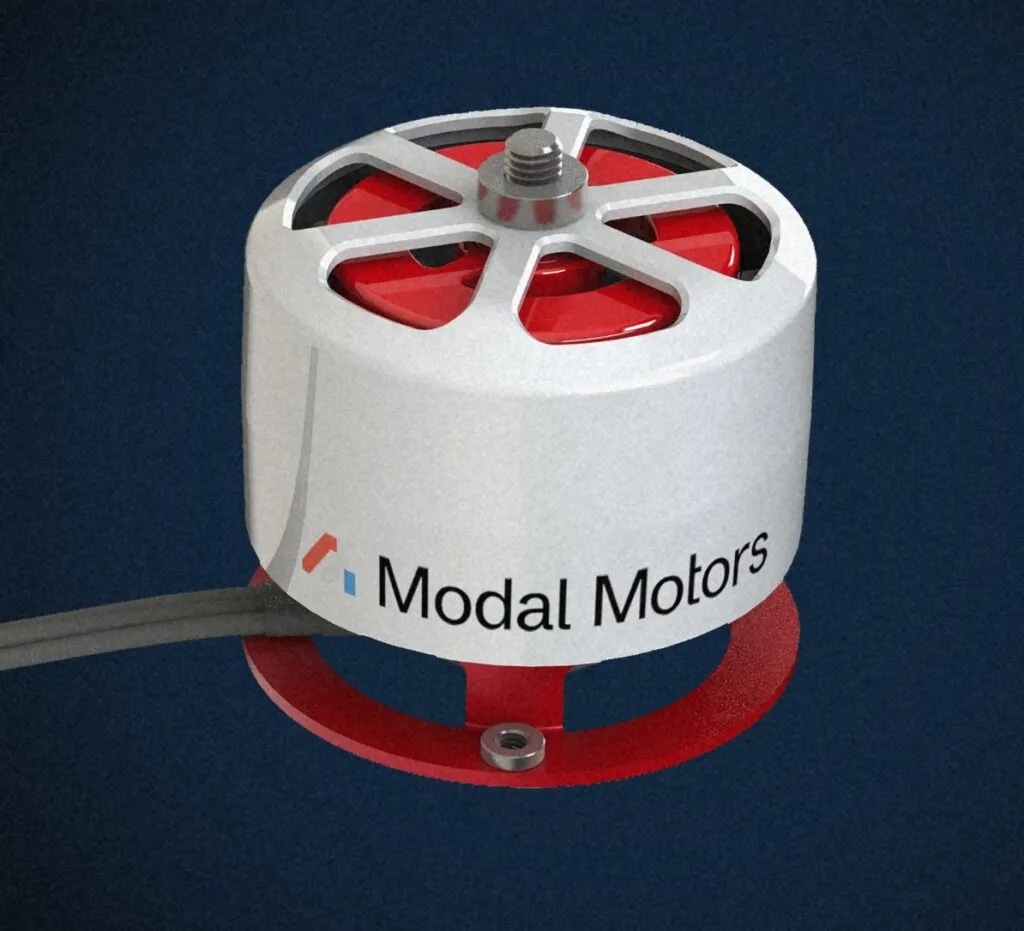
While others copy Chinese motors on American soil and wait for domestic magnets, Modal Motors is taking rare earths out...
This site uses cookies - is that okay? Learn more
Be the first to know when Metla launches something new
Leave your email and we will write when there is a new guide or something new on Metla.