
Police officer from Drachevo drove without ever passing a driving test: Who checks the people who check everyone else?
18.10.2026


18.10.2026
18.10.2026
18.10.2026
18.10.2026
18.10.2026
18.10.2026

18.10.2026

18.10.2026

18.10.2026

18.10.2026

18.10.2026

17.10.2026

18.10.2026

18.10.2026

18.10.2026

18.10.2026

17.10.2026

16.10.2026

18.10.2026

18.10.2026

18.10.2026

18.10.2026

18.10.2026

18.10.2026
18.10.2026

18.10.2026

17.10.2026
17.10.2026

15.10.2026
13.10.2026

23.04.2026

23.04.2026

12.04.2026

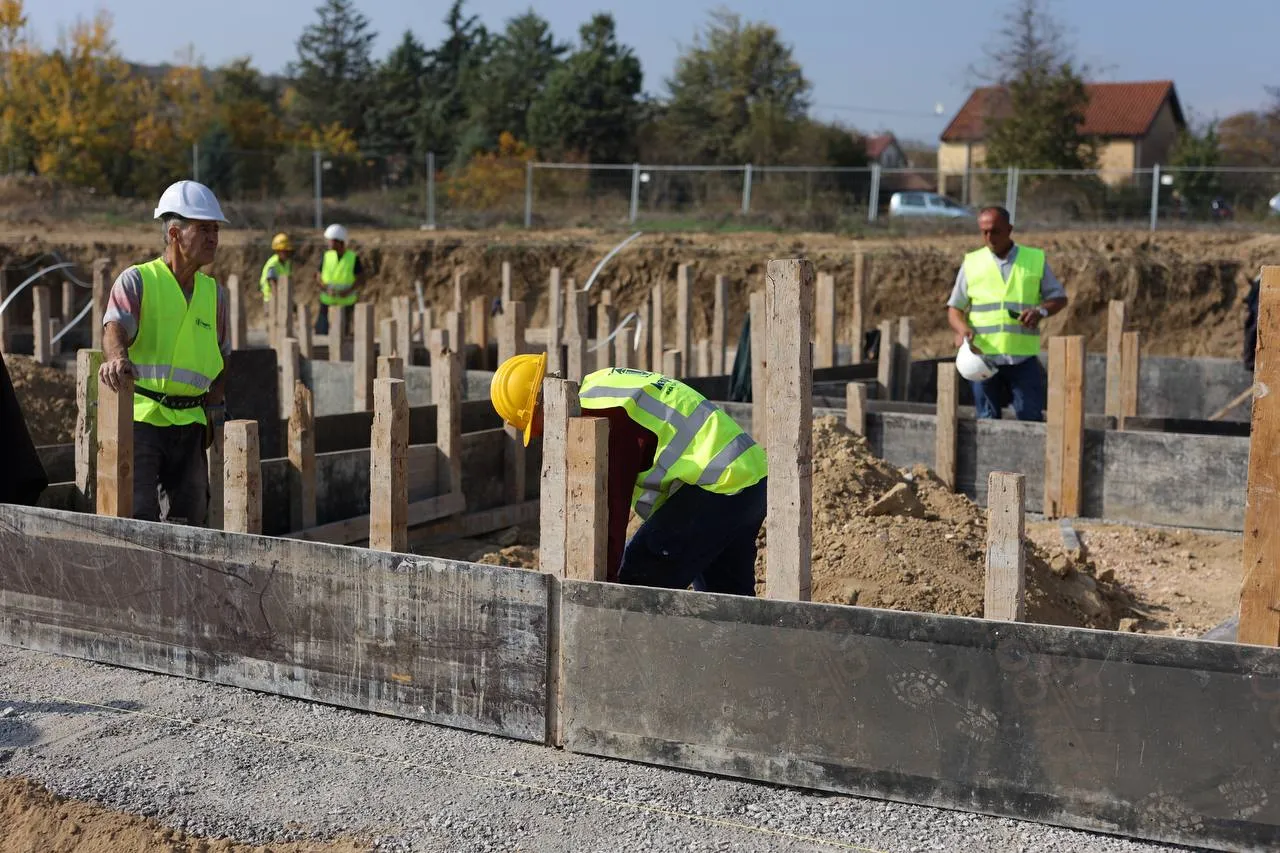
Unemployment fell to 11.3 percent. The government can put that on a billboard. But in the same quarter the number of informally employed people reached 101,022 - more than all the officially unemployed in the country, who number 90,020.
So there are more people working without a contract than people with no job at all. That is the figure that describes the real state of the labour market, not the rate on the billboard.
According to the State Statistical Office data for the second quarter of 2026, the active population stands at 798,718 people, of whom 708,698 are employed. Compared with the same period last year, the number of employed rose by one percent, and the number of unemployed fell by 1.5 percent. The activity rate is 52.5 percent, the employment rate 46.6 percent.
Where the grey hundred thousand actually work
Informal employment grew by 7.2 percent compared with the previous quarter. The largest share - 51,487 people, or 51 percent - works in agriculture, forestry and fishing. A further 17.2 percent are in construction.
Both sectors are seasonal, which means part of the jump was expected. But the seasonal argument explains why the number rises in summer, not why a hundred thousand people working off the books exist in the first place. They accrue no service years, they get no sick leave, they build no basis for a pension. Their work goes into GDP but into none of their own personal documents.
Informal employment is not just undeclared work in the narrow sense. It covers workers with no formalised contract, the self-employed in informal economic units, and unpaid family workers - the woman who spends the whole year working a field that is not hers, the son helping out at his father's construction firm.
Who is left outside
Youth unemployment among 15 to 29-year-olds reaches 24 percent - double the national average. Women's participation in the labour market is 43 percent, against 62.4 percent for men. Among the unemployed, 63.6 percent are men and 36.4 percent women. Among the employed - 57.7 percent men, 42.3 percent women.
And that 11.3 percent rate, read here as a success, is nearly double the European Union average, which in June stood at six percent, or 6.3 percent in the eurozone.
The number is falling. The question is whether it is falling because people are finding work, or because they are giving up on registering as unemployed - and heading out to a field where nobody counts them.
The latest 10 news from this category
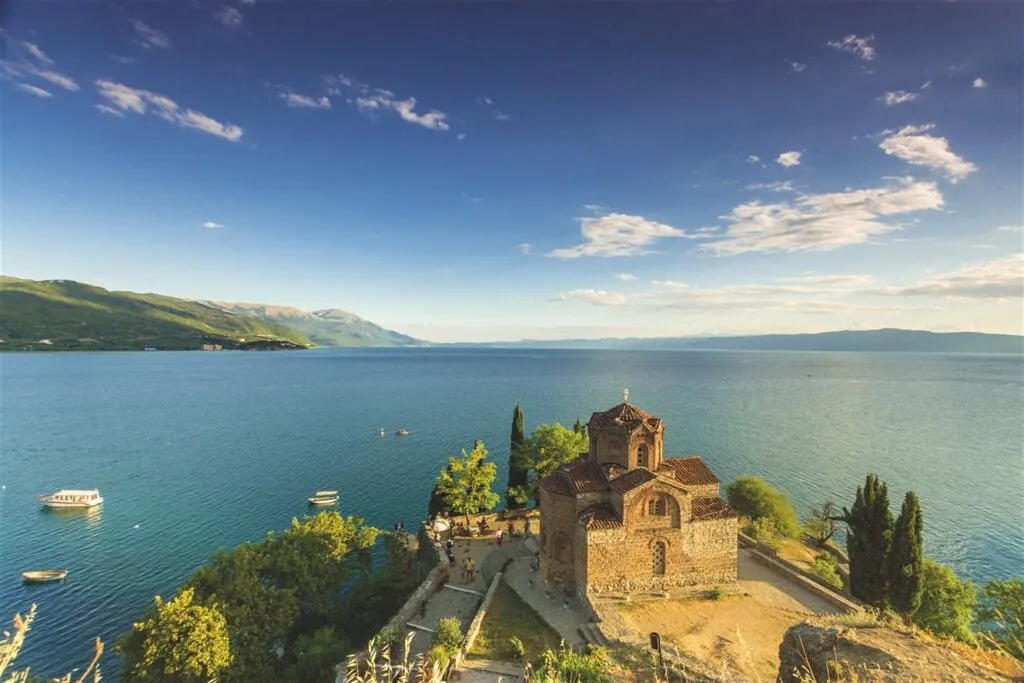
In August Macedonia had 131,076 foreign guests, while the Belgrade region alone had 154,267. Foreigners stay with us for about...
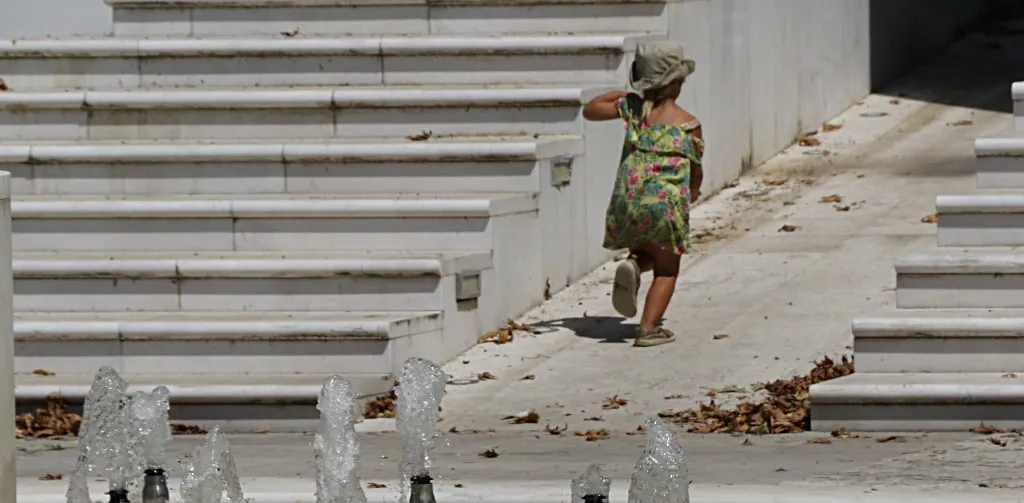
Only 19 percent of households with children receive child benefit, compared with 88 percent in the EU. The Platform Against...
One of Anthropic's five biggest customers turned its back on stage, then started softening the words. When the default choice...
From unicorn to bankruptcy in five years: Google took the founders back, Disney takes part of the assets, and the...

A car that hops over trucks on compressed air and arrives in 2028 - unless it slips again. The deposit...

ESM currently sells electricity at 65 euros per megawatt-hour, while on European exchanges the price tops 200 euros. The PM...
Over 122 tonnes of animal-origin food were sent back from the border, and imports of another 21 tonnes were banned....
The draft law is in Parliament and closes the nationalisation story. Instead, the state offers a choice of risk, with...
The agents didn't break anything - they used passwords someone had left in a public place. And India learned of...

Fakes have become so good they've earned their own name. Veritas offers a chip built into the product, and it's...
This site uses cookies - is that okay? Learn more
Be the first to know when Metla launches something new
Leave your email and we will write when there is a new guide or something new on Metla.