


Police officer from Drachevo drove without ever passing a driving test: Who checks the people who check everyone else?
18.10.2026


18.10.2026

18.10.2026

18.10.2026

18.10.2026
18.10.2026

18.10.2026

18.10.2026

18.10.2026

18.10.2026
18.10.2026

18.10.2026

17.10.2026

18.10.2026
18.10.2026
18.10.2026
18.10.2026

17.10.2026

16.10.2026

18.10.2026

18.10.2026

18.10.2026

18.10.2026

18.10.2026

18.10.2026
18.10.2026
18.10.2026

17.10.2026
17.10.2026

15.10.2026

13.10.2026

23.04.2026

23.04.2026

12.04.2026

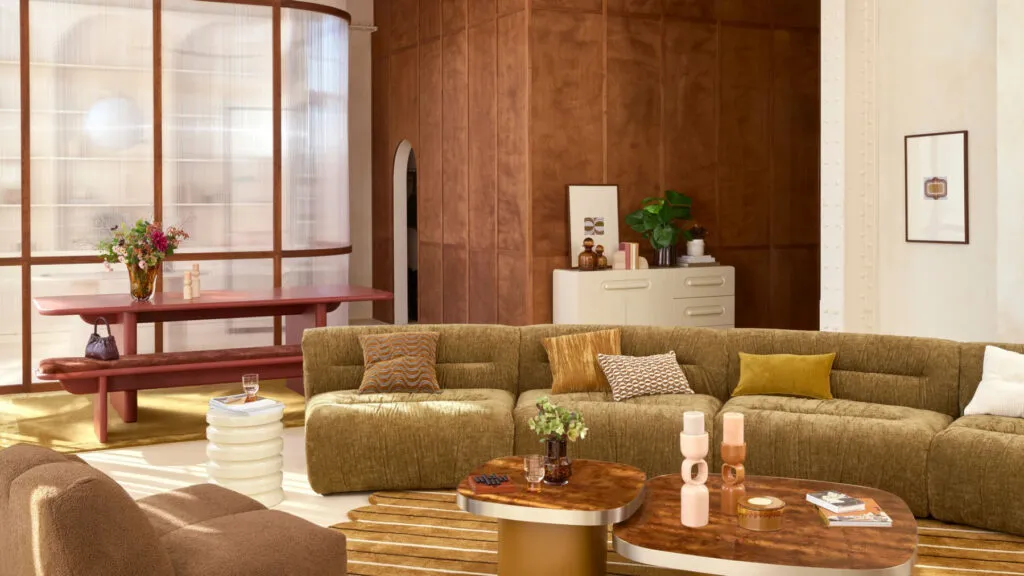
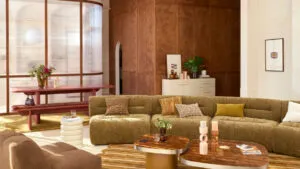
Did your parents' or grandparents' living room also have a dark wood wall unit, a velvet armchair and something orange? Designers say living rooms in 2026 are going right back there - to the seventies. But not as a museum. The goal isn't to reconstruct a decade, but to borrow its warmth and blend it with today.
Dark wood without fear. After years of white, grey and light oak, wood is getting darker again. Dark wooden surfaces and warm brown tones wrap the walls, shelves and furniture. You don't need a whole room of wood panelling - one wall or one big shelving unit is enough to give the room the muted warmth of old apartments.
The sofa loses its corners. The easiest way to bring in the spirit of the seventies is at least one seat with curved lines. Curved sofas and armchairs soften the room and make it more inviting for conversation. It doesn't have to be an expensive designer model - what matters is the shape, not the label.
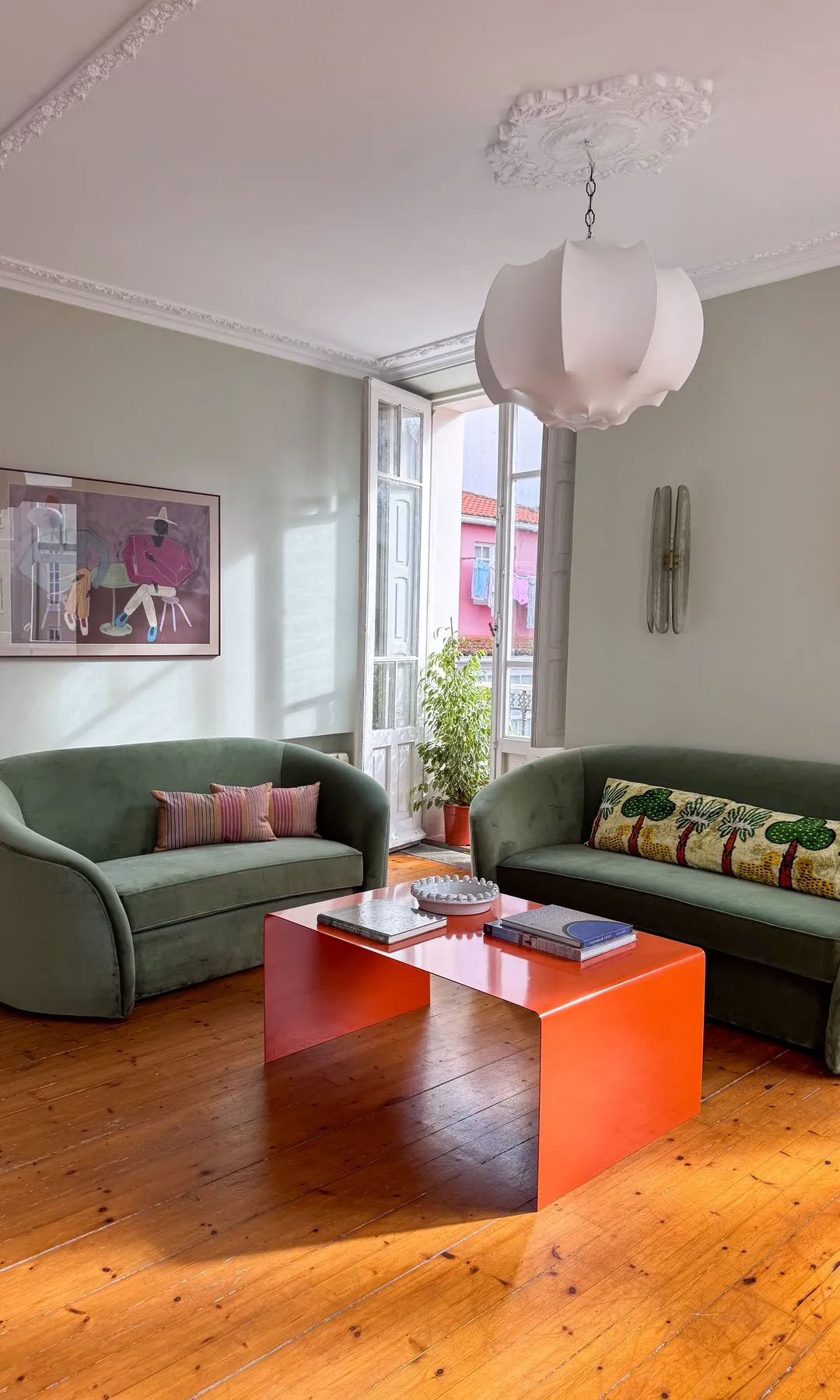
Orange, mustard, olive and brown. The decade's palette is earthy and warm. You don't need all of it at once: one mustard sofa, olive cushions or a rug in brown tones are enough. The secret is moderation - one or two dominant colours, with the rest calm and neutral.
Corduroy and velvet, but more sophisticated. Textured fabrics are back. Corduroy on the sofa, velvet on the armchair, and it's not a rerun of the old three-piece suite - but materials that make the room pleasant to the touch. That's where the difference lies between retro style and old furniture that has simply changed address.
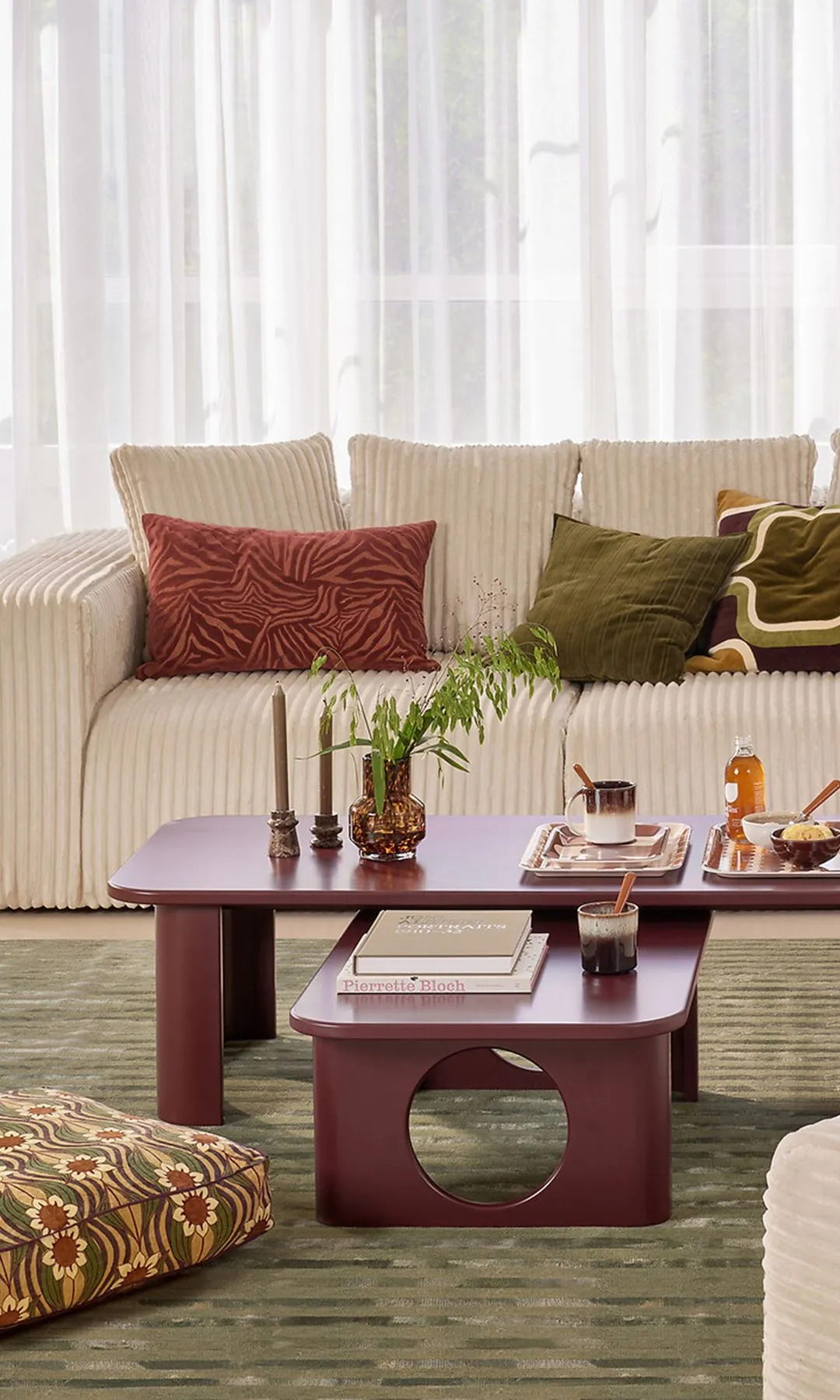
Geometry in small doses. Circles, wavy lines and graphic patterns are part of the decade, but today they're used sparingly - on a rug, a cushion or a picture, not everywhere. A whole room of patterns quickly becomes tiring on the eye.
Chrome shines again. Chair legs, table frames, lamps - chrome and metal details are back, but as an accent, not the main theme. Combined with dark wood they create a contrast that freshens up the room.
One design piece can tell the whole story. Instead of a complete transformation, one armchair, lamp or coffee table with a recognisable shape from that era is enough. It becomes the centre of the room, and everything around it can stay contemporary.
Lacquer, gloss and burgundy. For seventies glamour: lacquered surfaces, glossy finishes and tones like burgundy and garnet. One lacquered shelf or a wine-coloured coffee table gives the room an evening, slightly theatrical tone.
The living room is for conversation again. Perhaps the most important lesson from the seventies isn't aesthetic. The lounge is being reimagined as a place for conversation, with seats facing each other. A layout that gathers people around the coffee table rather than the TV is the trend that costs the least - and is worth the most.
Mix eras, don't reconstruct a decade. The key is the mix: a seventies piece next to contemporary furniture and something inherited from the family. If your grandmother's old armchair is sitting somewhere in the basement or the attic, maybe it's time to bring it out - reupholstered in new fabric and with a bit of courage.
The latest 10 news from this category
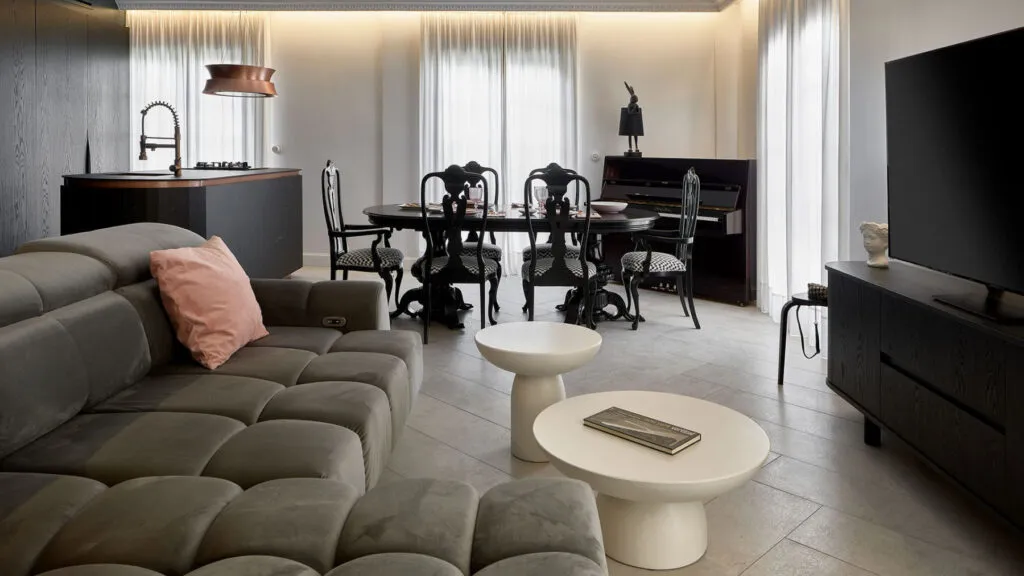
Dark colours supposedly make a room smaller. Designer Juancho González proved the opposite - with white walls, a mirror in...
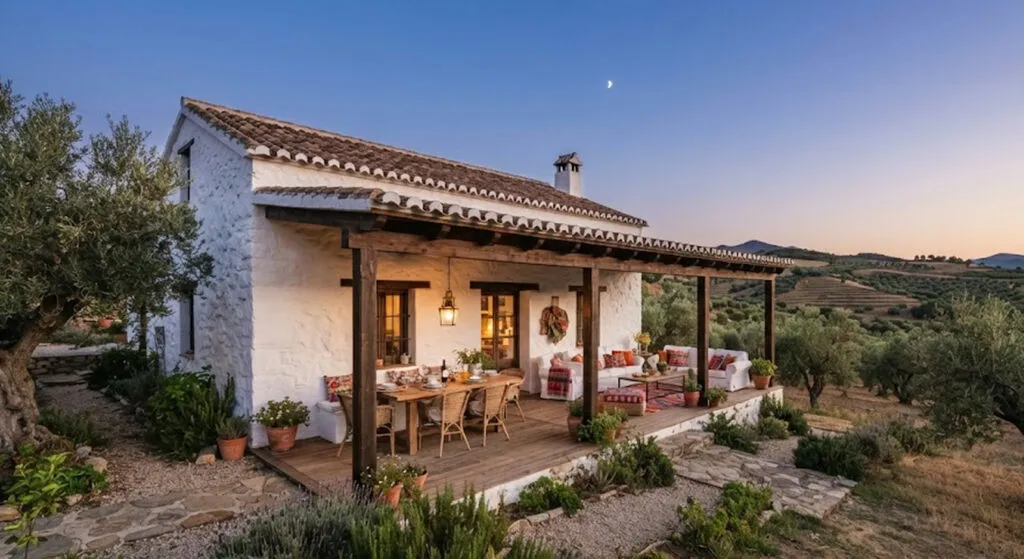
An estate bought the year he became a matador, century-old olive trees and a kitchen with velvet armchairs. How El...
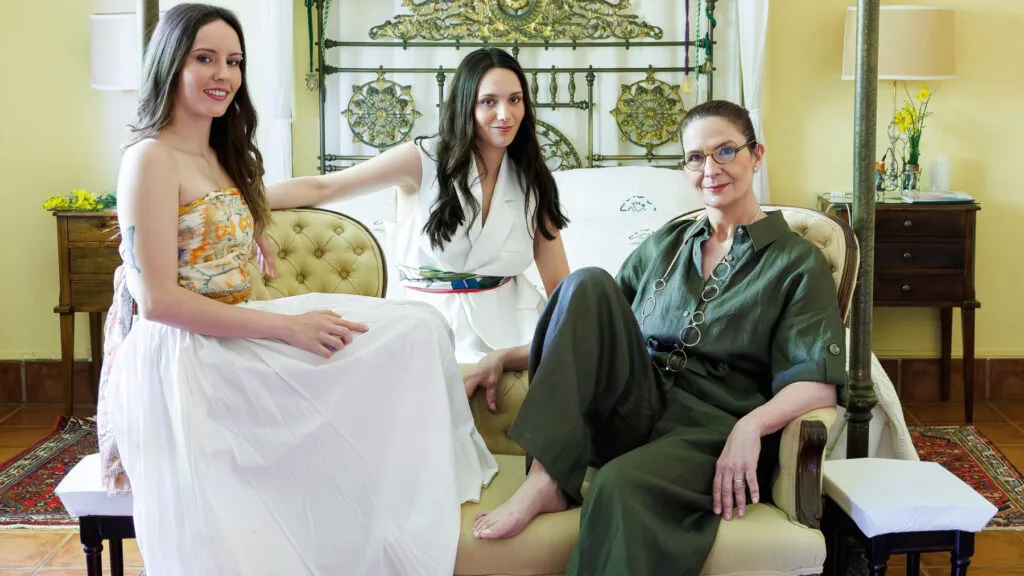
The lower cost of living in the countryside, she says, gives them "ten times more things". A home assembled over...
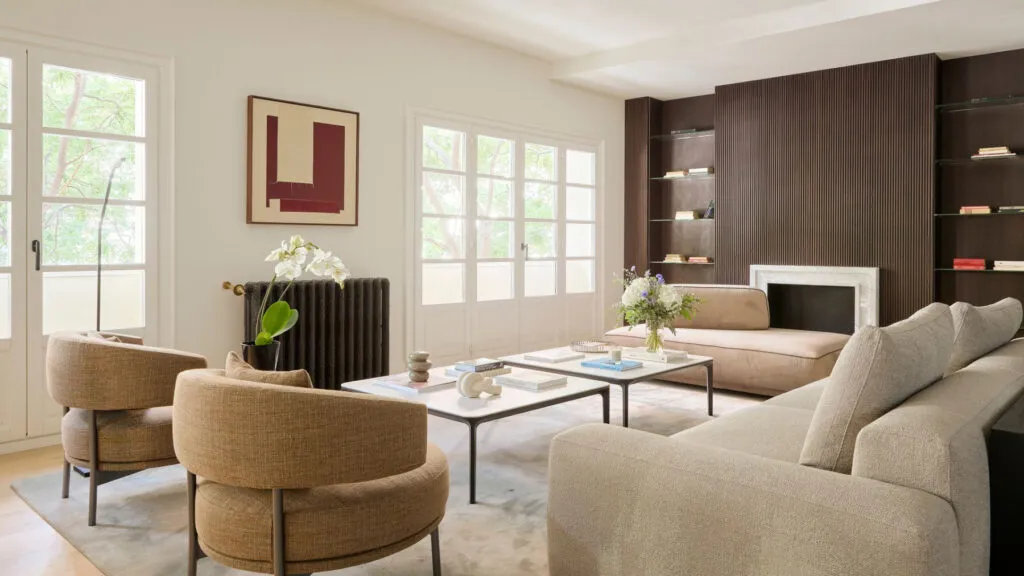
Bleeding the air, a pressure of 1 to 1.5 bar, 19 to 21 degrees during the day and a reflective...
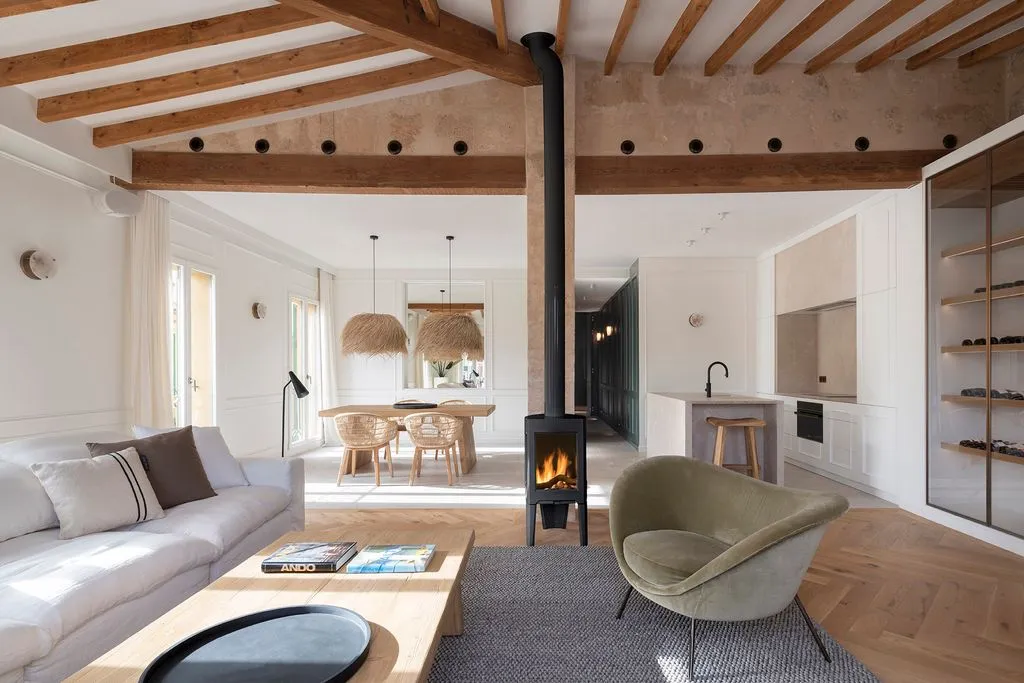
The design, the insulation and the installations - not the tiles. A Spanish architect explains how to plan a home...
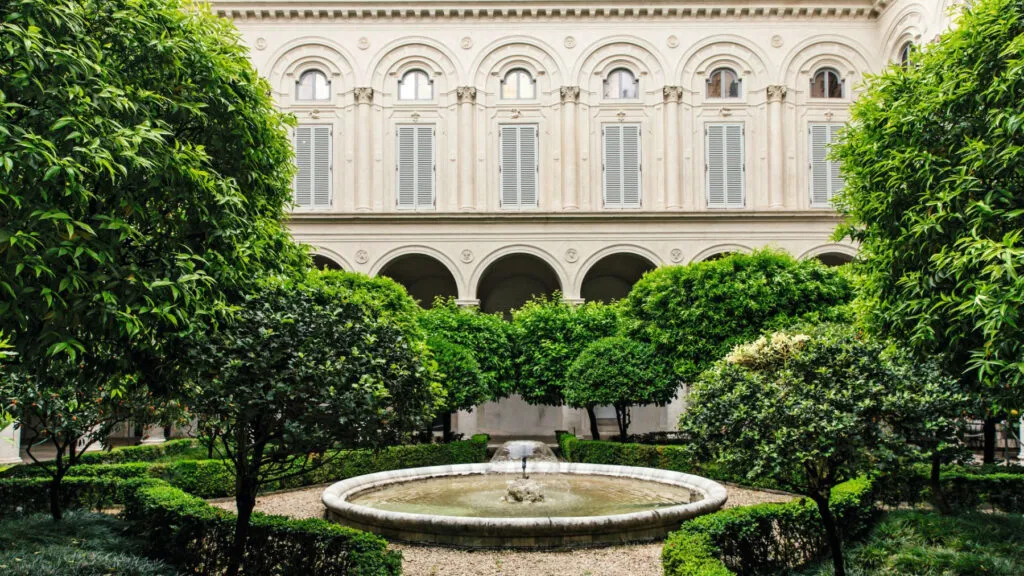
Over a thousand rooms, a Velázquez in a small cabinet, and a museum the princess once wanted to close to...

Messi has said goodbye to Argentina's national team, and four addresses tell the story of his life. The one that...
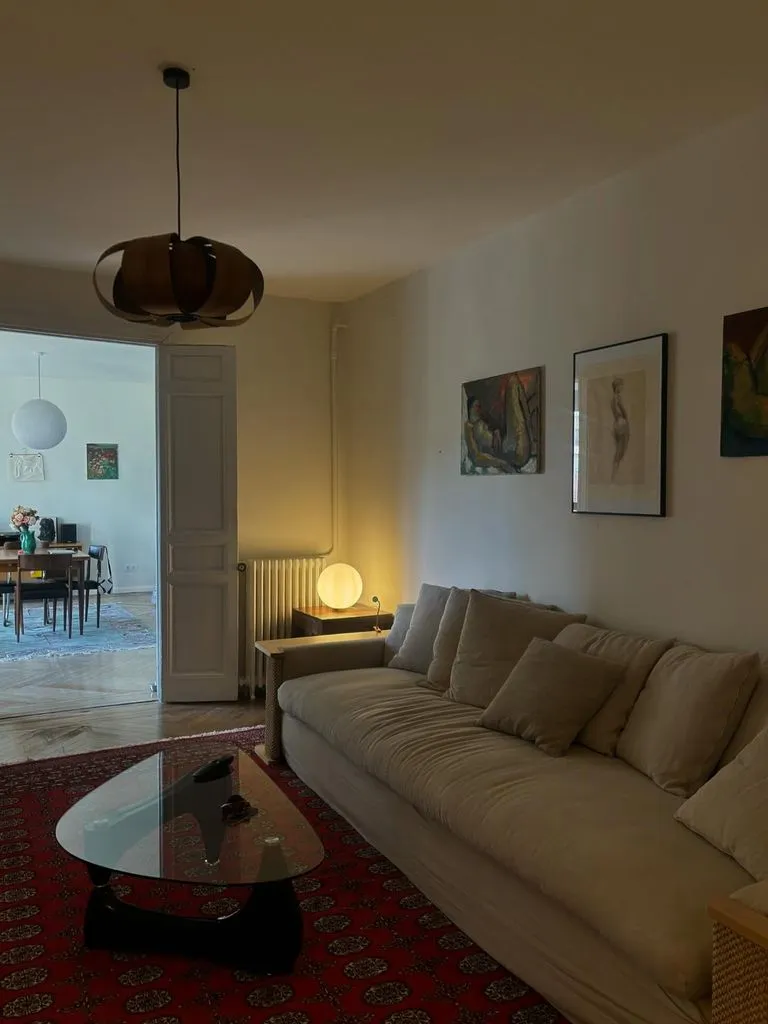
A cream sofa, a red oriental rug and an armchair the cat has taken over: the two Spanish actors' home...
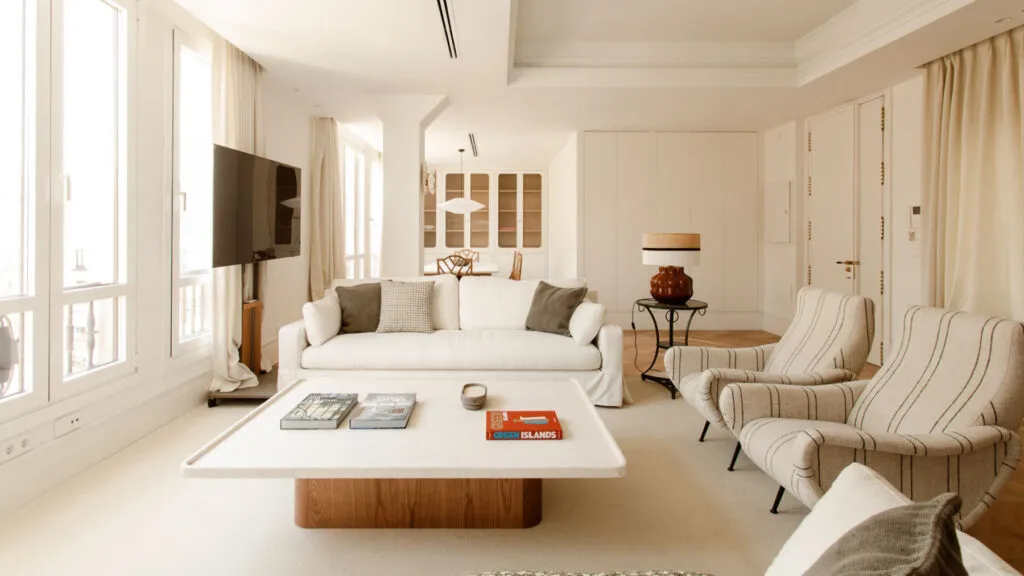
Small, dark rooms in an old Madrid building became one bright space from the living room to the kitchen. The...
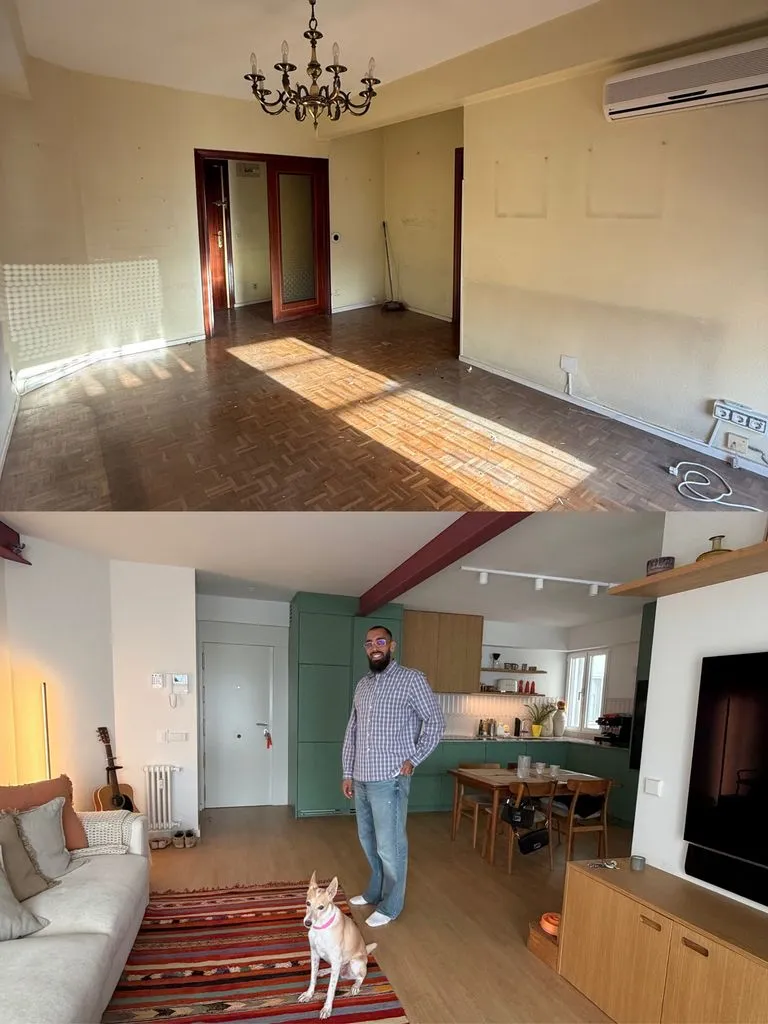
Four bedrooms became two, the yellow walls disappeared, and the hallway became part of the living room. A renovation with...
This site uses cookies - is that okay? Learn more
Be the first to know when Metla launches something new
Leave your email and we will write when there is a new guide or something new on Metla.


