


The Mihailova Case Goes to NATO: Mickoski Blames Sofia, and the Interior Ministry Still Hasn't Explained How She Crossed the Border
17.10.2026


17.10.2026
17.10.2026

17.10.2026

17.10.2026
17.10.2026
17.10.2026

17.10.2026

16.10.2026

15.10.2026

17.10.2026
17.10.2026

16.10.2026
17.10.2026

17.10.2026

17.10.2026

17.10.2026

16.10.2026

15.10.2026

17.10.2026

17.10.2026

17.10.2026

17.10.2026

17.10.2026

17.10.2026

17.10.2026

16.10.2026

15.10.2026
15.10.2026

13.10.2026

12.10.2026

23.04.2026

23.04.2026

12.04.2026

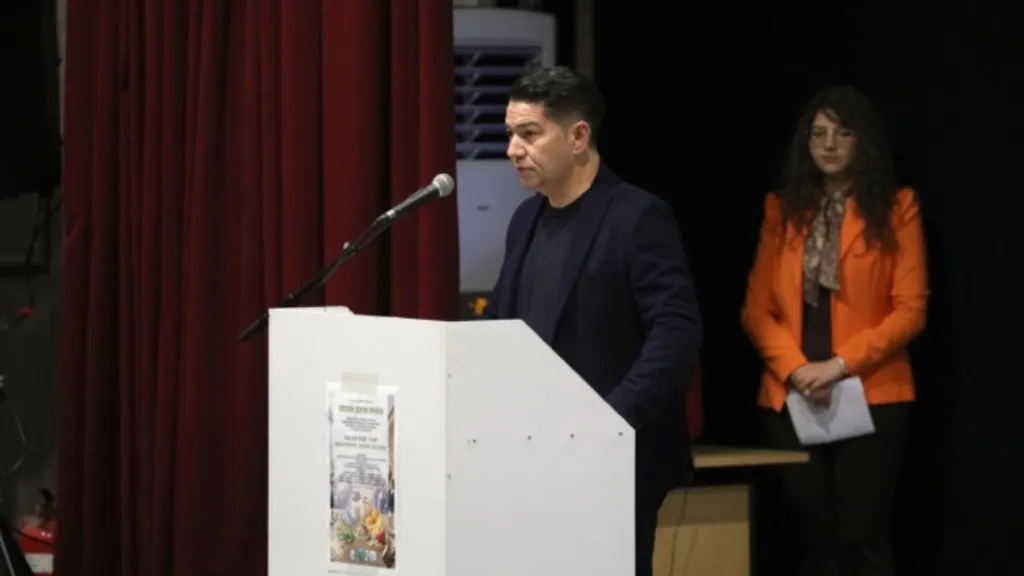
From January to August this year, inspectors from the Food and Veterinary Agency carried out 74,838 inspections and destroyed 69,776 kilograms of unsafe food from domestic trade and imports. Imports of another 21,105 kilograms of food of non-animal origin were banned, and shipments totalling 122,602 kilograms of animal-origin products were sent back to their countries of origin. The figures were announced by director Oliver Milanov on World Food Day.
These are three different measures, destruction, ban and return, and they shouldn't be piled into one mountain of waste. But together they say that over 140 tonnes of suspect food were stopped at the border, and almost 70 tonnes, from domestic trade and imports, ended up being destroyed.
The individual cases say more than the total. This year an import of 27.5 tonnes of UHT milk from Kosovo with aflatoxin above permitted limits, meant for a supermarket chain, was stopped. Instead of on the shelves, the milk ended up at the Drisla landfill. In health food shops more than a tonne of unsafe products was destroyed, and 14 operators weren't even registered to handle food. In the last two days alone, according to Milanov, a total of eight tonnes of food were seized at markets.
Then the director said what every shopper at a market stall already assumes. "The fines aren't enough, they should be higher. Work is already under way on the misdemeanour law," Milanov said, announcing fines twice as high. At the same time, he insists food in Macedonia is safe, though he admits no country can guarantee that all food is one hundred percent safe.
For meat and dairy products checked over the summer, the labs found no safety problems, but some producers had irregularities in their labelling, including on water and fat content. The Agency describes that as a labelling issue, not a safety one. A shopper who reads the label to find out how much water and fat they're paying for would probably describe it differently.
In eight months, citizens and companies filed over a thousand requests for inspections. People are watching and reporting. If the Agency itself now admits the fines aren't enough, how long was that known before anyone started changing the law?
The latest 10 news from this category

ESM currently sells electricity at 65 euros per megawatt-hour, while on European exchanges the price tops 200 euros. The PM...
The draft law is in Parliament and closes the nationalisation story. Instead, the state offers a choice of risk, with...
The agents didn't break anything - they used passwords someone had left in a public place. And India learned of...
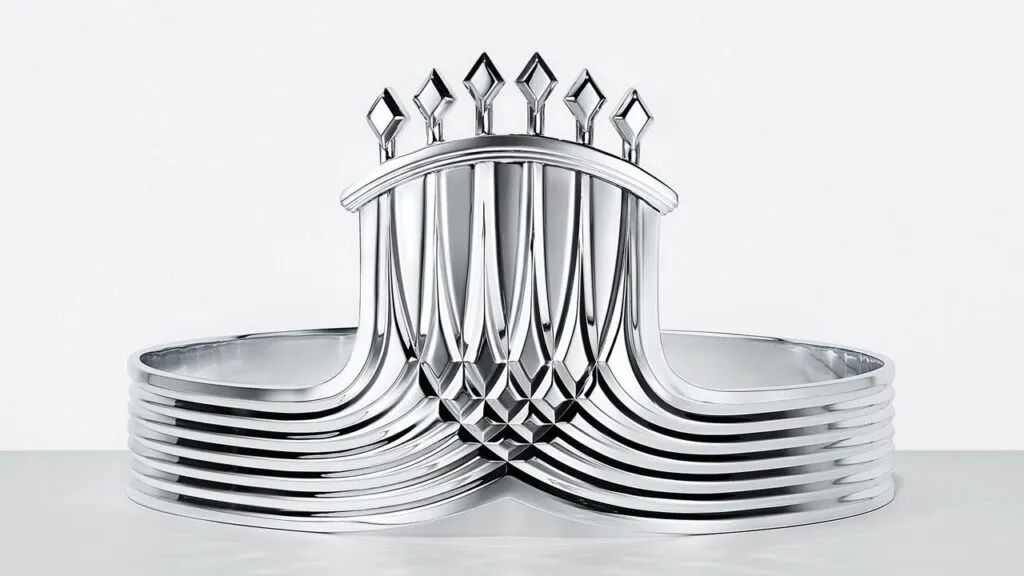
Fakes have become so good they've earned their own name. Veritas offers a chip built into the product, and it's...

The permit is here, driverless rides are not. Maps first, then tests with a human at the wheel, and Toronto's...
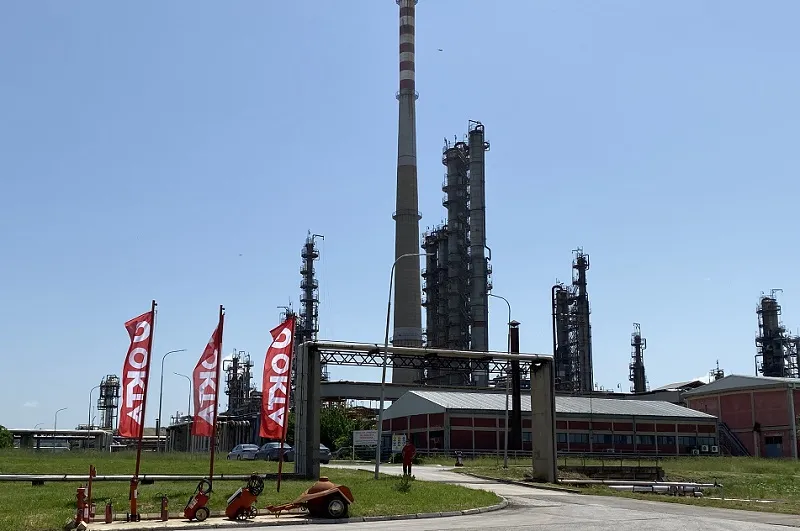
The prime minister talks about GDP growth, the minister about an "option". Nobody says what the filters will cost to...

Eurostat says we're the cheapest, the unions say the basket rose by 4,355 denars in a single year. Both are...
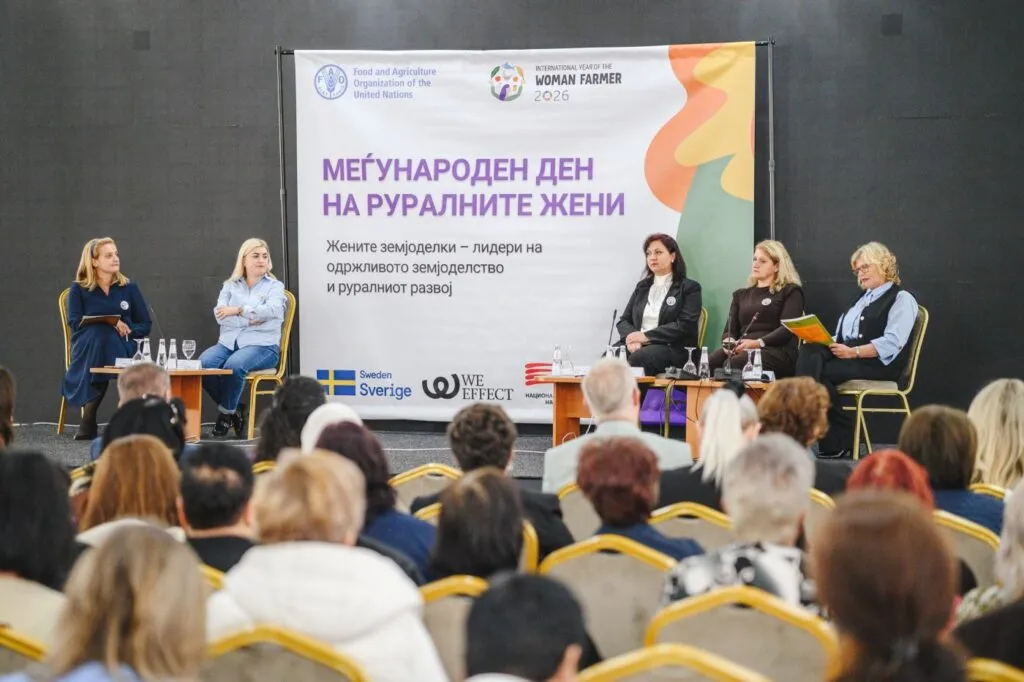
The minister says rural women will always have the state's support. The arithmetic says the maternity money will reach 25...
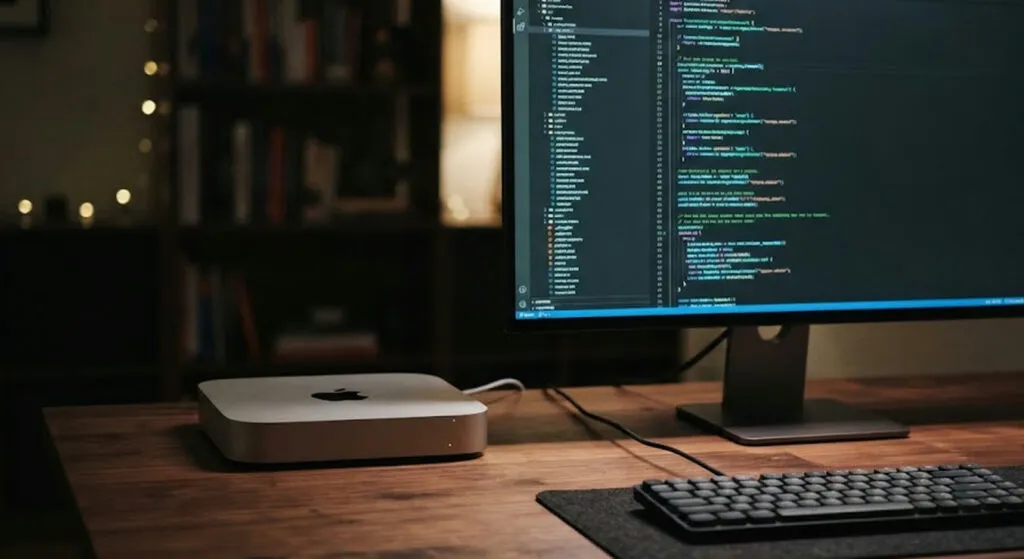
816 billion parameters, open weights and a promise that it runs on a Mac. The small print: you need at...

In four months its valuation jumped by 16 billion dollars. Automating boring expense reports in America is a 60-billion business...
This site uses cookies - is that okay? Learn more
Be the first to know when Metla launches something new
Leave your email and we will write when there is a new guide or something new on Metla.


