


The Mihailova Case Goes to NATO: Mickoski Blames Sofia, and the Interior Ministry Still Hasn't Explained How She Crossed the Border
17.10.2026


17.10.2026

17.10.2026

17.10.2026
17.10.2026
17.10.2026

17.10.2026

17.10.2026

16.10.2026

15.10.2026

17.10.2026

17.10.2026

16.10.2026

17.10.2026

17.10.2026

17.10.2026

17.10.2026

16.10.2026

15.10.2026

17.10.2026

17.10.2026

17.10.2026

17.10.2026

17.10.2026

17.10.2026

17.10.2026

16.10.2026

15.10.2026
15.10.2026

13.10.2026

12.10.2026

23.04.2026

23.04.2026

12.04.2026


We all know them. The family group where an aunt sends flowers and "good morning" every day. The class parents' group, where at nine at night someone asks whether there's PE tomorrow. The building group, where the argument about parking lasts longer than the parking itself. And in every one of them there's someone who writes constantly - and someone who has only been reading for months.
Why is that? Psychologist Violeta Acedo Herrera says the answer doesn't lie in a single personality trait. Self-confidence, temperament, past experiences and social context all play a part. The same person can be the loudest in the group with childhood friends and go completely silent in the work group or among new people.
Acedo divides participants into three types. Protagonists are quick to speak up, propose plans, organise and feel comfortable at the centre of attention. Observers prefer to listen, see where the conversation is heading and come in when they find their moment. The discreet simply enjoy the background, with no need to lead the conversation.
The most interesting part is about power. According to the psychologist, influence in a group can be gained in two ways: by imposing yourself, or through knowledge and skills that earn respect. Both can make someone stand out, but they don't earn the same sympathy. This is where the sentence worth remembering comes in: "sometimes, quite simply, the one who talks and takes the initiative becomes more visible." More visible - not smarter. Whoever writes more more easily looks like a leader, even when their ideas are no better than anyone else's.
The reverse also holds. Discretion isn't always insecurity, and leading isn't always attention-seeking. Sometimes someone stays silent simply because the group doesn't leave them room, or because their suggestions so far have been met with silence. How many times have you written something in a group and got only two blue ticks, without a single reply?
The advice is practical. To those who stay in the background, Acedo recommends a small challenge: share an opinion, ask a question or suggest a plan. To those who monopolise the conversation - ask a question before giving your own opinion, listen without immediately preparing your reply, and at least once let someone else organise something.
The point isn't to become a different person, but to try a different role without losing your own style. The psychologist suggests one question for self-examination, worth asking yourself the next time you open a chat with thirty unread messages: "Do I take part like this because I like it, or because it's the only role I know how to play?"
The latest 10 news from this category

The British turned stale bread into a warm pudding served with custard. The secret isn't the bread, it's the filling,...

Magnesium, vitamin D, omega-3, iron - the shelves are full, and the question is always the same: morning or night?...
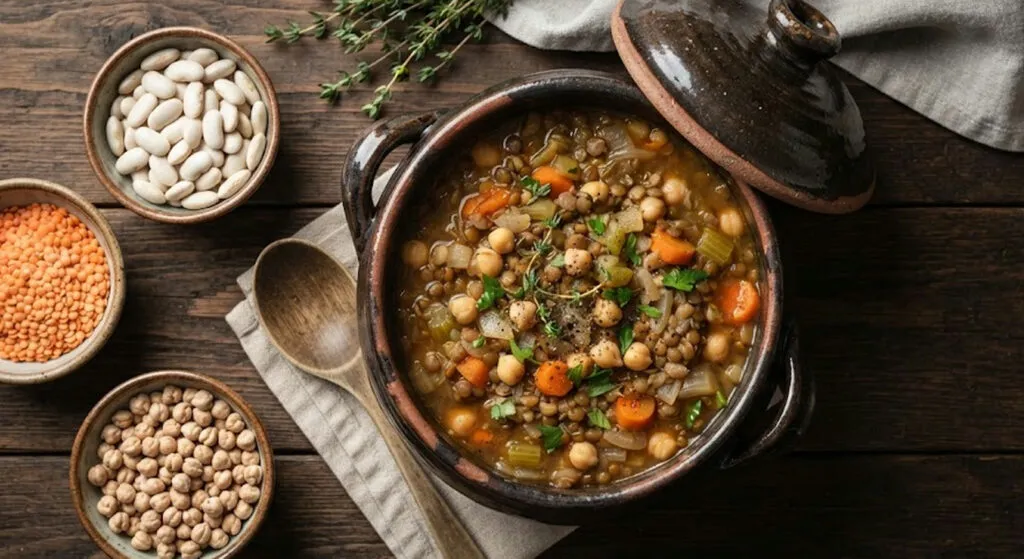
Cheap, filling, cholesterol-free and happy to wait months in the pantry. Ten legume recipes for autumn - and the trick...

You save for years for a flat, celebrate for a few weeks, and then you're already planning a new kitchen....

The larvae are killed only by 60 degrees at the centre of the piece or at least four days in...

We live as if rest has to be earned first. Without time to recover from stress, emotions get harder to...

In Macedonia, pumpkin usually ends up in tikvenik, the filo pumpkin pie, or baked with sugar. Three recipes for four...

The Princess of Wales doesn't run for the photographers - she walks uphill. A physiotherapist explains what the heart, muscles...
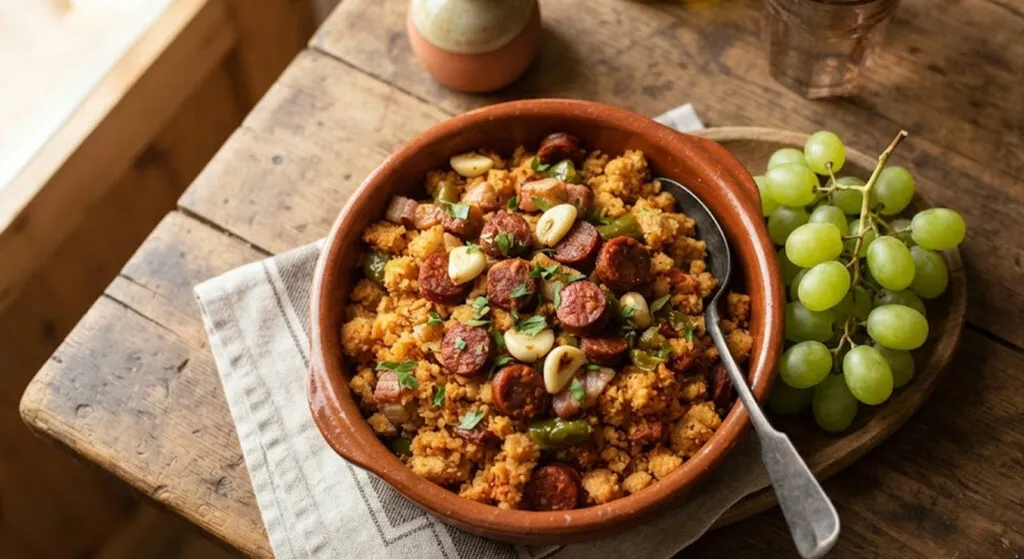
Aragonese cooking was made to feed shepherds and farmers, not to impress a jury. Yesterday's bread, lard, garlic and patience...

The architect of the Reichstag dome survived cancer and a heart attack, and he's still working. An expert explains why,...
This site uses cookies - is that okay? Learn more
Be the first to know when Metla launches something new
Leave your email and we will write when there is a new guide or something new on Metla.


