

Police officer from Drachevo drove without ever passing a driving test: Who checks the people who check everyone else?
18.10.2026


18.10.2026

18.10.2026

18.10.2026

18.10.2026

18.10.2026

18.10.2026

18.10.2026

18.10.2026

18.10.2026
18.10.2026

18.10.2026

17.10.2026

18.10.2026

18.10.2026

18.10.2026

18.10.2026

17.10.2026

16.10.2026

18.10.2026

18.10.2026

18.10.2026

18.10.2026

18.10.2026

18.10.2026

18.10.2026

18.10.2026

17.10.2026

17.10.2026

15.10.2026

13.10.2026

23.04.2026

23.04.2026

12.04.2026

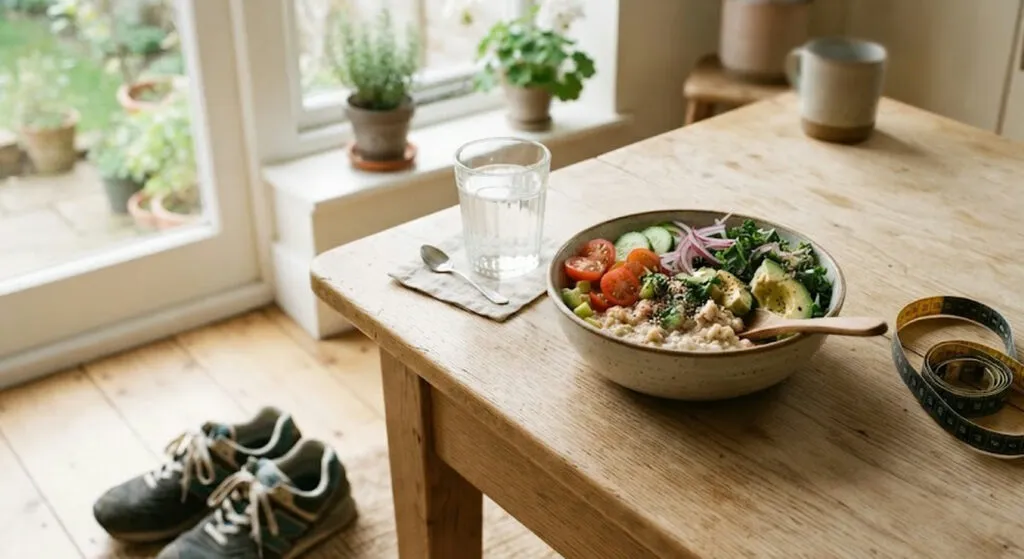
"It's your age." The sentence many women over forty hear when they say their belly is bloated, that their trousers are suddenly tight, that something isn't the way it used to be. Madrid endocrinologist Celia Gonzalo Glaze offers a better answer: menopause really does change the belly, but not all bloating comes from hormones - and that difference is exactly what matters.
What's actually happening. In perimenopause the ovaries work irregularly and progesterone falls, which can slow digestion. Oestrogen fluctuates and affects how much water the body retains. But bloating can also be caused by constipation, certain foods or a sensitive gut. That's why the doctor warns: "Bloating that is new, persistent or getting worse should not automatically be attributed to menopause."
The fat you can't see. Less oestrogen means fat tissue is more easily deposited around the organs - this is visceral fat. It's linked to chronic low-grade inflammation and lower insulin sensitivity. The problem is that this inflammation has no clear symptoms and, according to the doctor, can't be diagnosed by how the belly looks. Gas, bloating and water retention are one thing. Systemic inflammation is something else entirely.
How to tell them apart. Bloating from gas changes over the course of the day and is worse after a meal. Retained water often shows on the hands and ankles too, with quick changes on the scales. Belly fat grows slowly and stays - the waist gradually gets wider. At the doctor's, the assessment can include a body composition scan, such as DXA, which estimates visceral fat.
What helps. Eating slowly, avoiding oversized meals, fewer fizzy drinks. Working out which foods or sweeteners bloat you - but without cutting out whole food groups without expert advice. With constipation, increase fibre gradually, with enough water. If you retain water, less salt and alcohol. Muscle is protected with enough protein and strength exercise, and a walk after a meal helps digestion. The target: 150 to 300 minutes of moderate aerobic activity a week and strength exercises on at least two days a week.
When not to wait. Bloating that appeared suddenly, lasts several weeks or gets worse - especially after fifty - and comes with feeling full quickly, pain in the belly or pelvis, a wider waist or more frequent urination, needs an examination. The same goes for unintentional weight loss, blood in the stool, lasting changes in bowel habits or vaginal bleeding after menopause. Swollen legs with shortness of breath need urgent checking. Constipation, coeliac disease and an underactive thyroid are also among the causes that should be ruled out.
How many times has "it's your age" been the end of the conversation rather than the start? Menopause isn't a disease, but it isn't an excuse that covers everything either. A changing belly is a reason to ask a question - and to find a doctor who asks the right one.
The latest 10 news from this category
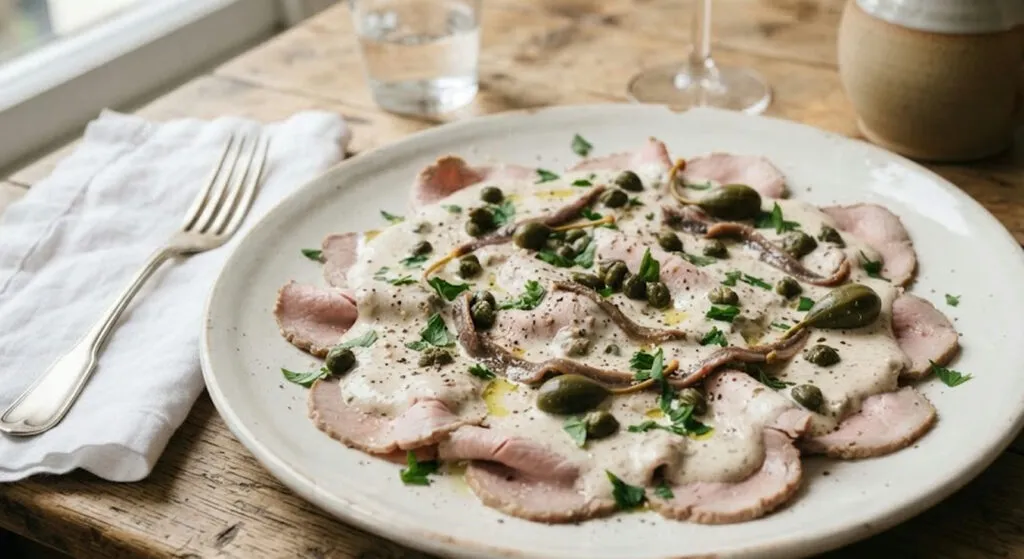
Lean meat that never goes above 65 degrees inside, a night in the fridge and a mayonnaise with tuna, anchovies...

Every group has someone who organises everything and someone who has only been reading for months. Psychology says neither is...

The British turned stale bread into a warm pudding served with custard. The secret isn't the bread, it's the filling,...
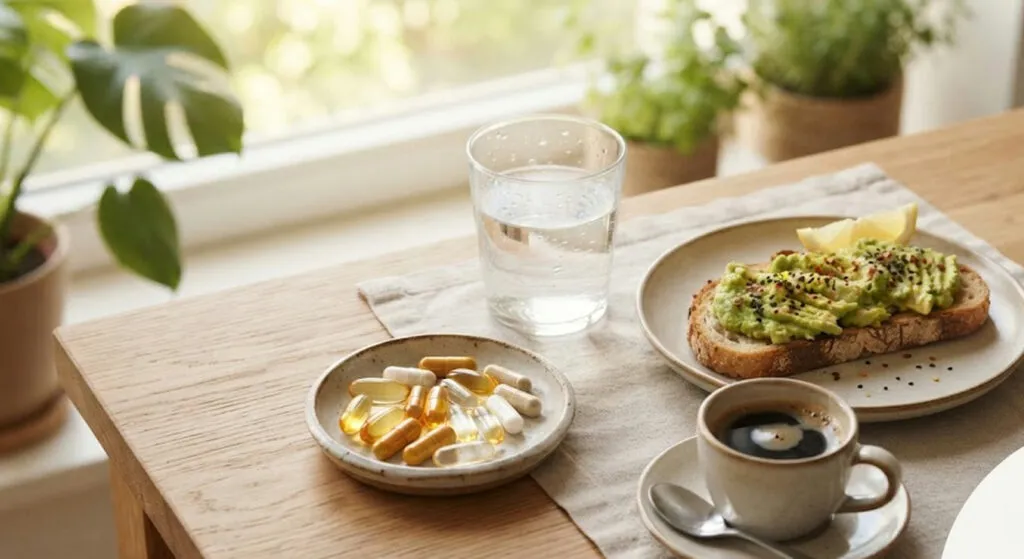
Magnesium, vitamin D, omega-3, iron - the shelves are full, and the question is always the same: morning or night?...
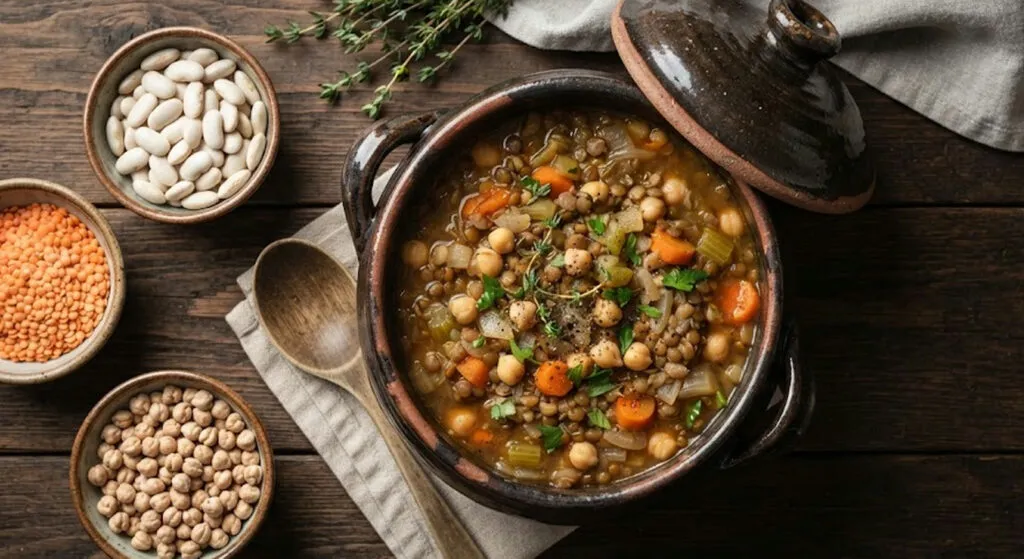
Cheap, filling, cholesterol-free and happy to wait months in the pantry. Ten legume recipes for autumn - and the trick...

You save for years for a flat, celebrate for a few weeks, and then you're already planning a new kitchen....
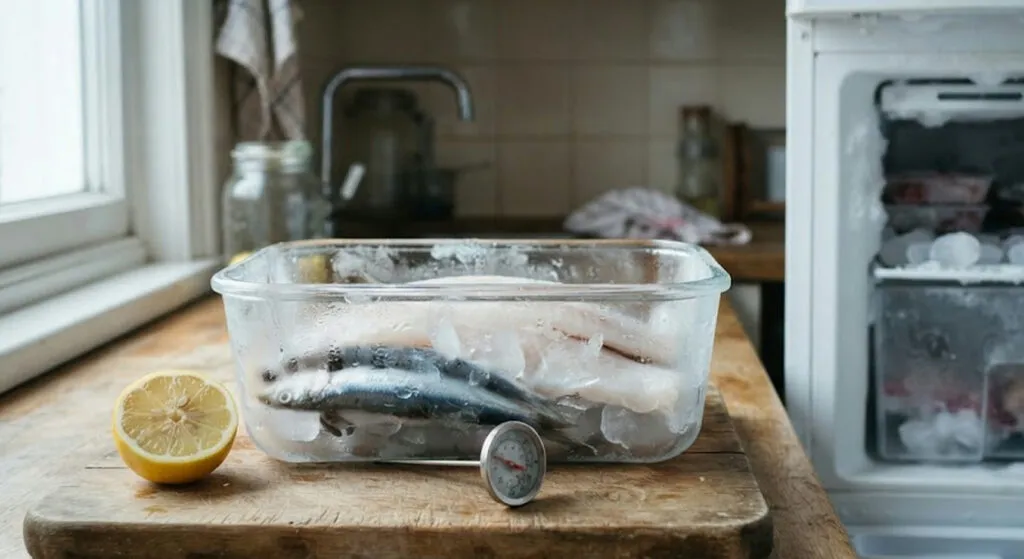
The larvae are killed only by 60 degrees at the centre of the piece or at least four days in...

We live as if rest has to be earned first. Without time to recover from stress, emotions get harder to...

In Macedonia, pumpkin usually ends up in tikvenik, the filo pumpkin pie, or baked with sugar. Three recipes for four...

The Princess of Wales doesn't run for the photographers - she walks uphill. A physiotherapist explains what the heart, muscles...
This site uses cookies - is that okay? Learn more
Be the first to know when Metla launches something new
Leave your email and we will write when there is a new guide or something new on Metla.


