


Four Injured in Crash With Police Vehicle Near Kicevo: The Statement Says Everything Except Who Is at Fault
28.08.2026


28.08.2026

28.08.2026

28.08.2026

28.08.2026

28.08.2026
28.08.2026

28.08.2026

27.08.2026

26.08.2026

28.08.2026

28.08.2026

27.08.2026

28.08.2026

28.08.2026
28.08.2026

28.08.2026
27.08.2026

26.08.2026

28.08.2026

28.08.2026

28.08.2026

28.08.2026

28.08.2026
27.08.2026

09.03.2026

27.02.2026

19.02.2026

28.08.2026

27.08.2026

26.08.2026

23.04.2026

23.04.2026

12.04.2026
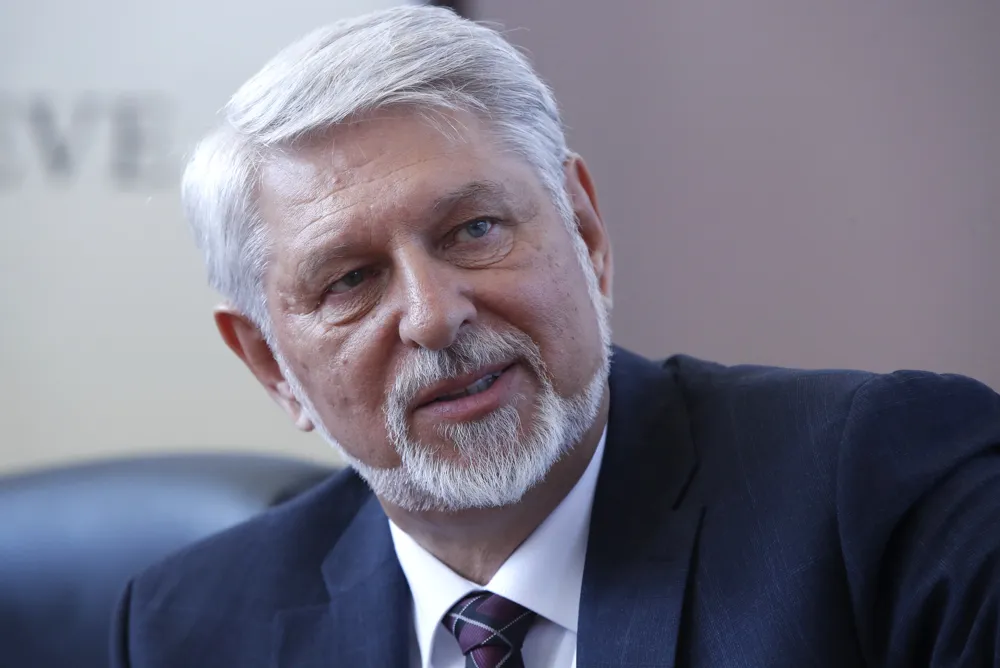
Stevcho Jakimovski, former mayor of the Municipality of Karposh and leader of GROM, has been urgently transferred from prison to hospital after his health deteriorated. The reason, according to the information available, is a worsening post-operative infection requiring medical intervention and hospital treatment.
There is no official statement on his current condition - neither from the prison administration nor from any health institution. Nor is there any word on how long the hospital treatment will last.
Jakimovski has been serving his sentence at Skopje Prison since mid-July. The Court of Appeal previously upheld his one-year sentence for illegal construction connected to the building that housed the Municipality of Karposh. Because he had already spent almost five months in pre-trial detention, that period was counted toward the sentence. He has said publicly that he has lung and bladder cancer and receives regular oncological therapy.
This is not the first trip to hospital
The director of Skopje Prison, Boban Utkovski, confirmed that Jakimovski had already been hospitalised for almost three weeks - from 5 to 26 August - at the private Acibadem Sistina Clinical Hospital, after reporting health problems. Once the treatment ended, he was returned to prison on 26 August.
In other words: two days after going back to prison, he is in hospital again. Utkovski does not disclose details of the diagnosis, citing the confidentiality of medical data, and says the institution acted responsibly and humanely. "Health and human dignity must be respected without exception," he stated.
The sentence is correct and should stay that way. But behind it sits a question that is not only about Jakimovski: is the prison system equipped at all to hold people with serious chronic illnesses? When a man with a cancer diagnosis has to be taken to a private hospital, is brought back, and two days later leaves again - that is not somebody's personal drama. It is an indicator that the prison health service is not covering what it is left to cover.
The sentence was upheld by a court and it has to be served. How the state looks after the health of the person serving it is an entirely separate question - and the answer does not depend on who the convict is.
The latest 10 news from this category
The party claims the Pehchevo initiative failed because an opposition figure was behind it. The council there voted unanimously.
Tetovo Clinical Hospital sits under the health ministry. The director says there is nothing political about it - and in...
The fire was out, there was not a trace of it for a full day - then it flared again....
The isotope is brought from Istanbul, and talks are underway with Sofia. Filipche demands an immediate fix, VMRO-DPMNE answers with...
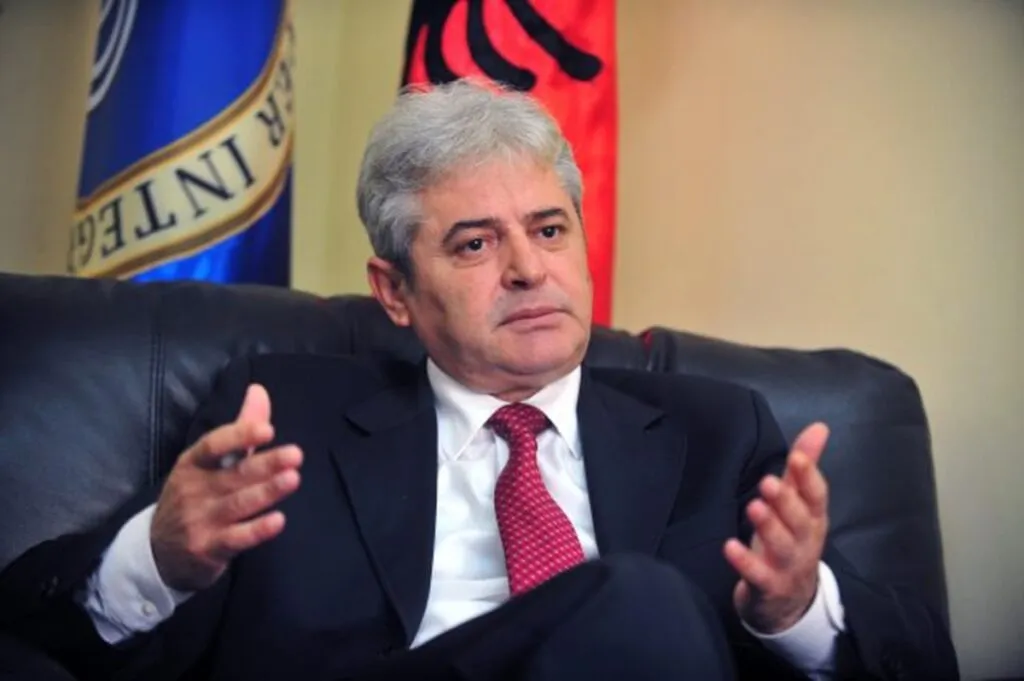
Legally the denial holds - Article 22 applies to every employer. But the question that created the story is not...
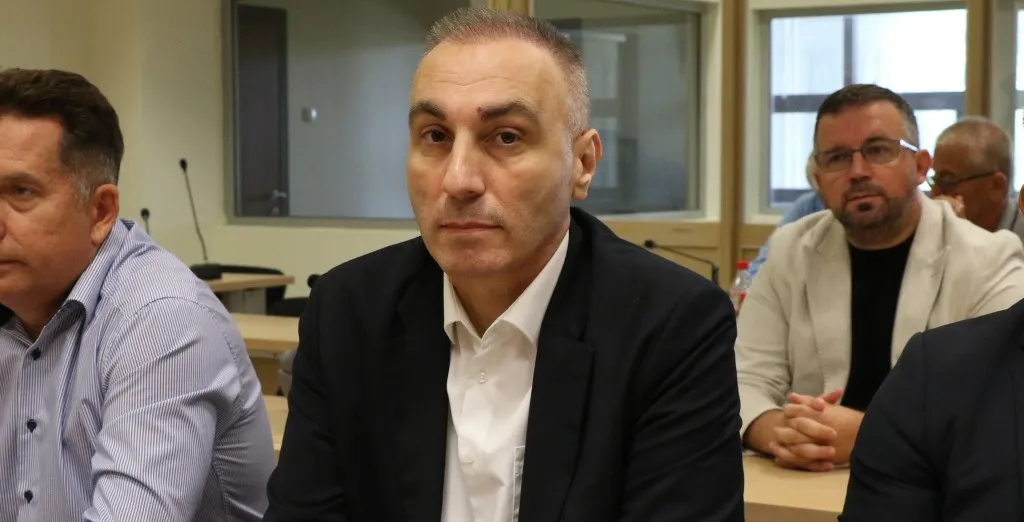
Grubi took his seat in the dock. The lottery's director has been on the run for two years, and the...
Prosecutors have closed the pre-investigation into the procurement. For the fire-safety failures there are already convictions - but nobody has...
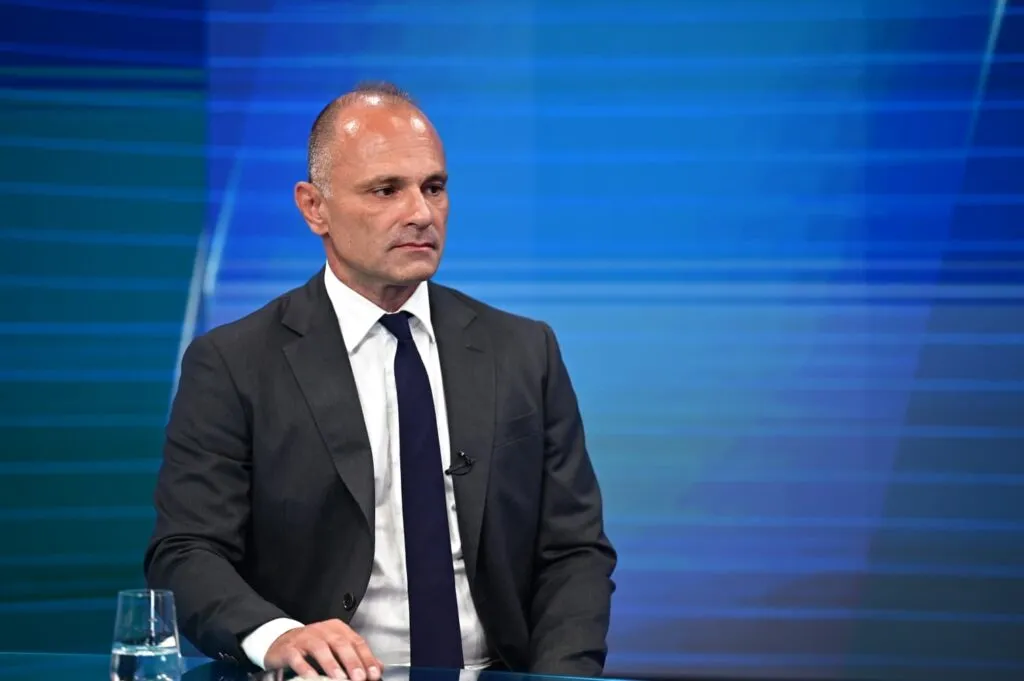
Five or six points covering two years, plus the contrast clearly designed to stick: wages and pensions versus a new...
The offer costs nothing as long as nobody takes it up - and if it is taken up and lost,...
SDSM alleges kickbacks of 300,000 euros, VMRO-DPMNE replies that the house belongs to the father. Questions about bribery and tenders...
This site uses cookies - is that okay? Learn more
Be the first to know when Metla launches something new
Leave your email and we will write when there is a new guide or something new on Metla.
