

Four Injured in Crash With Police Vehicle Near Kicevo: The Statement Says Everything Except Who Is at Fault
28.08.2026


28.08.2026
28.08.2026
28.08.2026

28.08.2026
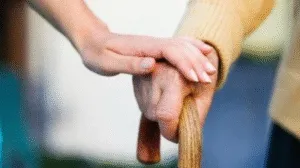
28.08.2026
28.08.2026
28.08.2026
27.08.2026
26.08.2026
28.08.2026
28.08.2026

27.08.2026

28.08.2026

28.08.2026
28.08.2026

28.08.2026
27.08.2026

26.08.2026

28.08.2026

28.08.2026

28.08.2026

28.08.2026

28.08.2026
27.08.2026

09.03.2026

27.02.2026

19.02.2026

28.08.2026

27.08.2026

26.08.2026

23.04.2026

23.04.2026

12.04.2026
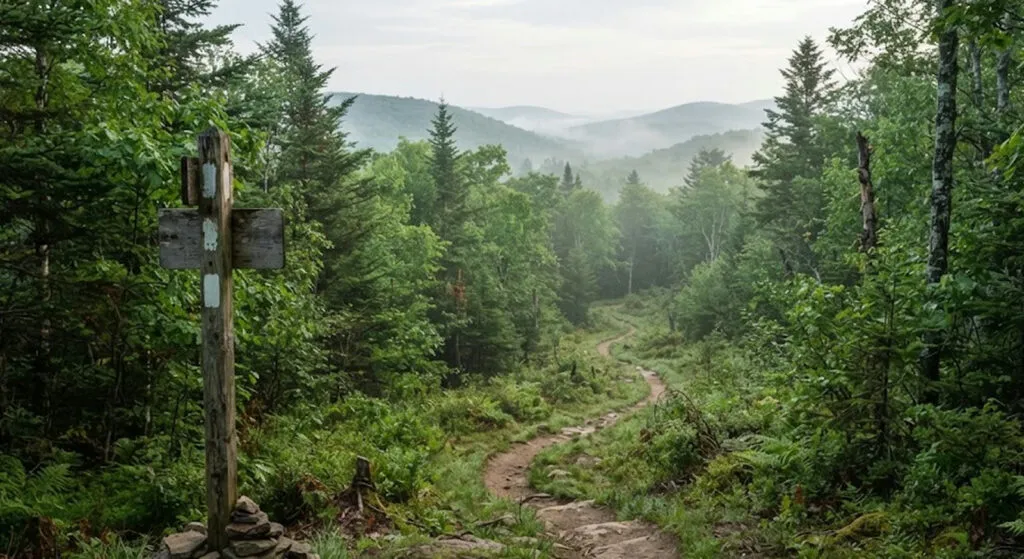
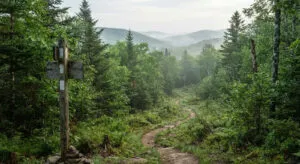
For years hiking was sold as a contest with yourself: how many kilometres, how many metres of elevation, how fast to the summit. Now the opposite logic is spreading - so-called soft hiking, walking in the mountains without a stopwatch. The clubs that practise it are attracting more and more people, and it is worth asking why now.
The definition is simple to the point of being awkward. "It consists of going out, enjoying nature and the company of the others in the community," says Claudia, an ambassador for a Spanish hiking club. No obsession with results, with the pace set to suit whoever walks slowest. The goal, as she puts it, is not the times but wellbeing.
Walking a trail is not the same as walking a pavement
This is not a softer version of anything. When you walk on uneven ground, the step stops being predictable: uphill, downhill, stones, changing surface. The body constantly adjusts, which on top of legs and glutes demands balance, coordination and stability. Depending on length and pace, it is also cardio at variable intensity. The difference is that here you control the intensity, not the trail.
The second thing it brings is mental. The terrain forces you to be present - you have to watch where you step and what is around you. That is a few hours away from screens, without anyone lecturing you about digital detox.
The break is not quitting, it is part of the route
Claudia insists on something most hikers skip: rest is part of the outing even when the pace is not hard. "The body often needs that moment to stop, hydrate and recover," she explains. But the break has a second function too. "So often we focus only on reaching the summit or finishing the trail, when the beauty is also in those moments when we stop, talk and share the experience."
The club includes a woman from Madrid who had a stroke. After she learned to walk and speak again, she did several trails with the group and walked the Camino de Santiago. "She tells us she often feels blocked, but when she goes out walking she reconnects with herself." That is one experience, not a medical protocol - but it says something about what movement means when it has not been converted into percentages.
Do you have to be fit
Not necessarily, as long as the trail suits your condition. But some things are not recommendations, they are conditions: know the terrain, plan the route, have the right kit. Length on its own says nothing - elevation, the type of surface, the altitude and the weather can completely change the picture of one and the same outing. If you have not moved in a long time, start with short trails. If there is illness or injury, see a doctor first.
The lesson of this slower school is that physical activity does not have to be a challenge in order to count. You walk, you stop when you need to, you look around you and you carry on at your own pace. And the mountain turns from a place where you prove yourself into a place where you simply move.
The latest 10 news from this category
Greek cooking here gets reduced to two headlines. That is like presenting Macedonia with ajvar alone - and the point...

Training does not cover the debt from a sleepless night; it adds a risk of injury instead. The whole list...
Banderas bought the place he used to go out to at sixteen, and it was there he demonstrated the rice....

Rice and pasta last 48 hours, and they can be contaminated without a single visible sign. Smell is not a...
International Ramen Day is 25 August, and the dish itself came about because there was nothing else. The broth simmers...

It does not have to hurt badly for there to be a problem. A physiotherapist explains why people spend years...

It is still too hot for the oven and already too late for the same salad a fourth time. Not...
The protective effect against dementia starts at 3,800 steps, and above ten thousand there is no additional benefit. So the...

You do not need a three-hundred-euro machine for a dessert that costs about as much as a kilo of fruit....

A psychologist explains the line from Epictetus everyone quotes and few apply. Autonomy is not a single thing - you...
This site uses cookies - is that okay? Learn more
Be the first to know when Metla launches something new
Leave your email and we will write when there is a new guide or something new on Metla.
