


The OLVX stolen-password market led to Golema Rečica: the Interior Ministry celebrates the operation but stays silent on whether there are Macedonian victims
16.10.2026


16.10.2026
16.10.2026
16.10.2026

16.10.2026
16.10.2026
16.10.2026

16.10.2026

15.10.2026

15.10.2026

16.10.2026

16.10.2026

15.10.2026

16.10.2026

16.10.2026

16.10.2026

16.10.2026

15.10.2026

14.10.2026

16.10.2026

16.10.2026

16.10.2026
16.10.2026
16.10.2026

16.10.2026

16.10.2026

15.10.2026

14.10.2026
15.10.2026

13.10.2026

12.10.2026

23.04.2026

23.04.2026

12.04.2026

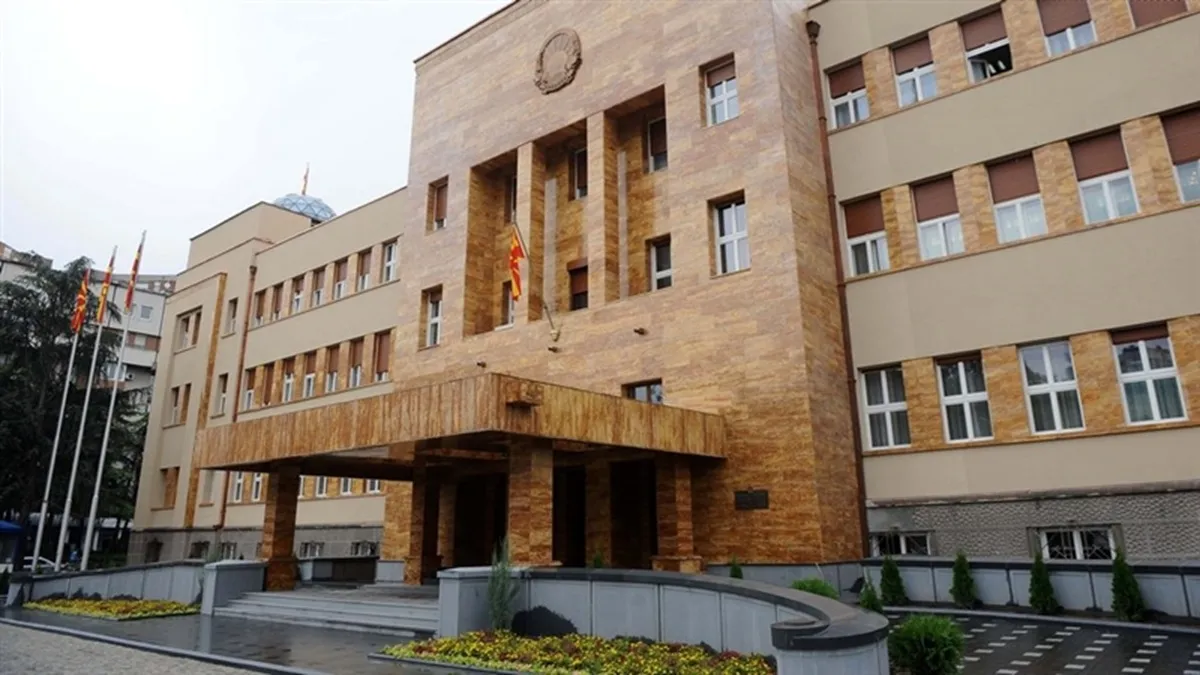
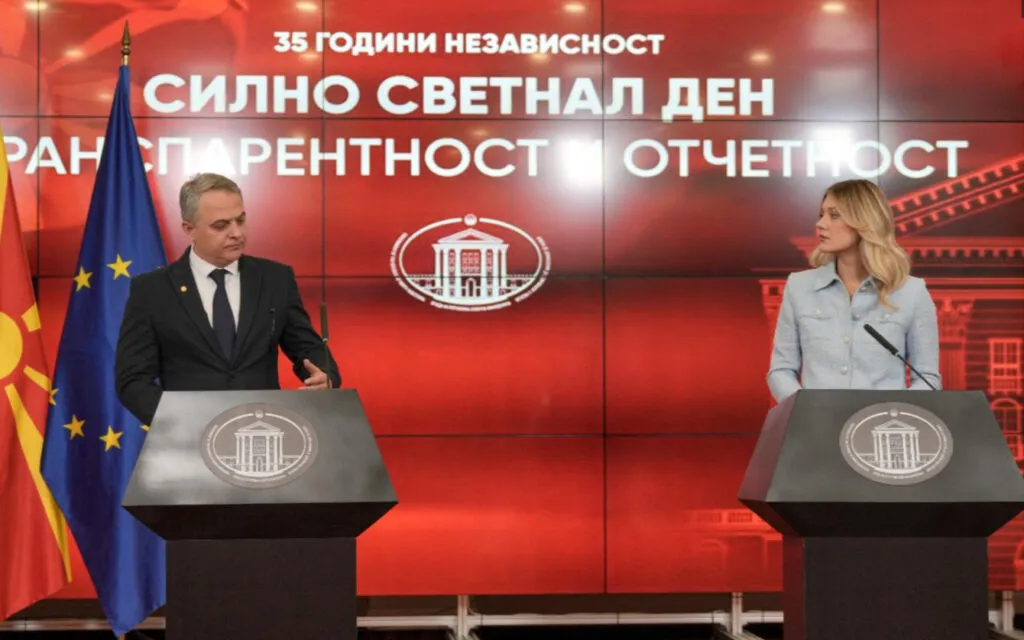
Parliament has issued a denial. It does not pay for and does not provide private health insurance, neither for MPs nor for staff of the parliamentary service. The statement calls the reports "an inaccurate and manipulative presentation of the facts".
The explanation goes like this: the procedure the media reports refer to concerns systematic, that is preventive, health check-ups. That is a legal obligation of the employer, not additional insurance. Under Article 22, paragraph 1 of the Law on Occupational Safety and Health, an employer must provide health check-ups for employees at least every 24 months.
Legally, that holds. The law does require it, and it requires it of every employer in the public and the private sector. Parliament did not invent a privilege - it carried out an obligation.
So why did the story catch on at all?
Because the difference between "private insurance" and "a systematic check-up paid from the budget" is a difference a lawyer understands, not the person waiting for an appointment at a public health centre. For them there is only one question: how fast does my appointment come up, and how fast does theirs.
The denial does not answer that question, and that is the question that produced the article. The institution explains what it is not, and says nothing about what implementation actually looks like.
The same Article 22 applies to everyone. The question worth asking is not whether Parliament respects it - it is how many employers in this country respect it, and what happens to those who do not. If the answer is "nothing", then the law Parliament cites in its denial is a law Parliament itself passed and nobody enforces outside Parliament.
The denial asks media outlets to publish it and correct their reporting. That is a legitimate request. But an institution demanding accuracy in reporting about itself owes the same accuracy in its own work - in the places where there is no press office standing guard.
The latest 10 news from this category
One candidate was shown "Cela da e" comments under the prime minister's posts, the other had been photographed at a...
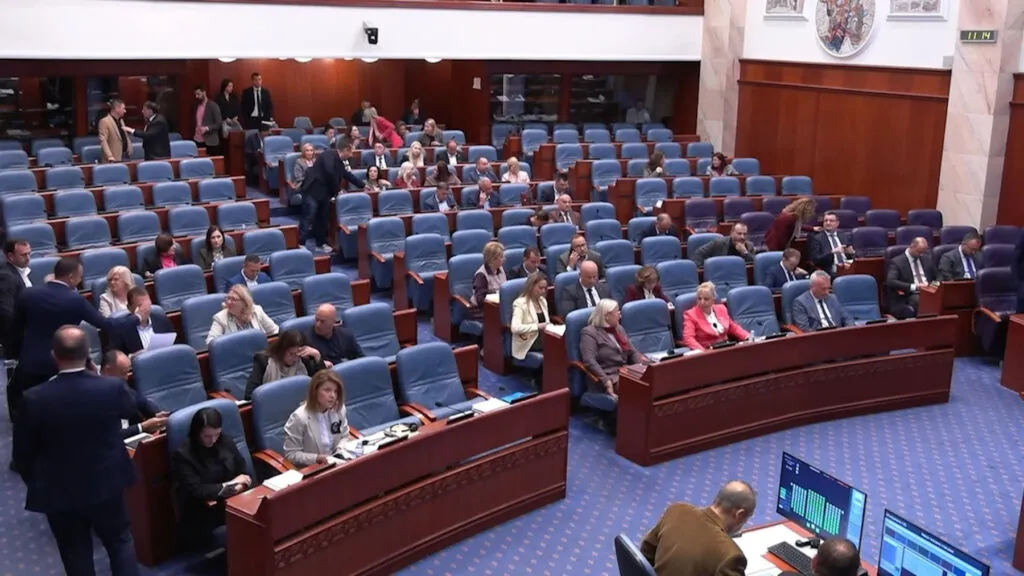
The opposition refuses or hesitates, and from Sofia comes word that the constitutional changes are not up for renegotiation. Is...
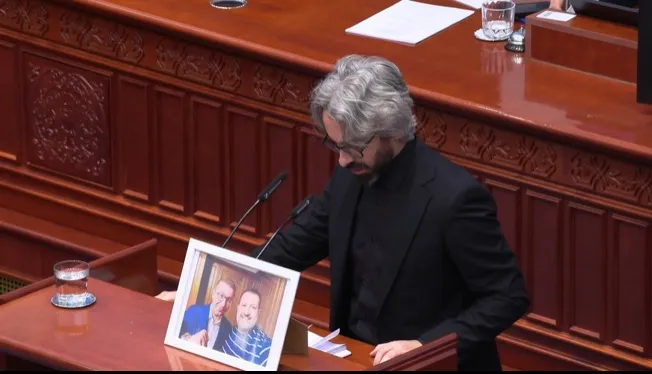
Six companies, around 20,000 euros in donations from the brother-in-law, and a lunch for 250 guests as the Strumica municipality's...
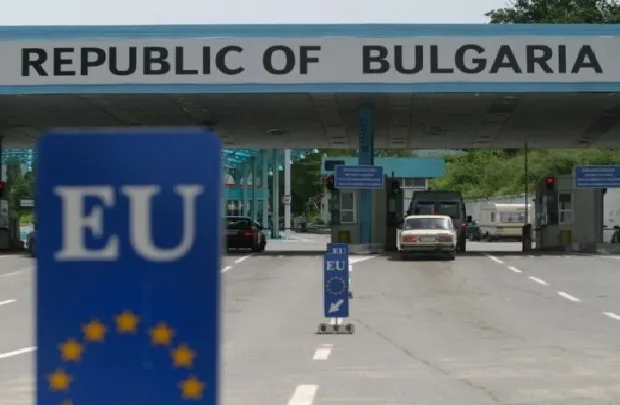
Charged over a fatal car crash, with both her passports confiscated, she crossed a border where neither Macedonian nor Bulgarian...
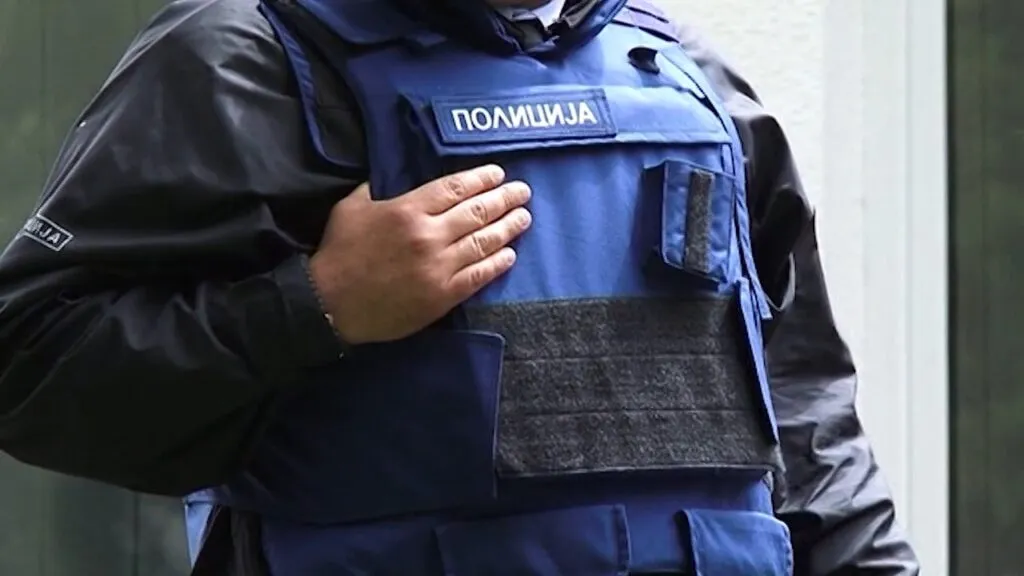
The Interior Ministry acted only after the footage was already circulating, the police union offers its own version, and DUI...
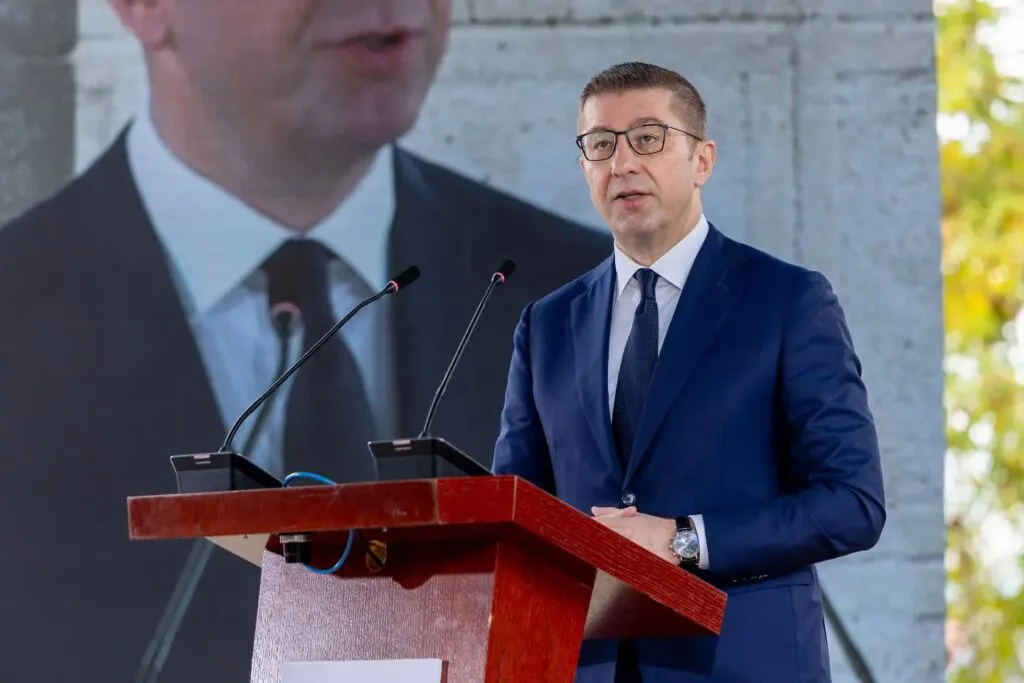
At the 85th anniversary of the uprising, the prime minister called for unity, set a 1,000-euro salary target and attacked...
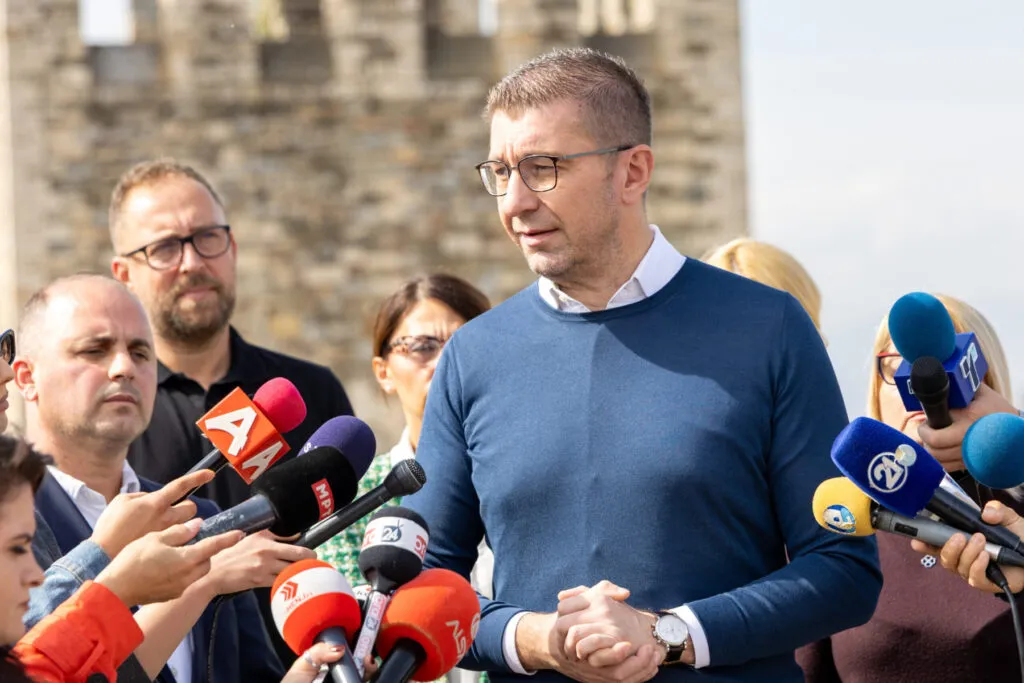
A day after the meeting in Sofia, Bulgaria's foreign minister told MPs there will be no renegotiation and no delayed...
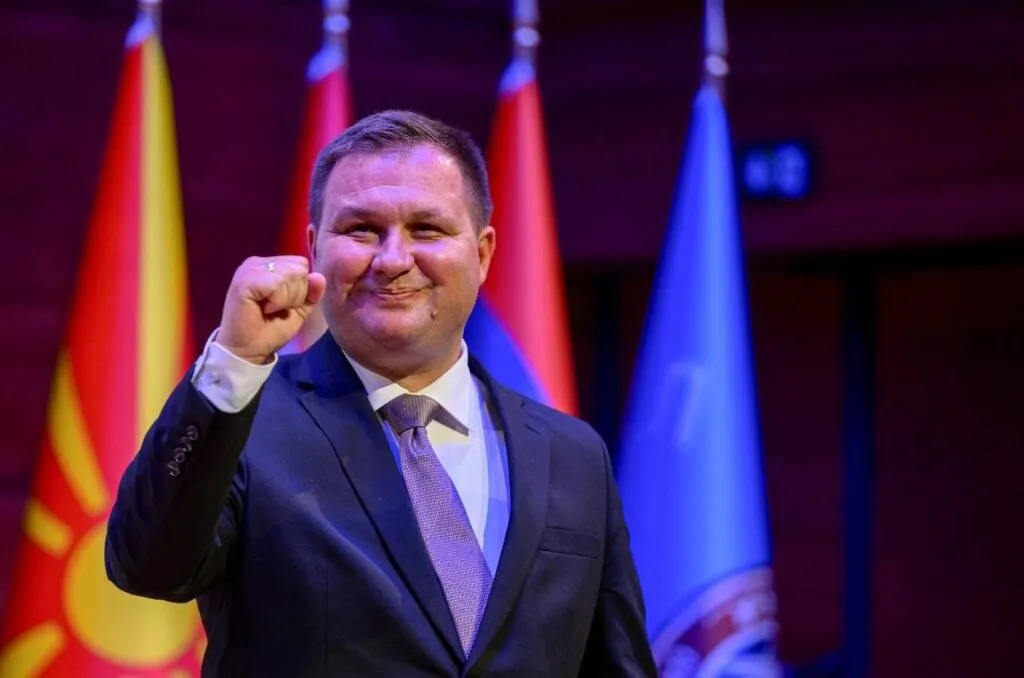
The former mayor of Centar now leads a party that invokes an organization from 1908 and says it is open...
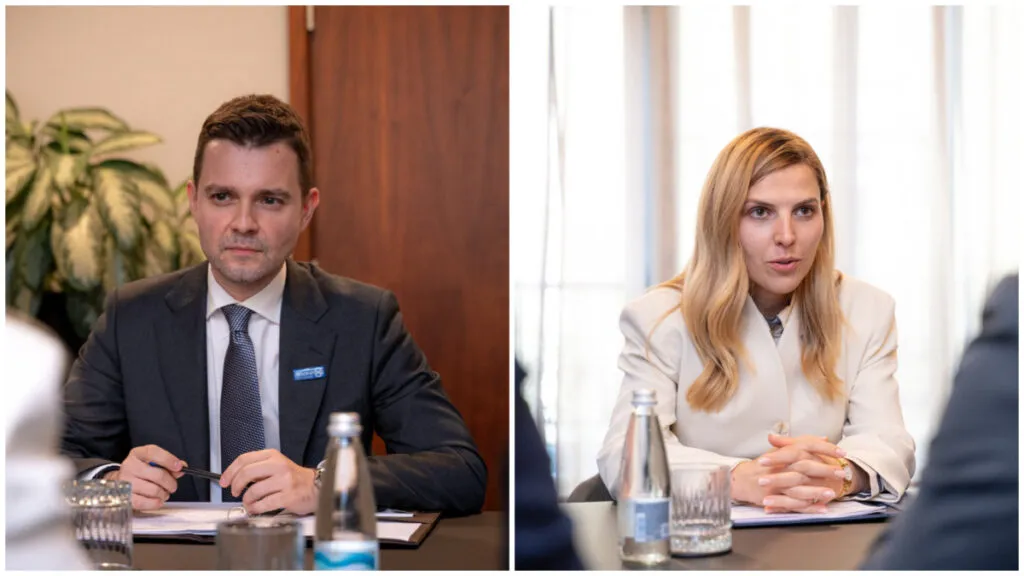
Brussels asked for the meeting. Bulgaria rejected renegotiation, constitutional changes with delayed effect and qualified majority voting - and did...
The State Lottery put up the money, a private agency divided it up, and the Lottery says it has no...
This site uses cookies - is that okay? Learn more
Be the first to know when Metla launches something new
Leave your email and we will write when there is a new guide or something new on Metla.


