


Four Injured in Crash With Police Vehicle Near Kicevo: The Statement Says Everything Except Who Is at Fault
28.08.2026


28.08.2026
28.08.2026

28.08.2026

28.08.2026

28.08.2026

28.08.2026

28.08.2026

27.08.2026

26.08.2026

28.08.2026
28.08.2026

27.08.2026
28.08.2026
28.08.2026
28.08.2026

28.08.2026

27.08.2026

26.08.2026

28.08.2026

28.08.2026

28.08.2026

28.08.2026

28.08.2026
27.08.2026

09.03.2026

27.02.2026

19.02.2026

28.08.2026

27.08.2026

26.08.2026

23.04.2026

23.04.2026

12.04.2026
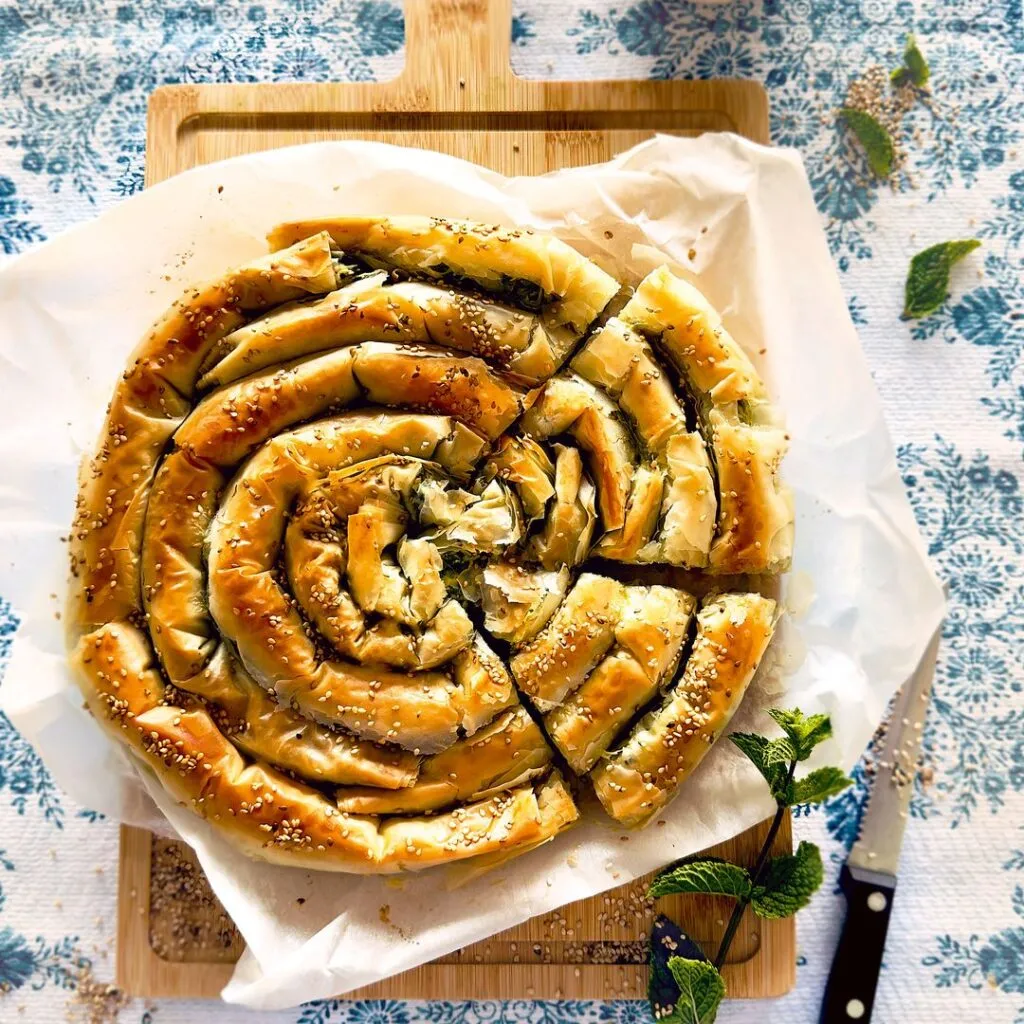
Greek cooking here usually gets reduced to two headlines: Greek salad and tzatziki. That is like presenting Macedonia with ajvar alone. There are three dishes that open the story far more accurately - moussaka, souvlaki and spanakopita - and all three contain one step everybody skips, and that step is what makes the difference.
Moussaka: half an hour that must not be cut short
Layers of aubergine, minced meat and a baked bechamel on top. For six portions you need three large aubergines, 500 grams of minced lamb (or lamb with beef), an onion, two cloves of garlic, 400 grams of crushed tomatoes, 100 millilitres of red wine, a bay leaf, a teaspoon of cinnamon, half a teaspoon of oregano, 700 millilitres of bechamel and 70 grams of grated parmesan.
The aubergines are sliced about a centimetre thick, salted and left for 30 minutes to release their bitterness. Then they are dried, brushed with olive oil and roasted at 200 degrees for around 25 minutes, turned once halfway. The onion and garlic are fried, the meat goes in until browned, then the wine - and it is left to evaporate completely. Only then do the tomatoes, bay leaf, cinnamon and oregano go in, and all of it simmers on a low heat for around 30 minutes until it thickens.
Those 30 minutes are the whole moussaka. Cut them short and the juices stay in the dish and later break through the layers. Layer aubergine, meat, aubergine again, pour over the bechamel, sprinkle the cheese and bake at 180 degrees for 40 to 45 minutes. And then - 15 minutes resting before slicing, or the whole thing falls apart on the plate.
If you have time, make it the day before. The flavours bind better and the texture firms up.
Souvlaki: the marinade is not seasoning, it is time
This is the informal side of Greek cooking - meat on a skewer, over high heat. For four portions: 800 grams of boneless leg of lamb cut into cubes, three tablespoons of olive oil, the juice of one lemon, three finely chopped cloves of garlic, a teaspoon each of dried oregano and thyme, salt and black pepper.
Mix the marinade, put the meat in and leave it for two to eight hours. This is not a step to skip because you do not feel like waiting today - it is the mechanism that tenderises the leg. Then the cubes go on skewers and onto a very hot grill or pan for eight to ten minutes, turning, until browned outside while staying juicy inside.
Serve in a lightly warmed pitta, with sliced cucumber, tomato and red onion, a spoonful of tzatziki on top and the rest of the sauce on the side.
Spanakopita: everything depends on how much water you squeeze out
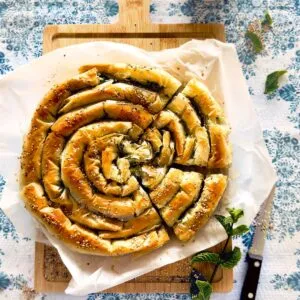
The name tells the story - spanaki is spinach, pita is pastry. The filling takes 800 grams of fresh spinach (or 500 grams frozen, well drained), 180 grams of crumbled feta, 200 grams of ricotta, three spring onions, one onion, two tablespoons of fresh dill, two tablespoons of parsley, a level tablespoon of flour, two tablespoons of olive oil, pepper and very little salt. Plus 12 sheets of filo, 150 grams of melted butter and sesame seeds.
The onion and spring onions are fried for about five minutes, the spinach goes in until it has wilted right down, and then comes the step that settles everything: it is cooled, drained thoroughly and chopped finely. If water stays in the filling, the pastry goes soggy and nothing will be crisp - no matter how much butter you used.
The filling is mixed with the cheeses, the herbs and the flour. Each sheet of filo is brushed with melted butter, overlapped with the next, the filling is laid along the longer side and rolled into a cylinder. The cylinders are arranged in a spiral in a round 26-centimetre tin, brushed generously with butter, sprinkled with sesame and baked at 180 degrees for around 45 minutes. Again, 15 minutes resting before slicing.
One rule while you work: keep the filo covered with a slightly damp cloth. It dries out faster than you think, and dry filo tears the moment you touch it.
The latest 10 news from this category
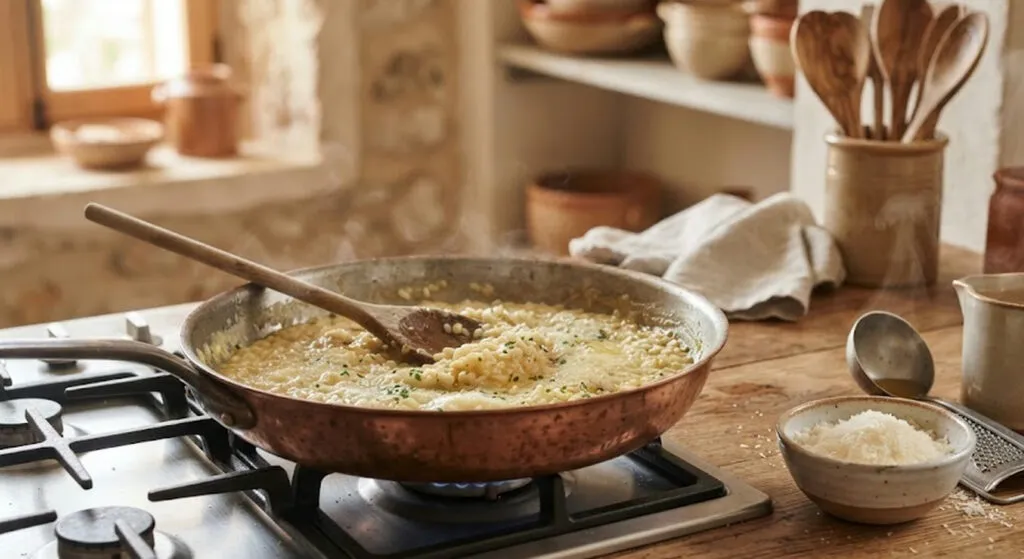
Banderas bought the place he used to go out to at sixteen, and it was there he demonstrated the rice....
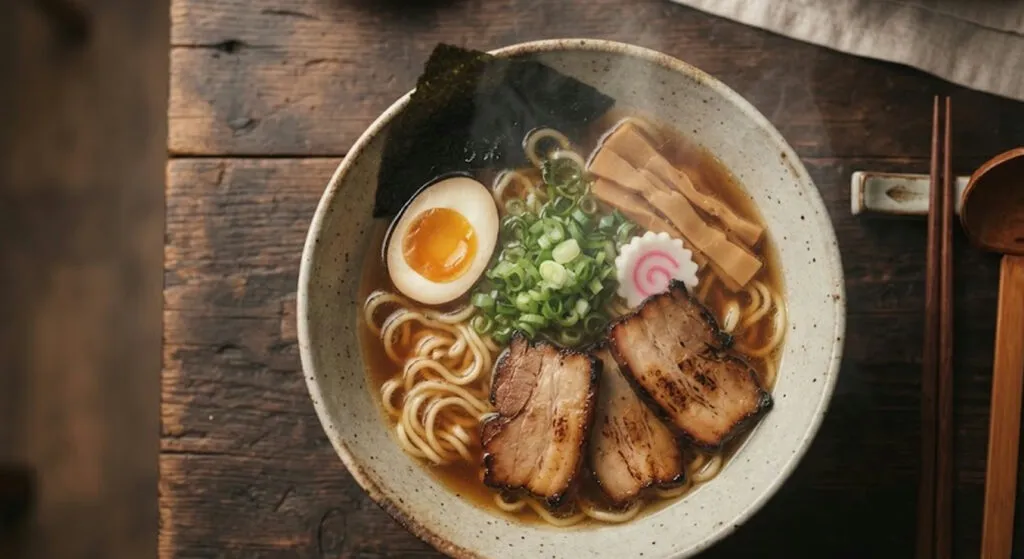
International Ramen Day is 25 August, and the dish itself came about because there was nothing else. The broth simmers...
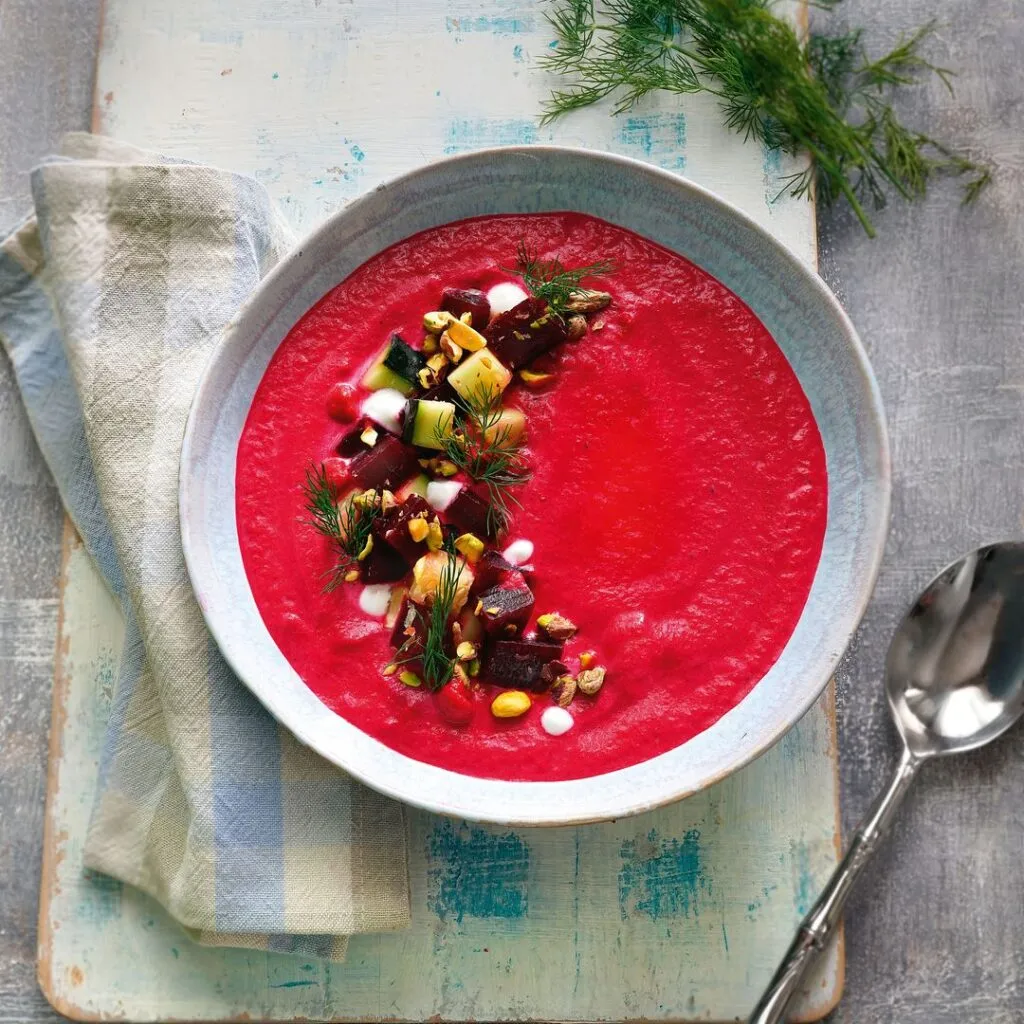
It is still too hot for the oven and already too late for the same salad a fourth time. Not...

You do not need a three-hundred-euro machine for a dessert that costs about as much as a kilo of fruit....
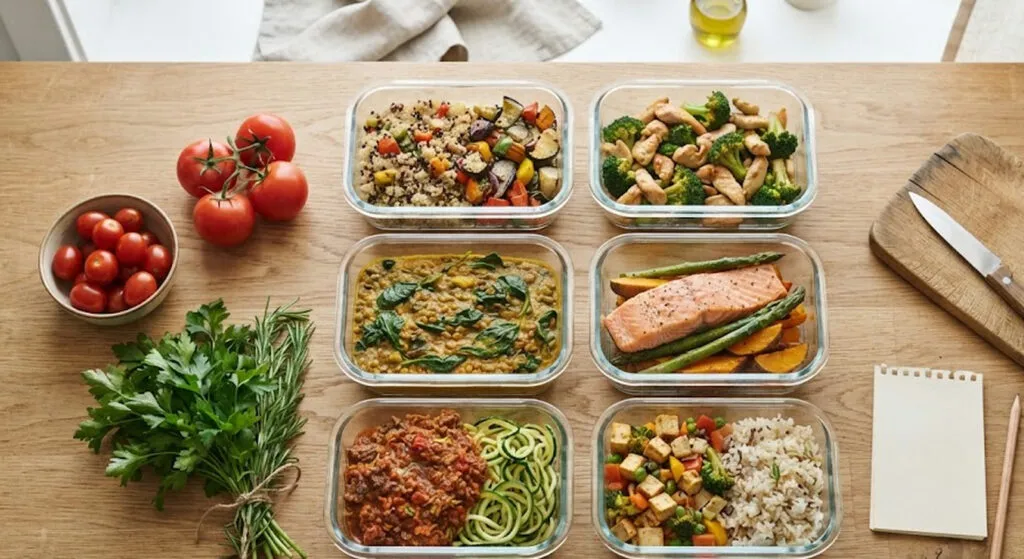
Fourteen dishes, none longer than thirty minutes, and vegetables as the base rather than a side. This is also the...
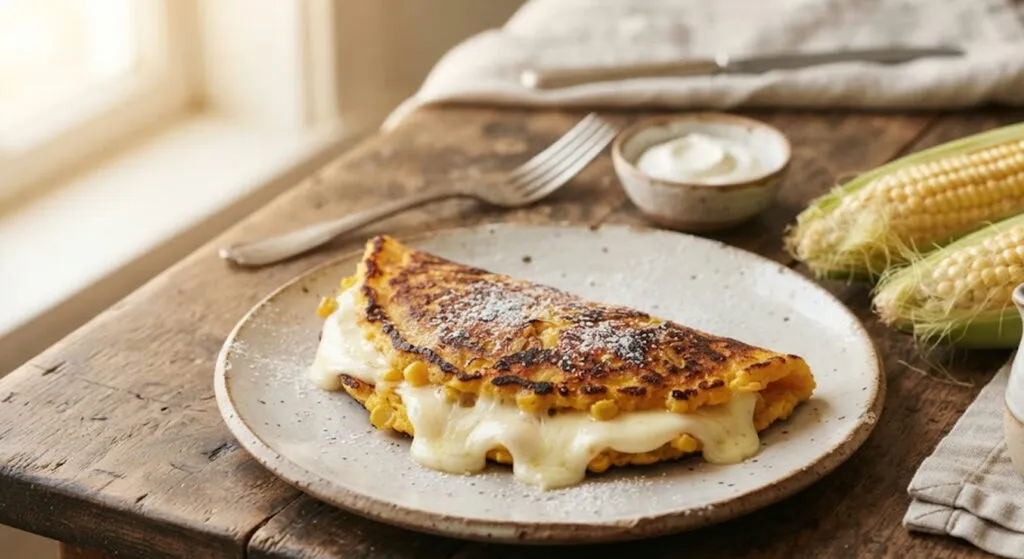
The batter is mildly sweet, the filling salty, and that contrast is exactly what holds the dish together. Two recipes...
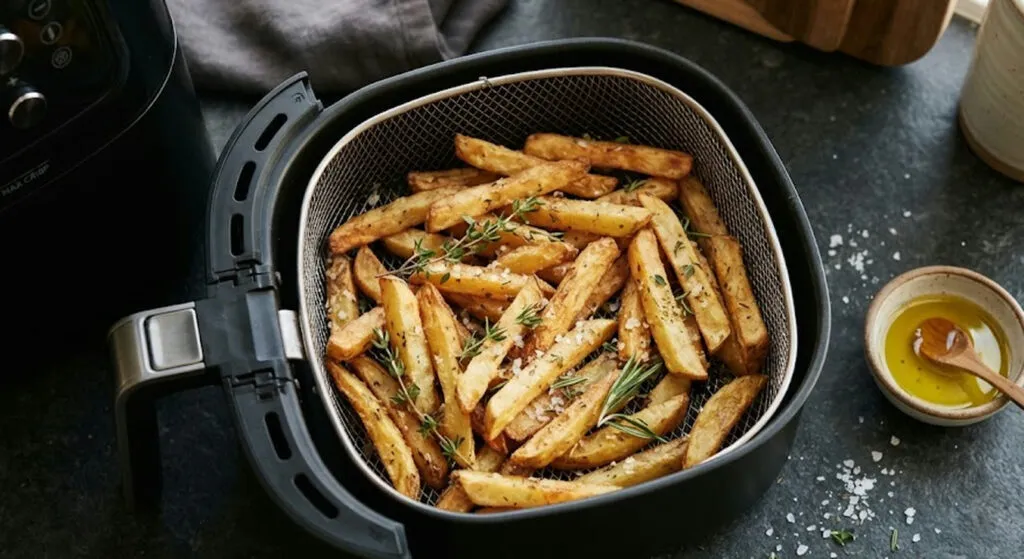
The first pass at 800 watts confits the potato from the inside. The starch comes out with water, the salt...
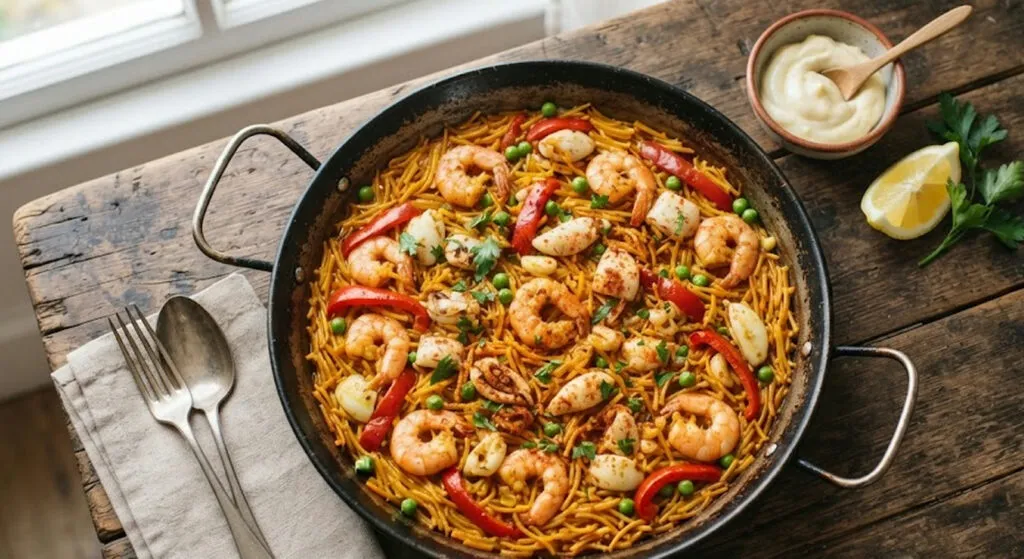
A dish born because a boat ran out of rice. Ready in under twenty-five minutes - as long as you...
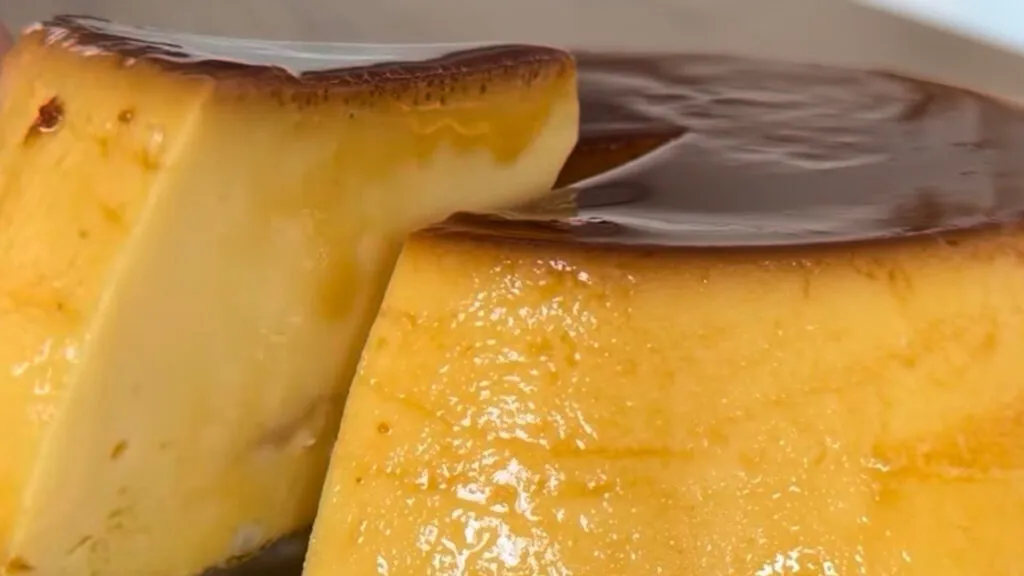
The whole flan breaks in three places - hot milk, vigorous whisking and turning it out before the fridge. Not...
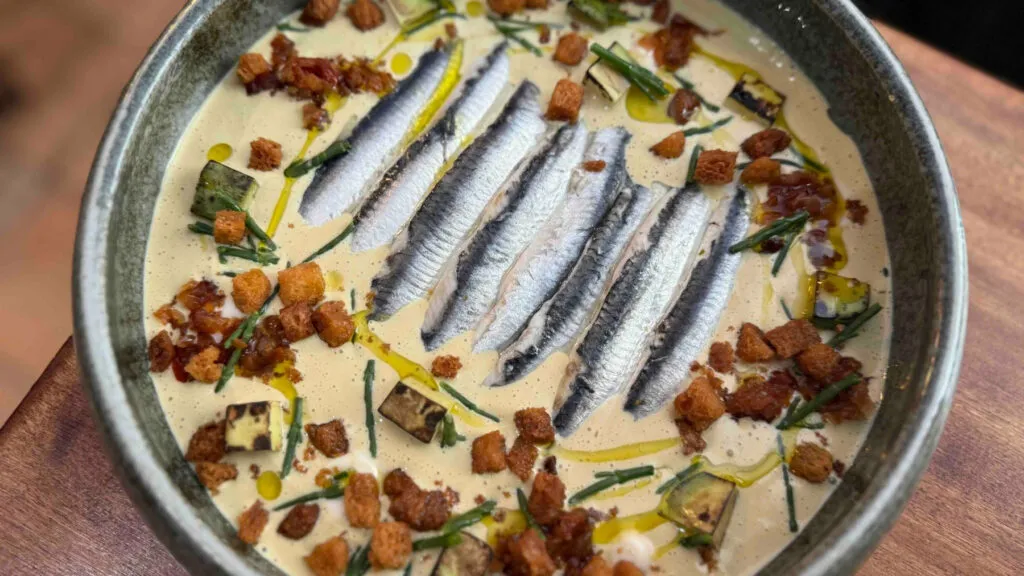
A Madrid chef adds a Peruvian sauce to a dish every Mediterranean coast has its own version of. The full...
This site uses cookies - is that okay? Learn more
Be the first to know when Metla launches something new
Leave your email and we will write when there is a new guide or something new on Metla.
