A Pole Drove 164 km/h Where the Limit Is 80: The Camera Caught Him, the Border Stopped Him
23.08.2026


23.08.2026

23.08.2026
23.08.2026

23.08.2026
22.08.2026

22.08.2026

23.08.2026

23.08.2026

22.08.2026

23.08.2026

23.08.2026

23.08.2026

23.08.2026

22.08.2026

21.08.2026

23.08.2026

23.08.2026

23.08.2026

23.08.2026

23.08.2026

22.08.2026

09.03.2026

27.02.2026

19.02.2026

23.08.2026
23.08.2026

22.08.2026

23.04.2026

23.04.2026

12.04.2026
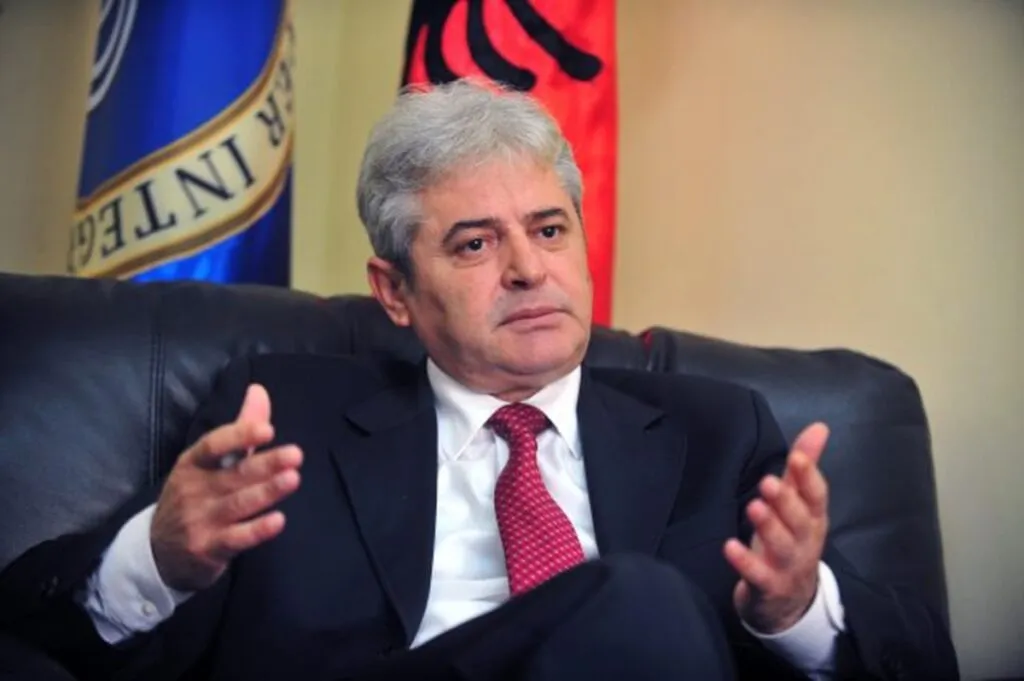
Five years of investigation. A closed pre-investigation. Fourteen people who never came home from the modular hospital in Tetovo. And silence from the man whose party was in power at the time.
The prosecution has closed the pre-investigation into the public procurement of the 19 modular hospitals, after finding insufficient evidence of a criminal offence connected to the procurement itself. That is the formal epilogue. The questions, as those asking them point out, are not closed with it.
Who is silent and who is asking
VLEN and VREDI want answers from Ali Ahmeti and DUI. There are none.
"In the face of the tragedy in which 14 people died in Tetovo, their silence continues," their statement reads. The demand is direct: Islam Abazi, who now heads the Prosecutor's Office for Organised Crime and Corruption, should publicly and fully explain how such a conclusion was reached.
The second point is political, and harder to sidestep: "Ali Ahmeti cannot behave as if this issue does not politically concern DUI. The tragedy happened in the period when his party was in power, and today, after five years of investigation, the victims' families are still facing a large number of unanswered questions."
A closed case is not an answered question
Here it is worth drawing the distinction that press releases blur. The closed case concerns the procurement - how the hospitals were bought, at what price, from whom. Separately from that, there are already final convictions of former hospital directors over failures in fire safety.
So somebody has already been held to account. But for something else - not for the decision to buy and install these buildings exactly as they were.
And that is the point where criminal liability and institutional accountability part ways. The prosecution determines whether there is enough evidence of a criminal offence. That is not the same as the question of who approved the standards, who signed the specification, who carried out the oversight, and why.
Closing the case does not prove that no offences were committed. Only that prosecutors did not find enough evidence to pursue them. The difference between those two sentences is the difference between legal and political accountability - and it is in exactly that crack, five years on, that the families are still standing.
What is missing is not a new investigation. What is missing is an explanation that someone will sign with their own name.
The latest 10 news from this category
Five or six points covering two years, plus the contrast clearly designed to stick: wages and pensions versus a new...
The offer costs nothing as long as nobody takes it up - and if it is taken up and lost,...
SDSM alleges kickbacks of 300,000 euros, VMRO-DPMNE replies that the house belongs to the father. Questions about bribery and tenders...
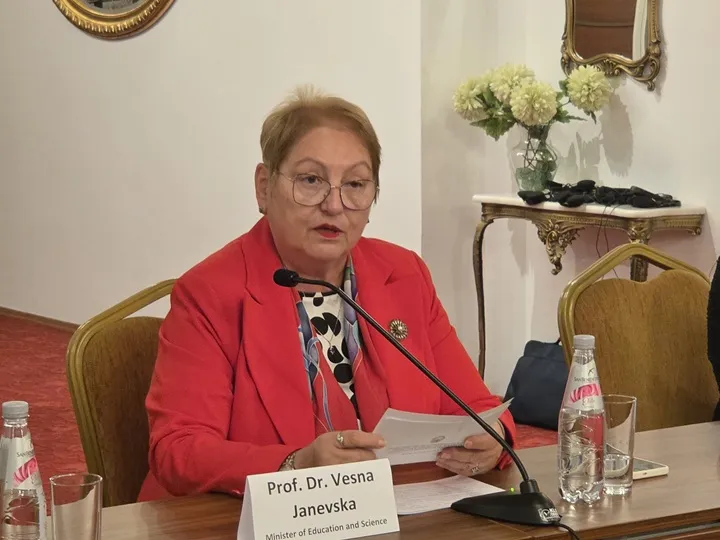
The opposition alleges a campaign against school heads who are not party loyalists; the ministry calls it manipulation. The education...
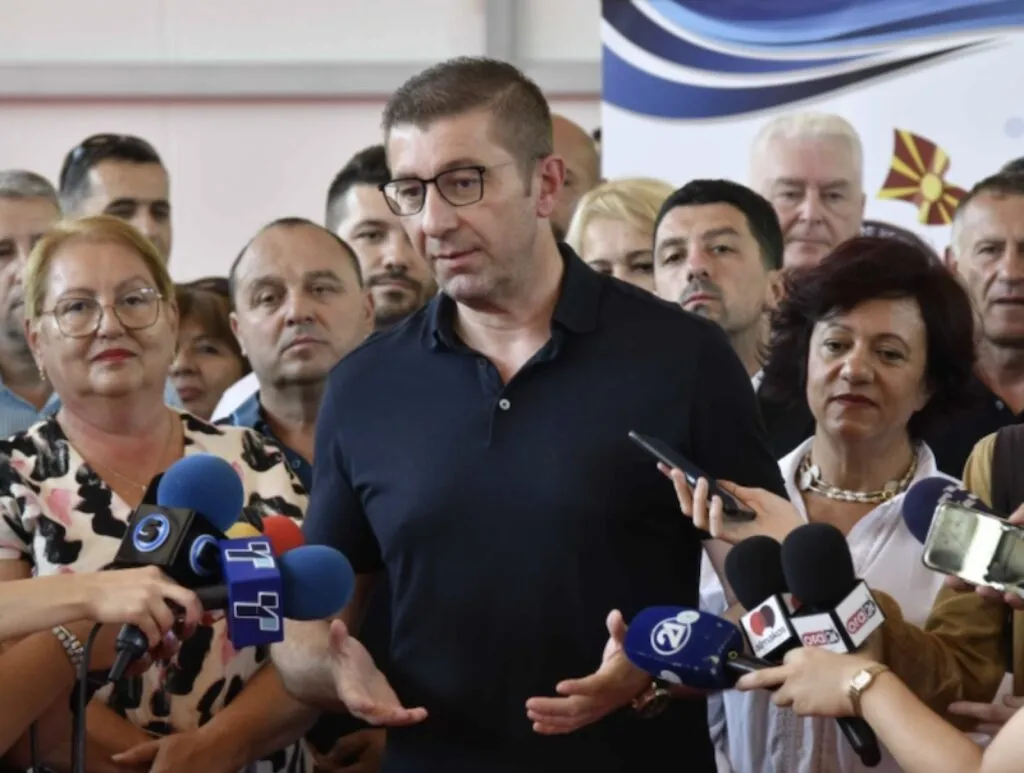
Three people are in custody, the investigation is ongoing, and the press releases revolve around who failed to mention whom....
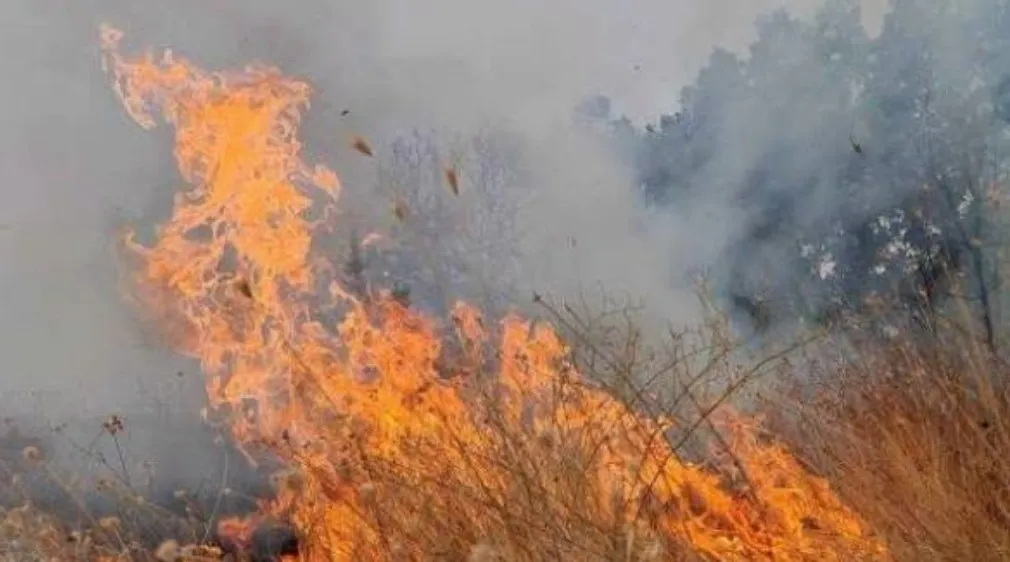
The fire near Ramni Gaber was caused by a spark from a cable, according to initial information. Maintaining overhead lines...
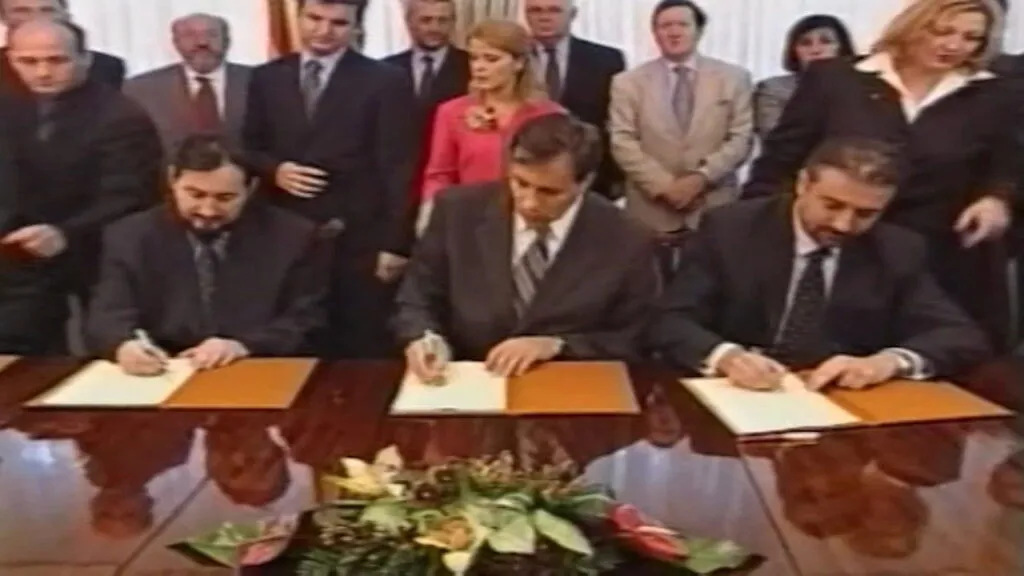
The country could not manage a joint anniversary for the document that stopped a war. Mickoski marked it on Facebook.
A 2025 ruling simply was not enforced. When the country's top judicial bodies trade press releases, the citizen who won...
Bulgaria wants a minority written into the constitution, Macedonia wants the Strasbourg judgments respected. The question left unanswered is what...
Both sides have a solid legal argument. While they trade statements, the case that started the whole argument sits in...
This site uses cookies - is that okay? Learn more
Be the first to know when Metla launches something new
Leave your email and we will write when there is a new guide or something new on Metla.