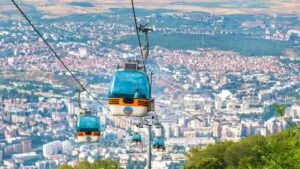
Three of Four Sensors Were Dead: Skopje's Vodno Cable Car Ran Fifteen Years Without a Real Service
17.09.2026


17.09.2026
17.09.2026

17.09.2026

17.09.2026
17.09.2026

17.09.2026
17.09.2026
16.09.2026
15.09.2026

17.09.2026
17.09.2026
16.09.2026
17.09.2026

17.09.2026

17.09.2026
17.09.2026
16.09.2026

15.09.2026

17.09.2026

17.09.2026

17.09.2026

17.09.2026

17.09.2026

17.09.2026

09.03.2026

27.02.2026

19.02.2026

23.04.2026

23.04.2026

12.04.2026

There are places a person remembers all their life, and Kenya is one of them. When a safari promises lions, elephants and a million animals on the move across the same plain, it is hard not to be amazed. This is a continent that has no need to impress - it simply exists in its own vastness.
The best-known destination is the „Masai Mara” reserve, 1,500 square kilometres that extend the plains of the Serengeti. From July to October the Great Migration takes place here - over a million wildebeest, joined by hundreds of thousands of zebras and gazelles, cross the Mara river. It is one of the greatest natural spectacles on the planet, and a hot-air balloon gives a view no screen can capture.
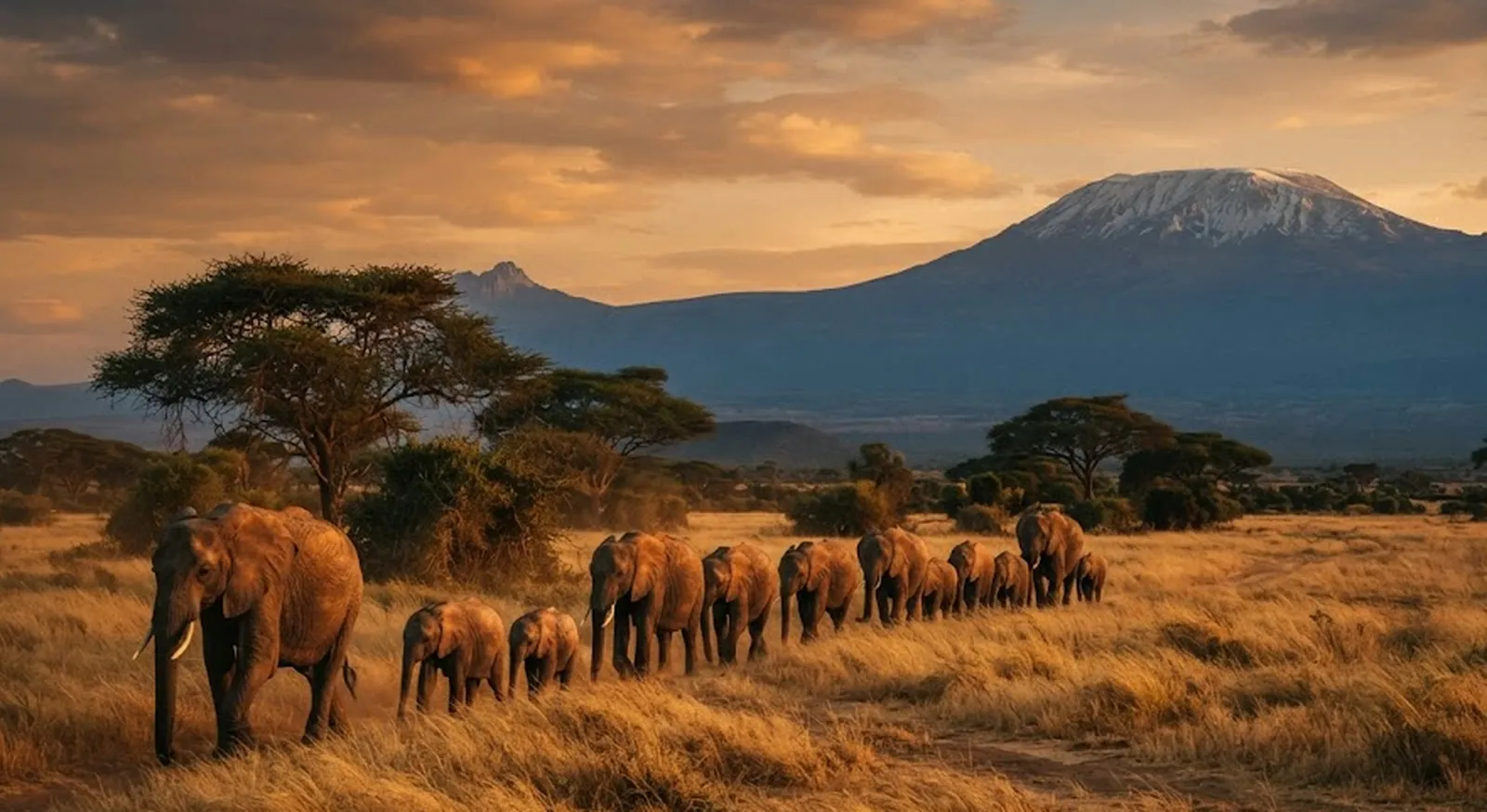
To the south, towards the border with Tanzania, stretches the „Amboseli” national park - a place known for its huge herds of elephants. It is right here that the iconic image comes to life: elephants striding, and behind them rises Kilimanjaro, the highest peak in Africa. The Maasai people call it „Ol Doinyo Oibor”, the white mountain. The name Amboseli, meanwhile, comes from a word meaning „salty and dusty place” - a remnant of an ancient dried-up lake.
For those looking for something different, Lake Nakuru is one of the main refuges for rhinos in Africa, where both the white and black species can be seen relatively easily. Historically it was known for its pink shores crowded with flamingos, though today their presence changes from season to season. Rothschild giraffes, buffalo, lions and leopards live here too.
Farthest to the north, the „Samburu” reserve looks entirely different - red sand, thorny acacias and palms in an otherwise inhospitable landscape. There are fewer vehicles here and a more intimate experience, and the so-called „Samburu Special Five” lives here too: species not found anywhere else in the region. The indigenous Samburu people, close to the Maasai, still live with their livestock alongside the wildlife.
This is not a cheap holiday and it is not for everyone. But when a Balkan person is used to the familiar dream of the sea and the beach, it is worth knowing there is another kind of travel too - the kind that changes you, not just rests you. The only question is whether we are ready to pay for a memory instead of a tan.
The latest 10 news from this category

Of twenty-five new inscriptions, five are natural - and only one is in Europe. For the richest of them, the...
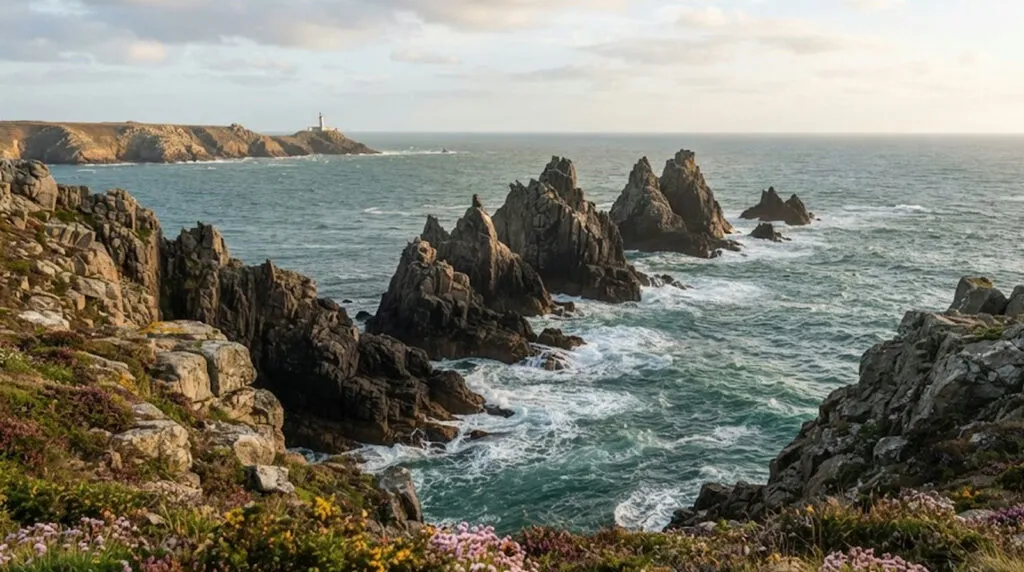
Fifty beaches, more than 120 villages and a trail France voted its favourite. Monet came for a few days and...
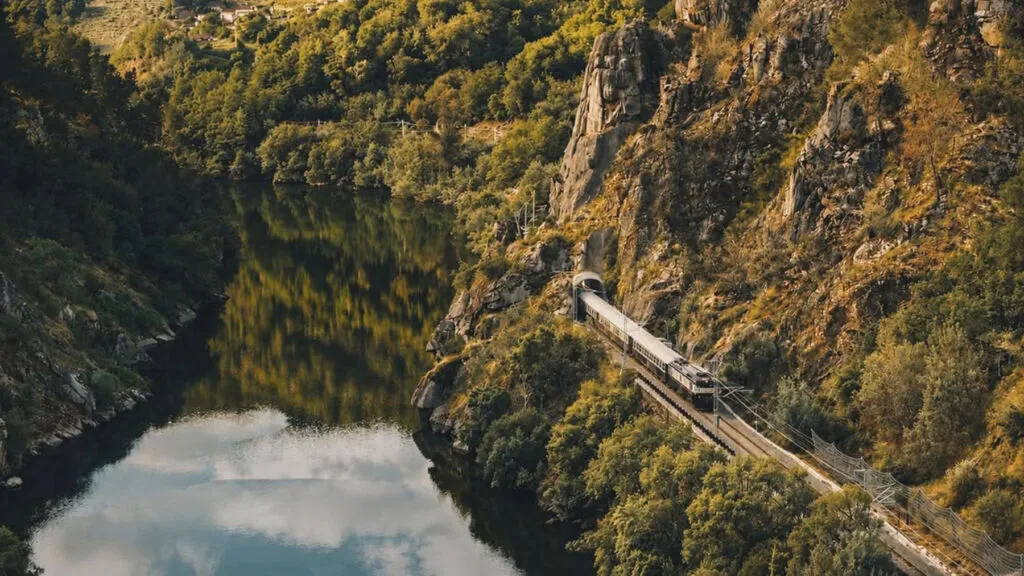
Restored carriages, a locomotive they call the Japanese Woman and a 28.95 euro return ticket. What it sells is not...
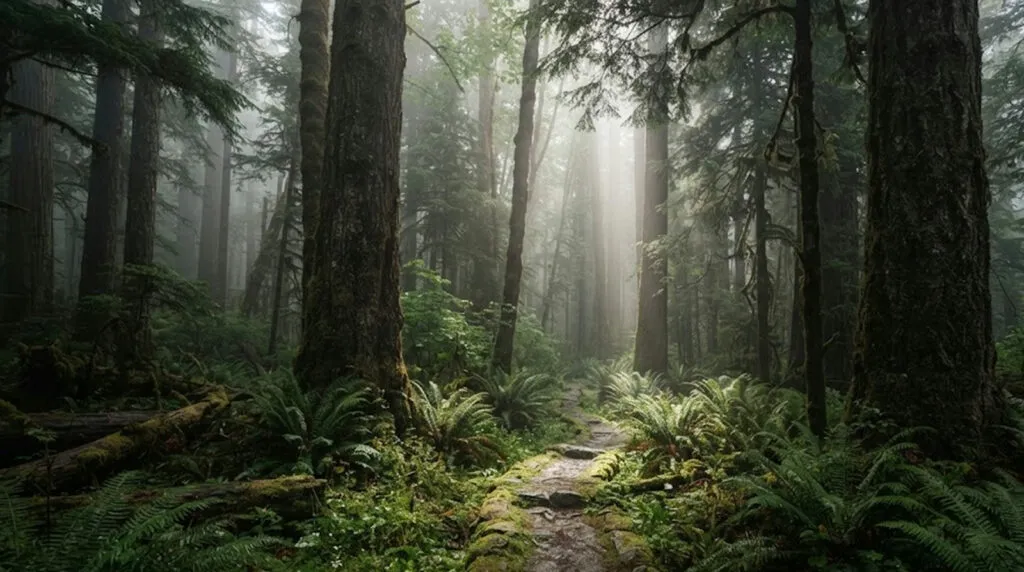
Two hundred and fifty tree species from every corner of the world, a monastery from 1628 and a palace that...
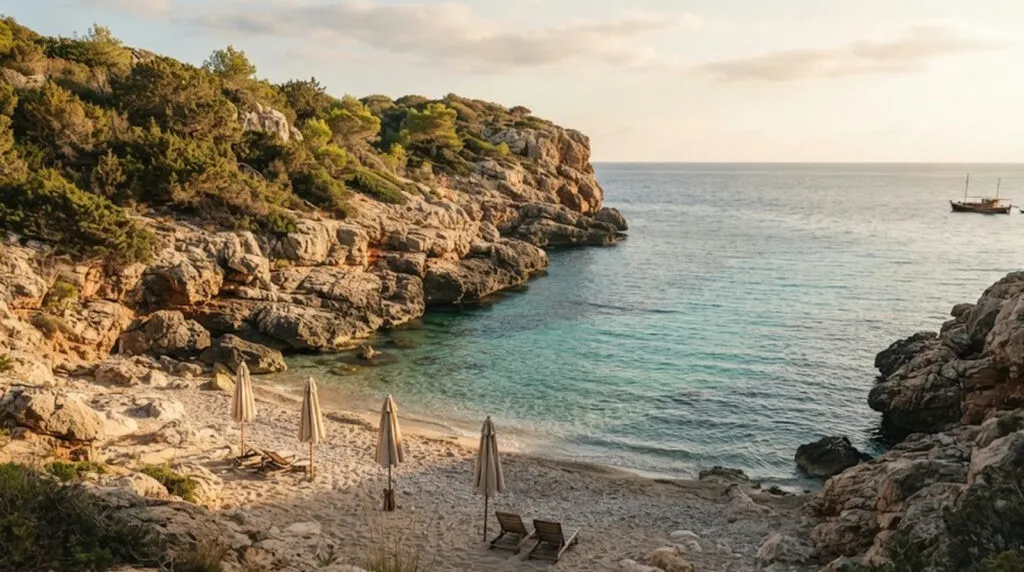
The same places cost more in August, look crowded and are experienced at half strength. The difference is made by...
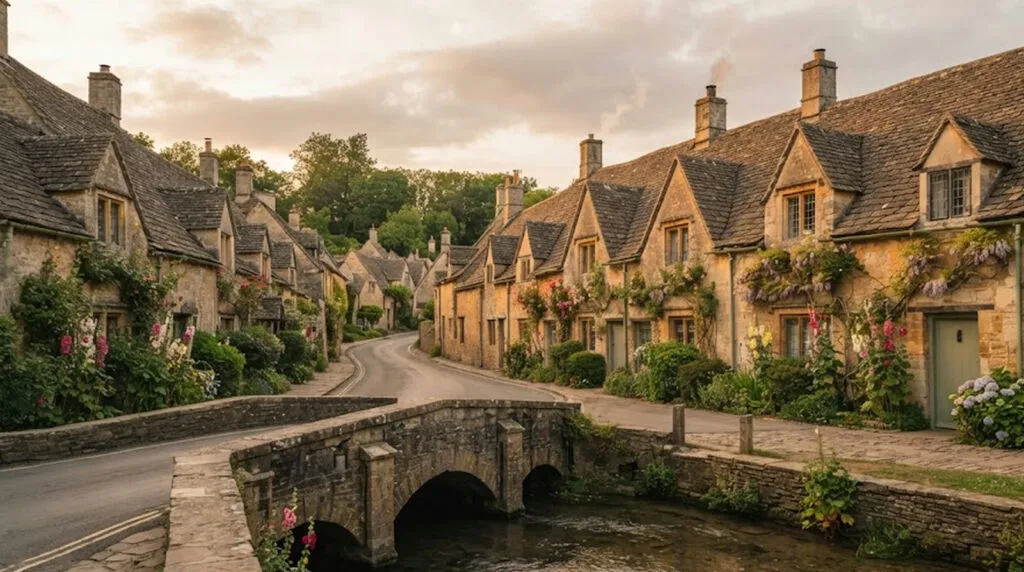
The Beckhams have a place there, so do Kate Moss and Ellen DeGeneres. But the Cotswolds needs none of those...

Down on the coast the buses pass each other with centimetres to spare and all you see is people. Up...
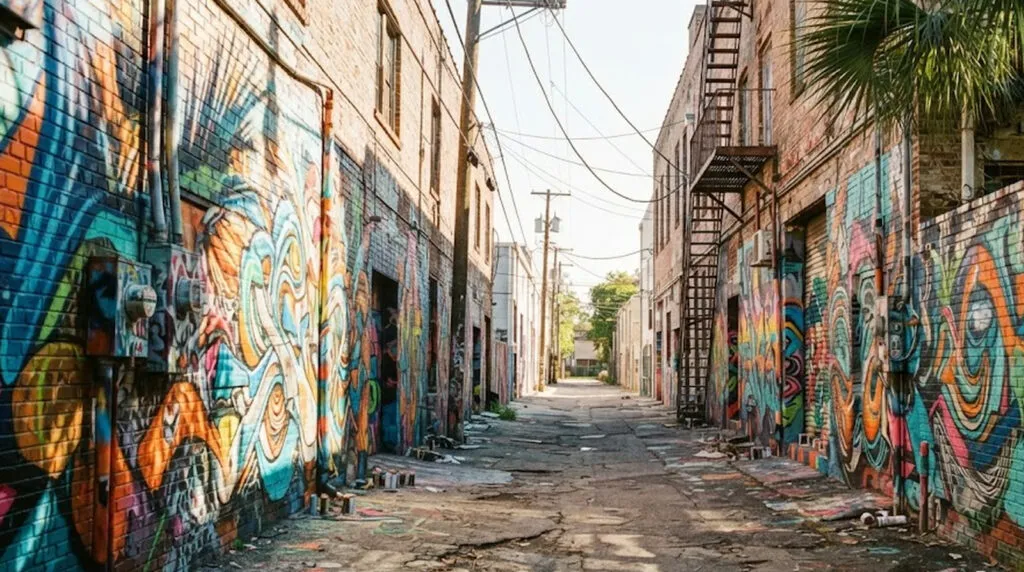
Empty warehouses, low rents and one real estate developer. A model we know without flying to Florida.
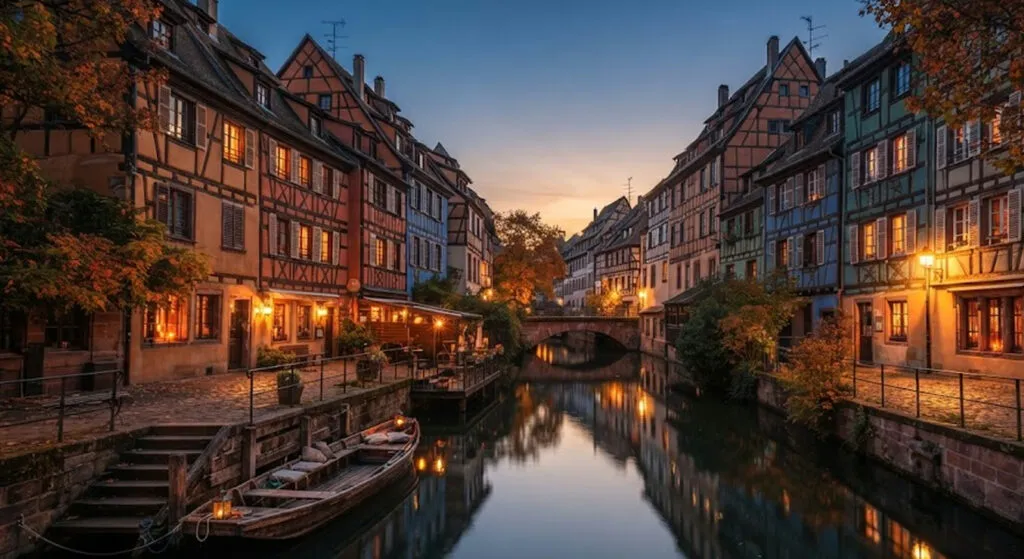
Old tanners' and dyers' workshops, built directly over the river. From 10 to 13 September the town puts boats and...
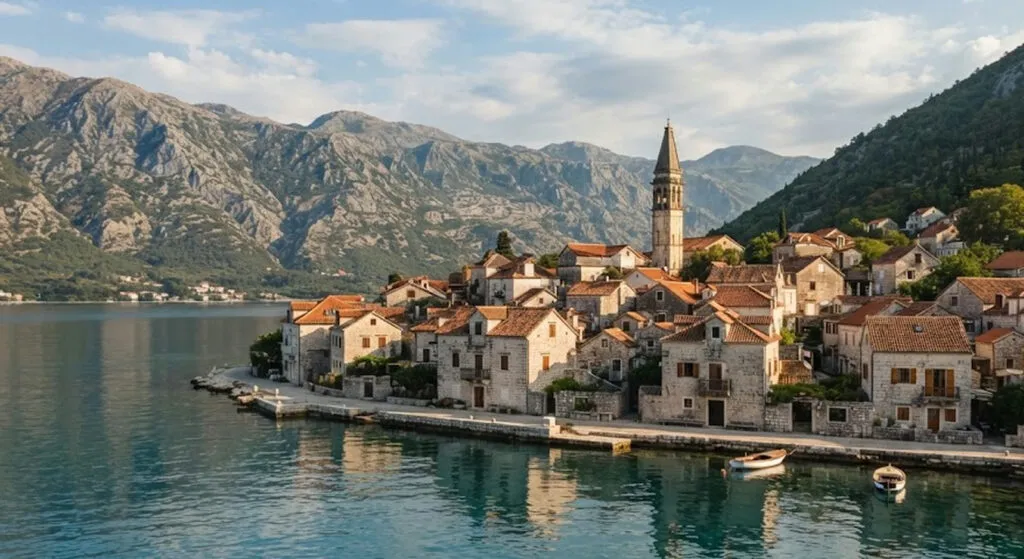
The Albanian Riviera, Montenegro, Sardinia, Lyon and the Algarve. The same weather as August, fewer people, and a bill that...
This site uses cookies - is that okay? Learn more
Be the first to know when Metla launches something new
Leave your email and we will write when there is a new guide or something new on Metla.