
A New Criminal Complaint Against Jakimovski: A Building Permit Based on a Plan Struck Down Back in 2018
16.09.2026


16.09.2026
16.09.2026

16.09.2026

16.09.2026

16.09.2026

16.09.2026

16.09.2026

15.09.2026

14.09.2026
16.09.2026
16.09.2026

15.09.2026

16.09.2026

15.09.2026

14.09.2026

16.09.2026

16.09.2026

16.09.2026

16.09.2026

15.09.2026
15.09.2026

09.03.2026

27.02.2026

19.02.2026

16.09.2026

15.09.2026

14.09.2026

23.04.2026

23.04.2026

12.04.2026

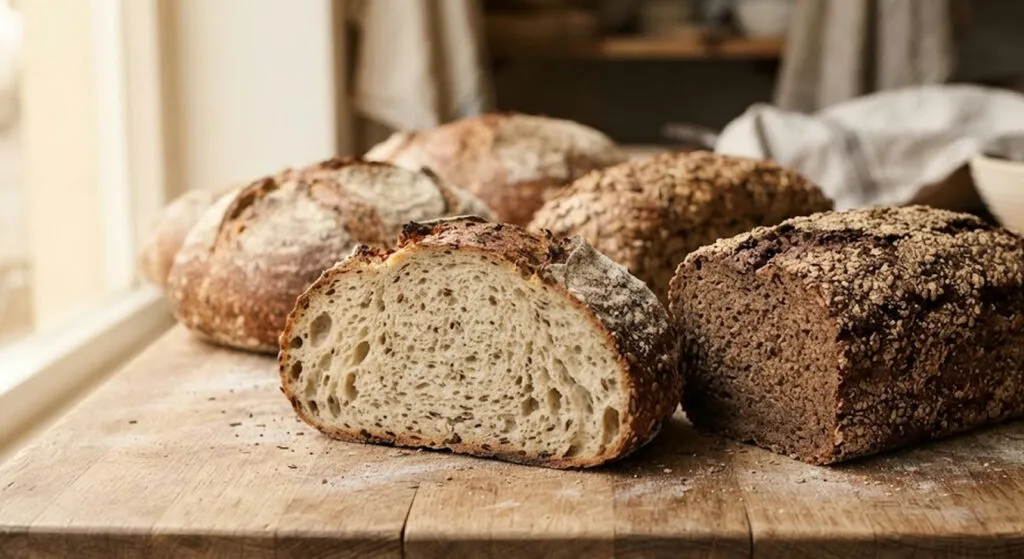
A dark colour and seeds on the crust mean nothing. That is the whole point, and it is exactly what half the shelf in every supermarket relies on.
Nutritionist Elena Pareja says it plainly: bread is wholemeal only when it is genuinely made from wholemeal flours. Not when it looks wholemeal. The colour can come from malt, from caramelised sugar, from grain colouring - additives that carry not a gram of fibre. Seeds stuck on top are decoration too, not composition.
The second thing that demolishes the marketing: the calorie difference between wholemeal and white bread is minimal. If you are buying wholemeal in order to eat fewer calories, you are buying for the wrong reason. The advantage is in the fibre - it gives longer satiety and eases intestinal transit. That is the real reason, and it has nothing to do with the number on the label.
Pareja says something that sounds obvious until you try doing it: read the ingredients list and check the percentage of wholemeal flour or whole grain. Not the front of the packet. The front is an advertisement. The ingredients list is the only place where the manufacturer has to tell the truth, and that is precisely why it is printed smallest.
Nor is there a universal daily amount. It depends on how much energy you burn - not on a figure somebody repeats on television. What Pareja advises is different: look at whether the bread is colliding with other sources of carbohydrate in the same meal. Bread next to potatoes next to rice is not a question about bread, but about the whole plate.
And the last point, which is actually the biggest: when losing weight, the overall dietary pattern and total energy intake matter more than any single food. So no bread on its own will make you gain weight, and no bread on its own will make you lose it. But the industry lives off precisely the opposite belief - that one cleverly bought packet solves your entire diet.
The latest 10 news from this category
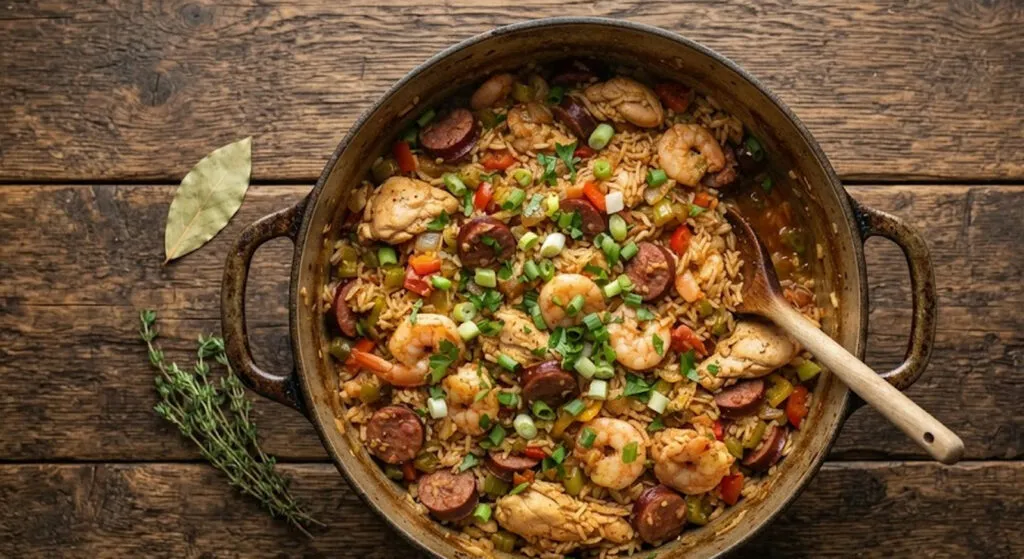
Jose Andres has lived in America for over thirty years, and when asked for his favourite American dish he named...

Two in the morning, two around midday, two in the evening. Not one requires an up-front investment - which makes...
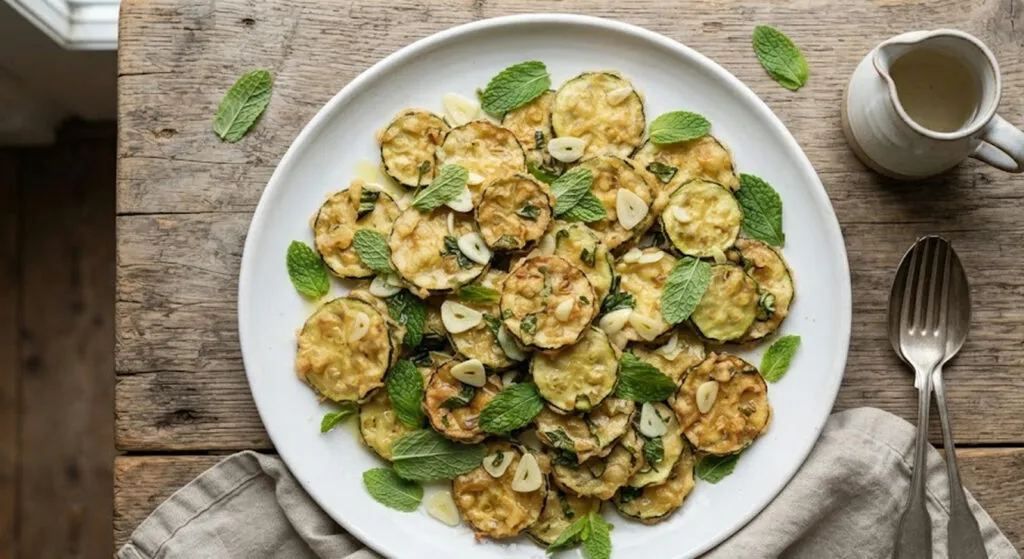
A kilo of courgettes, mint, garlic and eighty millilitres of vinegar. Not one expensive ingredient - and the water you...

It is not the message that drains you, but the blank it opens until you read it. Response time has...
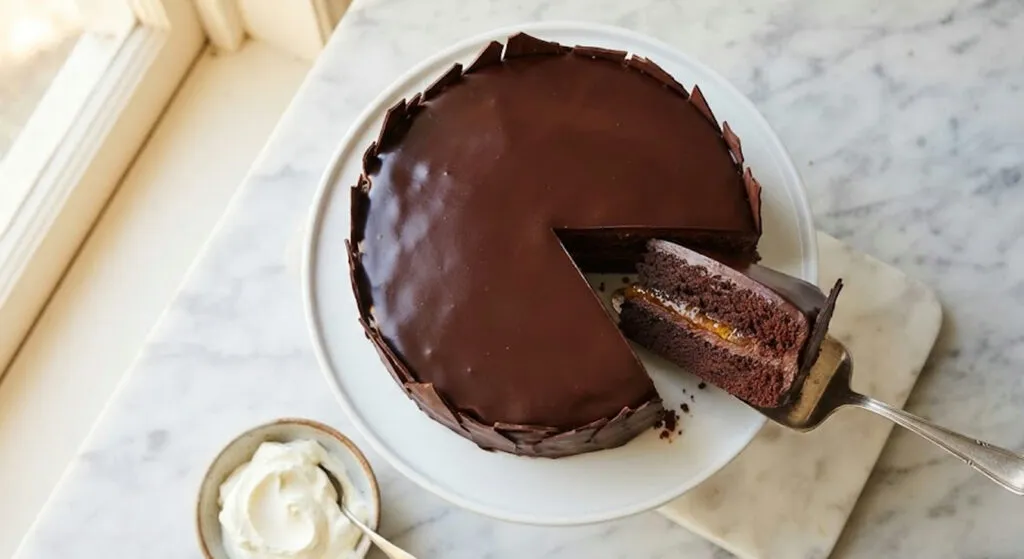
Whoever beat all the eggs together made a different cake. And the glaze must not pass 45 degrees, or the...
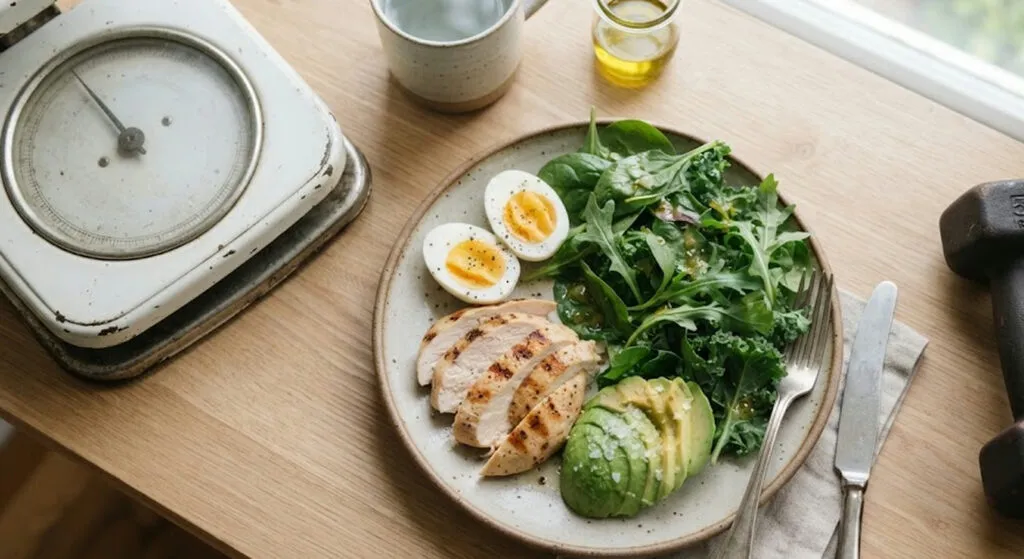
If your day revolves around what you are allowed to eat, maybe you do not need more willpower. Maybe the...
One rule applies to all three and it is the one most often skipped. It is not a recommendation to...
A psychologist explained the mechanism the food industry has no way of selling: the decision made in front of the...
One single ingredient separates melitzanosalata from mutabal - tahini. Three aubergines, one clove of garlic, and an oven at 220...

The algorithm gets it wrong and corrects itself on the next question. If the mistake is in your diet for...
This site uses cookies - is that okay? Learn more
Be the first to know when Metla launches something new
Leave your email and we will write when there is a new guide or something new on Metla.