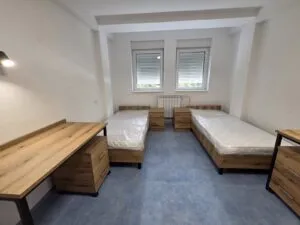
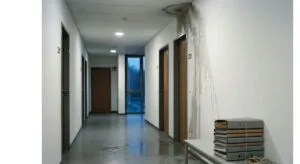
Stiv Naumov dorm renovated for around 10 million euros: a month later water runs through the walls and the ministry counts wet wipes
24.10.2026


24.10.2026
24.10.2026
24.10.2026

24.10.2026
24.10.2026

24.10.2026
24.10.2026

23.10.2026
22.10.2026
24.10.2026
24.10.2026

23.10.2026

24.10.2026

24.10.2026

24.10.2026

24.10.2026

23.10.2026
22.10.2026

24.10.2026

24.10.2026

24.10.2026

24.10.2026

23.10.2026
23.10.2026
24.10.2026

23.10.2026

23.10.2026
24.10.2026
22.10.2026
20.10.2026

23.04.2026

23.04.2026

12.04.2026

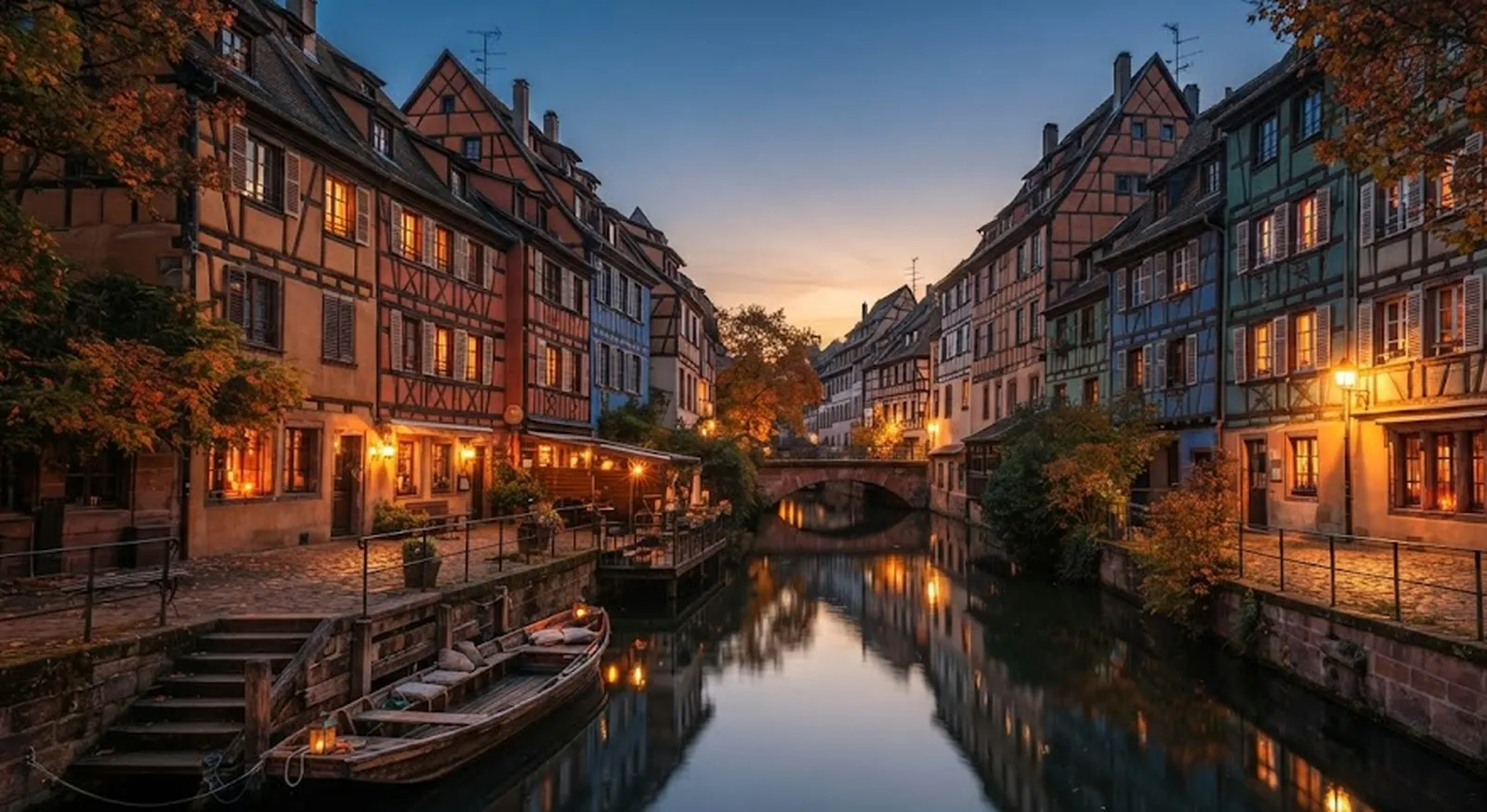
There is a French town that for four days a year pretends to be Venice - and, unlike most such attempts, it has grounds for it. Castres, in the Tarn department, is built over a river, with rows of old houses opening directly onto the water. They are not tourist decoration. They were the workshops of tanners, dyers and craftsmen, today converted into homes and shops.
From 10 to 13 September the town holds its Escapade Vénitienne. The peak is on Friday 11 September, with the so-called celebration on the water: a procession of boats along the river Agout, choreography, acrobats and a symbolic "flight of the angel" - the same ritual Venice has been performing for centuries. Masked figures in eighteenth-century costume move through the lanes, an Italian market is set up, there are processions and performances.
What makes the place more than a festival is what stays once the masks come off. Castres is about an hour by car from both Toulouse and Carcassonne, surrounded by the greenery of the Haut-Languedoc regional park. The old quarter has medieval lanes, a cathedral, the ruins of a castle on the hill and a square named after Jean Jaurès, the socialist politician born right here.
And here comes the surprise. Inside the seventeenth-century bishop's palace is the Goya museum, holding one of the most significant collections of Spanish art in France - Velázquez, Murillo, Alonso Cano, Picasso. A town of this size holding a collection like that is a rare thing.
The bishopric's gardens were laid out on the principles of André Le Nôtre, the man who conceived the gardens of Versailles. Geometry, symmetry, nothing left to chance.
The surroundings offer three more reasons to stay longer. Sidobre is an area of enormous granite blocks scattered through the forests. Hautpoul is a medieval village on a rocky ridge thirty kilometres south, tied to Cathar history - a 140-metre footbridge leads to it, linking the two heights at Mazamet. And in Sorèze, some thirty-five kilometres west, stands a former eighteenth-century abbey-school that became a royal military academy, today open as a museum.
For a reader from the Balkans all of this has a familiar shape. A small town with a river, old houses above the water, a fortress on the hill and a festival that gives the calendar its meaning. The difference is not in what they have - the difference is that with what they have, they do something four days a year.
The latest 10 news from this category

Of 80 towers, just over twenty remain, the palace where the queen who sent Columbus was born is today a...
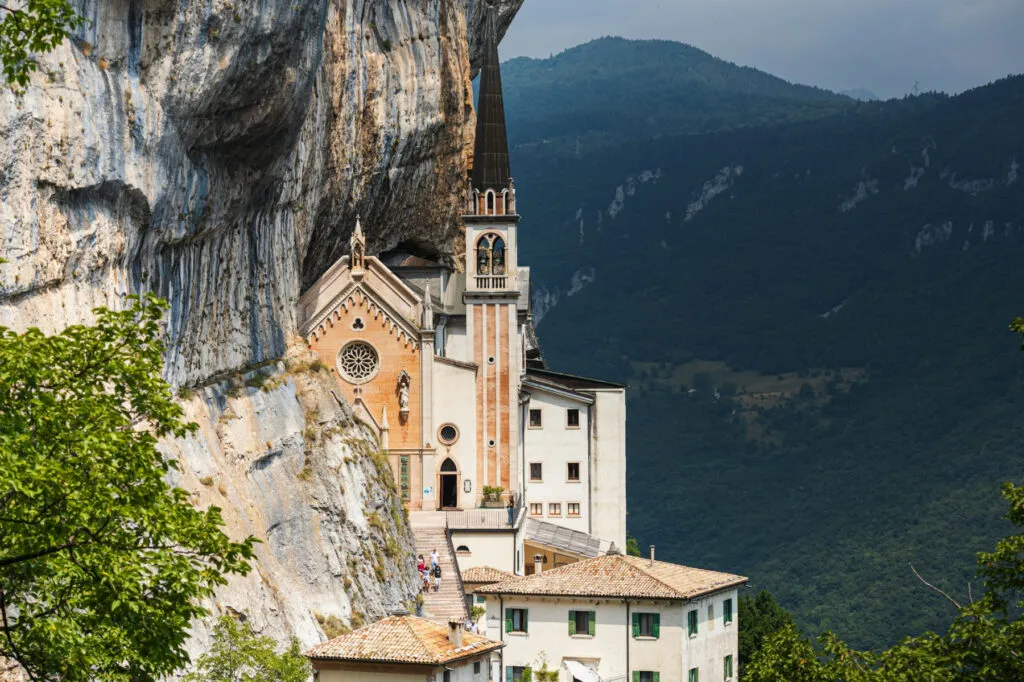
Hermits, a legend about a statue that arrived from Rhodes and bus number 499. One of the most unusual places...
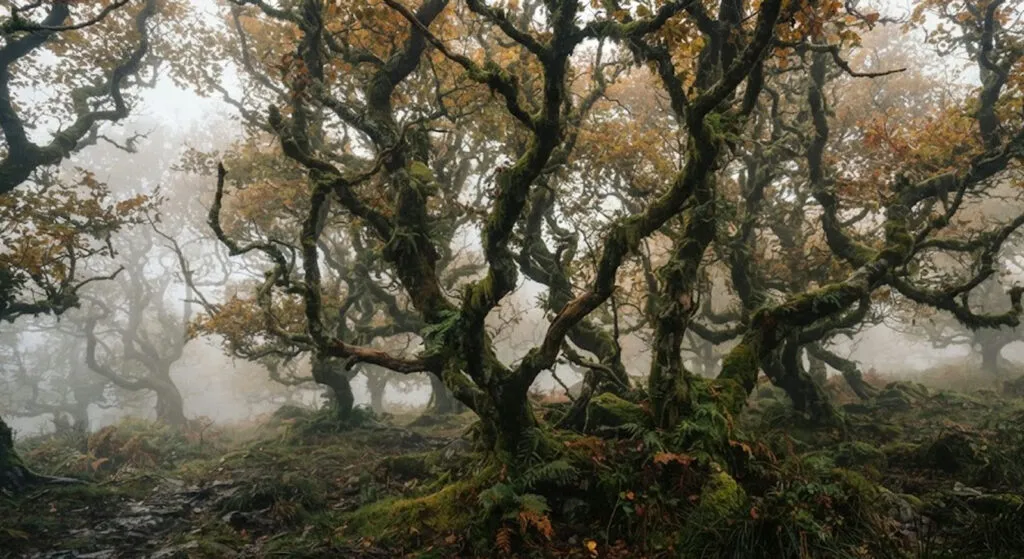
One of the wildest isn't in Scandinavia but in the Balkans: Perućica in Bosnia, with trees taller than 50 metres...
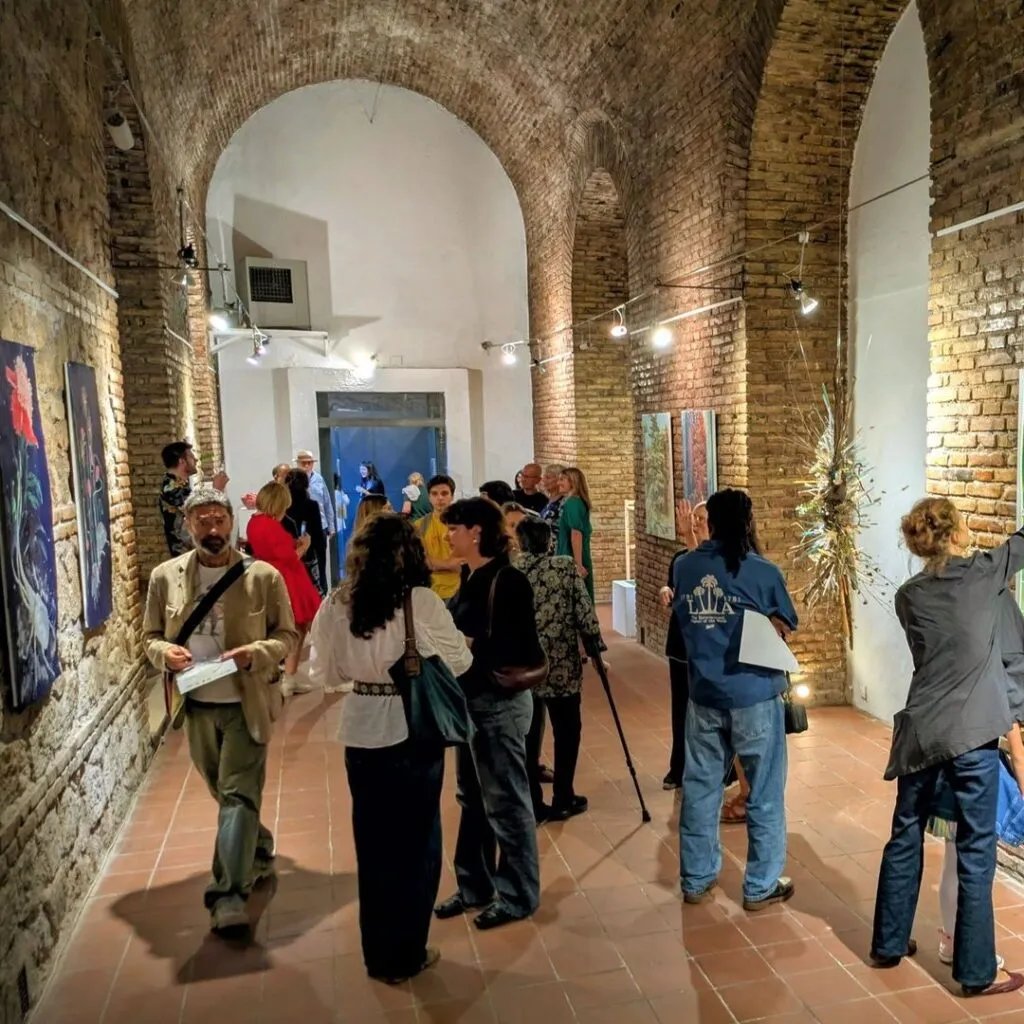
Galleries in former factories, the pope as a pop icon and Keith Haring in a palazzo. Entry is free, and...
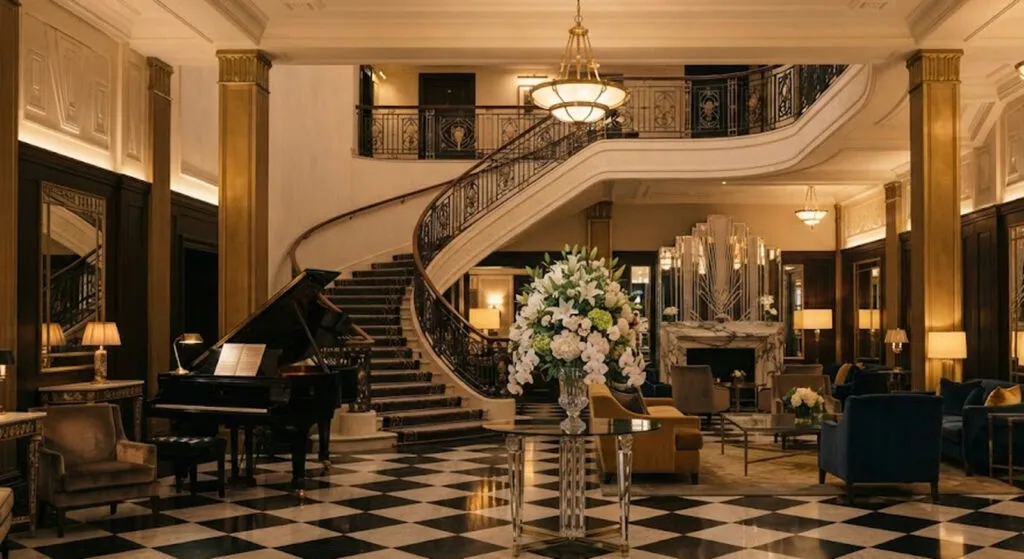
Deposed kings, a future queen who said "yes" on the third try and Kate Moss's party that staff still won't...
An Alpine lake with no concrete on its shores, a 15th-century castle that starred in the Sissi films, and a...
The film was booed at Cannes, and now it has an exhibition in the palace where the queen escaped protocol....
In Marche, families bought boxes at the theatre and left them in their wills like a field or a flat....
Beneath Robin Hood's city lies a whole underground world - caves that served as cellars, workshops and bomb shelters. Harry...
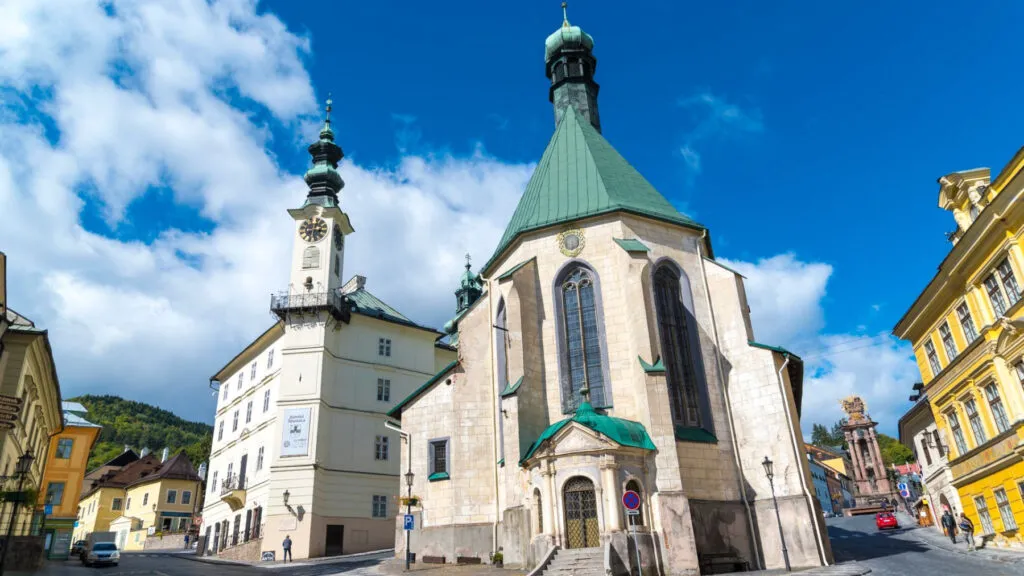
Once the third-largest town in the Kingdom of Hungary, today around 9,200 inhabitants, mining tunnels under the houses and the...
This site uses cookies - is that okay? Learn more
Be the first to know when Metla launches something new
Leave your email and we will write when there is a new guide or something new on Metla.