A New Criminal Complaint Against Jakimovski: A Building Permit Based on a Plan Struck Down Back in 2018
16.09.2026


16.09.2026
16.09.2026

16.09.2026

16.09.2026

16.09.2026

16.09.2026

16.09.2026

15.09.2026

14.09.2026
16.09.2026

16.09.2026

15.09.2026
16.09.2026
15.09.2026
14.09.2026

16.09.2026

16.09.2026

16.09.2026

16.09.2026

15.09.2026
15.09.2026

09.03.2026

27.02.2026

19.02.2026
16.09.2026

15.09.2026

14.09.2026

23.04.2026

23.04.2026

12.04.2026

A shelf overloaded with books. A chest of drawers with family photographs. A cabinet where plates from three different sets are mixed together. A coffee table that is never quite empty. Until recently that was something you hid when guests were coming. Now it has a name and an entire theory behind it.
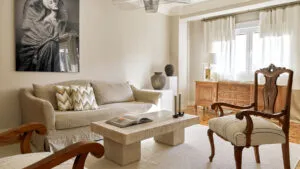
The term is "purposeful clutter". The name is badly chosen and easily misunderstood, so it is worth clearing up straight away what it is not. It is not piling things up without order. Nor is it maximalism - maximalism seeks abundance through colour, pattern, texture and mixing styles. This is about objects and the story behind them. A room with white walls, simple furniture and neutral tones fits it perfectly.
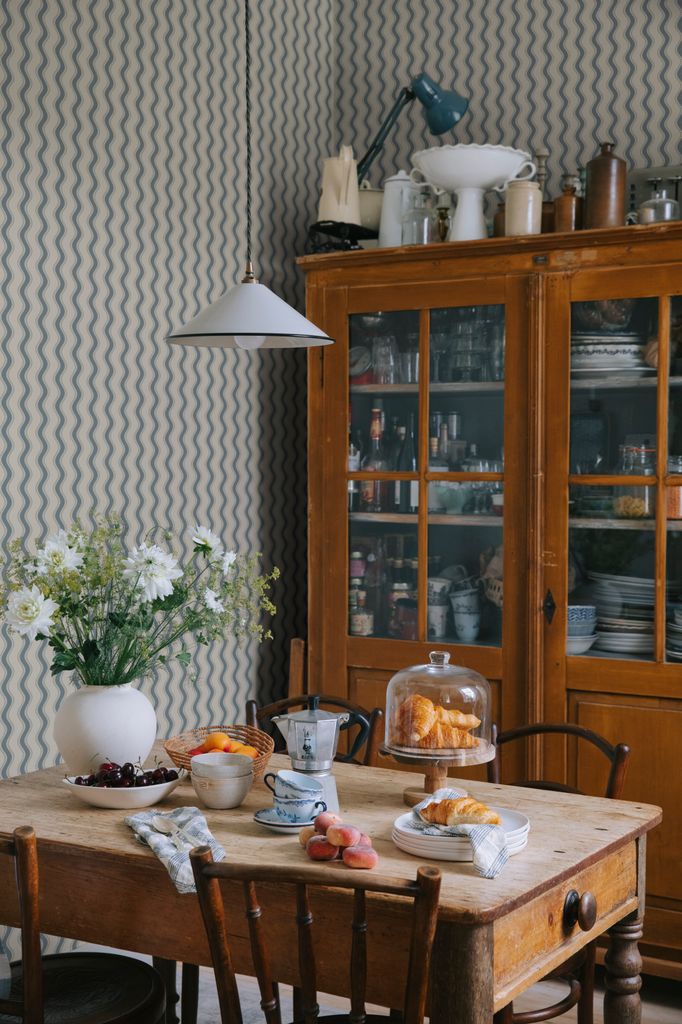
The display cabinet makes sense again. Plates, glasses, saucers and bowls stop being purely functional. And the best part: it does not all have to come from the same set. A combination of plain and patterned pieces, glasses in different shapes, trays from different eras - that produces a distinctive result. Just repeat a colour or a material so they tie together and do not look bought all at once.
What you want to avoid is the shop-window effect. Some shelves can be full, others can breathe. A small stack of plates beside a tilted tray, a few cups next to ceramics - that breaks the regularity and gives the impression of a collection grown over years rather than an order placed in a single day.
In the kitchen, the practical is already decoration. Wooden boards leaning against the wall, a basket of cloths, a few cookbooks, a ceramic jug, a mortar. Not everything has to go into a cupboard - some tools have enough presence to be part of the setting. But choose: the work surface must not get suffocated. Group by function or size - oils and spices on a tray, textiles in a basket, books and ceramics on one shelf.
Pictures do not have to sit in a grid. Photographs, prints, drawings, small mirrors, even ceramic plates can share the same wall without forming a regular lattice. The formula that always works: start from one larger piece and arrange the rest around it. The link between the pieces does not have to be obvious - the same frame, a repeating colour, or a similar ratio of sizes is enough.
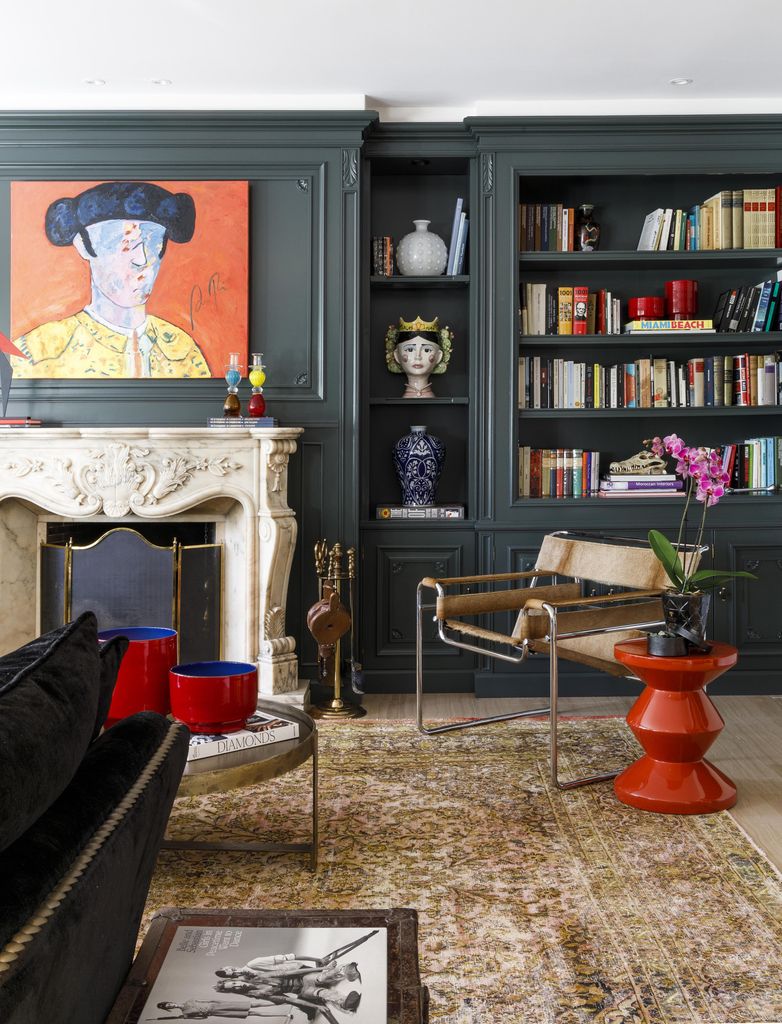
A bookcase is not only for books. If you want the shelf to look personal, break up the row of spines with frames, small sculptures, plants, mementos. And here the rule inverts - do not group by type. Mix. A few upright books can share a shelf with ceramics, a horizontal stack serves as a plinth for a small sculpture, a photograph leans behind an object.
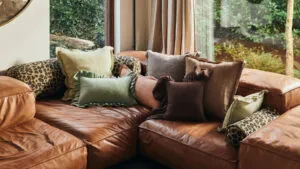
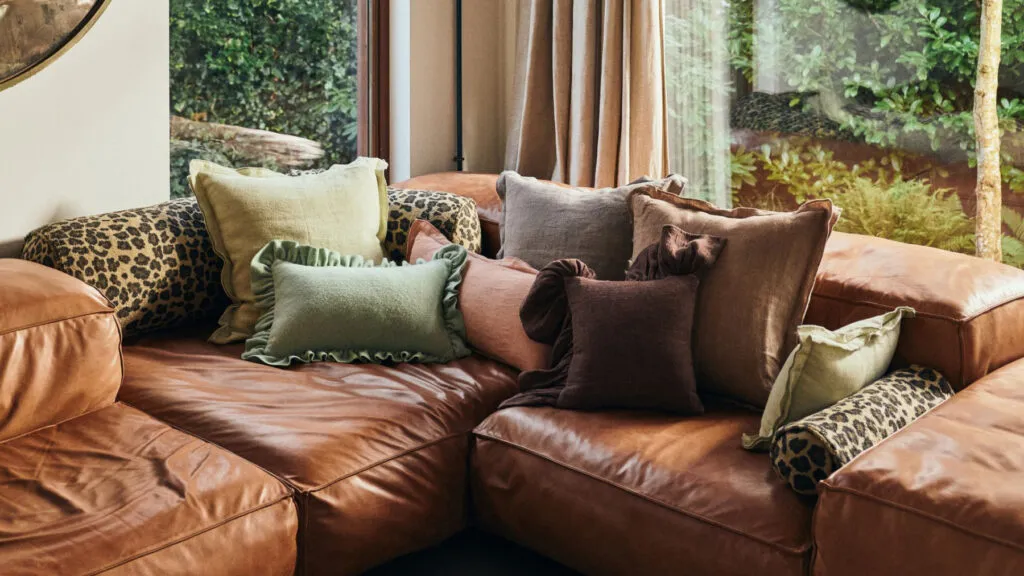
The sofa should look like someone has sat on it. When the cushions are arranged to the millimetre, you do not feel like sitting down. Different sizes, fabrics and patterns, placed without visible order, do the opposite. You do not need many colours - two or three tones are enough. Watch the proportions: a large square cushion at the back, a rectangular one in front and a smaller piece create depth.
A child's room is where this happens anyway. Trying to make everything disappear by the end of the day is a near-impossible mission. The picture books, the drawings, the toys, the blocks. Instead of fighting it, let them become part of the room. But every object needs its place: a shelf at their height for favourite books, hooks on the wall, baskets for toys, low furniture for whatever they use most.
Side tables are allowed to be used again. A book, a magazine, a tray, a candle. The coffee table or the small one beside the sofa does not have to stay completely bare when you tidy the living room - it is enough to leave room for a cup, a tablet or the remote. The same goes for the bedside table: an unfinished book, glasses, a phone. There is no reason for everything to disappear into a drawer. Just distinguish what genuinely belongs there from what is only waiting to be put away - cables, chargers, hand cream.
And the last one, which is in fact the whole point: not everything has to match. Rather than everything belonging to one collection or one style, the idea is to bring together things you like even though they come from different moments. The result looks less like a set bought all at once and more like a home built over time. And that is exactly what Balkan houses have always looked like - a cabinet holding a dinner service nobody ever completed, a picture of a grandfather next to something brought back from a trip. The years when that counted as untidy are over. Now it is a trend with an English name.
The latest 10 news from this category
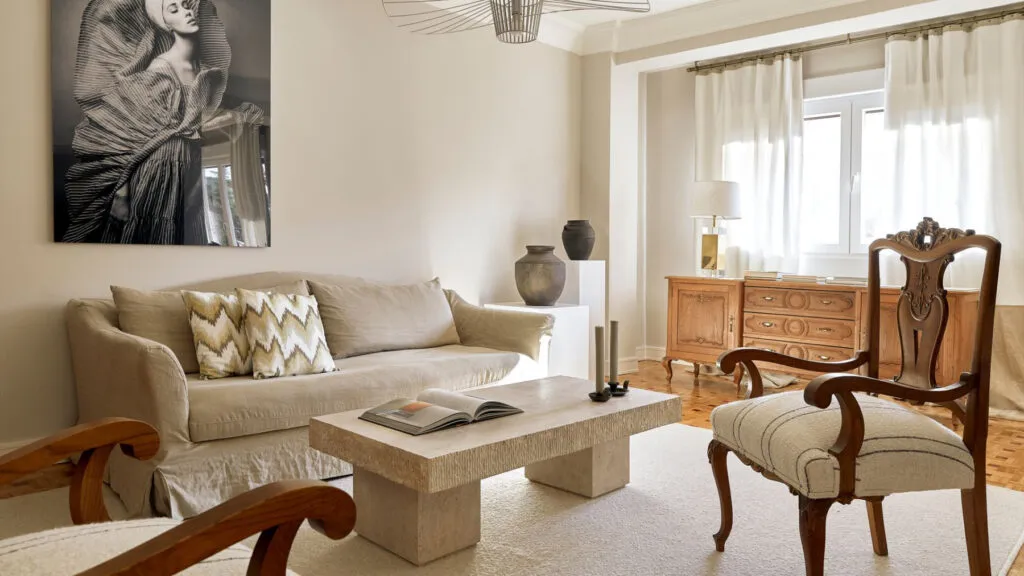
A bespoke console, reupholstered armchairs and wallpaper hung like art. The most expensive thing in the flat is the decision...
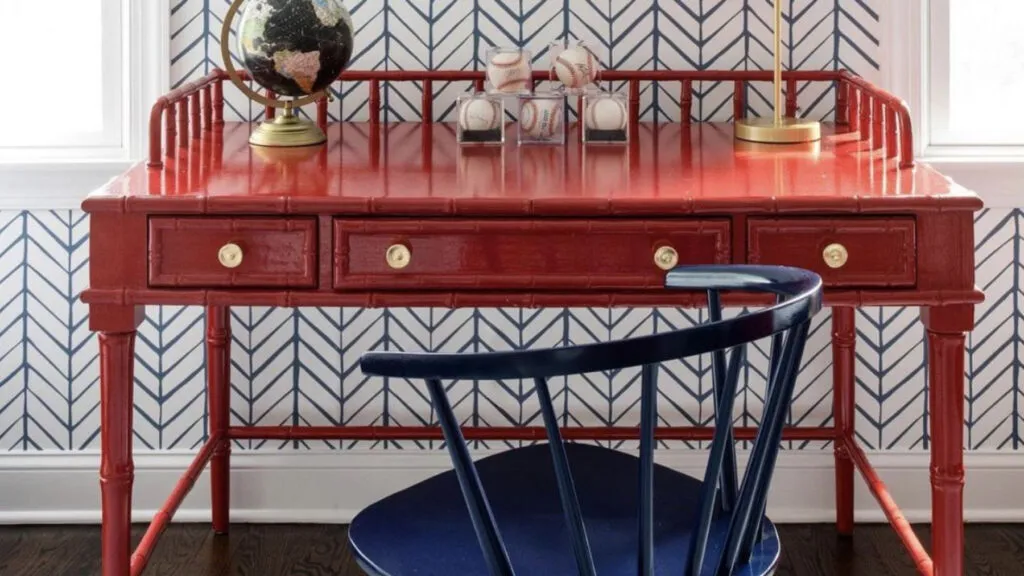
For years the rule was everything neutral and everything from the same collection. The result is a living room that...
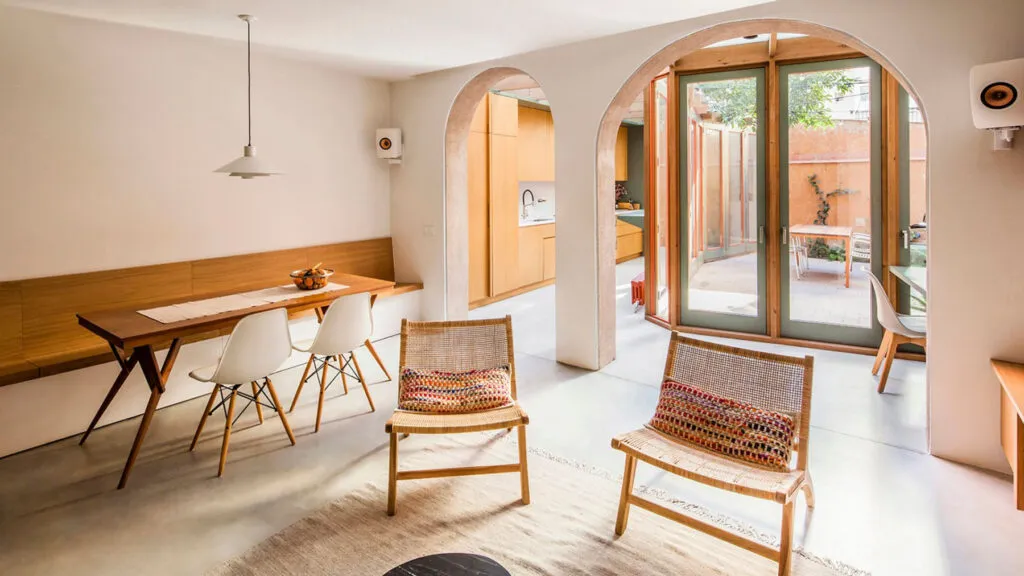
Two doors between the living room and the bedroom. That is the whole arithmetic, and that is what you lose...

Kitchen in its own room, living room separate, dining room a third, and corridors between them. The architect knocked down...
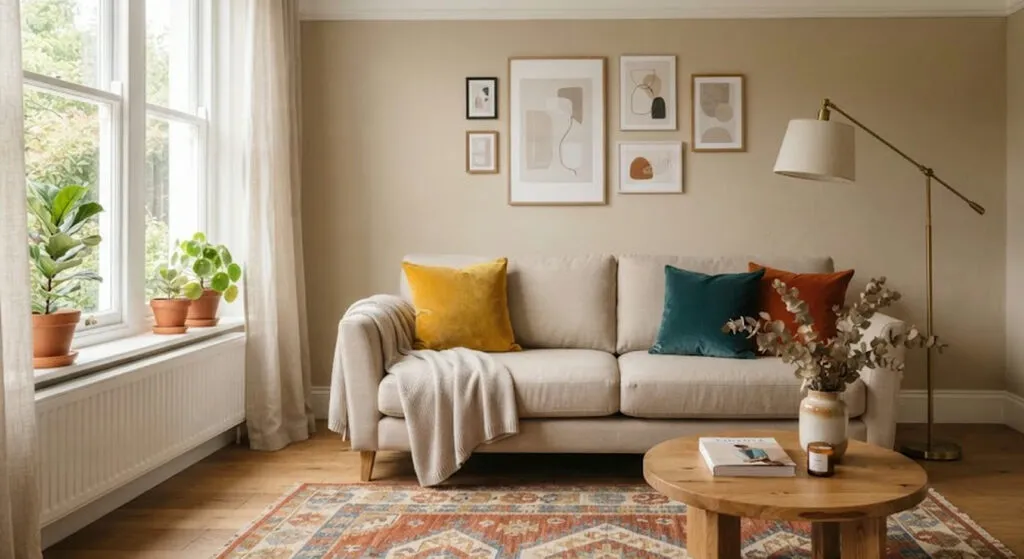
Interior designers have one formula to stop a home ending up either as a catalogue or as a storage unit....
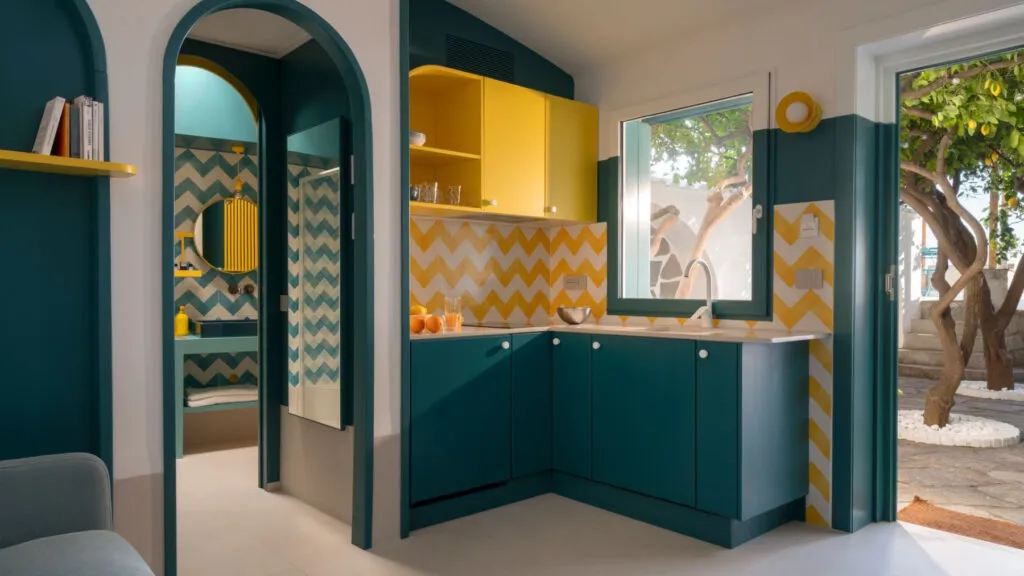
A forgotten flat in Posillipo, two colours taken from the fishing boats and the lemons outside, and furniture in which...
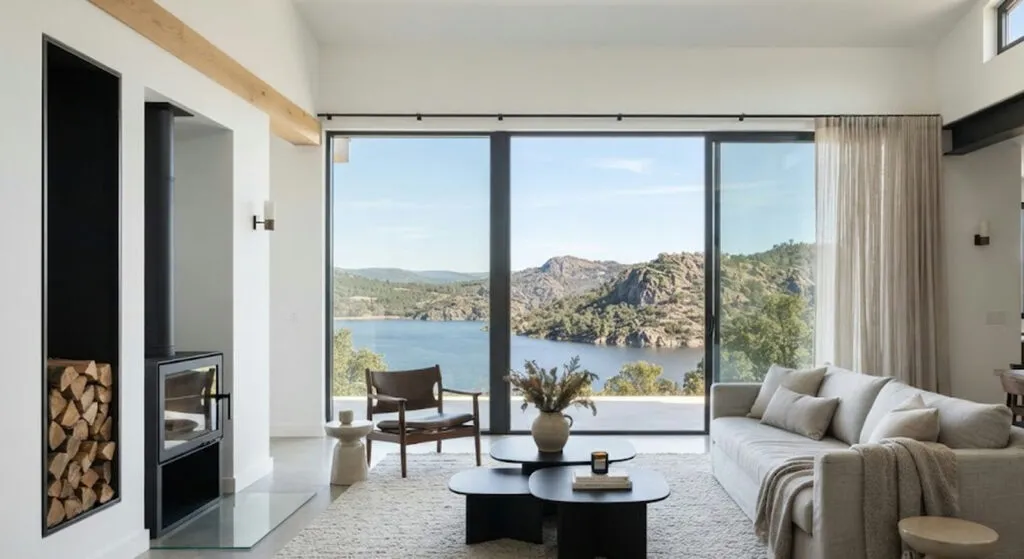
Three hundred square metres, four bedrooms and one decision that dictated every one after it: the view of the water.
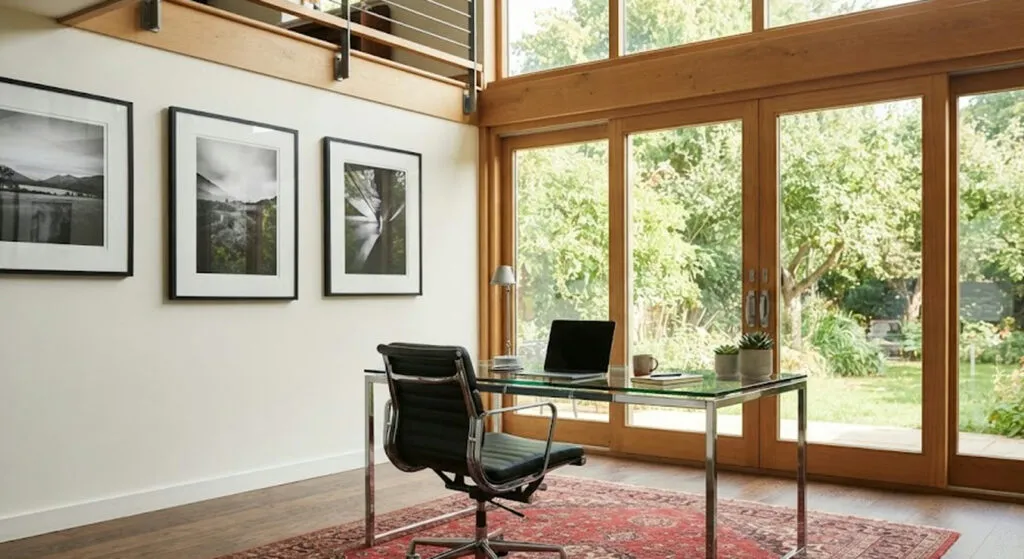
Double height, a Persian rug under the chrome and a bookshelf beneath the window. Three solutions at completely different prices,...
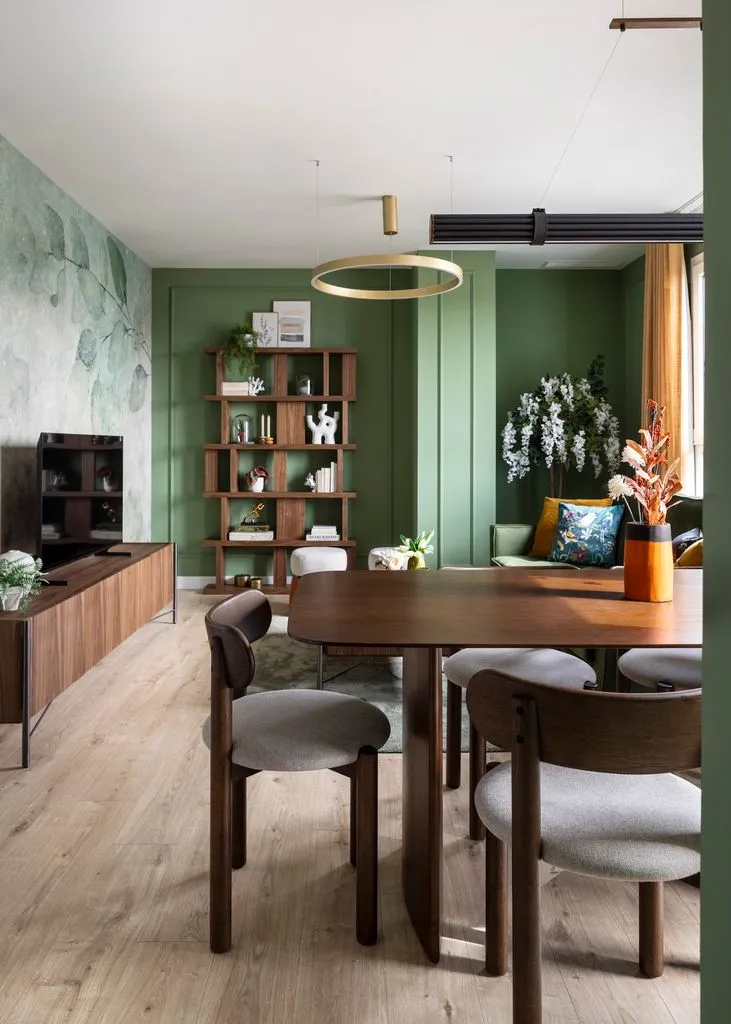
Four things change a home - walls, light, doors and floor. Everything else comes later, and demolition is last on...
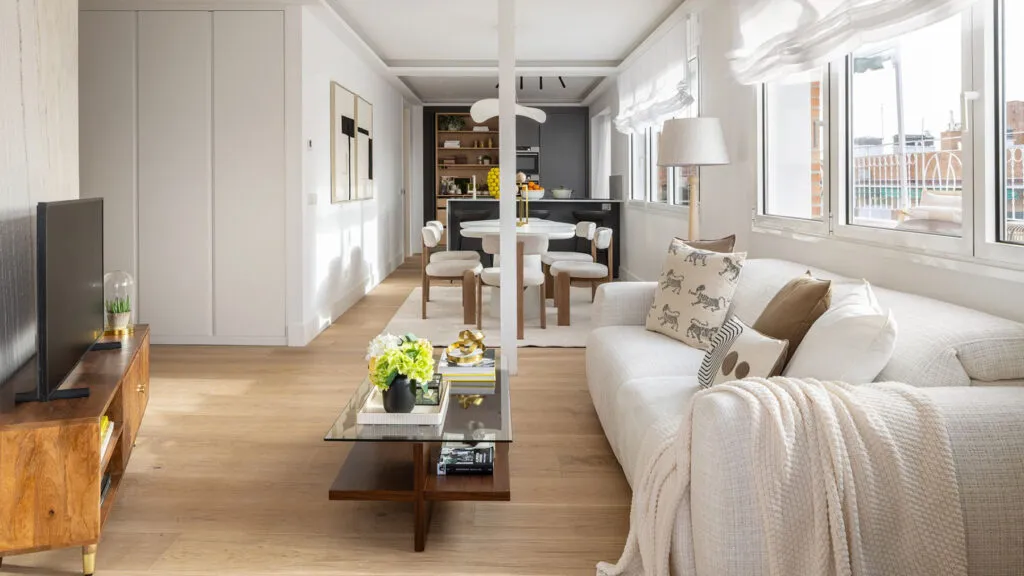
Order, calm and light - not one of the three costs money. What costs is the decision not to fill...
This site uses cookies - is that okay? Learn more
Be the first to know when Metla launches something new
Leave your email and we will write when there is a new guide or something new on Metla.