UGD's E-Transcripts Were "Fixed" for Money for Five Years: Two Employees Held in Custody
05.11.2026


05.11.2026

05.11.2026

05.11.2026

05.11.2026
05.11.2026

05.11.2026

05.11.2026

04.11.2026

03.11.2026

05.11.2026
05.11.2026

04.11.2026
05.11.2026
05.11.2026

05.11.2026

05.11.2026
04.11.2026

03.11.2026

05.11.2026

05.11.2026

05.11.2026

05.11.2026

05.11.2026

04.11.2026

05.11.2026

04.11.2026

03.11.2026

23.04.2026

23.04.2026

12.04.2026

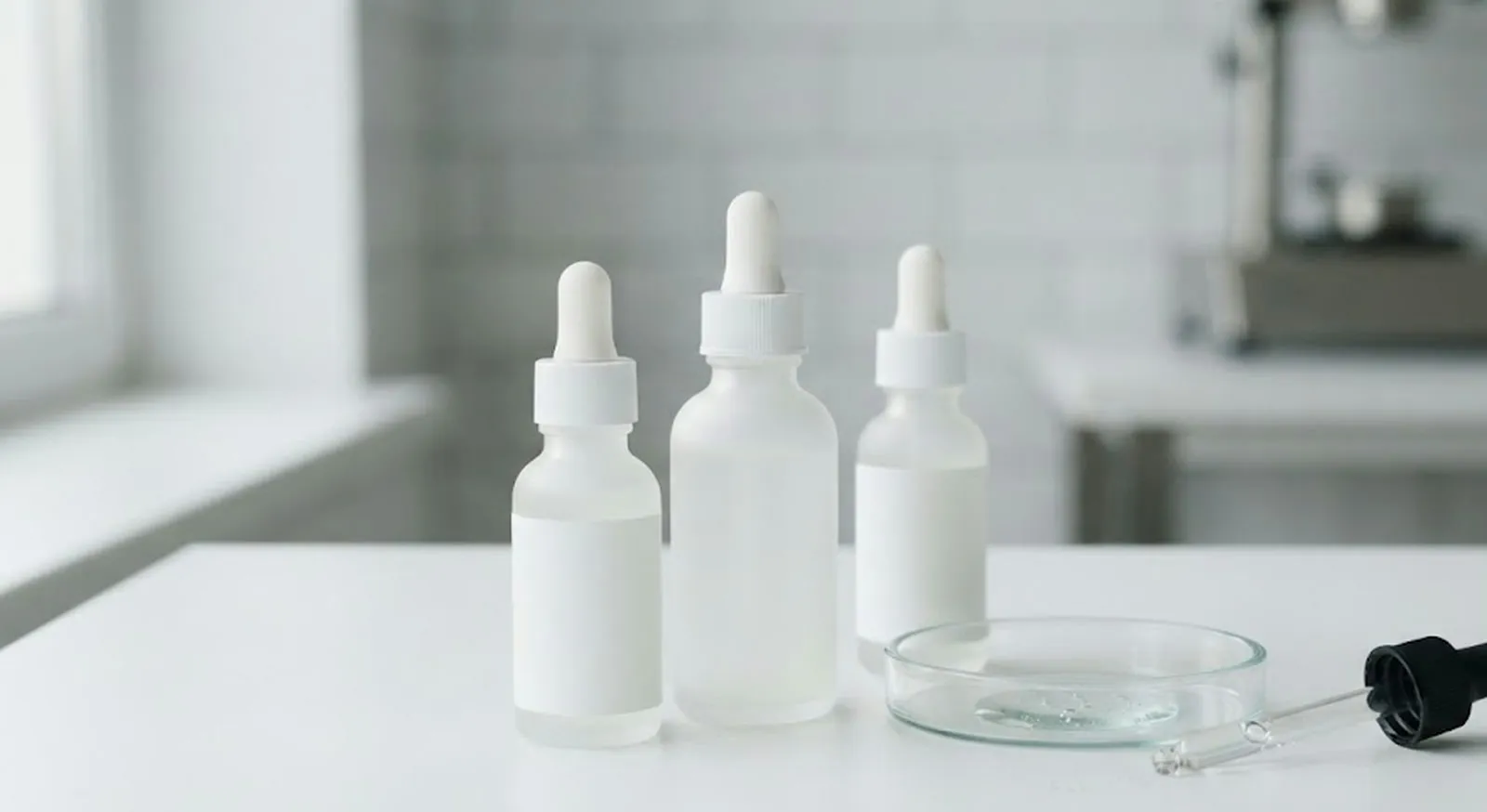
Korean cosmetics have changed their haircut. Colourful packaging with cartoon characters has given way to white bottles, clinical typography and the word "pharmacy" - the new term is "K-pharma". Pharmacist Inmaculada Canterla says the thing the industry does not want said out loud: "K-pharma and K-beauty are empty labels."
Her argument is technical, but easy to check. What actually works, she says, are already familiar ingredients: stable vitamin C derivatives, well-formulated retinoids, biomimetic peptides, EGF, ectoin, centella asiatica, PDRN, NAD, lipoic acid and SOD. Not one of them is a new discovery, and not one of them is Korean.
The question, in her view, is not where the ingredient comes from but whether the formulation carries it to where it needs to go: "What is interesting is not that they come from Korea, but whether the delivery system allows them to arrive where they should, at the right concentration."
Then comes the sentence worth taping to every mirror: "Being sold in a pharmacy, or the use of pharmaceutical language, guarantees nothing by itself." That holds for our own pharmacy shelves too, where the same marketing trick has worked for years - if it is behind the counter, it must be serious.
Canterla finishes without a shred of diplomacy: "K-pharma, K-beauty or whatever they call the next name, changes nothing. What works is serious formulation, whether it is American, German, Swiss or Korean." In other words - the label on the front is the advertisement, and the composition on the back is the product. How many of us read the second one?
The latest 10 news from this category

On 28 November Paris presents its debutantes again. Last year her grandmother's fashion house dressed her cousin, and now the...

The cut he came up with for Joanna Lumley in 1976 defined his career, and his name became a brand...
They married for love, first in Stockholm, then six days later in Brussels. Nine years later Astrid was killed in...
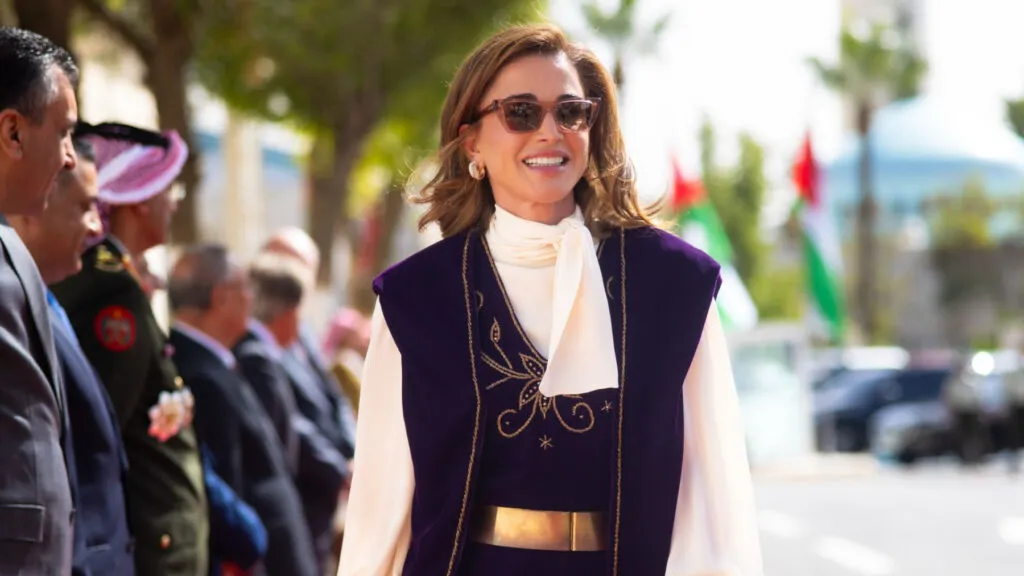
The Queen set aside Western haute couture and wore traditional velvet from Karak, the city where nine people died in...
The strongest trick at the 2026 CFDAs costs next to nothing: blush applied upwards towards the temples. At 63, Demi...
Keira Knightley wore her wedding dress both before and after her wedding, and Emma Stone took the dress from her...

From the Flash Gordon T-shirt with the logo he drew himself to the velvet-and-ermine cloak modelled on Napoleon's coronation: Mercury...
"It's not the bare face that unsettles you, it's the doubt about whether what's underneath is enough." One question and...
The Argentine singer and Pedro Rosemblat married in a garden in San Telmo, on the anniversary of the Halloween party...

Queen Letizia created the effect and her daughter inherited it. The brands that dressed the Spanish princess talk about pride...
This site uses cookies - is that okay? Learn more
Be the first to know when Metla launches something new
Leave your email and we'll write to you when there's a new guide or something new on Metla.