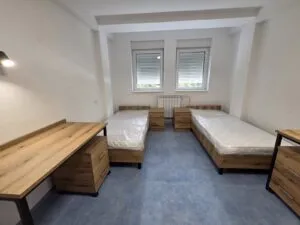
Stiv Naumov dorm renovated for around 10 million euros: a month later water runs through the walls and the ministry counts wet wipes
24.10.2026


24.10.2026
24.10.2026

24.10.2026

24.10.2026
24.10.2026

24.10.2026

24.10.2026

23.10.2026

22.10.2026

24.10.2026

24.10.2026

23.10.2026

24.10.2026

24.10.2026

24.10.2026

24.10.2026

23.10.2026

22.10.2026

24.10.2026

24.10.2026

24.10.2026

24.10.2026

23.10.2026
23.10.2026

24.10.2026

23.10.2026

23.10.2026
24.10.2026
22.10.2026

20.10.2026

23.04.2026

23.04.2026

12.04.2026

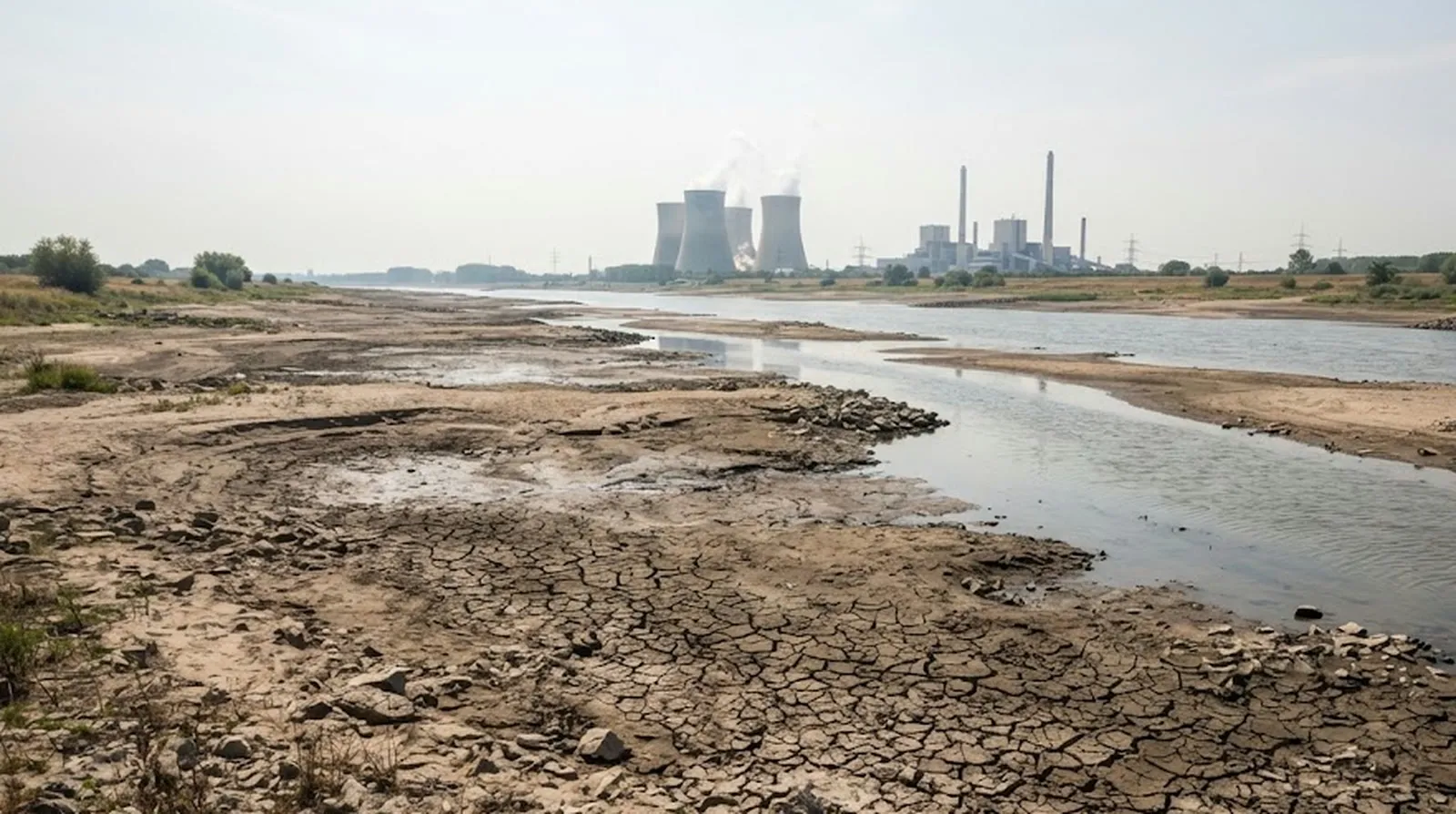
For fifty-two years the Kozloduy nuclear plant has worked beside the Danube without a single day of interruption due to weather. This week that ended. Not because of a fault, not because of an incident, not because of a sanction - but because the river simply does not have enough water.
The Bulgarian energy ministry announced a preventive reduction of around 120 megawatts on 21 August at the fifth reactor block, whose capacity exceeds 1,000 megawatts. Forecasts say water levels in the Bulgarian stretch of the Danube will keep falling.
The mechanics are simpler than they sound. Danube water does not cool the reactors - it cools the steam in the condensers, in the non-nuclear part of the plant. The pumping station, the ministry says, secures the necessary inflow even at low levels. But when a system is designed for a river that was always there, and the river is no longer there in the same volume, „enough” becomes a calculation, not a guarantee.
Kozloduy is not alone, and that is the real story
Hungary's Paks nuclear plant cut output to a critical level after record low Danube levels. Romania shut down the first block at Cernavoda in late July and declared a state of high alert across the entire energy sector for August. Three countries, one river, and all three have the same calculation on the table.
A crisis working group was set up in Bulgaria back in early June, after drought forecasts across Western and Central Europe became uncomfortable reading. So this is not a surprise - it is something that was visible for months and arrived anyway.
This is part of the regional power system the Balkans rely on too. When three nuclear plants on the same river reduce output simultaneously, that is not a local Bulgarian story - it is a question for anyone importing electricity in August.
And the key question is not how many megawatts were lost this month. The question is whether anyone is redesigning projects that assume a river with a constant level. Because the river has already given its answer, and that answer will not be better next summer.
The latest 10 news from this category

Ipsos gives Vučić's list 47.4 percent and the students 40 percent, while the NSPM poll puts the students in front....
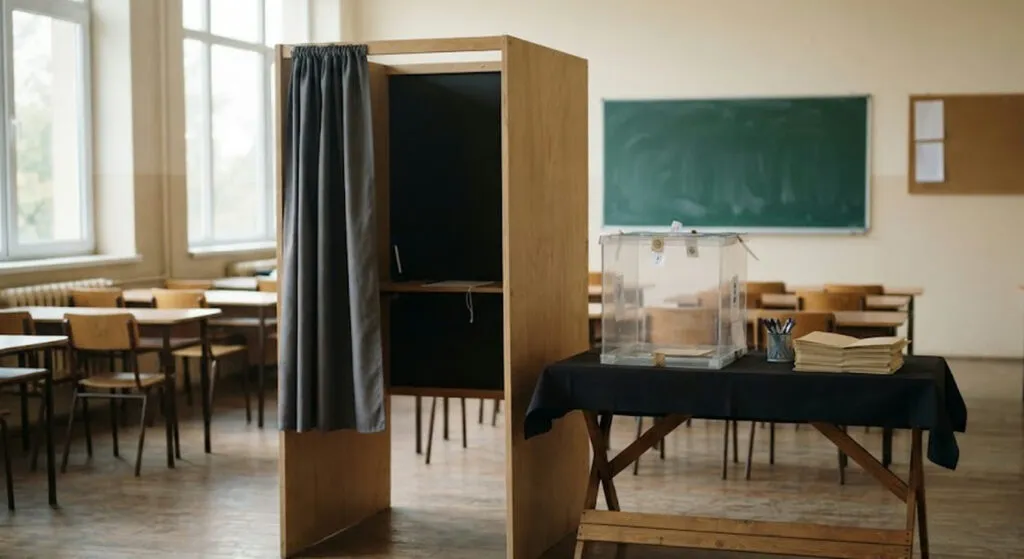
Over 6.4 million voters decide in a snap parliamentary election, and the last 48 hours are being spent on complaints,...

The last student rally before Serbia's election filled Slavija and the surrounding streets. The regime media looked the other way,...

An election-monitoring grant, given to an organisation that monitors elections, became proof of a plot to topple the government in...
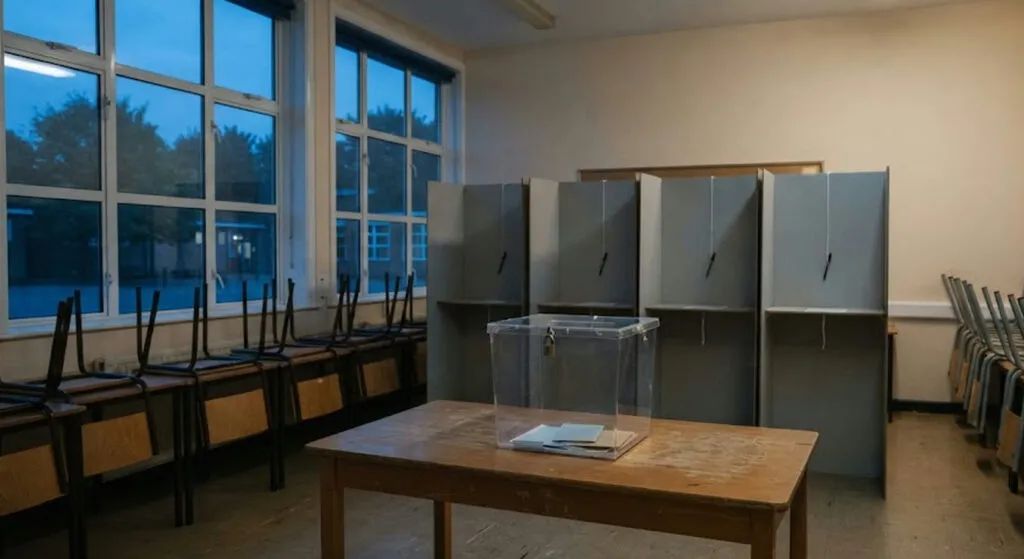
Four days before a vote that could seriously threaten Vučić's grip on power, special forces are breaking down doors, and...
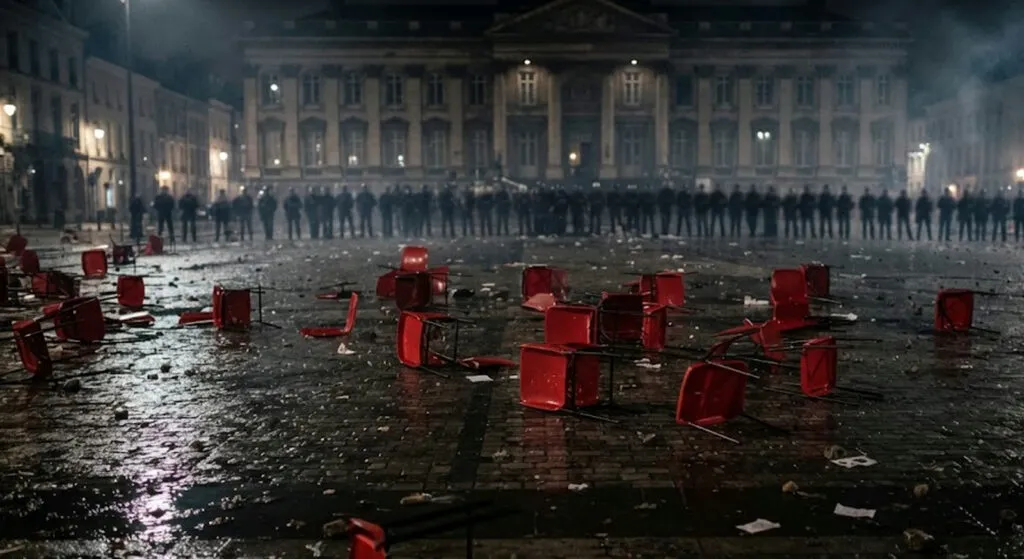
Eight days of stones and Molotovs in Tirana, and the Albanian prime minister sees a hand from outside. The Balkans...

Serbia's candidate for prime minister claims he warned the West several times. And when the question got specific, his answer...

Last year Bulgaria paid while Hungary, Czechia and Slovakia opted out. Now Sofia says "no" too - and Skopje gets...

Seven MEPs are coming to monitor Serbia's election, and Brnabić knows they're biased before they've even landed. If the government...
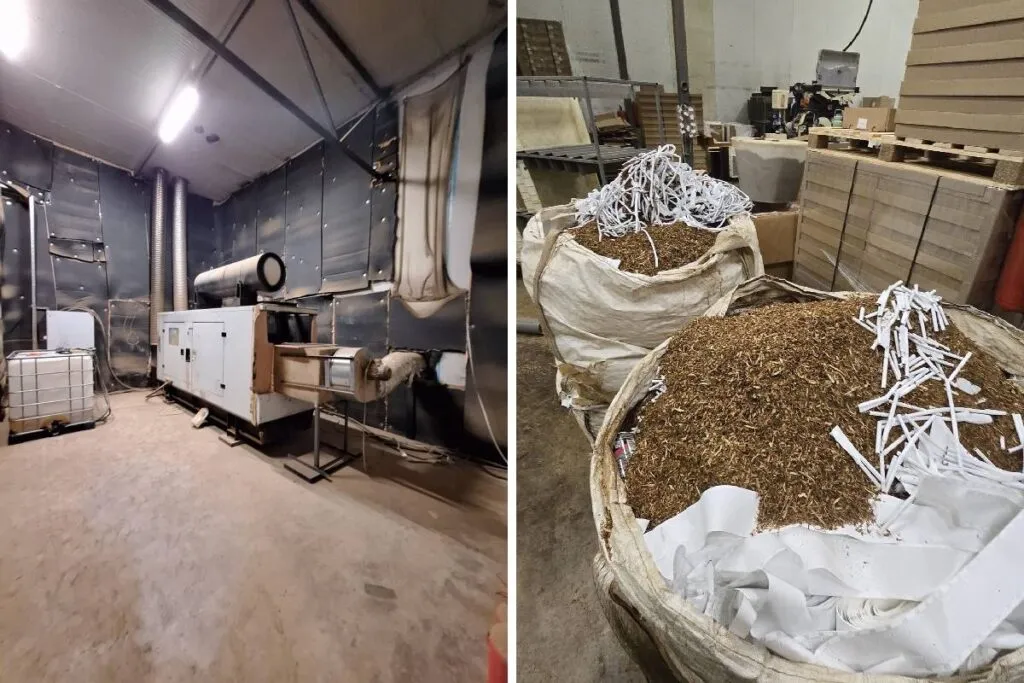
Thirty-four people travelled via Zagreb to a hall with no daylight, where they worked 12-hour shifts without pay. The only...
This site uses cookies - is that okay? Learn more
Be the first to know when Metla launches something new
Leave your email and we will write when there is a new guide or something new on Metla.