
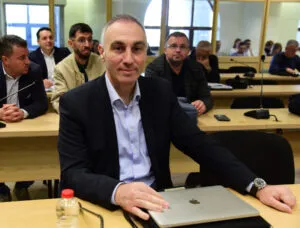
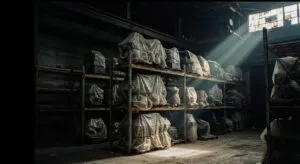
Grubi calls the entire government as witnesses, while 9.7 million euros' worth of machines sit in a warehouse
21.10.2026


21.10.2026
21.10.2026
21.10.2026
21.10.2026
21.10.2026
21.10.2026

21.10.2026
20.10.2026
20.10.2026

21.10.2026

21.10.2026

20.10.2026

21.10.2026

21.10.2026
21.10.2026

21.10.2026

20.10.2026

19.10.2026
21.10.2026

21.10.2026

21.10.2026
21.10.2026

21.10.2026
20.10.2026
21.10.2026
20.10.2026
19.10.2026
20.10.2026
19.10.2026
17.10.2026

23.04.2026

23.04.2026

12.04.2026

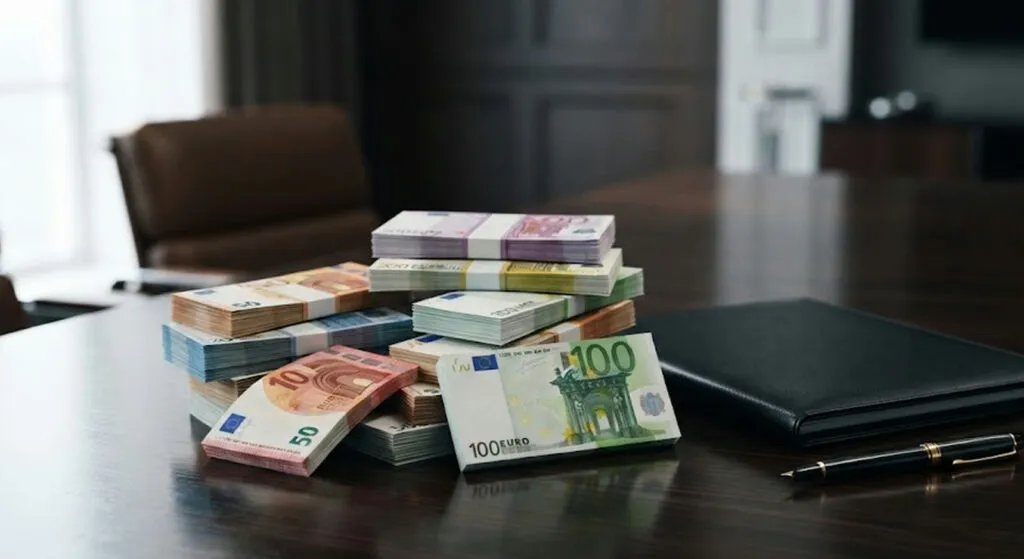
Bulgaria will not take part in the EU's new financial aid for Ukraine. Prime Minister Rumen Radev announced it, and without much diplomatic wrapping: "How does that look in relation to everything happening in Europe? Bulgaria cannot in any way take part in those 70 billion," Radev told reporters in the small town of Tvarditsa.
The figure he is reacting to is fresh. At the recent European summit, Ukrainian President Volodymyr Zelensky asked the EU for an additional 70 billion euros next year to defend against the Russian invasion.
Radev recalled that last year the EU approved 90 billion euros for Ukraine to cover costs in 2026 and 2027. Back then three member states - Hungary, Czechia and Slovakia - secured an exemption from the loan. Bulgaria took part then. Now it is switching sides.
The reasoning will sound familiar to anyone who has listened to Budapest and Bratislava: the war is draining European economies, creating social tensions and political instability, so it should end as soon as possible. "The result will not be achieved by military means," said Radev - a man who was the country's president from 2017 until his resignation in January 2026, and is now prime minister.
For the Balkans, this is not small news. Bulgaria is a member of the EU and NATO, a Black Sea state on the Alliance's eastern flank, and has so far followed the European line on Ukraine. When Sofia too starts counting what solidarity costs, the question is how much longer the Union's unity will hold - and who will be the next to say "we can't".
For Skopje, whose European path has for years been blocked by none other than Sofia in the name of European values, the picture is at least instructive. European values, it turns out, apply until the bill arrives.
The latest 10 news from this category
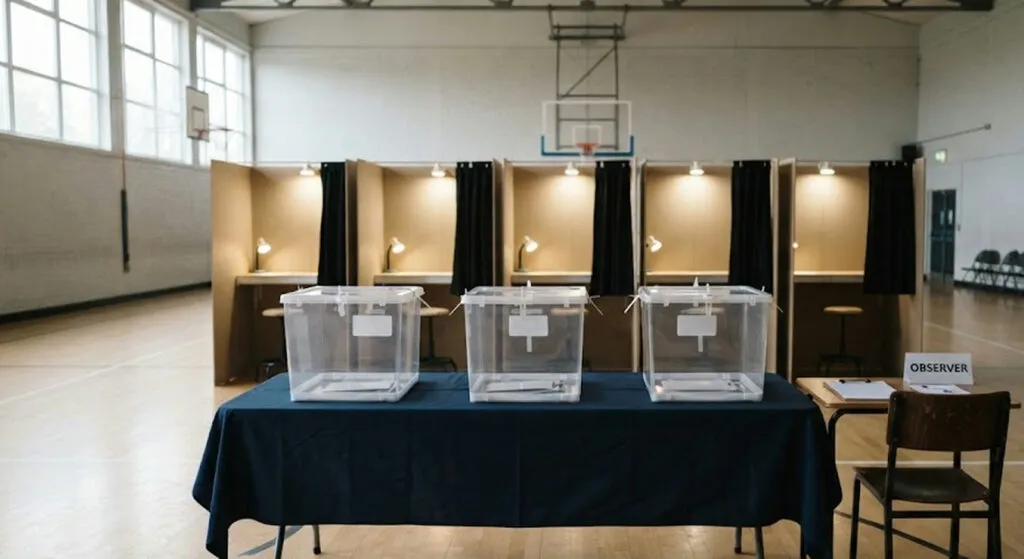
Seven MEPs are coming to monitor Serbia's election, and Brnabić knows they're biased before they've even landed. If the government...
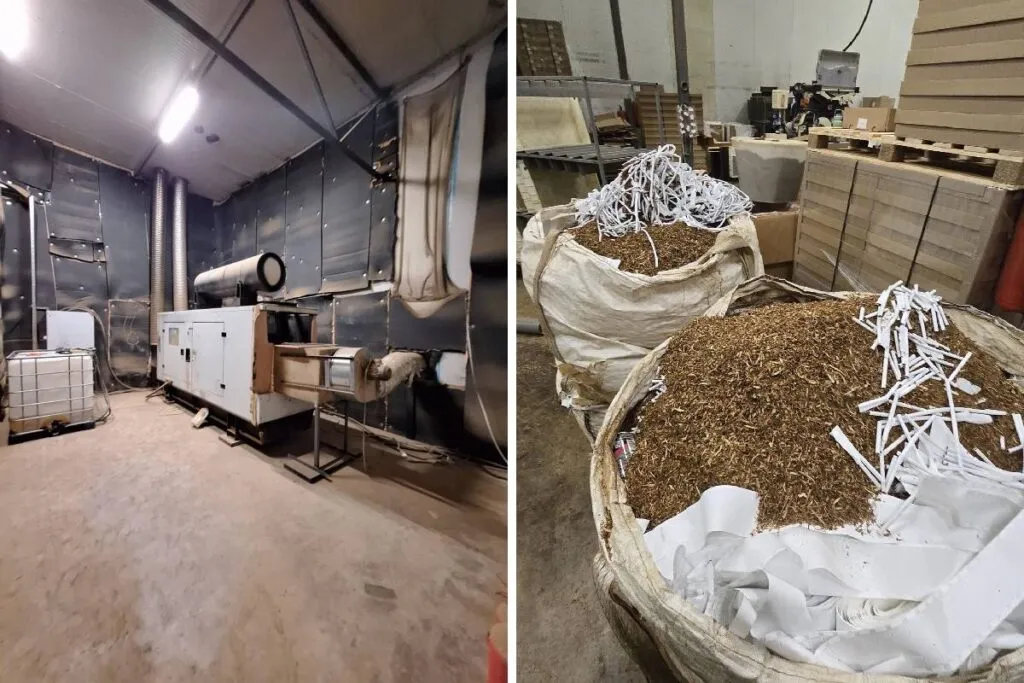
Thirty-four people travelled via Zagreb to a hall with no daylight, where they worked 12-hour shifts without pay. The only...
Six days before the snap election, the candidate for prime minister already knows both the turnout and the margin -...
Less than a week before the vote, the Slovak prime minister climbed onto Vučić's stage, while N1's journalists are packing...
Zagreb had the deadlines struck out and set eight demands, including one about a training ship. Macedonia knows first-hand what...
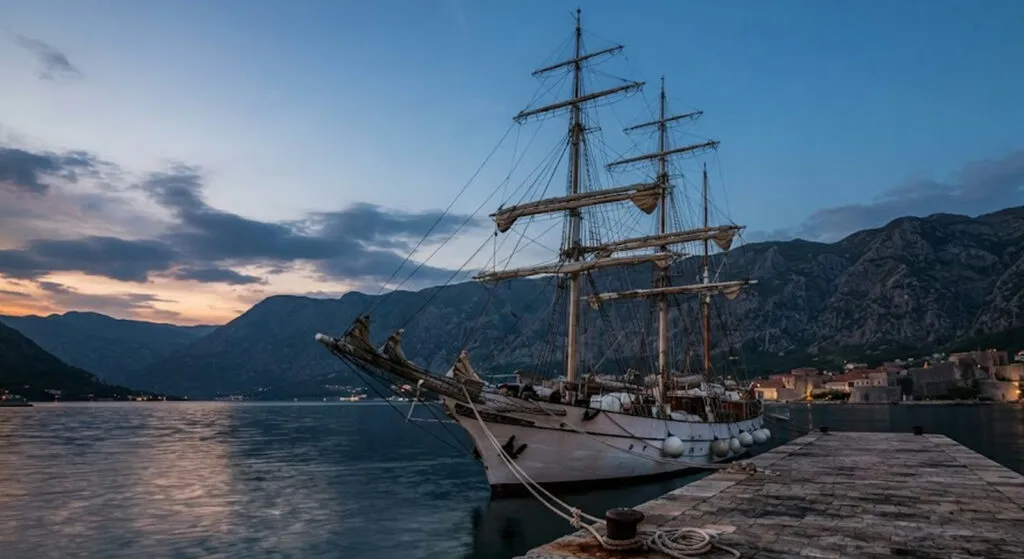
Eight Croatian conditions, 2.7 billion euros for military property from the former Yugoslavia and the name of a swimming pool...
A Russian military blogger, his wife and three others expelled from Montenegro - and Moscow is already talking about a...
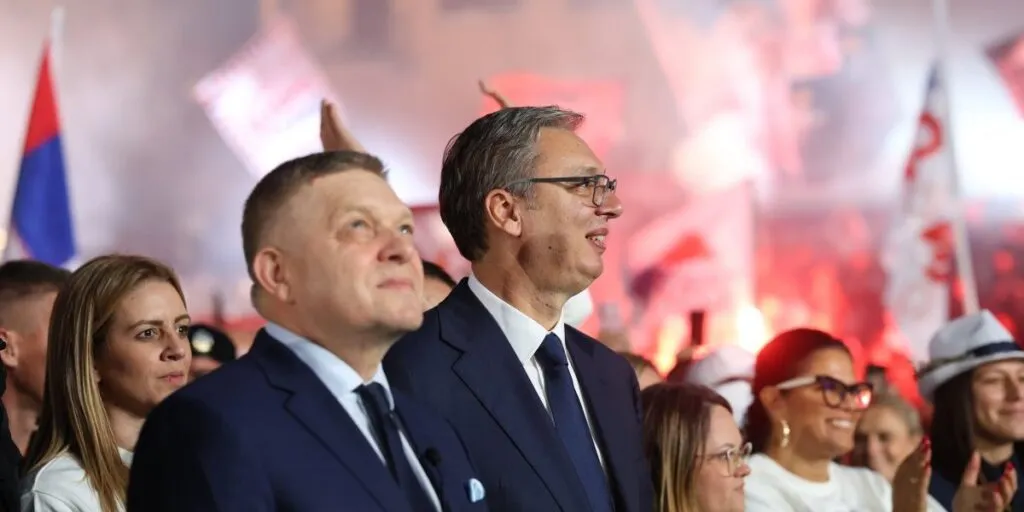
The prime minister of an EU and NATO country climbed onto a campaign stage in Serbia and declared that foreigners...
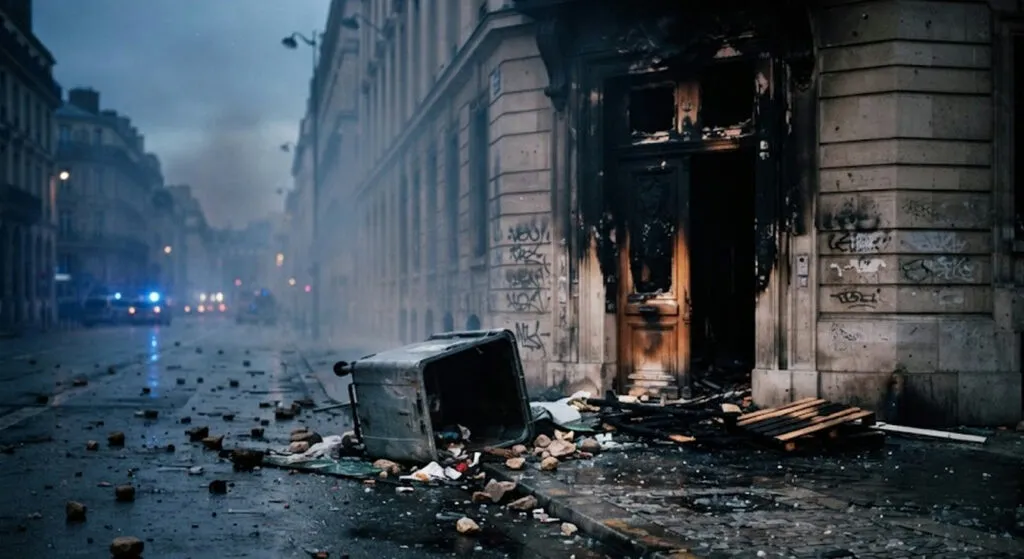
It started with expensive degrees and poor conditions at universities, and has reached burning ministries and 55 arrests. Is the...
Serbia accuses Zagreb of "the grossest interference in the electoral process" over newspaper articles, and Croatian reporters are bracing for...
This site uses cookies - is that okay? Learn more
Be the first to know when Metla launches something new
Leave your email and we will write when there is a new guide or something new on Metla.


