Cancer Drug in a First Aid Kit at Bogorodica: Why Was the Driver Also Carrying 30 Labels?
22.10.2026


22.10.2026
22.10.2026
22.10.2026
22.10.2026
22.10.2026
22.10.2026
22.10.2026

22.10.2026
21.10.2026
22.10.2026

22.10.2026

21.10.2026
22.10.2026
22.10.2026
22.10.2026
22.10.2026

21.10.2026

20.10.2026
22.10.2026

22.10.2026
21.10.2026
22.10.2026
22.10.2026
21.10.2026
22.10.2026
20.10.2026
19.10.2026

23.04.2026

23.04.2026

12.04.2026

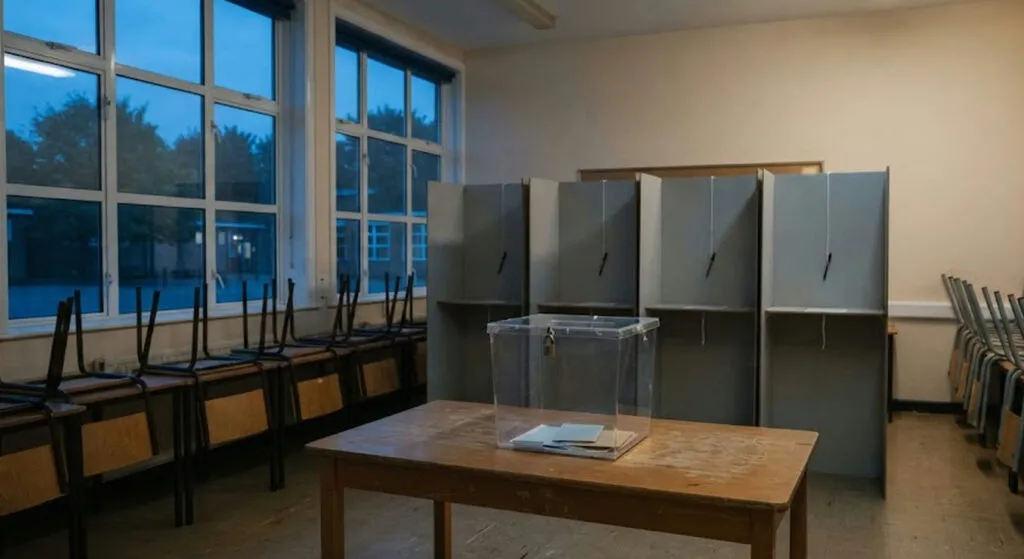
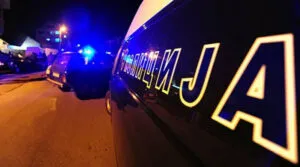
Special police units, dramatic footage of raids on flats and arrests in Novi Sad, Vrnjačka Banja, Belgrade, Zemun and Kraljevo. The charge: preparing violent unrest on the day of Serbia's snap parliamentary elections, set for Sunday, October 25. And before the prosecutors had even issued a statement, the pro-government tabloids already had their angle - two of those arrested hold Croatian passports.
They are Marko V., arrested in Novi Sad, and Matej A., arrested in Vrnjačka Banja. According to Serbian media, Marko V. is suspected of organising a group meant to cause violence in Belgrade on election day, of recruiting people and acquiring weapons for clashes with the police and political opponents. Unofficially, he planned to bring around 80 people to the capital. Matej A. is suspected of calling for the violent overthrow of the constitutional order and of planning to take part in the unrest.
The tabloids went even further. According to their unnamed sources, the plan included setting cars on fire, attacks on government supporters, Molotov cocktails thrown from scooters, and 15 to 20 cars full of people with bats, balaclavas and knives. The Belgrade prosecutor's office said five people were arrested in Novi Sad and that the group planned a violent overthrow of the government - but it didn't specify whether any of the above was actually found in the searches.
Who else was targeted? Activists of the Student List - the main rival of the ruling Serbian Progressive Party, a movement that grew out of the protests after the collapse of the canopy at the Novi Sad railway station, in which 16 people died. The lawyer of one of the arrested activists said the police carried out a search, seized all electronic devices and waited for him to arrive. A poll by the Centre for Free Elections and Democracy gives the Student List 44.5 percent and Vučić's SNS 42.7 percent.
Vučić himself, at a rally in Niš, was unexpectedly restrained: "I wouldn't link that directly to their organisation. These people are criminals after all, some kind of drug dealers and the like. The competent authorities are doing their job." So, according to the prosecutors - a group preparing a violent overthrow of the government. According to the president - drug dealers. According to the pro-government front pages - Croatia. Which version holds depends on which channel you're watching.
Zagreb reacted sharply. Croatia's Ministry of Foreign and European Affairs said it had received no official notification from the Serbian authorities and that this is "a continuation of a series of baseless accusations against Croatia" with "obvious domestic political motivation." According to unofficial information, one of those arrested has a Croatian passport because his family fled Croatia in the nineties, and he has lived in Serbia for more than 30 years.
This isn't the first round. On October 14, Belgrade sent Croatia a protest note over interference in the election campaign, and some of the complaints concerned how Croatian media report on Serbia. Croatian Prime Minister Andrej Plenković called it spin meant to portray Croatia as a "half-external, half-internal enemy." On October 20, the Croatian ministry advised its citizens to postpone all non-essential travel to Serbia.
Political analyst Nikola Parun says trust in institutions in Serbia is very low: those on the government's side will believe the story, the rest won't. He doesn't expect mass vote theft, because polling stations are well covered by monitors, but he does expect incidents and violence. The Balkans knows this script by heart - an external enemy, imported provocateurs, everything published in the tabloids before a court has said a word. The question is whether on Sunday Serbs will vote according to what they see on the street or according to what they're shown on screen.
The latest 10 news from this category
Eight days of stones and Molotovs in Tirana, and the Albanian prime minister sees a hand from outside. The Balkans...
Serbia's candidate for prime minister claims he warned the West several times. And when the question got specific, his answer...
Last year Bulgaria paid while Hungary, Czechia and Slovakia opted out. Now Sofia says "no" too - and Skopje gets...
Seven MEPs are coming to monitor Serbia's election, and Brnabić knows they're biased before they've even landed. If the government...
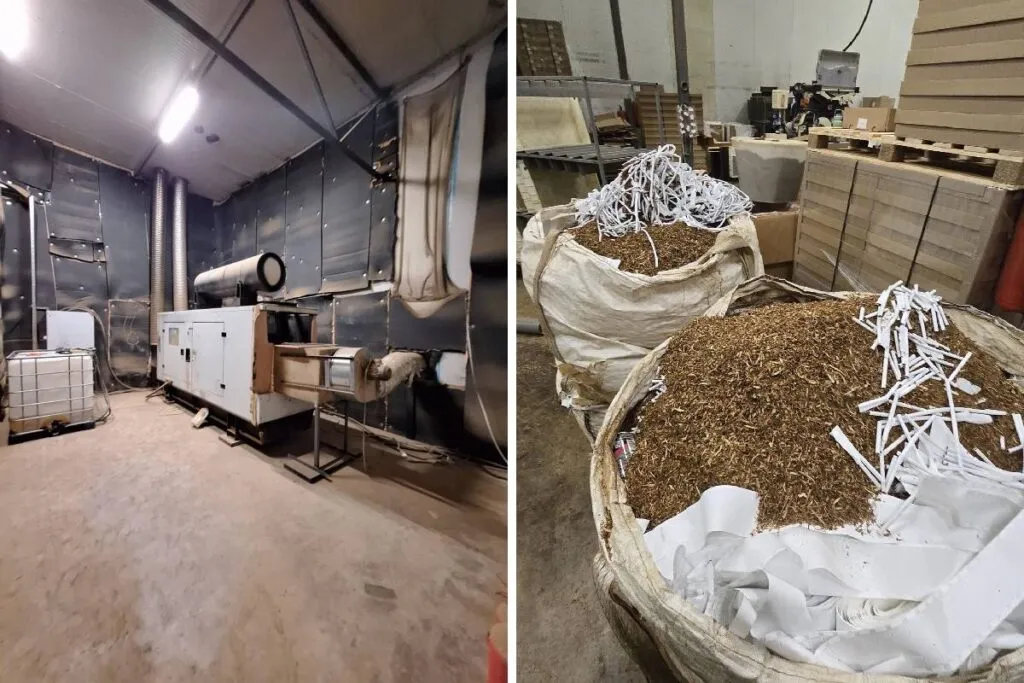
Thirty-four people travelled via Zagreb to a hall with no daylight, where they worked 12-hour shifts without pay. The only...
Six days before the snap election, the candidate for prime minister already knows both the turnout and the margin -...
Less than a week before the vote, the Slovak prime minister climbed onto Vučić's stage, while N1's journalists are packing...
Zagreb had the deadlines struck out and set eight demands, including one about a training ship. Macedonia knows first-hand what...
Eight Croatian conditions, 2.7 billion euros for military property from the former Yugoslavia and the name of a swimming pool...
A Russian military blogger, his wife and three others expelled from Montenegro - and Moscow is already talking about a...
This site uses cookies - is that okay? Learn more
Be the first to know when Metla launches something new
Leave your email and we will write when there is a new guide or something new on Metla.