


Two young men say police officers beat them while they were tied up: the investigation is being run by the Interior Ministry itself
10.10.2026


10.10.2026

10.10.2026

10.10.2026

10.10.2026

10.10.2026

10.10.2026

10.10.2026
10.10.2026
09.10.2026

10.10.2026

10.10.2026

09.10.2026

10.10.2026

10.10.2026

10.10.2026
10.10.2026

09.10.2026
08.10.2026

10.10.2026

10.10.2026

10.10.2026

10.10.2026

10.10.2026

09.10.2026
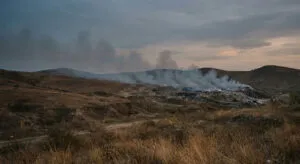
09.10.2026

08.10.2026

07.10.2026
10.10.2026

08.10.2026

06.10.2026

23.04.2026

23.04.2026

12.04.2026

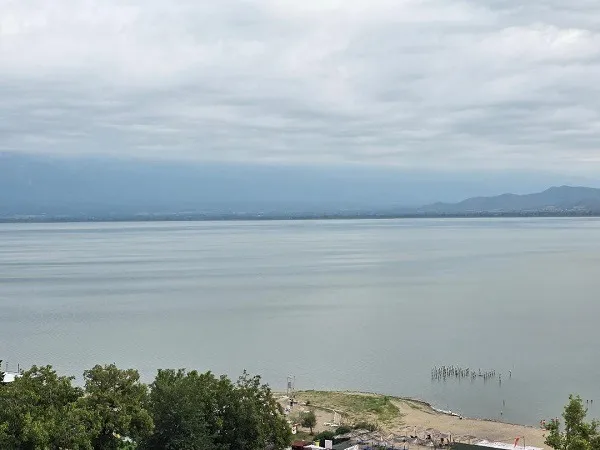
Lake Dojran is retreating again. According to the latest measurements by the Hydrometeorological Service, the level is 144.93 metres above sea level. In February it was 145.42. The fifty or so centimetres the lake won back between October and February, thanks to a rainy autumn and winter, the dry summer drank up in a few months.
The number that hurts more is a different one. The minimum level agreed with Greece is 146.13 metres. The lake is now 1.20 metres below that - below the minimum the two countries agreed on.
A rescue system without measurement
There is a hydro system to save Lake Dojran. Water flows through its canal. But how much - not even the service that measures the water level knows. "Even though water is flowing in the canal of the Lake Dojran rescue system, we have no information on how much water is flowing," says Vasko Stojov, head of the hydrology department at the Hydrometeorological Service. His explanation is that the water may for now be filling groundwater, which is why the difference is not visible at the surface.
Maybe. But a system in which the state pumps water into a lake while its own hydrological service does not know how much water goes in sounds like rescuing trust, not measuring anything. Stojov points to evaporation, highest in high temperatures and strong winds, and warns that the level will keep falling for some time yet. His proposal is dams on several watercourses to hold back rainwater.
The solution, for now, is on paper
On paper, a solution is being prepared. In August a call titled "Optimal management of Lake Dojran" was presented in Greece, part of the cross-border programme Interreg VI-A IPA 2021-2027, with a total budget of 3,071,591 euros. The Centre for the Southeast Planning Region and the Ministry of Environment applied before the 21 September deadline. The planned activities include strategies, joint management structures and a solar power system meant to cut the electricity costs of the mechanism that tops up the lake.
But before any new strategies, Dojran needs a simple answer: how much water goes in, how much goes out, and who is responsible when the number drops even lower. Forecasters expect rain towards the end of the week. Will the lake once again be waiting for the sky to save it?
The latest 10 news from this category
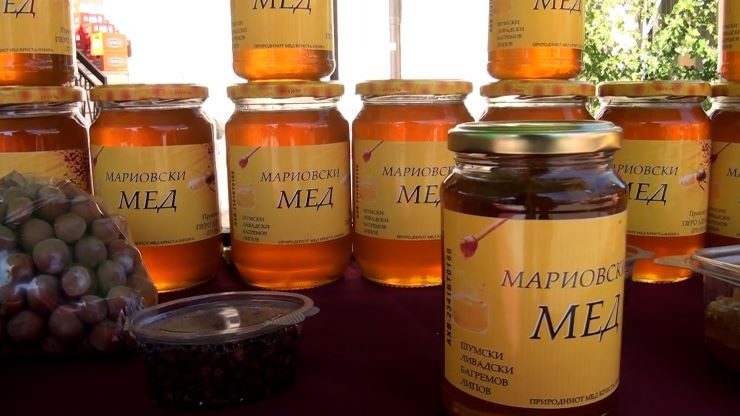
Eight beekeepers have won the right to the "Mariovo honey" label. Who will check on them and how much they...
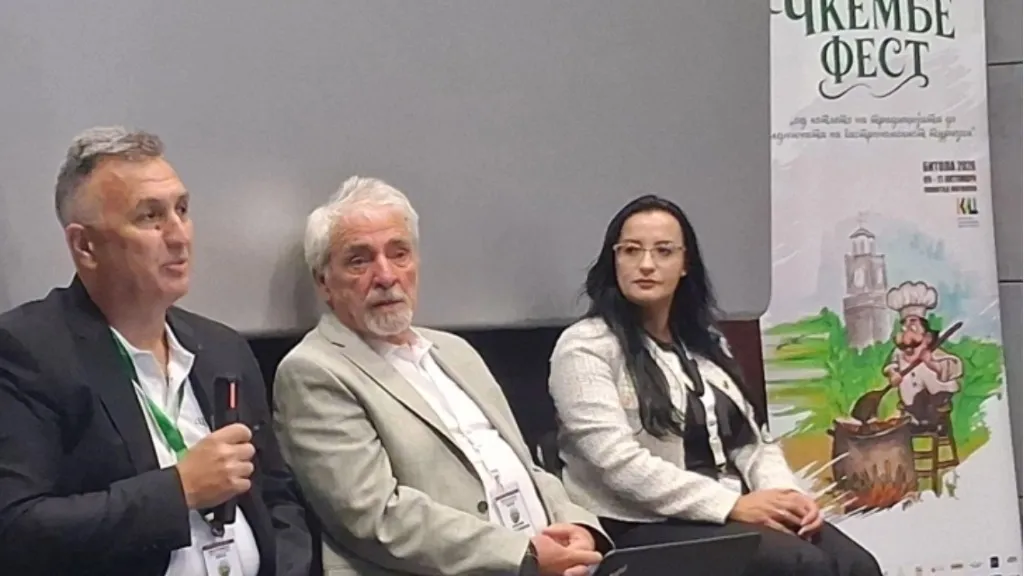
Ten teams from Macedonia, Turkey and Hungary are competing for the tastiest tripe soup. The city whose nickname comes from...
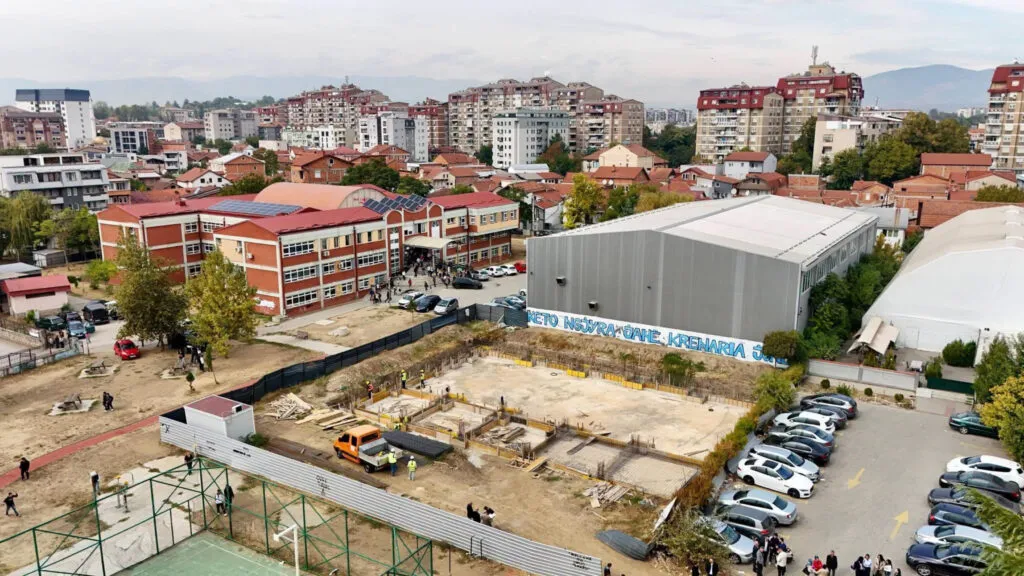
The pool at the "7 Mart" school is in its final phase and is a genuine gain for the children....
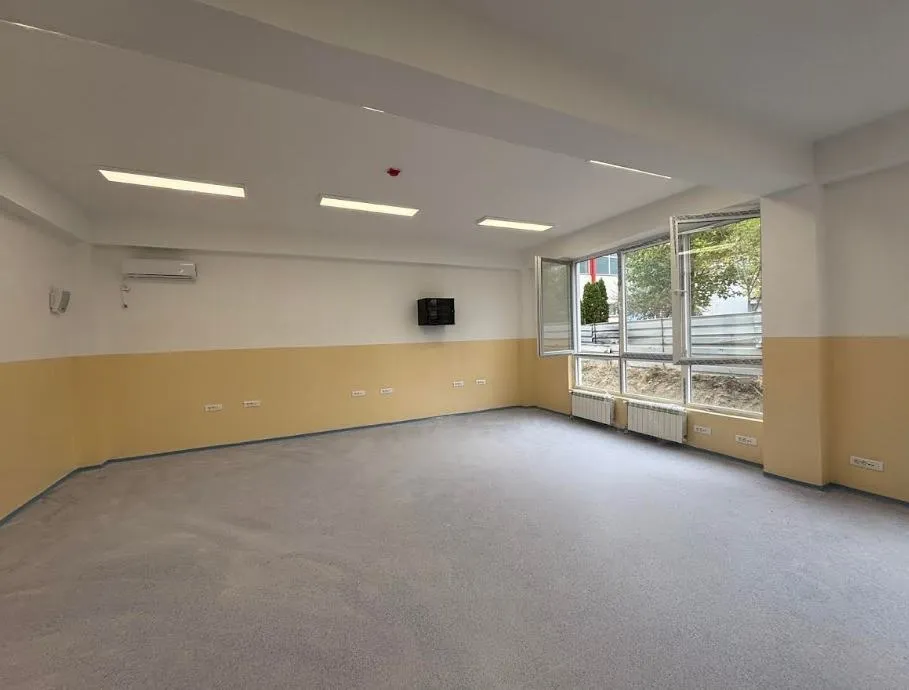
The extension of the "Nevena Georgieva - Dunja" school is nearly finished, while work in Ilinden has only just begun....

The two pensioners' associations in Karpoš went head to head at the Partizan sports hall. The best took home trophies,...

Cold, drought, fires in Mariovo and pastures overgrown with thorns. The state pays 600 denars per bee colony, and beekeepers...
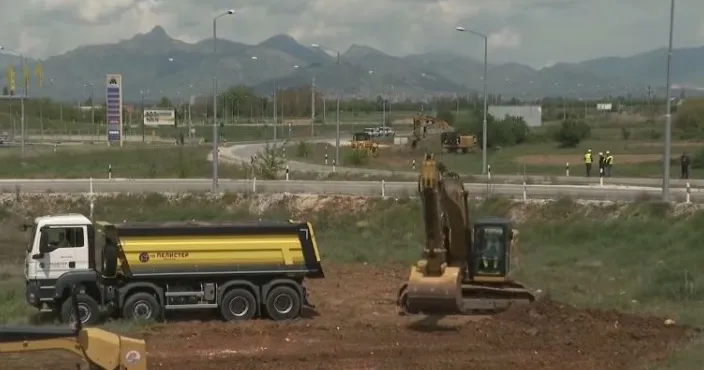
The minister boasts of a crushed-stone base and a first section in 2027. But between Farish and Prilep there are...

The plan was adopted in 2024, the body meant to monitor it was formed in July, and it sat down...

The "m.Uslugi" app is free, secure and optional, says Minister Andonovski. Whether a traffic cop or a bank counter will...
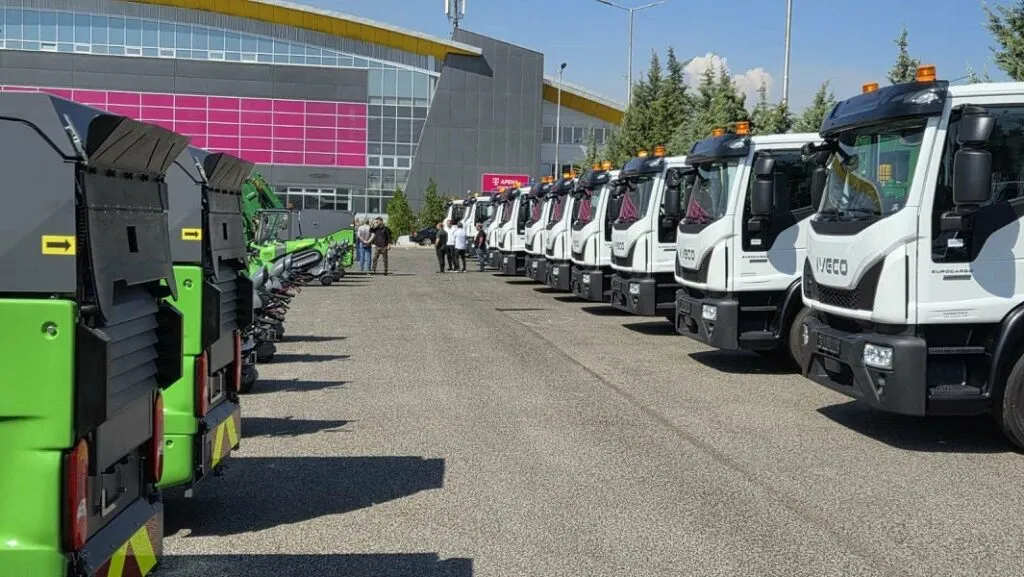
A month after the grand promotion, the new "Komunalna Higiena" vehicles are waiting on "legal procedures". The mayor blames his...
This site uses cookies - is that okay? Learn more
Be the first to know when Metla launches something new
Leave your email and we will write when there is a new guide or something new on Metla.

