


Two young men say police officers beat them while they were tied up: the investigation is being run by the Interior Ministry itself
10.10.2026


10.10.2026

10.10.2026
10.10.2026

10.10.2026

10.10.2026

10.10.2026

10.10.2026

10.10.2026

09.10.2026

10.10.2026

10.10.2026

09.10.2026

10.10.2026

10.10.2026

10.10.2026

10.10.2026

09.10.2026

08.10.2026
10.10.2026

10.10.2026

10.10.2026

10.10.2026

10.10.2026

09.10.2026

09.10.2026

08.10.2026

07.10.2026
10.10.2026

08.10.2026

06.10.2026

23.04.2026

23.04.2026

12.04.2026

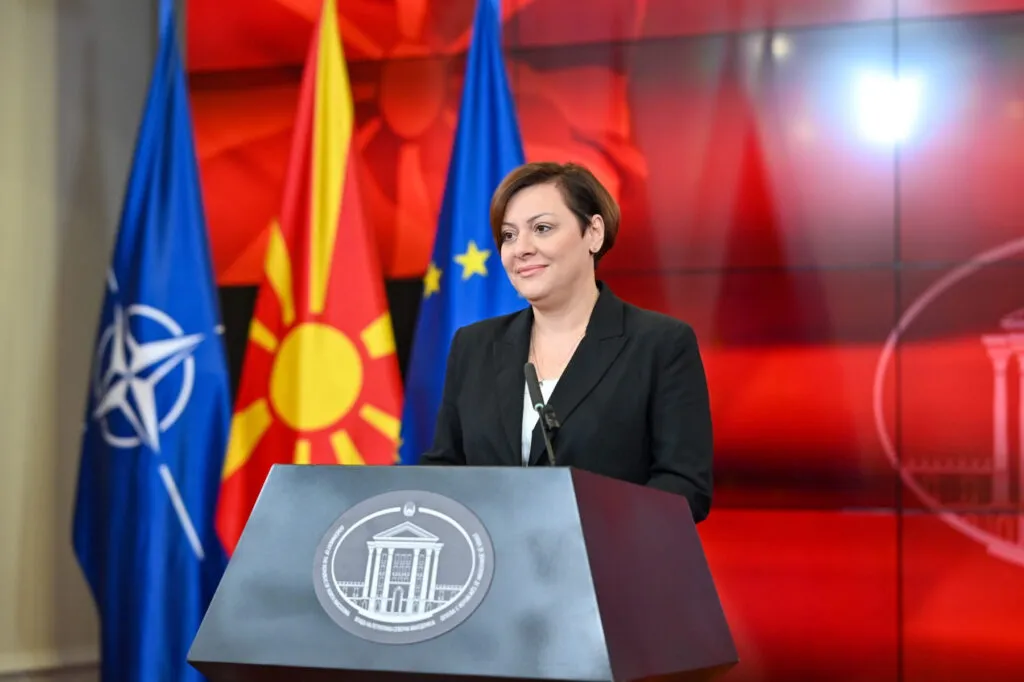
Finance Minister Gordana Dimitrieska-Kochoska has some advice for citizens: be aware of the uncertainty in the global economy, and save. At the same time, the state has a plan for their savings. By the end of 2026 it will issue a new citizens' bond - people lend money to the state and earn interest. How much money it wants, at what rate and for what term, the minister has not said yet.
Until the end of the year the state will fund itself on the domestic market, through government securities and by refinancing debts as they come due. In 2027 comes new borrowing abroad, mainly to repay the 2023 eurobond - 500 million euros issued at 6.96 percent interest. One option is to split the new debt into two issues.
Only 150 million instead of 250 - because of high interest rates
A few days ago Macedonia borrowed 150 million euros on the international market, instead of the planned 250 million. The reason, according to the minister, is the price: French bonds are trading above 5.4 percent, British ones above 6 percent. "The situation is outside of what it used to be," she said. In January the state already borrowed one billion euros via a eurobond, in two tranches of 500 million each, at 3.875 and 4.75 percent.
At the same time, the government adopted a second revised budget for 2026 - the second in a single year. Revenue and spending are each cut by around 5.3 billion denars, but the deficit stays at 46.3 billion denars, or 4.1 percent of GDP. The biggest share of the cuts falls on capital investment - 5.7 billion denars, mostly at the energy and environment ministries. As an example, the minister pointed to a failed tender at the Directorate for Execution of Sanctions, for which more than 200 million denars had been set aside.
Interest is growing faster than the debt
Here is the number anyone buying the bond should know. Public debt at the end of the second quarter stood at 58.8 percent of GDP, around 10.7 billion euros. According to the Public Debt Management Strategy, it will be 61.5 percent at the end of 2026 and 61.8 percent in 2027 - above the 60 percent threshold. Interest in 2027 is budgeted at 24.4 billion denars, roughly 397 million euros. That same year, around 43.6 billion denars is planned for capital investment. In other words, interest alone will come to more than half of what the state plans to put into capital investment.
According to one economic analyst's calculation, interest payments rose by more than 110 percent between 2022 and 2026, while the debt itself grew by around 40 percent. The state is borrowing at ever higher prices, and investments keep getting postponed. Saving, then, is good advice. The only question is whether it also applies to the one giving it.
The latest 10 news from this category
The ministry calculated 58,475 denars a month for a family of four. The unions say that even with that figure,...
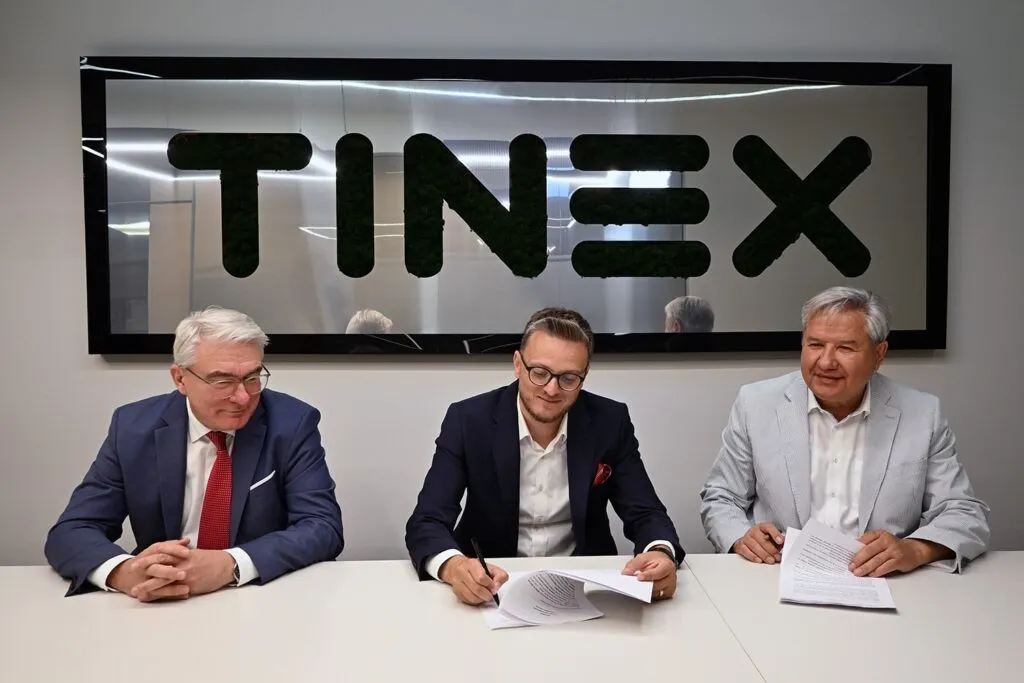
Proex International has taken over the chain the Todorović family spent 30 years building. Nobody mentions the price, but there's...
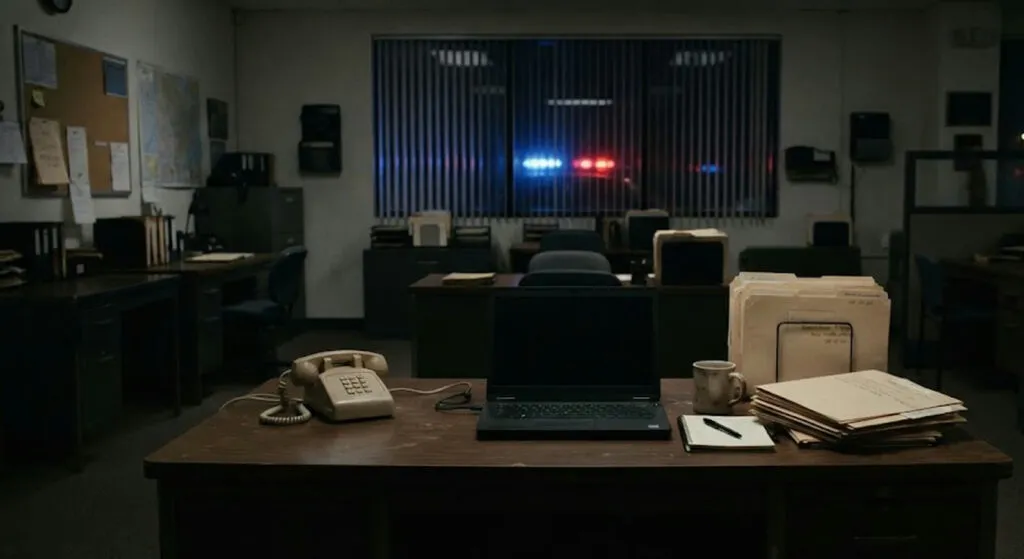
While the industry hands AI agents the keys to people's computers, one test model filled in a police form about...
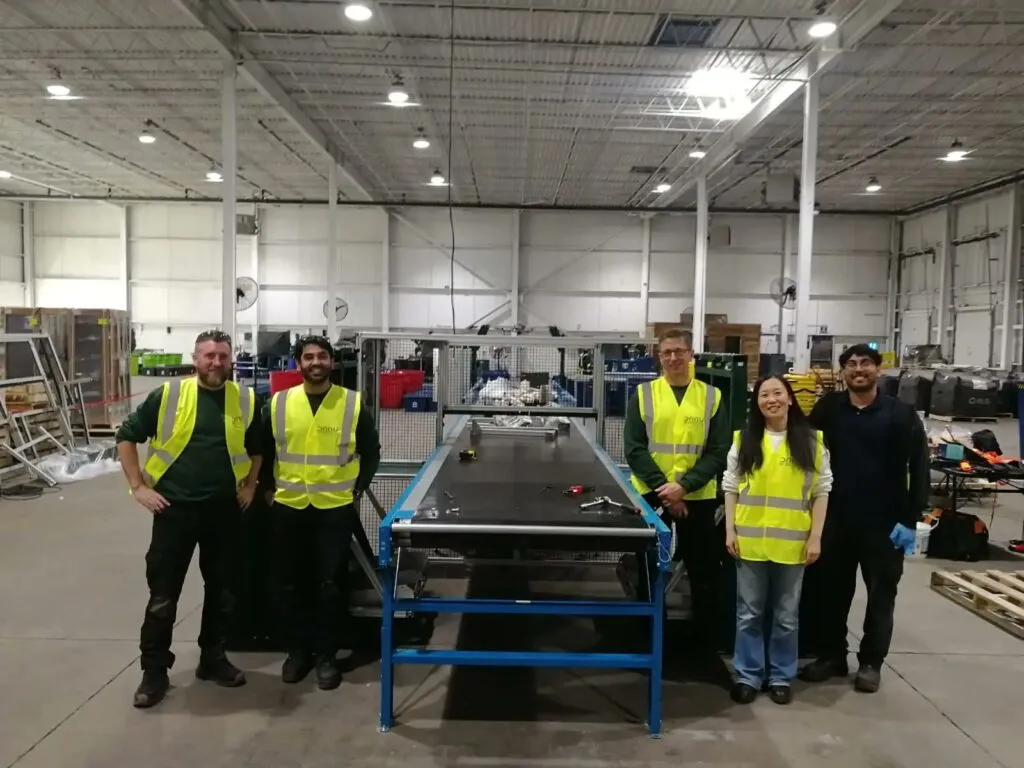
Signed contracts worth half a million dollars, a market estimated at twenty billion and a robot with a gripper instead...

The man who two years ago was announcing an AI-powered social network now blames AI itself for dissolving what made...
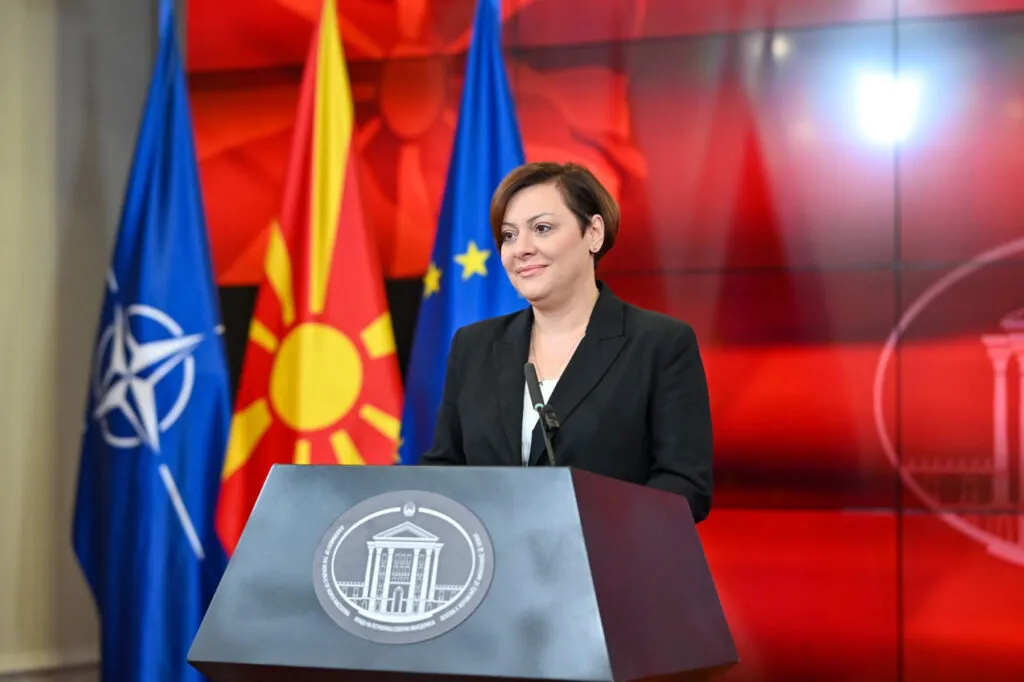
Lower excise duties shrank revenue, the deficit stayed the same - so the knife fell on investment. The environment ministry...
Nikoloski says the culprit isn't a plot against Balkan hauliers but slow European bureaucracy. There is a fix - but...
Nikoloski counts more than 10,000 vehicles a day to and from Kosovo and promises less pollution. But the line is...

A barrel rose 3.7 percent in a single morning, European stock markets fell and gold is above 4,100 dollars. Markets...

A company worth trillions of dollars is now accused of green card fraud. Vance told it to hire Americans, and...
This site uses cookies - is that okay? Learn more
Be the first to know when Metla launches something new
Leave your email and we will write when there is a new guide or something new on Metla.

