

Two young men say police officers beat them while they were tied up: the investigation is being run by the Interior Ministry itself
10.10.2026


10.10.2026

10.10.2026
10.10.2026

10.10.2026

10.10.2026

10.10.2026

10.10.2026

10.10.2026

09.10.2026

10.10.2026

10.10.2026

09.10.2026

10.10.2026

10.10.2026

10.10.2026
10.10.2026

09.10.2026
08.10.2026

10.10.2026

10.10.2026

10.10.2026

10.10.2026

10.10.2026

09.10.2026
09.10.2026

08.10.2026
07.10.2026
10.10.2026

08.10.2026

06.10.2026

23.04.2026

23.04.2026

12.04.2026

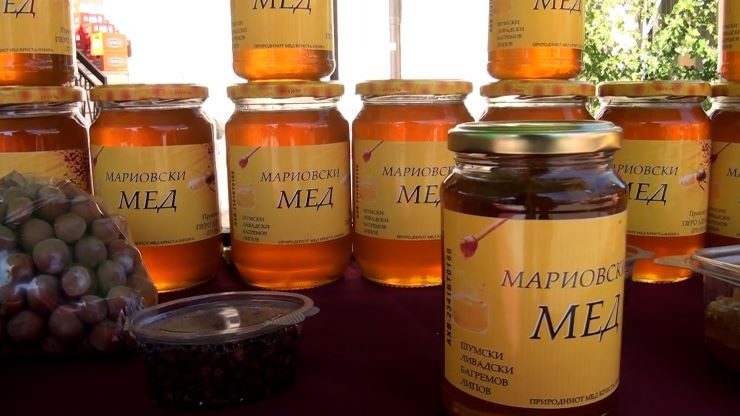
Eight beekeepers from Pelagonia have officially won the right to write "Mariovo honey" on their jars. Agriculture, Forestry and Water Management Minister Borče Serafimovski handed them their certificates of entry in the Register of Geographical Indication Users in Bitola, at the opening of the 29th "Days of Macedonian Beekeeping" event on Magnolia Square.
"Behind this result lie around ten years of work and perseverance by the beekeepers in protecting the geographical origin of Mariovo honey," the minister said. Ten years - for one product name.
What they get, and what they have to protect
A geographical indication is not one company's trademark, but a collective right. Registered beekeepers can use the protected name on packaging, in advertising and in business documents, and can stop others from misusing it. In return, they must stick to the specification - the area, the production method and the characteristics of the honey - and allow inspections. "Together with the right to use the protected name comes the responsibility to preserve its special characteristics," Serafimovski said.
Sounds good. But who will carry out those inspections, how often, and will every batch of honey be checked or just the paperwork? That has not been explained so far.
No data on earnings
The minister talks about "additional income through attractive packaging, cooperation with the hospitality sector and links with rural tourism". The problem is that for Macedonia there is no publicly available, comparable data on how much sales, prices or revenues of products have grown after they received a geographical indication. A 2025 academic paper in the journal "De Jure" by professors Emilija Gjorgioska and Dijana Gorgieva of St. Kliment Ohridski University points to exactly this weakness, calling for clearer rules and responsibilities, better training for producers and a more active state in protection and promotion.
In Bitola the minister also admitted that honey yields are down this year, and called climate change a reality beekeepers have to adapt to. So Mariovo honey got its protected name in a year when there is less of it. If the name does not bring a better price as well, the beekeepers of Mariovo will be left with a nice certificate on the wall. And the state will not even find out, because that kind of data simply does not exist in public.
The latest 10 news from this category
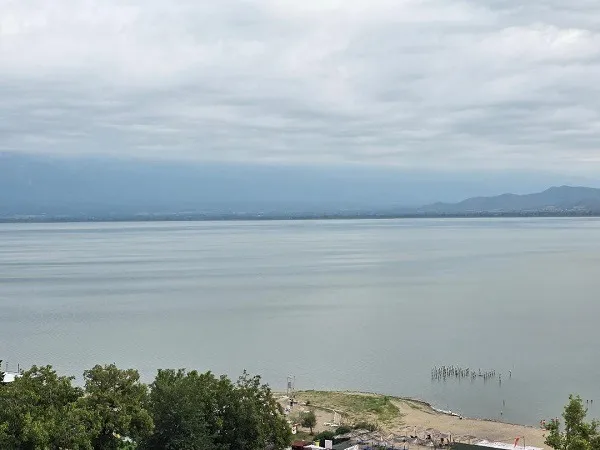
The fifty or so centimetres the lake won back last winter, the dry summer took away. The rescue system is...
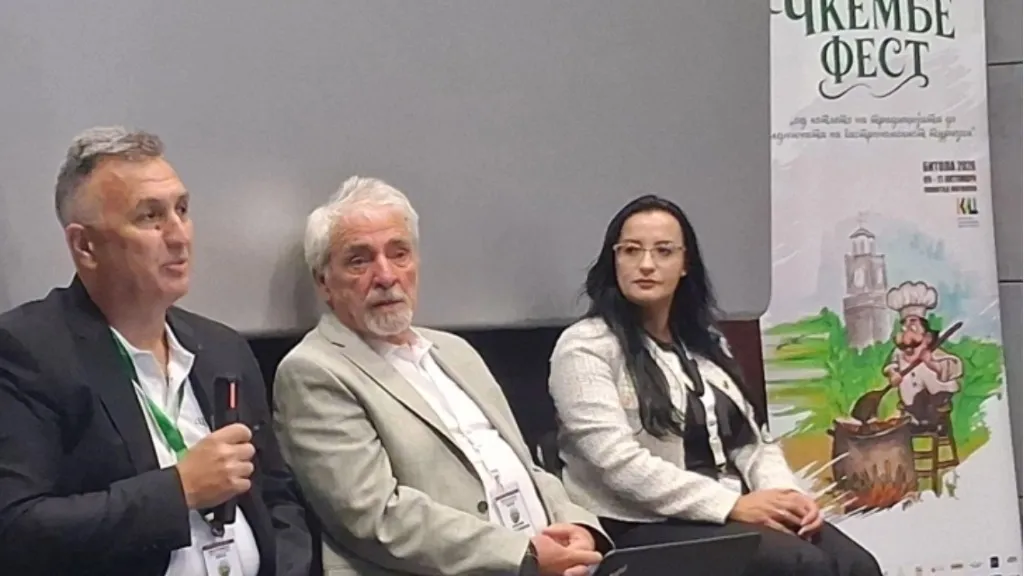
Ten teams from Macedonia, Turkey and Hungary are competing for the tastiest tripe soup. The city whose nickname comes from...
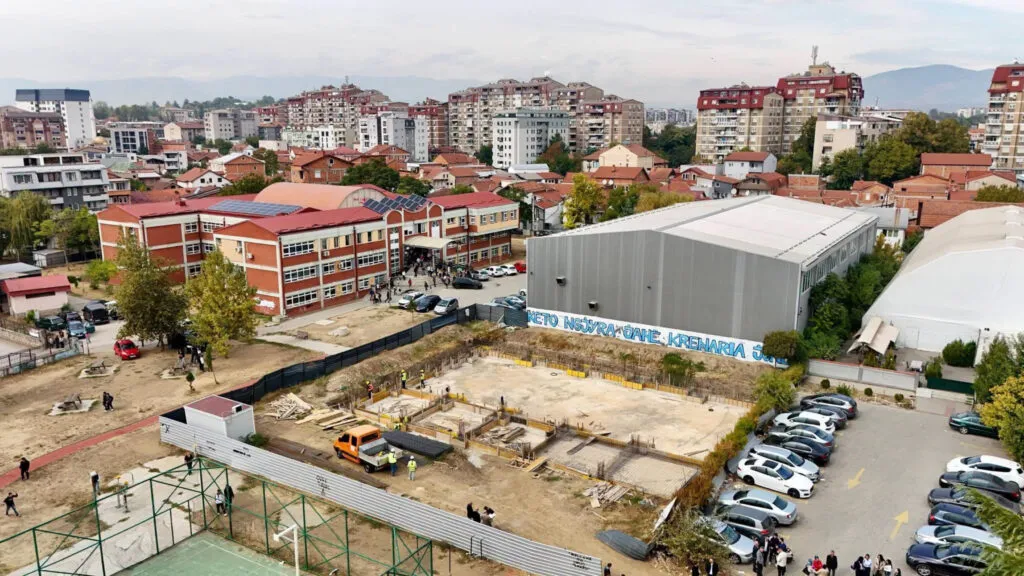
The pool at the "7 Mart" school is in its final phase and is a genuine gain for the children....
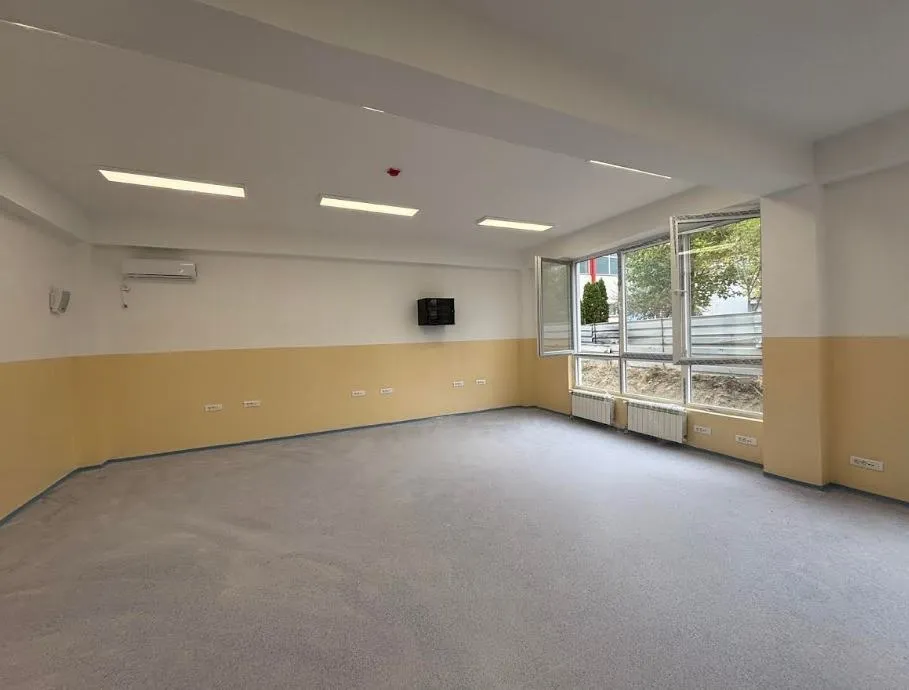
The extension of the "Nevena Georgieva - Dunja" school is nearly finished, while work in Ilinden has only just begun....

The two pensioners' associations in Karpoš went head to head at the Partizan sports hall. The best took home trophies,...
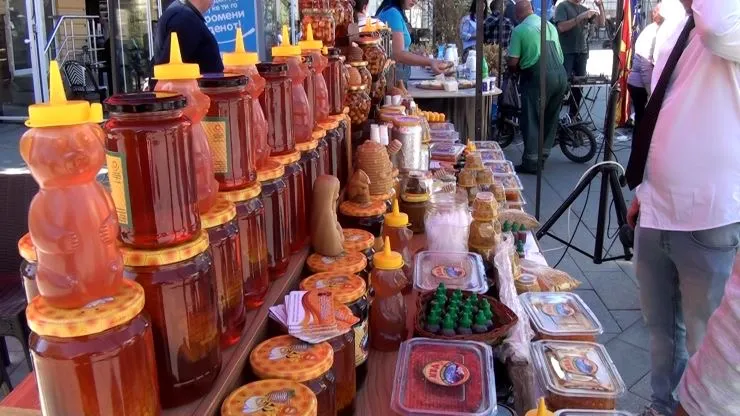
Cold, drought, fires in Mariovo and pastures overgrown with thorns. The state pays 600 denars per bee colony, and beekeepers...
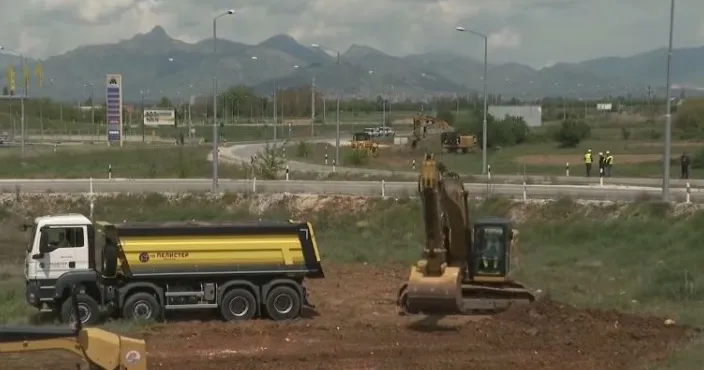
The minister boasts of a crushed-stone base and a first section in 2027. But between Farish and Prilep there are...

The plan was adopted in 2024, the body meant to monitor it was formed in July, and it sat down...

The "m.Uslugi" app is free, secure and optional, says Minister Andonovski. Whether a traffic cop or a bank counter will...
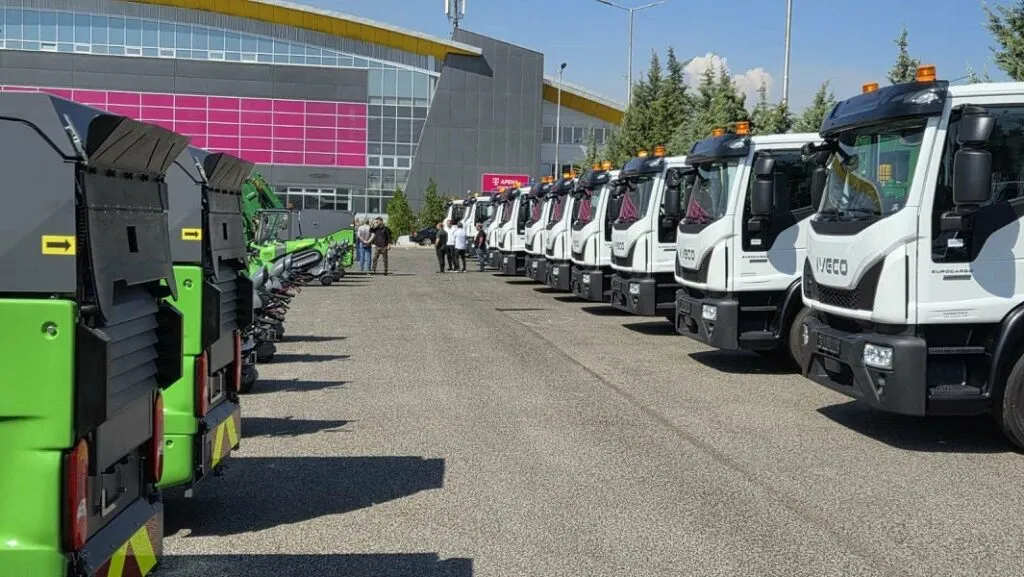
A month after the grand promotion, the new "Komunalna Higiena" vehicles are waiting on "legal procedures". The mayor blames his...
This site uses cookies - is that okay? Learn more
Be the first to know when Metla launches something new
Leave your email and we will write when there is a new guide or something new on Metla.

