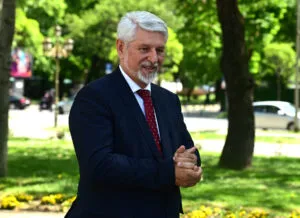
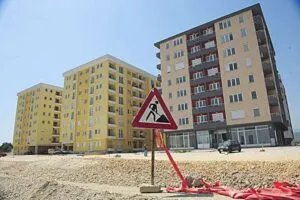
A New Criminal Complaint Against Jakimovski: A Building Permit Based on a Plan Struck Down Back in 2018
16.09.2026


16.09.2026
16.09.2026

16.09.2026
16.09.2026
16.09.2026

16.09.2026

16.09.2026

15.09.2026

14.09.2026

16.09.2026

16.09.2026

15.09.2026

16.09.2026

15.09.2026

14.09.2026

16.09.2026

16.09.2026

16.09.2026

16.09.2026

15.09.2026
15.09.2026

09.03.2026

27.02.2026

19.02.2026
16.09.2026

15.09.2026

14.09.2026

23.04.2026

23.04.2026

12.04.2026

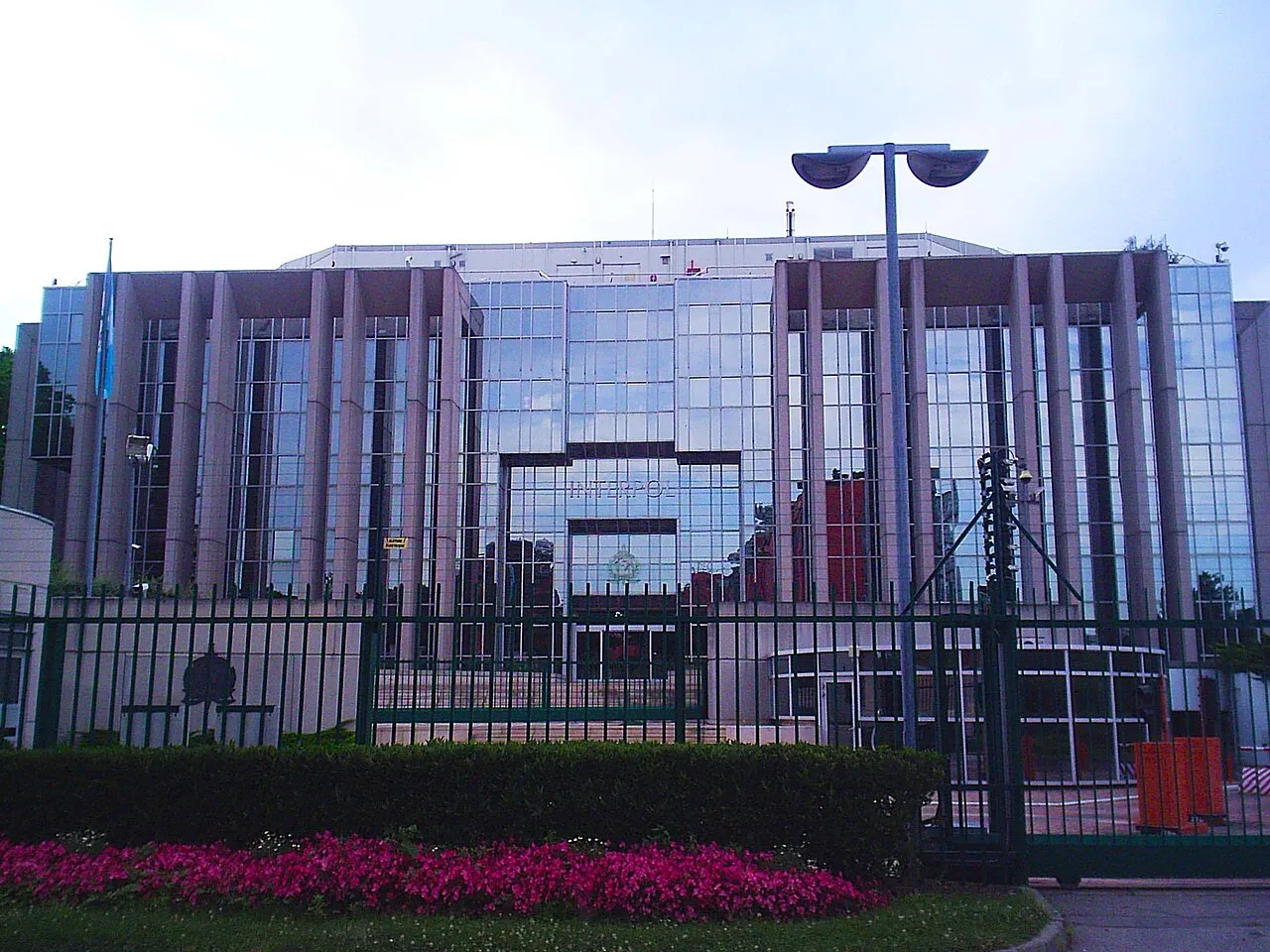
While at home we often complain that Macedonia goes unnoticed everywhere, two Macedonians work at Interpol headquarters - and not in minor roles. According to Interpol's Secretary General, Valdecy Urquiza, one of them runs a global programme for fugitives from justice, missing persons and people wanted under international notices. A small country, but with people in big seats.
Urquiza's message is both a compliment and a reminder: "the size of a country is not what counts, but its potential to contribute." With the rise of artificial intelligence and digital payments, he says, crime erases borders entirely and turns into a transnational operation - which makes global cooperation between police agencies more important than ever. Today's criminal works across borders with a single click; the police have to catch up on the same ground.
The scale is enormous. Interpol's central databases hold over a hundred million records from police forces around the world and are searched millions of times every day. When Macedonian police enter a wanted person, the system automatically screens them across border controls and passenger lists around the world. That is a power no national police force has on its own - and precisely why membership is worth something.
Macedonian police are an active member and take part in operations against drug, human and arms trafficking, and last year the Police Academy joined Interpol's global training network. All of this sounds encouraging - but it is worth keeping one realistic thought in mind. Cooperation with Interpol is a tool, not a guarantee; it is worth exactly as much as domestic institutions make of it. Having access to the largest police network in the world while cases sit unresolved at home for years would be a missed opportunity. The tool is here. The question is whether it will be used.
The latest 10 news from this category
The World Bank dropped out over misalignment with EU requirements. Construction will take two and a half years, and the...

Of 9,500 square metres of greenery, 268 remain. Terrain with an 80-metre height difference, no erosion study and no opinion...
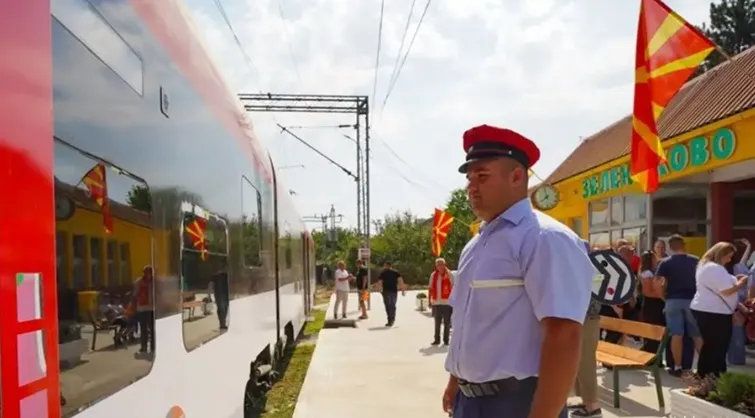
Gjorgjievski says the system should be ready by the middle of next year. The BRT tender is announced for the...
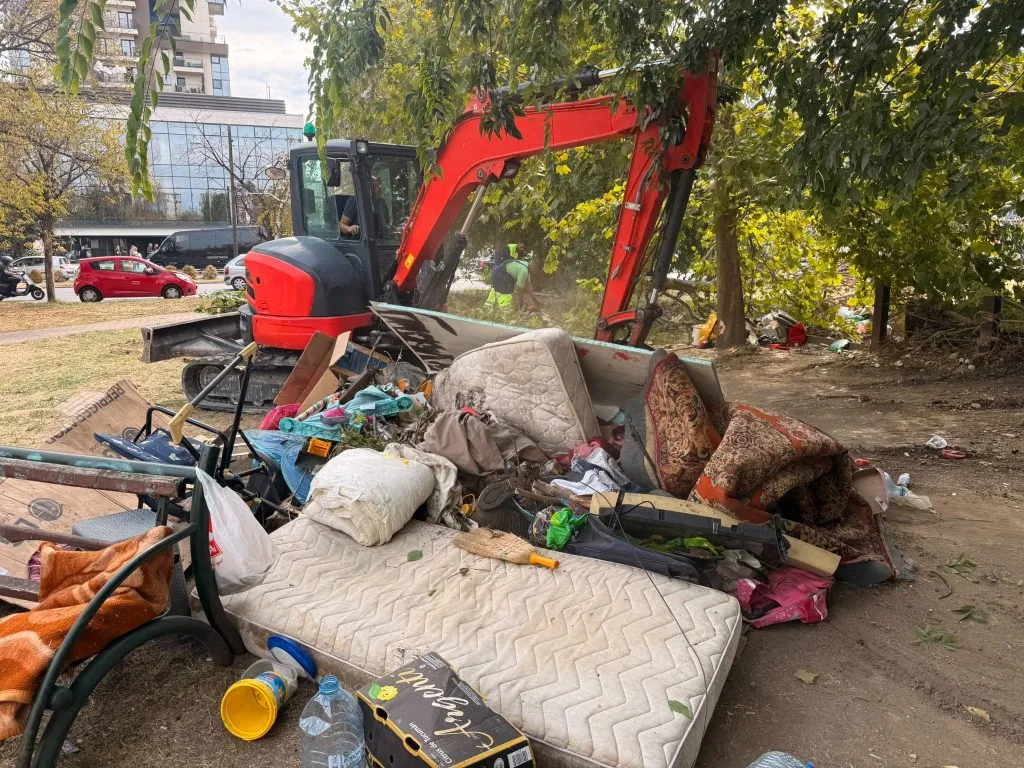
The second operation at the same site within a year. Gerasimovski himself is appealing to the Labour Ministry - because...
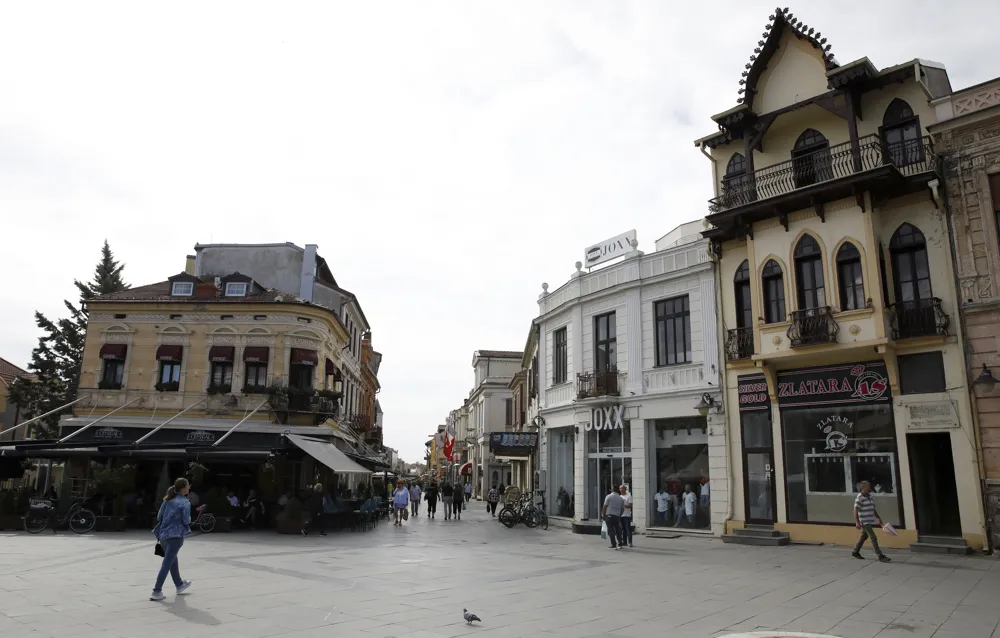
A prosumer scheme, a solar oven and electricity generated by bicycle on Magnolija square. The city that has paid the...
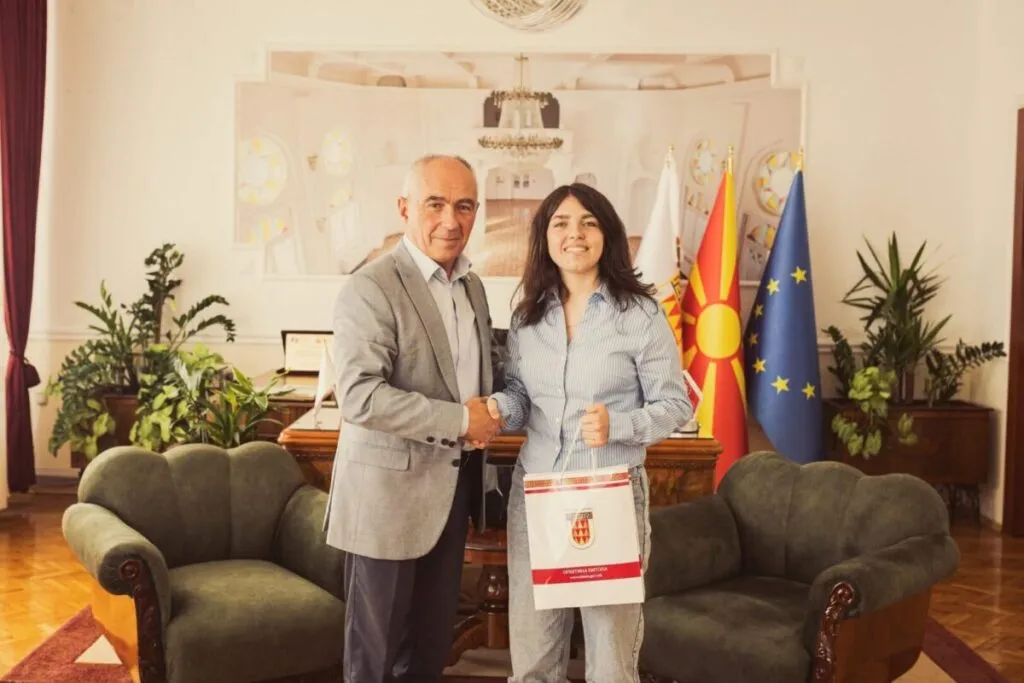
Stefanija Dimovska won two medals at IESO 2026, working in mixed international teams. Before that she was also national champion...
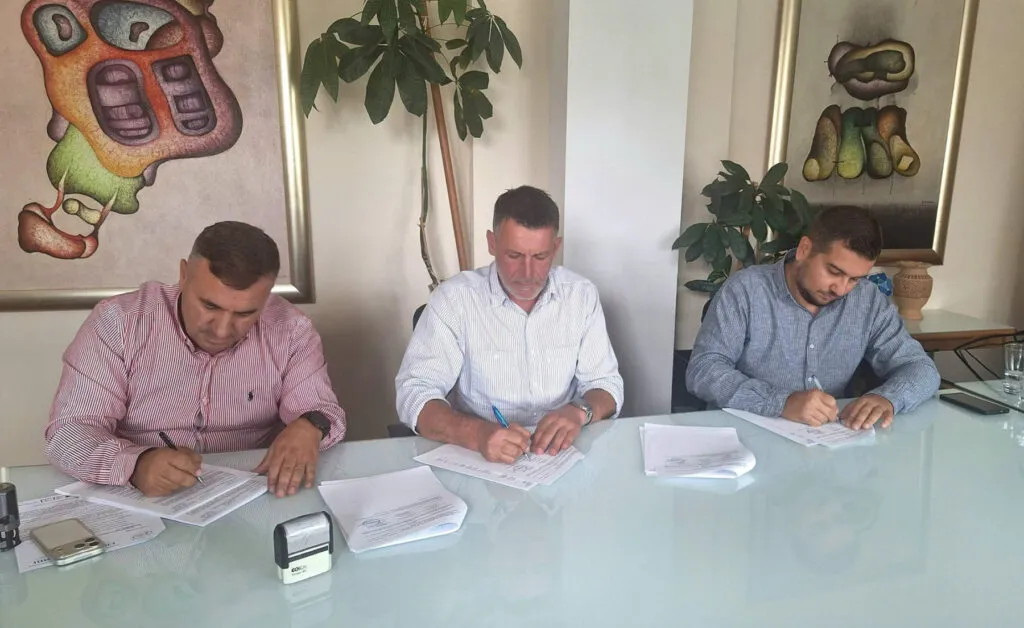
Out of nearly 4.7 million denars, the municipality is putting in around 180,000. The rest comes through the Bureau for...

Ten years working inside the health system - and she still had to pull strings to be admitted. The clinic...
Appeals run from 15 to 25 September. There is not enough space at Goce Delčev, so students go to Stiv...
From 23:00 to 05:00 there is no getting through towards Evzoni. Towards Halkidiki - business as usual. Those heading on...
This site uses cookies - is that okay? Learn more
Be the first to know when Metla launches something new
Leave your email and we will write when there is a new guide or something new on Metla.