

They Rode In on Scooters, Torched the Shops and Left: The Fire in Shuto Orizari Burned for Three Hours, Setting It Took Fifty Seconds
13.09.2026


13.09.2026

13.09.2026
13.09.2026

13.09.2026

13.09.2026

13.09.2026
13.09.2026

12.09.2026

11.09.2026

13.09.2026

13.09.2026

12.09.2026

13.09.2026

13.09.2026

13.09.2026
13.09.2026

12.09.2026

11.09.2026

13.09.2026

13.09.2026

13.09.2026

13.09.2026

13.09.2026

12.09.2026

09.03.2026

27.02.2026

19.02.2026

13.09.2026

12.09.2026

11.09.2026

23.04.2026

23.04.2026

12.04.2026

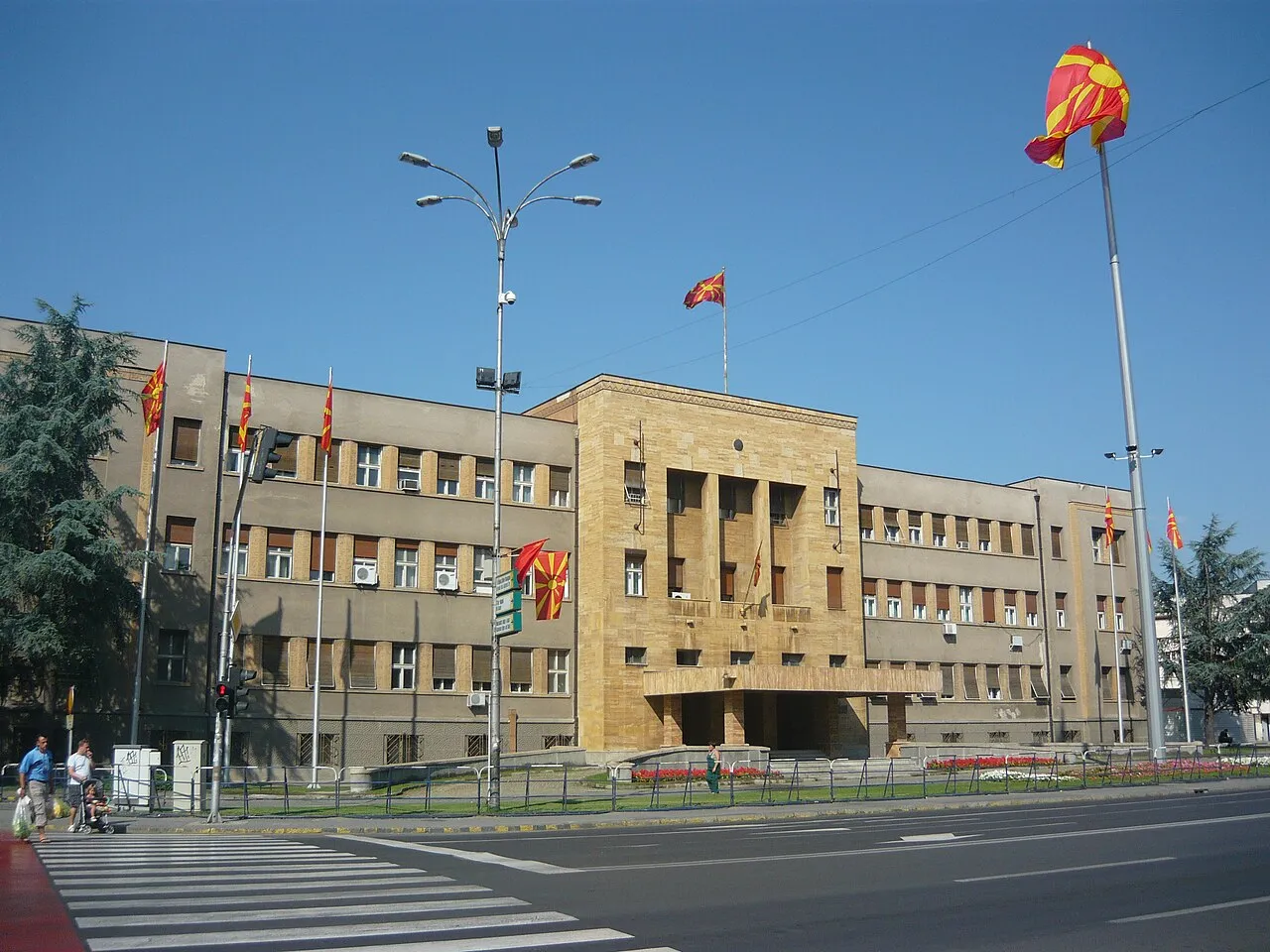
To mark July 11 - the International Day of Remembrance for the genocide in Srebrenica - a commemorative event will be held in Parliament today. The ceremony takes place in the "Boris Trajkovski" hall, honouring the victims of one of the darkest crimes on European soil since the Second World War.
Srebrenica is not distant history for the Balkans - it is a wound the region still carries. Thirty years later, remembrance endures not to reignite old divisions, but for the exact opposite reason: to refuse forgetting, which is the first step toward repetition. Nations that do not face their past are condemned to live it again.
The fact that Parliament marks this day is an act that matters. Institutional memory is different from the personal kind - it is a message from a state that it acknowledges what happened and stands on the side of the victims, not neutral silence. In the Balkans, where part of politics still feeds on denying and relativising these crimes, a gesture like this carries weight.
Commemoration brings no one back and changes no facts. But it does something important - it keeps memory awake and gives a voice to those who can no longer speak. The question every such observance leaves behind is not about the past but about the future: did we truly learn something, or do we simply know how to remember nicely once a year and look the other way the rest of the time?
The latest 10 news from this category
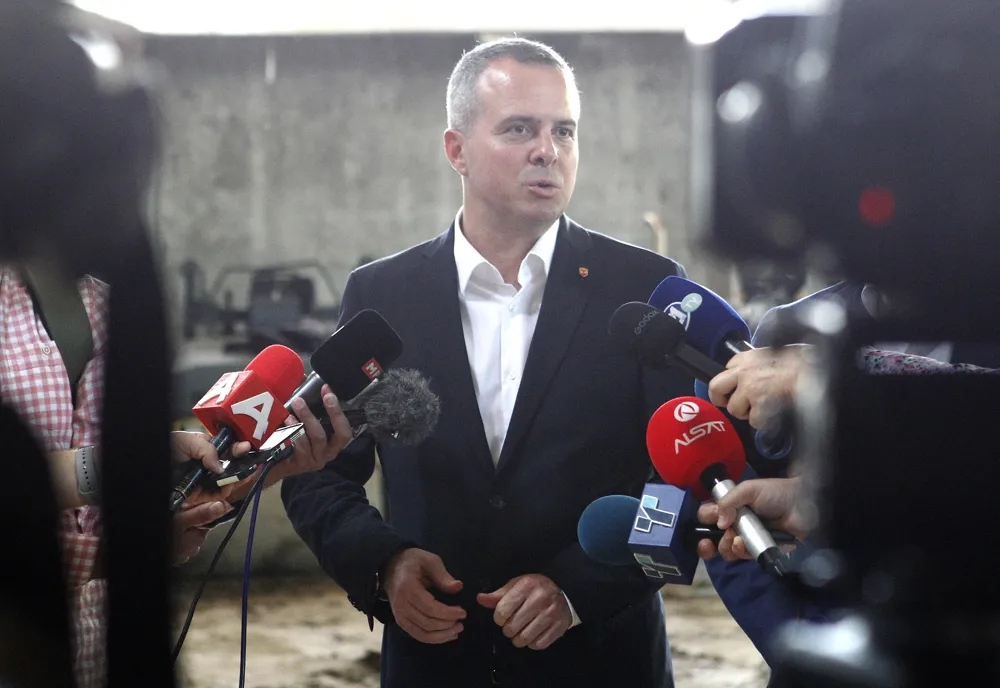
Ivanovska recalls why Vodno was forested in the first place. Gerasimovski says the court annulled the old plan and a...

Three Bulgarian ministries, MPs from different parties and flags inside the medical centre. MAEI asks why a check-up in a...
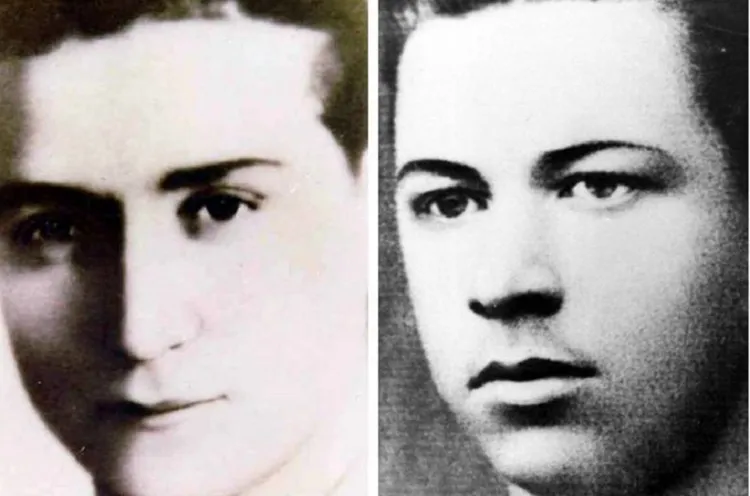
Flowers were laid in Bitola for Stefan Naumov and Dimitar Bogoevski. Behind the anniversary stand two biographies that ended at...
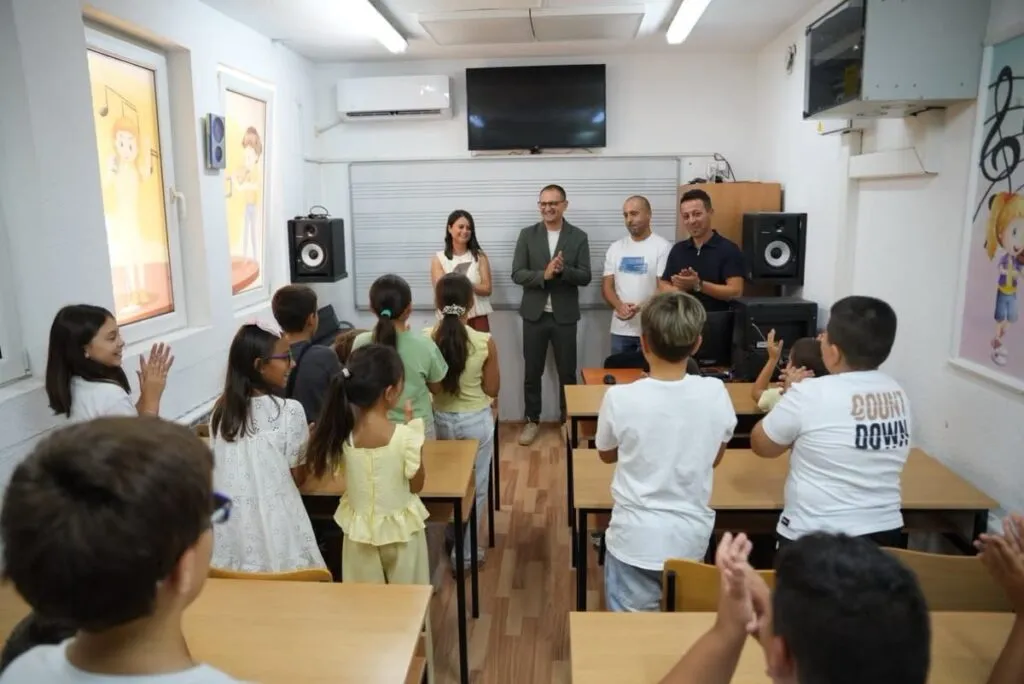
Eighty children do not simply appear out of nowhere. The question no ceremony answers is whether there are enough instruments...
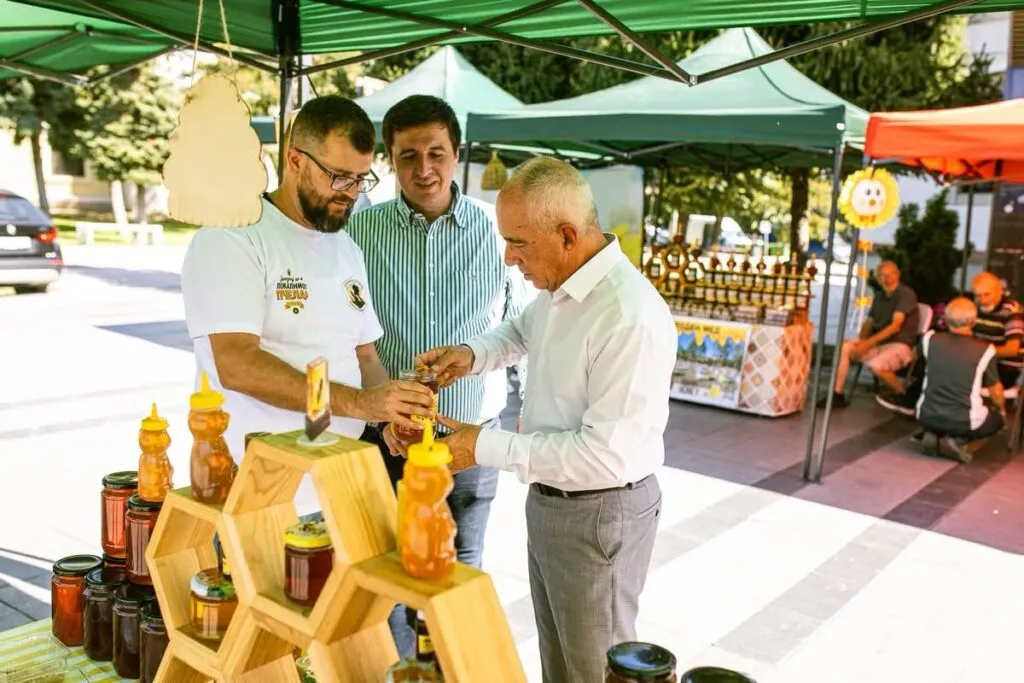
When you buy honey from the man who tells you which village it came from, you bypass the entire trade...
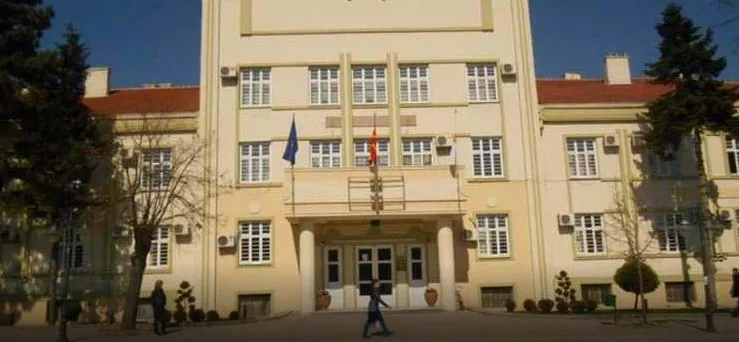
Any citizen can submit a nomination. That is exactly where these competitions either come alive or become an internal affair...
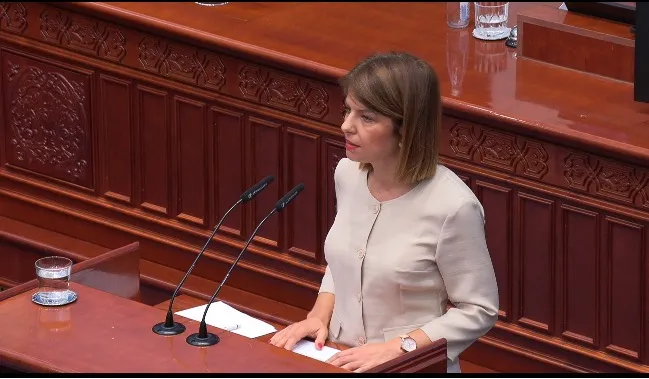
The minister answered that pupils are not a risk group because the youngest patient was 25. The MP had asked...
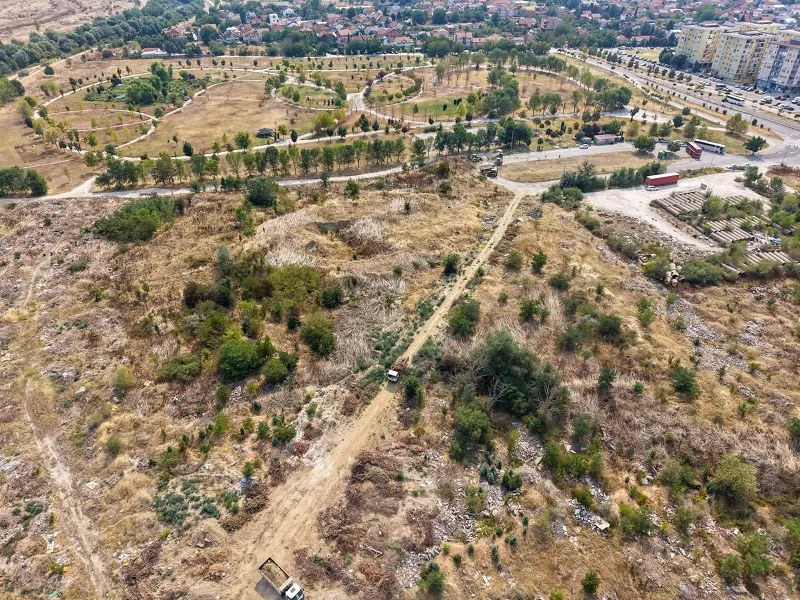
For five years after the promise, the dump stayed a dump. The two neighbouring parks tell the story that comes...
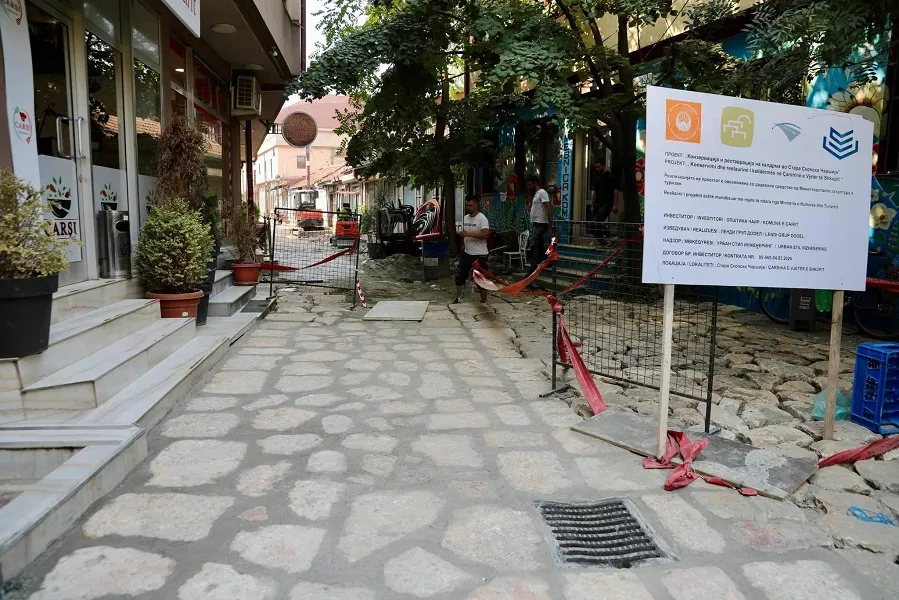
The most visited historic space in Skopje waited fifty years for someone to replace the pipe under the cobblestones. The...

There is a route, there is a presentation and there is agreement that the road is needed. There is no...
This site uses cookies - is that okay? Learn more
Be the first to know when Metla launches something new
Leave your email and we will write when there is a new guide or something new on Metla.
