Black Smoke Over Skopje: A Paint and Varnish Warehouse Burned Inside the Old Steelworks
23.09.2026


23.09.2026

23.09.2026

23.09.2026

23.09.2026

23.09.2026

23.09.2026

23.09.2026

22.09.2026

21.09.2026
23.09.2026

23.09.2026
22.09.2026

23.09.2026
23.09.2026
23.09.2026
23.09.2026

22.09.2026

21.09.2026

23.09.2026

23.09.2026

23.09.2026

23.09.2026

23.09.2026

23.09.2026

09.03.2026

27.02.2026

19.02.2026

23.09.2026

22.09.2026
21.09.2026

23.04.2026

23.04.2026

12.04.2026

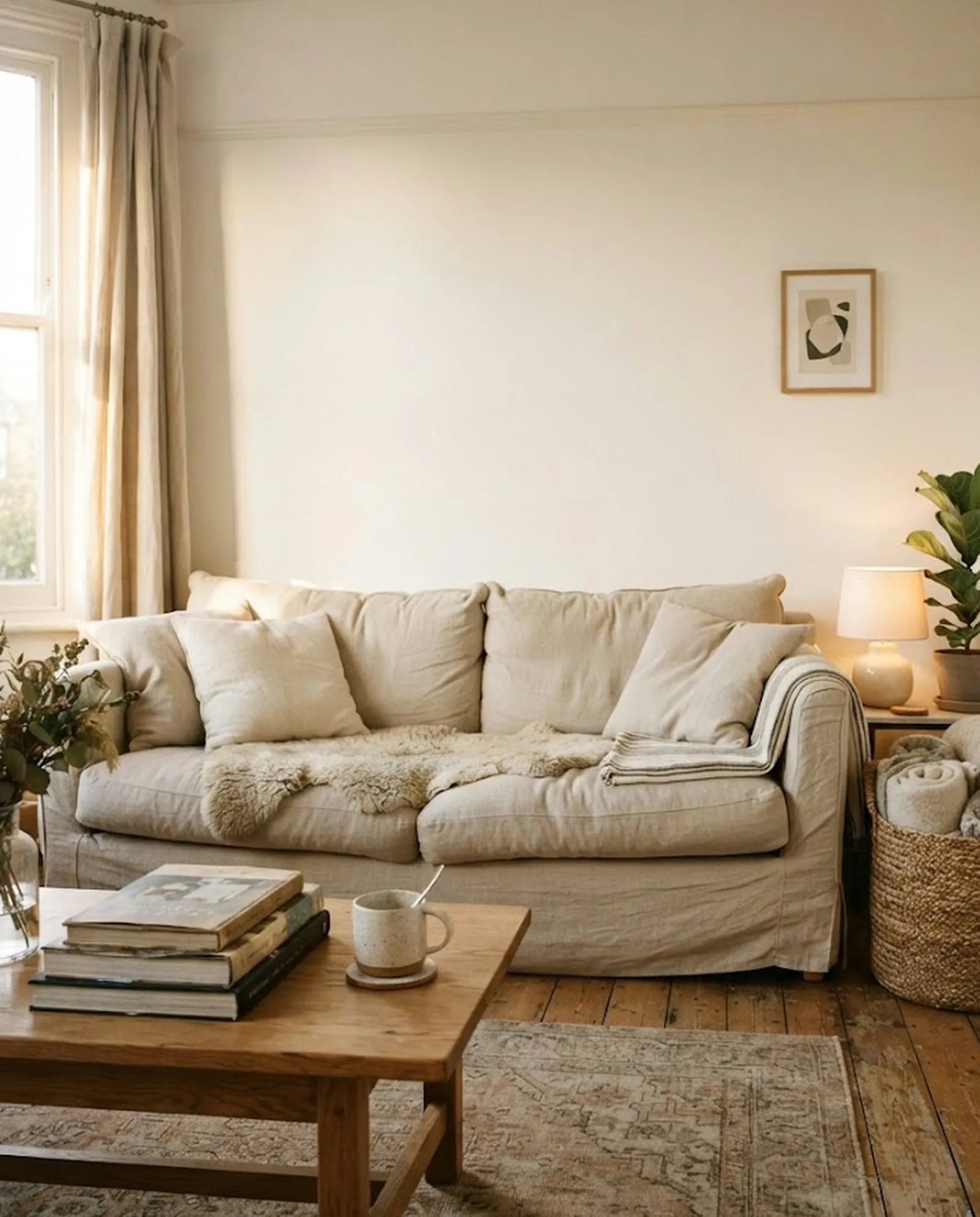
You open Instagram and there it is - the perfect home. Lit as though shot for a magazine, not a cable in sight, not one thing out of place. You think all you have to do is repeat it at your place. Then you do, and something does not work.
"The problem starts when we stop asking what we need and start copying someone else's house," says interior designer Ana Utrilla. Trends can show ideas, materials and combinations. What they cannot do is replace the way you live - because a home is not a fixed image, but a space in motion.
The house for five minutes of guests, versus the house for 364 days
For years, a beautiful house meant a flawless house. Utrilla rejects that definition outright: "They sold us the idea that a 'beautiful' house is one that holds up well to a five-minute visit". Her counter is more interesting: "I prefer to think about the person who lives in it the other 364 days of the year". Change that perspective and the decisions change with it. You start valuing what makes your day easier, not what photographs well.
Personality cannot be bought
There is a belief that a home with character requires unique pieces or big investments. Utrilla disagrees: "It is not the special pieces. The point is for the house to say something about the person living in it". That changes the approach entirely - it is not about collecting striking objects, but about a series of coherent decisions. "I am interested in houses where everything is where it needs to be," she says, not for aesthetics but for function.
A photo is a moment, a house is every day
The most common mistake, she says, is "forgetting that a photo is an instant and a house is every day". Social media shows the result, not the process. "A photo does not show you where the backpacks get dumped when the kids come home from school," says Utrilla. Nor the chaos of an ordinary morning, nor the improvised quick dinner. "Real houses have rushing and noise, but silences too." Ignore that and you get a space that looks good and functions badly: "You end up living to maintain the house, instead of the house looking after you".
Layout beats everything else
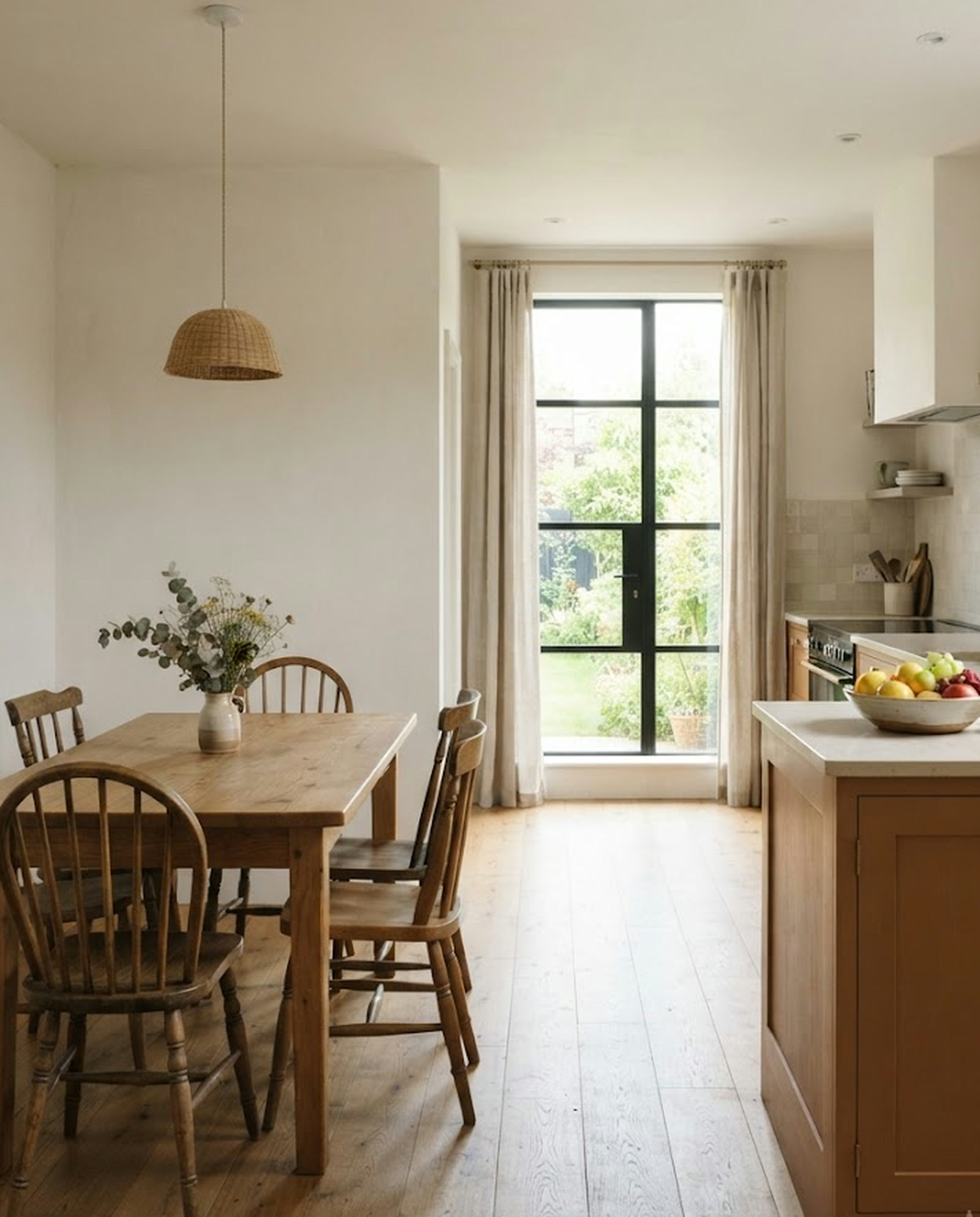
You can nail the style and miss the fundamentals. Layout is what really determines how a space is lived in - "a layout that makes the day flow" has more impact than any trend. It is not just about where the furniture goes, but about easing movement, removing obstacles and optimising use. The question that should drive the whole process is simple: how do I want to live here?
Storage is not an add-on
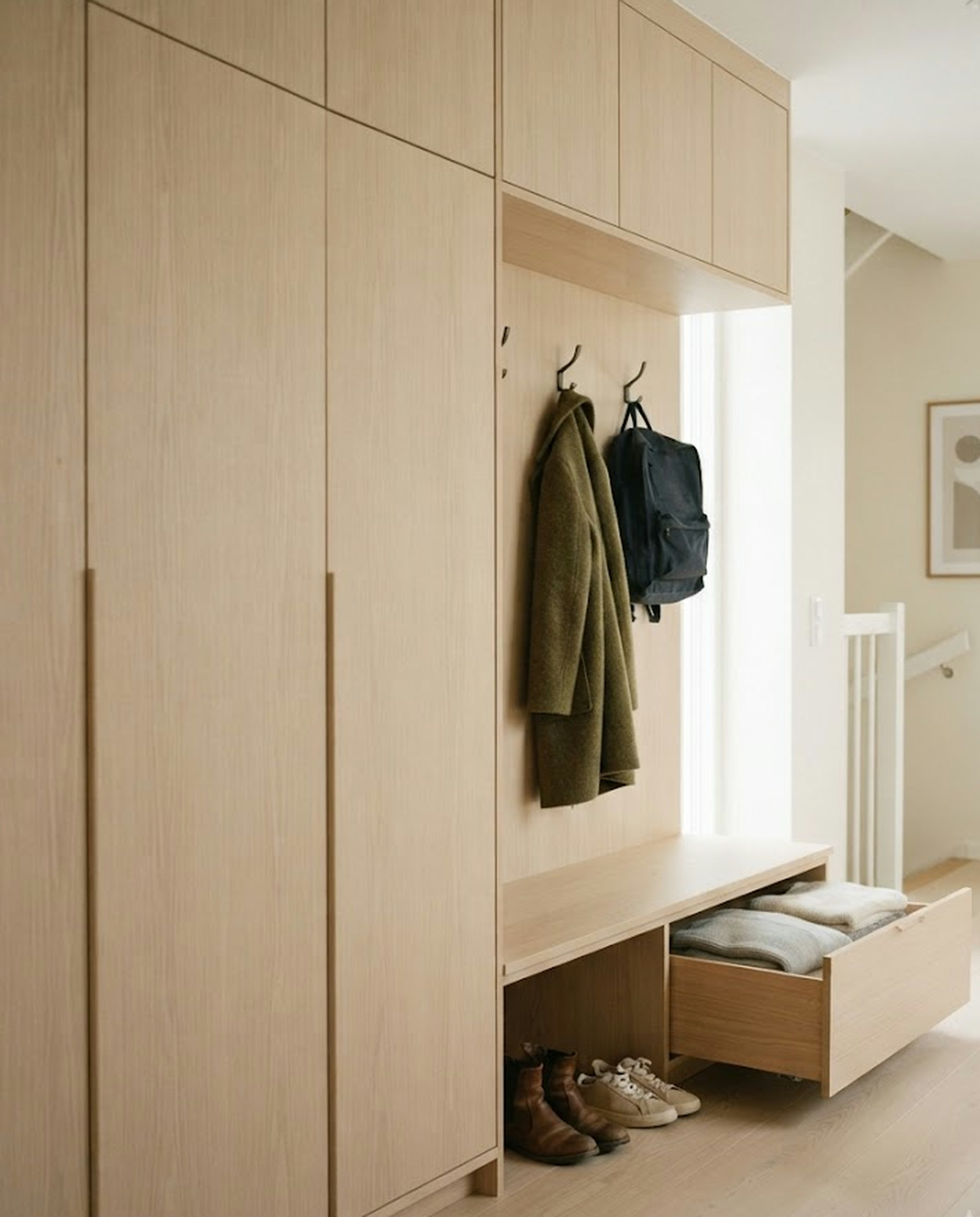
Order is not an aesthetic question but a question of wellbeing. "Very often the problem is not aesthetic: it is the relationship we have with the house," says the designer. If there is not enough storage, mess appears on its own, and with it the feeling of chaos. That is why storage has to be planned from the start - built in, accessible and adapted to the routine, rather than added at the end when everything is already in place.
How to take from a trend without surrendering to it
Utrilla is not asking for renunciation: "You do not need to give up anything". What has to change is the order. "You have to strip it of the leading role" - meaning: do not start from the trend. First analyse the house, then decide what to add. "A trend gives ideas; it should not make decisions for you." The result then does not depend on what is worn that year, but answers to a person, not to fashion.
The goal is not to impress
For a long time people decorated with others in mind - the visit, the photograph, outside approval. "A home should not be the place where you spend all your energy," says Utrilla. It should be the opposite - a space that fills you up. That means comfortable before perfect, and understanding that a lived-in house is not a neglected house. It is a real house.
Her final sentence is also the best: "Trends change and so do tastes, but a house that makes your life easier, that lets you rest, that does not demand to be perfect for you to enjoy it - that kind rarely stops appealing to you". Hard to argue with - especially in a country where a flat renovation is often planned around what the guests will say, rather than around where the shoes will go.
The latest 10 news from this category
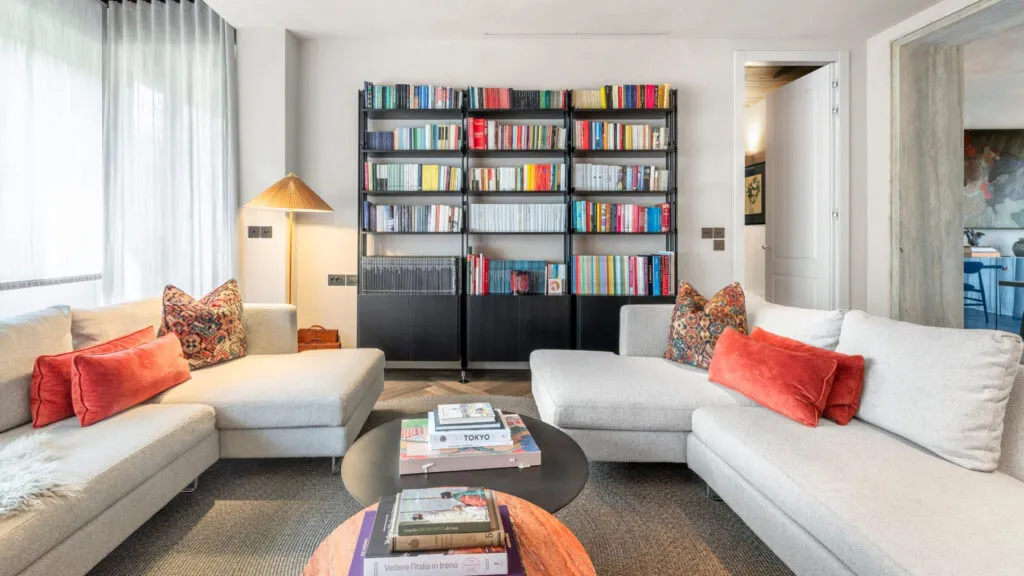
The exposed brick and ribbon windows stayed, and the entire palette came out of a single painting above the sideboard....

An Eames lounge chair from 1956, a Fratini shelving unit and a concave cobalt mirror that reflects the room curved....
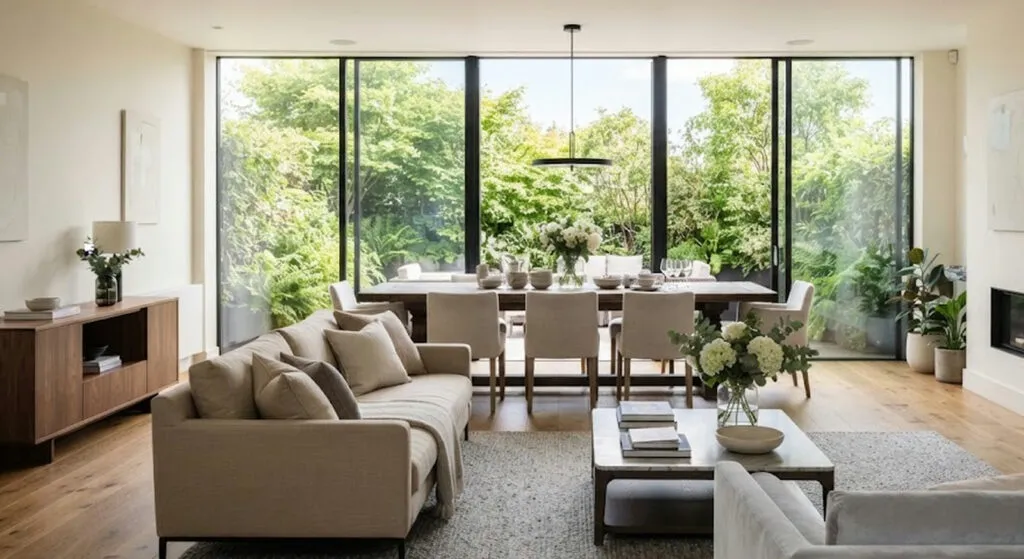
Four bedrooms, four bathrooms and one rug that keeps the dining area separate without a wall. Three things in this...
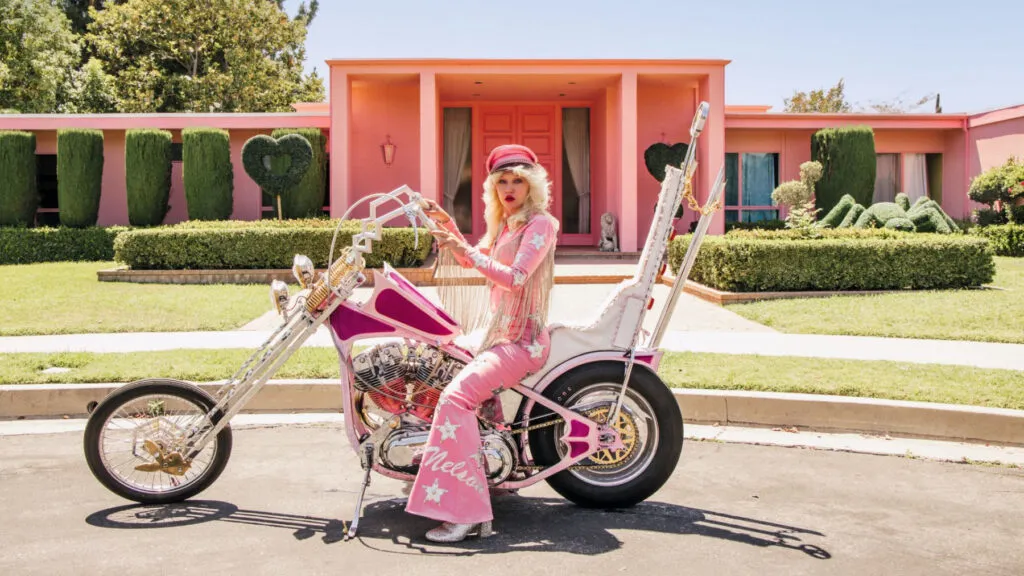
She did not decorate a house - she built a world. And behind all that fantasy there is no inheritance,...
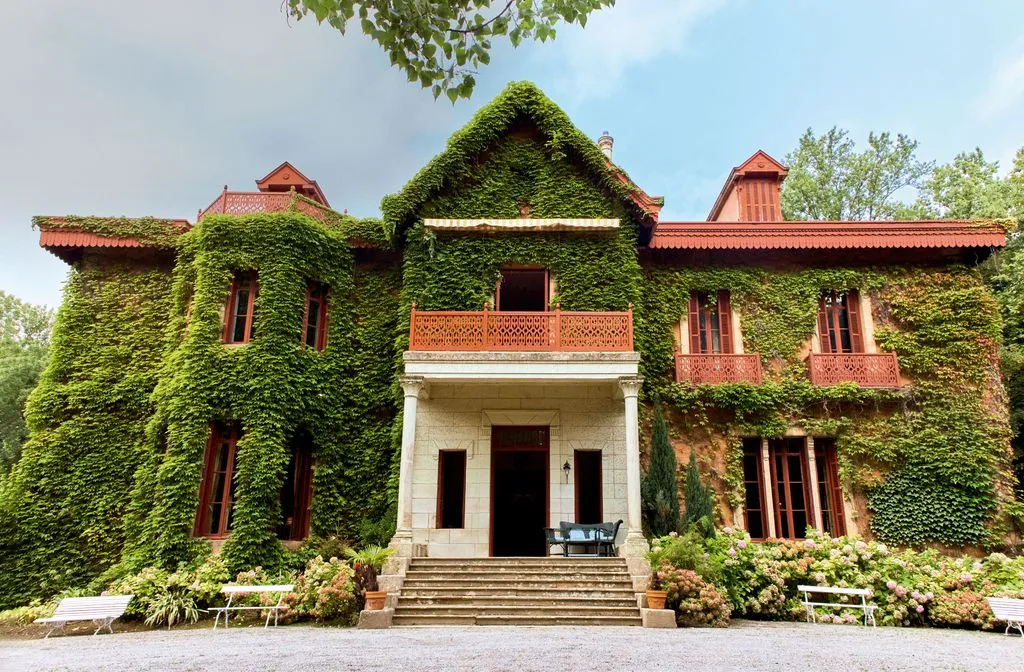
The stairwell has been turned into a gallery, and in the bedroom there is not a single attempt at an...

In the vast majority of flats the ceiling stays white because that is how it was found - not because...
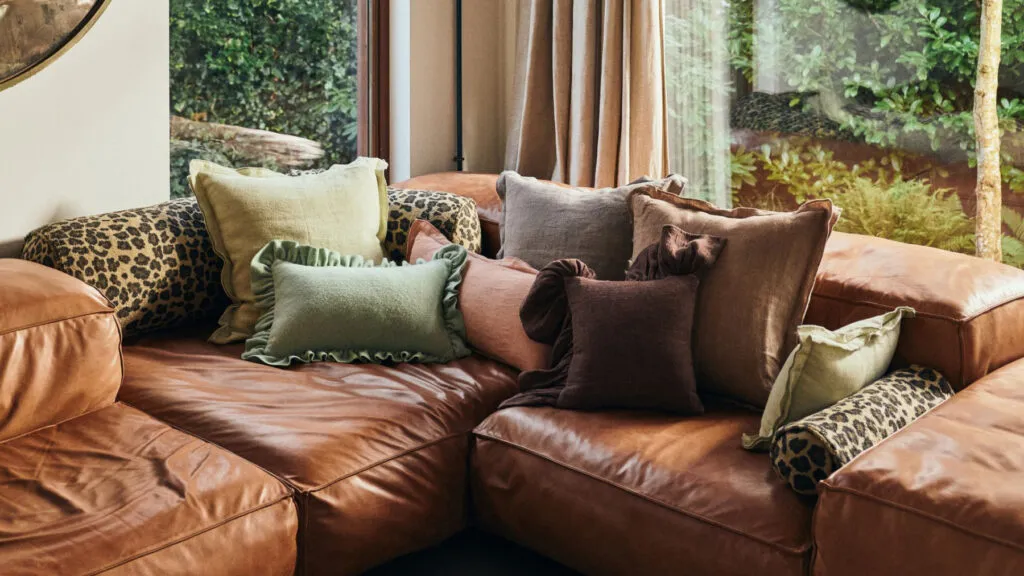
It is not hoarding and it is not maximalism. Ten things that used to be hidden when guests came and...
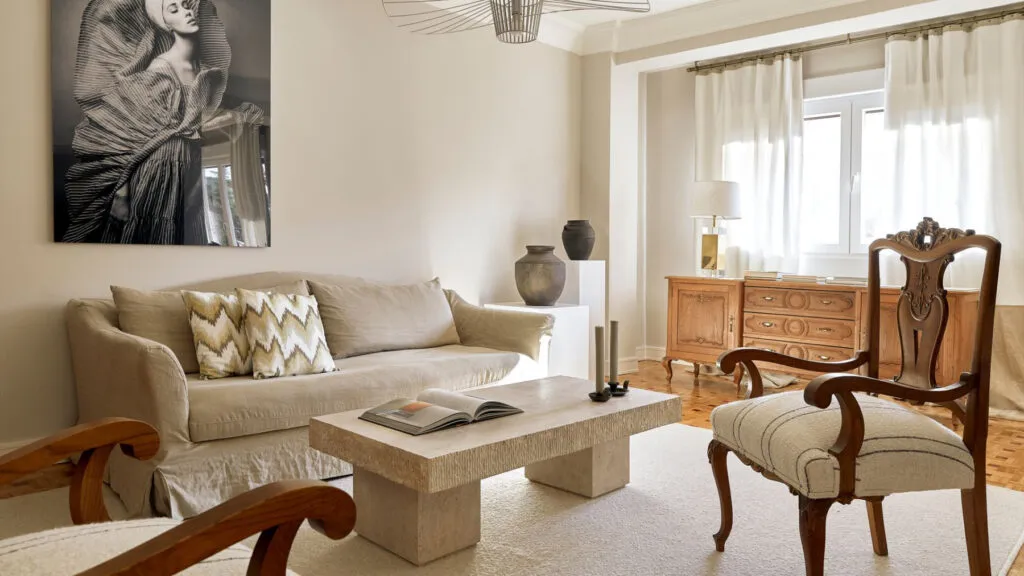
A bespoke console, reupholstered armchairs and wallpaper hung like art. The most expensive thing in the flat is the decision...
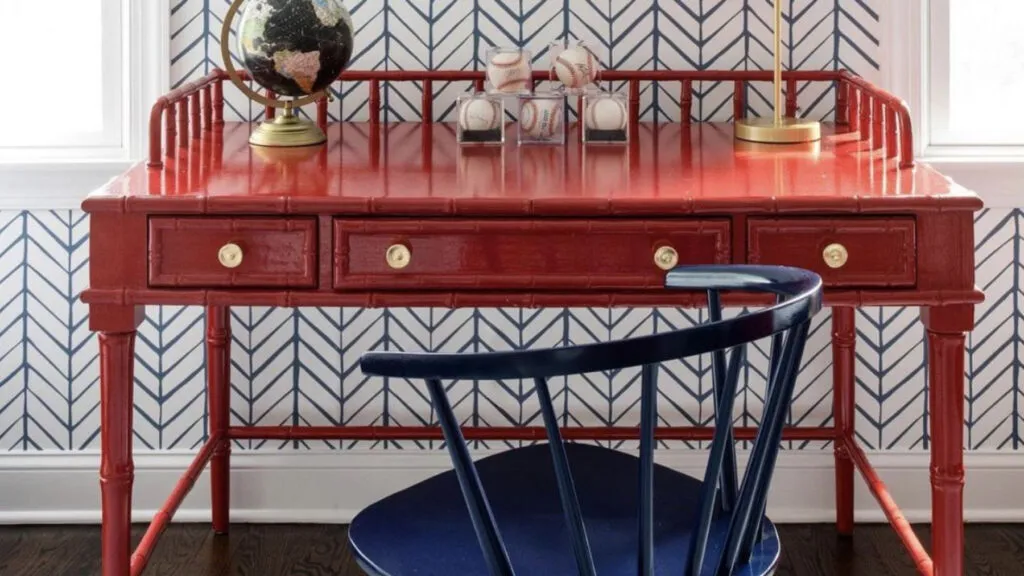
For years the rule was everything neutral and everything from the same collection. The result is a living room that...
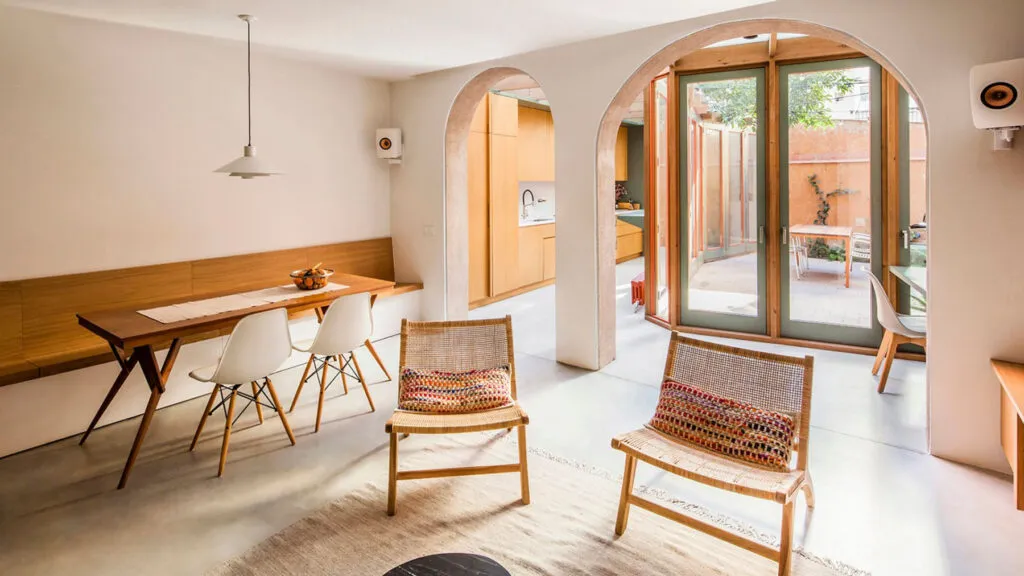
Two doors between the living room and the bedroom. That is the whole arithmetic, and that is what you lose...
This site uses cookies - is that okay? Learn more
Be the first to know when Metla launches something new
Leave your email and we will write when there is a new guide or something new on Metla.