The Stone Dolls Had Their Own Toll Booth: Detention for the Woman Who Seized Kuklica
05.08.2026


05.08.2026
05.08.2026
05.08.2026

05.08.2026
04.08.2026
04.08.2026

05.08.2026

05.08.2026

04.08.2026

05.08.2026

05.08.2026

05.08.2026
05.08.2026

04.08.2026

03.08.2026

05.08.2026

05.08.2026

05.08.2026
05.08.2026
05.08.2026

05.08.2026

09.03.2026

27.02.2026

19.02.2026

05.08.2026

04.08.2026
03.08.2026

23.04.2026

23.04.2026

12.04.2026
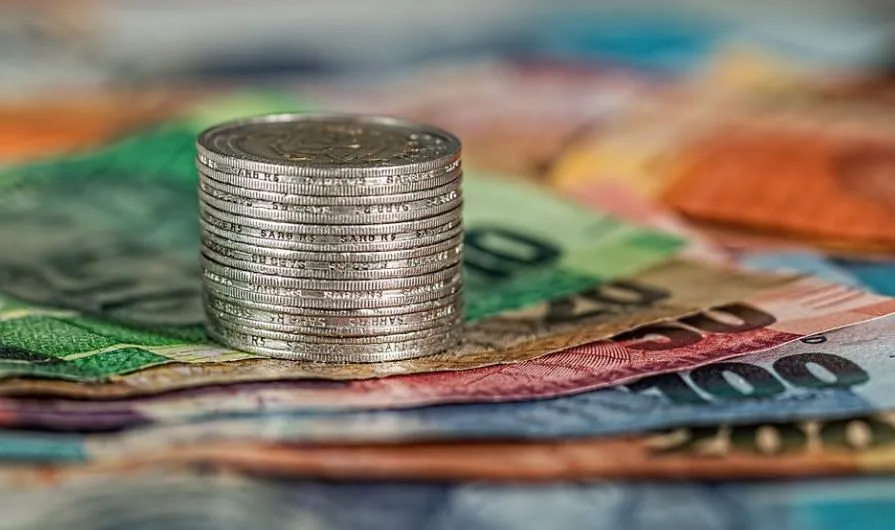
The gross minimum wage in Macedonia is 624 euros. According to the latest Eurostat data, that puts us 24th out of 29 European countries - behind Serbia at 743 euros and Montenegro at 670, and almost level with Turkey at 621. Luxembourg tops the table at 2,771 euros, Ireland at 2,391, Germany at 2,343. At the bottom sits Ukraine with 169 euros.
That is one number. There is a second one, and it looks considerably better.
When you count what the money can actually buy
When the minimum wage is calculated by purchasing power (PPS - purchasing power standard), Macedonia jumps to 1,142 units. That is more than Serbia (1,094), Montenegro (1,014) and Albania (705), which comes last on the list. By that measure Macedonia ranks 16th among 27 countries and overtakes seven EU member states. Germany leads with 2,164, Luxembourg with 2,108.
So: from 24th to 16th place, purely by changing how you measure. The logic behind PPS is simple - one unit theoretically buys the same quantity of goods in every country, so a smaller nominal sum in a cheaper country can mean more baskets of food than a larger sum in an expensive one.
Macedonia also posted the largest increase in the minimum wage among the countries analysed between January and July 2026 - 6.9 percent. Romania and Estonia follow with 6.8 percent. Central bank governor Trajko Slaveski noted on X that he had said the same back in June, and that he was attacked for it at the time.
And now the number nobody puts in a press release
Calculations by the trade union federation SSM show that a family of four needs more than 1,100 euros a month for basic costs, or 1,360 euros once housing is included. The net minimum wage is around 420 euros.
Put those two figures side by side. A family of four living on one minimum wage covers under a third of its own monthly existence. With two minimum wages in the household - it still does not reach 1,100 euros.
That the growth is the fastest in Europe is true, and it is good news. That the growth is the fastest because it starts from a very low base is equally true. When Eurostat reports that only eight of 29 European countries raised their minimum wage between January and July, while eurozone inflation over the same period hit 3.2 percent, the growth percentage on its own tells you nothing about whether anyone's end of the month got easier. It only tells you the number is moving upward. The rest is known to everyone who pays rent.
The latest 10 news from this category
Officially, fuel prices are down 1.24 percent. In practice, diesel went up by another denar - and that lands in...
Ohrid up 41 percent, Skopje up 29.5. ACI Europe confirms the figures, but nobody publishes what the subsidies behind them...
The hardest ten kilometres open in the coming months. Nikoloski's admission that one project swallows four fifths of his ministry...

The EU has already cut its forecasts for sunflower, maize and potatoes. What burned in the Mediterranean in July will...

Michael Burry argues the rally feeds itself through leverage. The same mechanism that pushes records up also accelerates the fall.
Ракетната фирма заработи 7,8 милијарди во еден квартал, а речиси 2 милијарди од нив дојдоа од дата центри изградени за...

Компанијата не пропадна - има 480 милиони приход и 500.000 клиенти. Само престана да вреди толку колку што некој напишал...
Уредите беа во сефови и банкарски трезори. Хакерите не мораа да ги обиваат - научија како самиот уред прави лозинки,...
8,369 transactions, 351.7 million euros in turnover, 28,352 construction pre-registrations. And 47 families in Debar who got a key for...
The Romanian navy is blasting rocks to redirect water towards a reactor. On the Macedonian exchange, power is already trading...
This site uses cookies - is that okay? Learn more
Be the first to know when Metla launches something new
Leave your email and we will write when there is a new guide or something new on Metla.