
Six Years of Fake Licence Categories Issued From an Interior Ministry Desk: Six Charged, 21 More Under Investigation
21.09.2026


21.09.2026

21.09.2026

21.09.2026

21.09.2026

21.09.2026

21.09.2026

21.09.2026

20.09.2026

20.09.2026

21.09.2026
21.09.2026

20.09.2026

21.09.2026

21.09.2026

21.09.2026

21.09.2026

20.09.2026

19.09.2026

21.09.2026

21.09.2026

21.09.2026

21.09.2026

21.09.2026

21.09.2026

09.03.2026

27.02.2026

19.02.2026

21.09.2026

21.09.2026

20.09.2026

23.04.2026

23.04.2026

12.04.2026

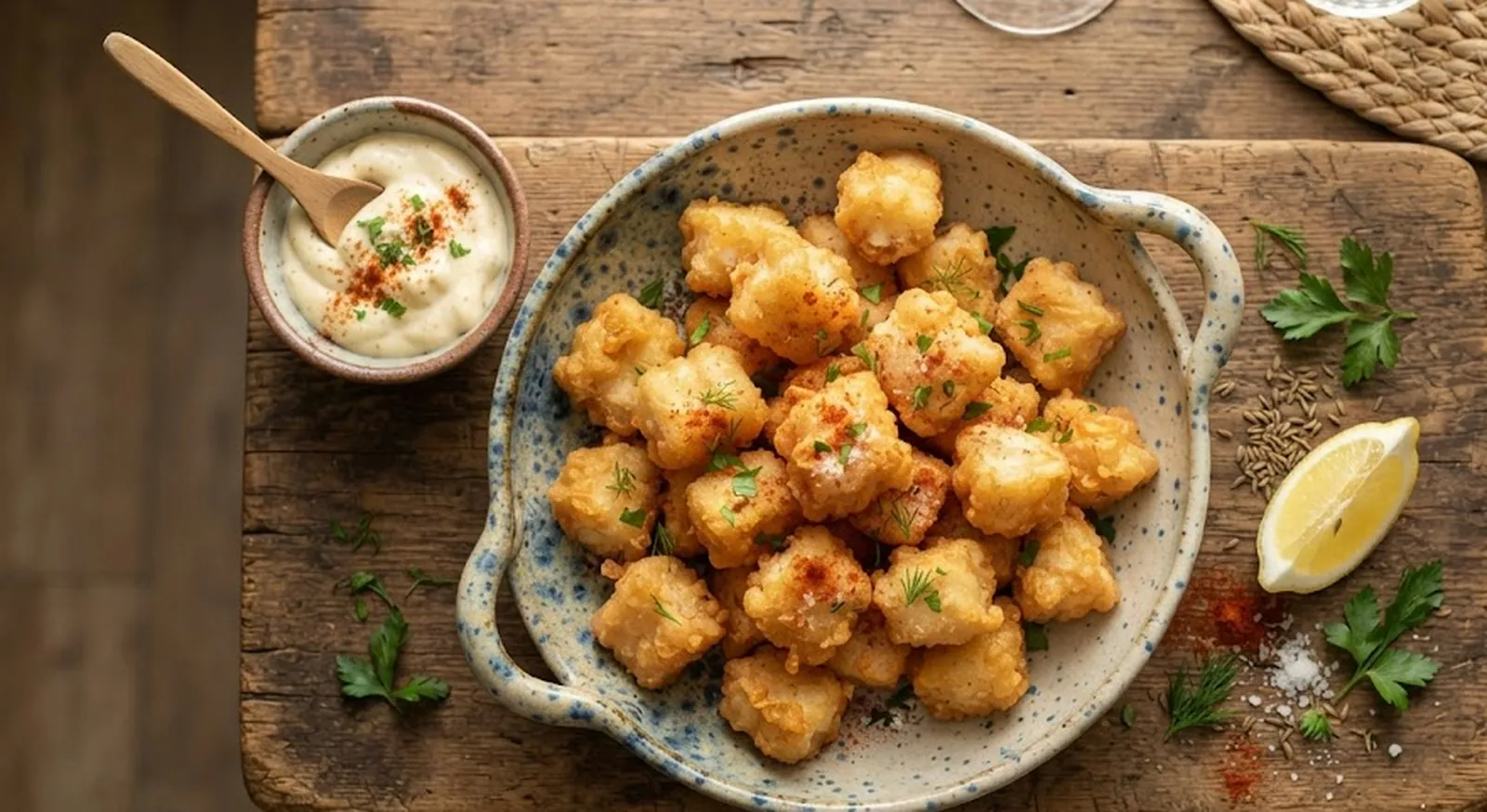
In Cádiz there is a fry shop that has been running since 1813. Another, in neighbouring Puerto Real, still uses the same mix of flour and sunflower oil it did a century ago. What they fry is called cazón en adobo - fish marinated and then fried, a dish that began as a way to survive without a fridge.
That is the key to the whole story. In the sixteenth and seventeenth centuries, for Andalusian fishermen, vinegar, salt and spices were not a matter of taste - they were how fish lasted longer. What is paid for in a restaurant today as a speciality was then a survival technique. This repeats itself all over the Mediterranean, and in the Balkans too: the best traditional dishes were not invented out of a wish for pleasure, but out of necessity.
The fish is cazón - a member of the shark family. Medium-sized, with an elongated body and a cartilaginous skeleton. Its flesh is white, dense and practically free of small bones, which means it can be cut into cubes and eaten by hand. It has a mild flavour with a light note of iodine and - this matters - it absorbs a marinade exceptionally well.
The adobo is where everything is decided. The base is white wine vinegar, garlic, oregano, cumin, sweet paprika, salt and water to calm the acidity. Some add a bay leaf, black peppercorns or lemon. The paprika, incidentally, came from the Americas - without it the dish would not exist in its present form at all.
Marinating takes eight to twelve hours. No less, because the flavour will not get in. Not much more, because the fish will start to break down in the acid. And one step most people skip: the fish is drained before flouring, but not dried completely. If it is entirely dry, the flour will not stick. If it is too wet, you get batter instead of a crust.
Recipe for four: 300 grams of cleaned cazón fillets, a teaspoon each of ground garlic, sweet paprika, cumin and oregano, 50 millilitres of white sherry vinegar, two bay leaves, salt, 200 millilitres of water, 250 grams of frying flour and 500 millilitres of mild olive oil.
The fish is cut into cubes of about two by two centimetres. In a bowl, mix the spices, the vinegar, the crumbled bay leaf, the salt and the water. The cubes go in, cover it and refrigerate for eight to ten hours. Then each piece is taken out, drained, rolled in flour and tapped over a sieve so the excess falls off - that is the step that makes the difference between a crust and lumps.
The oil is heated to 170-180 degrees. Fry in small batches - if you throw everything in at once, the temperature drops and the fish poaches instead of frying. And finally, the most important detail: the finished pieces go on a rack, not on kitchen paper. Paper traps steam under the fish and within two minutes the crust goes soft. A rack lets air in from every side.
There is a Spanish expression for this dish - „bienmesabe”, literally „it tastes good to me”. Someone said it for the first time with a full mouth and it stuck. For a dish that began as a way of keeping fish from spoiling, that is a good enough name.
The latest 10 news from this category
Components separately, or full boxes ready to reheat. One gives you variety, the other speed, and blanching your vegetables before...
The cuttlefish goes in before the potatoes - the other way round and you get potato in water with pieces...
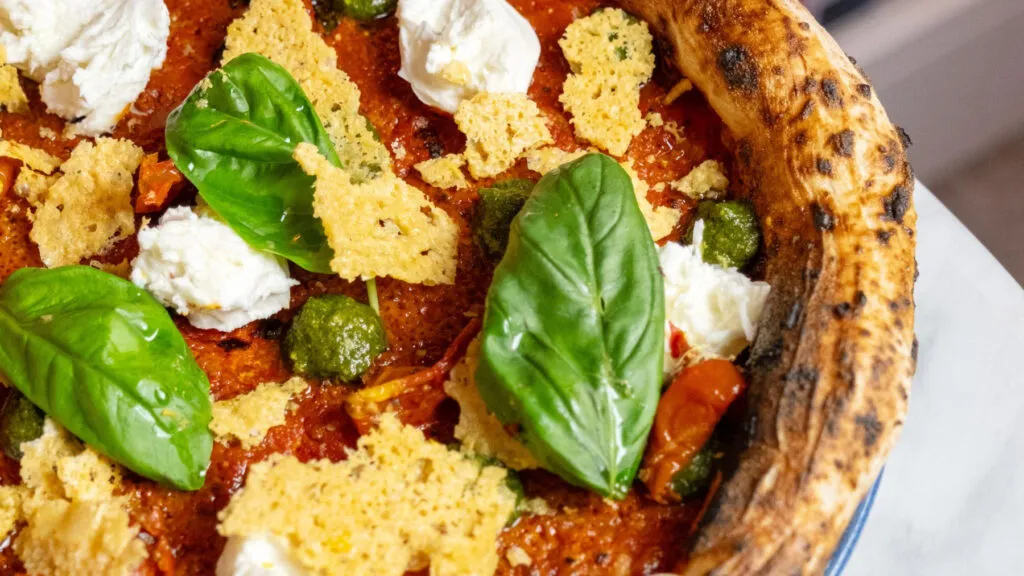
An Italian guide, a gala in Naples, first place for a London restaurant. Spain gets six entries - but only...
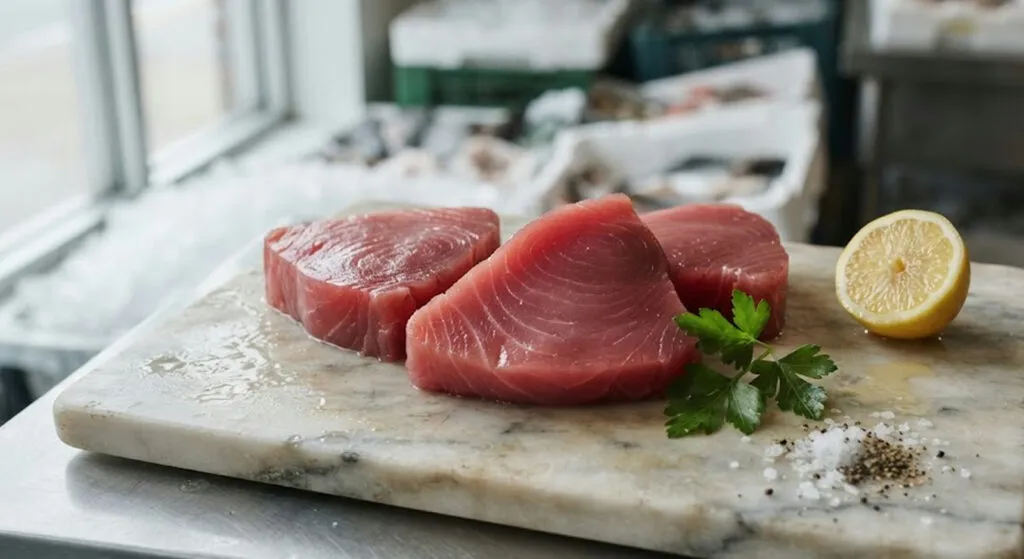
It is caught with hook and line, not with nets, and you can taste that on the plate. The three...
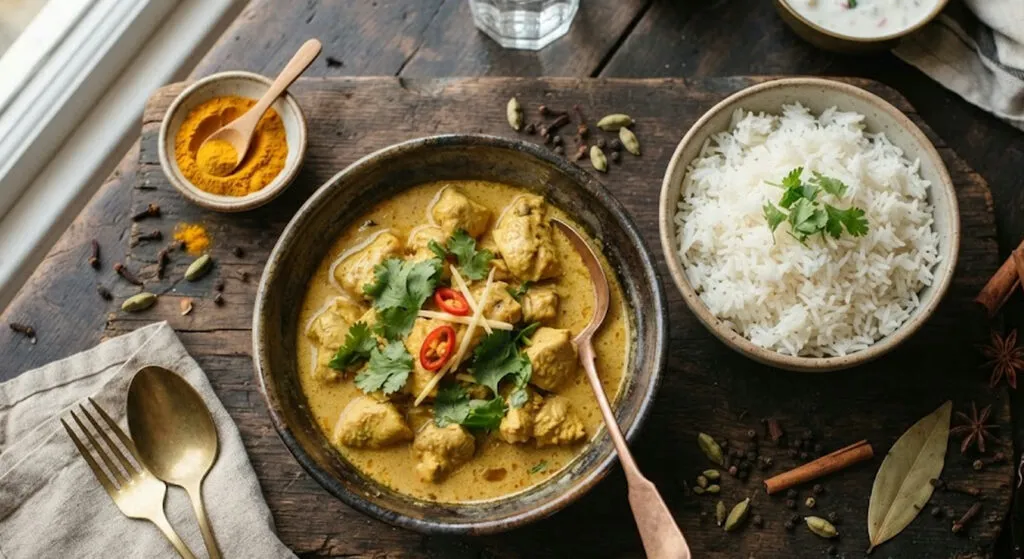
Home-made chicken curry fails at the same point for everyone. The difference is made by one step that has nothing...
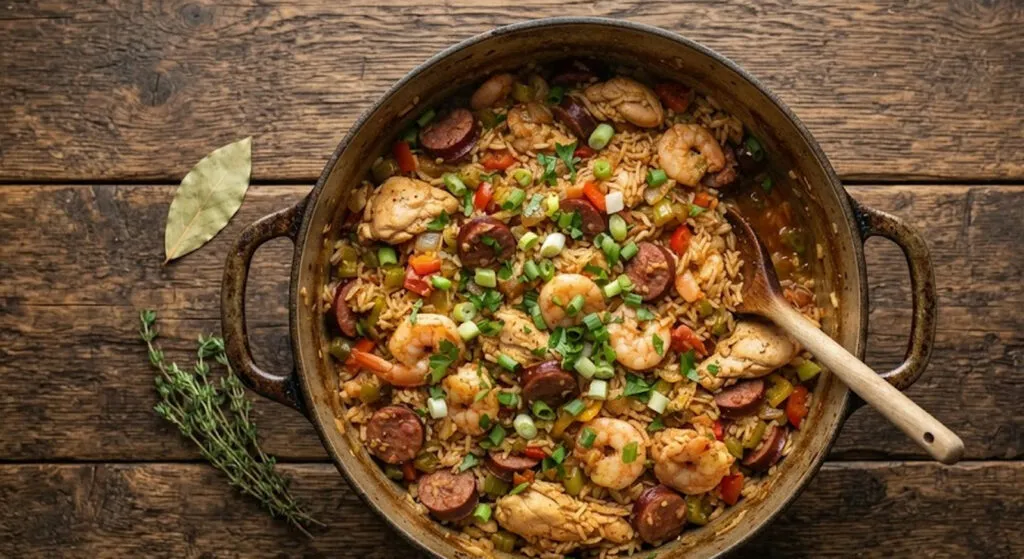
Jose Andres has lived in America for over thirty years, and when asked for his favourite American dish he named...
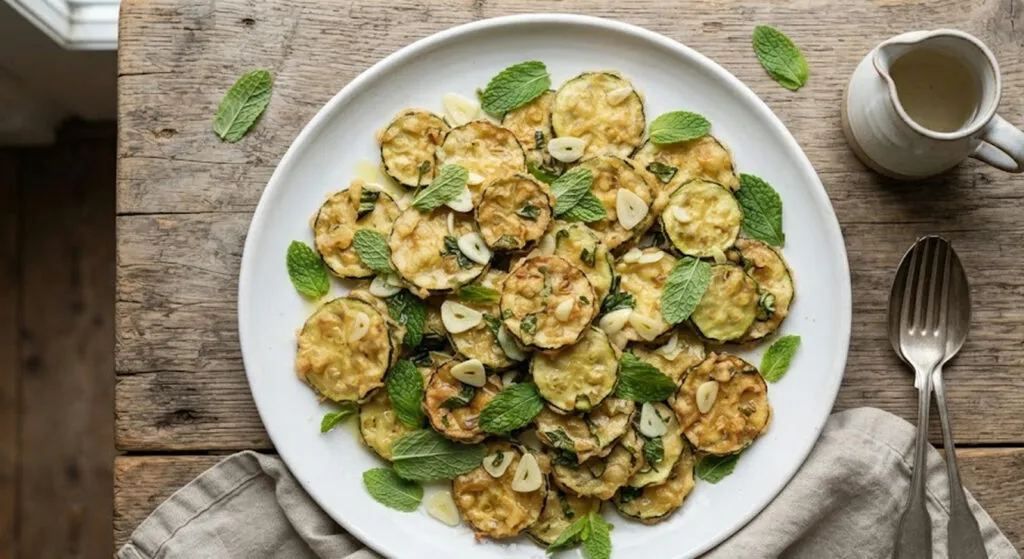
A kilo of courgettes, mint, garlic and eighty millilitres of vinegar. Not one expensive ingredient - and the water you...
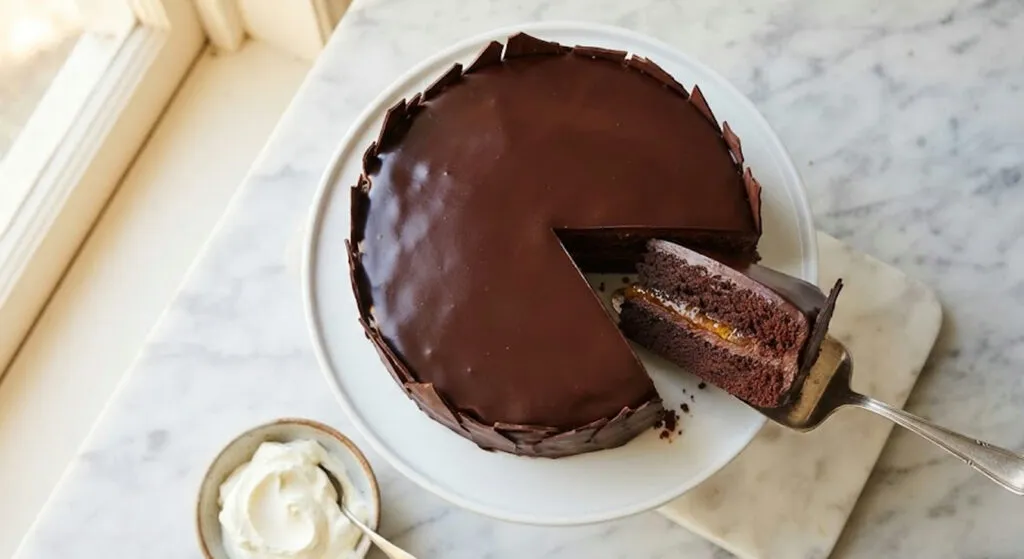
Whoever beat all the eggs together made a different cake. And the glaze must not pass 45 degrees, or the...
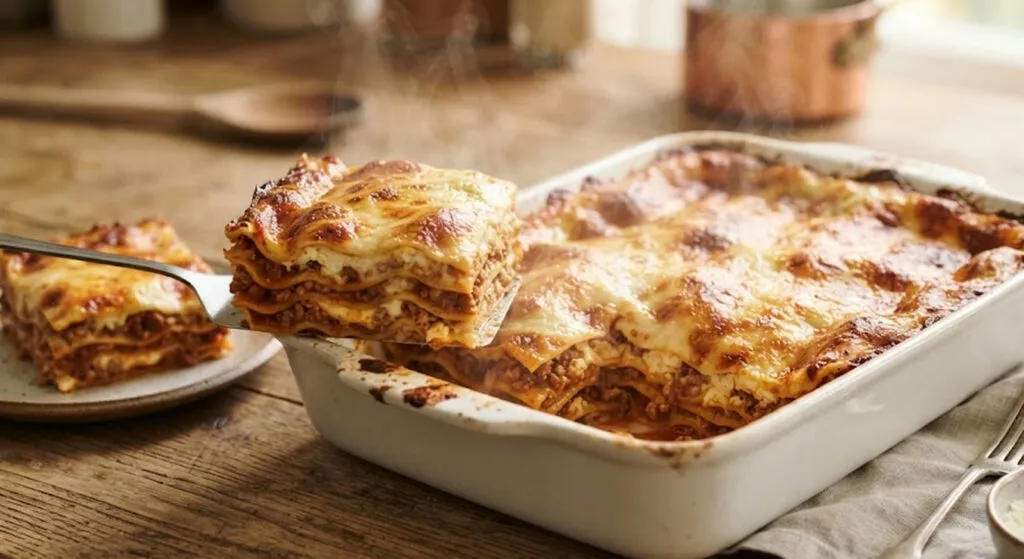
One rule applies to all three and it is the one most often skipped. It is not a recommendation to...
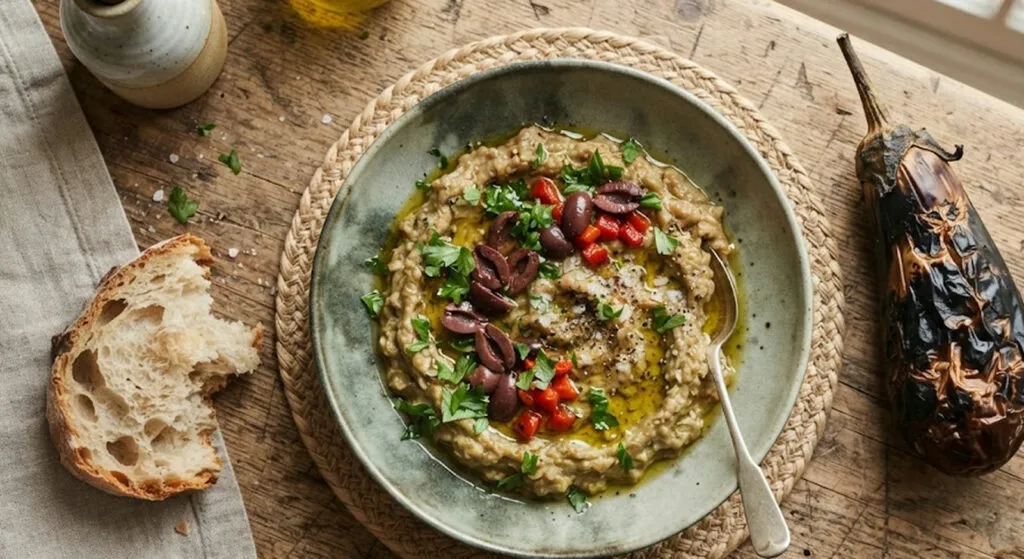
One single ingredient separates melitzanosalata from mutabal - tahini. Three aubergines, one clove of garlic, and an oven at 220...
This site uses cookies - is that okay? Learn more
Be the first to know when Metla launches something new
Leave your email and we will write when there is a new guide or something new on Metla.