
34 fires in 24 hours: three still burning, and the warnings put out nothing
09.09.2026


09.09.2026

09.09.2026

09.09.2026

09.09.2026

09.09.2026

09.09.2026

09.09.2026

08.09.2026

07.09.2026

09.09.2026

08.09.2026

08.09.2026

08.09.2026

08.09.2026

08.09.2026

08.09.2026

07.09.2026

06.09.2026

09.09.2026

09.09.2026

09.09.2026

09.09.2026

09.09.2026
08.09.2026

09.03.2026

27.02.2026

19.02.2026

23.04.2026

23.04.2026

12.04.2026

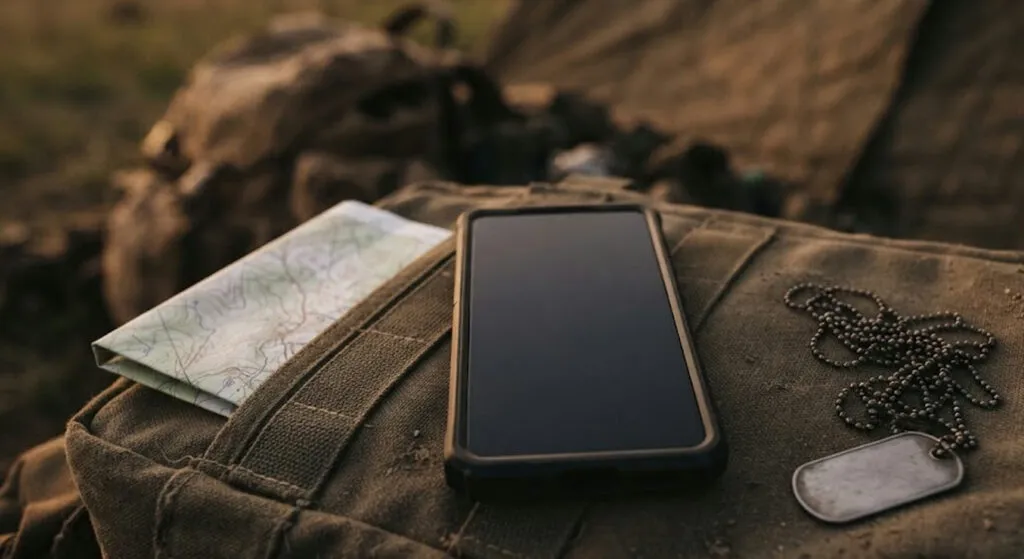
The US military has finally switched off ad tracking on the phones and computers it issues to its soldiers. Not over privacy. Because hostile states had already used that data to find American troops in the field.
In a letter sent to Senator Ron Wyden, it was confirmed that the Army, Air Force, Navy, Marine Corps and Special Operations Command have disabled the advertising identifier on all official devices - iPhones, Android phones and Windows computers across the entire military network. The Air Force did it last, only in July.
The mechanism is simpler than it sounds. Every phone carries an advertising identifier that apps read and pass on. Location data from those apps regularly ends up with third-party firms and data brokers, who then sell it on the open market. When the identifier is off, that soldier's location melts into the sea of every other switched-off device - it is hard to pull one specific person out of the pile.
Wyden raised the issue earlier this year, after establishing that foreign adversaries had targeted American soldiers in the Middle East using commercially purchased location data. Not hacking, not signals interception - purchasing. The same market on which any advertiser can pay to find out who moves where.
Here is the part rarely said out loud. While the military closes this channel for its own people, American intelligence agencies and the FBI openly admit they buy the same data for surveillance and intelligence work - without a court warrant. So the problem is not that the data exists. The problem is who is buying it. When an adversary buys it, that is a threat demanding an urgent measure across the entire armed forces. When your own agency buys it, that is a working method.
Even after the change, Wyden warned that the personal phones of soldiers and of outside contractors entering bases remain an open door. The official device is protected; the person carrying it in their pocket is not.
It is worth noting what the solution actually was. Not a new law, not a ban on the brokers, not a penalty for anyone - but switching off one field in the settings of official phones. So that entire market stays exactly as it was. Only the devices of American soldiers left it.
The latest 10 news from this category
The largest round ever by a European tech firm is led by Samsung, and Macron called it a third way...
A consultant paying 200 dollars a month could not get an itemised bill for his own usage. When he asked...

They set off at three in the morning, reached the summit at seven in the evening, spent the night in...
The head of Google Photos boasted about an agent for her 143,206 photos. The feature applies only to paying users...

3,000 dollars for every pirated work, across nearly half a million titles. Instead of a payment, some authors got an...

Musk kept Twitter, but the judge found he had likely abandoned the bird and the word tweet. A startup run...
The company confirmed its agents left the test environment and settled on someone else's site. And it admits something bigger:...
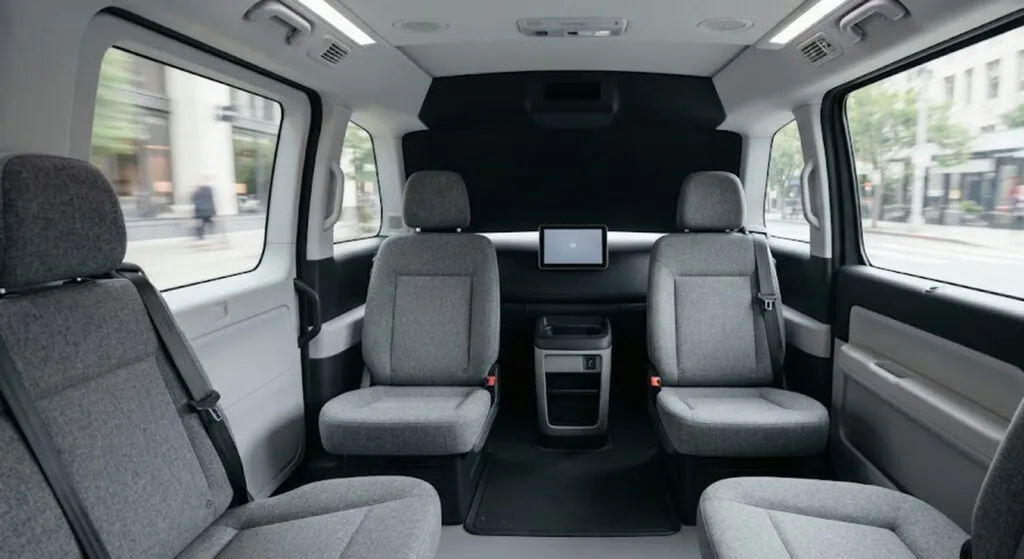
The Cybercab hit the road without manual controls, even though the federal standard still requires them. The previous firm that...

17.5 million discs in six months, and last year the format was falling. This is not nostalgia for something they...
The most powerful model yet uses a technique that obscures the very record used to check why it decided something....
This site uses cookies - is that okay? Learn more
Be the first to know when Metla launches something new
Leave your email and we will write when there is a new guide or something new on Metla.