The Video Found Them in a Day: Two Minors and a 20-Year-Old Suspected in the Brutal Gostivar Beating
04.08.2026


04.08.2026
04.08.2026

04.08.2026

04.08.2026
04.08.2026

04.08.2026

04.08.2026

04.08.2026
03.08.2026

04.08.2026

04.08.2026

04.08.2026

04.08.2026

03.08.2026

02.08.2026

04.08.2026

04.08.2026

04.08.2026
04.08.2026

04.08.2026

04.08.2026

09.03.2026

27.02.2026

19.02.2026
03.08.2026

03.08.2026

03.08.2026

23.04.2026

23.04.2026

12.04.2026
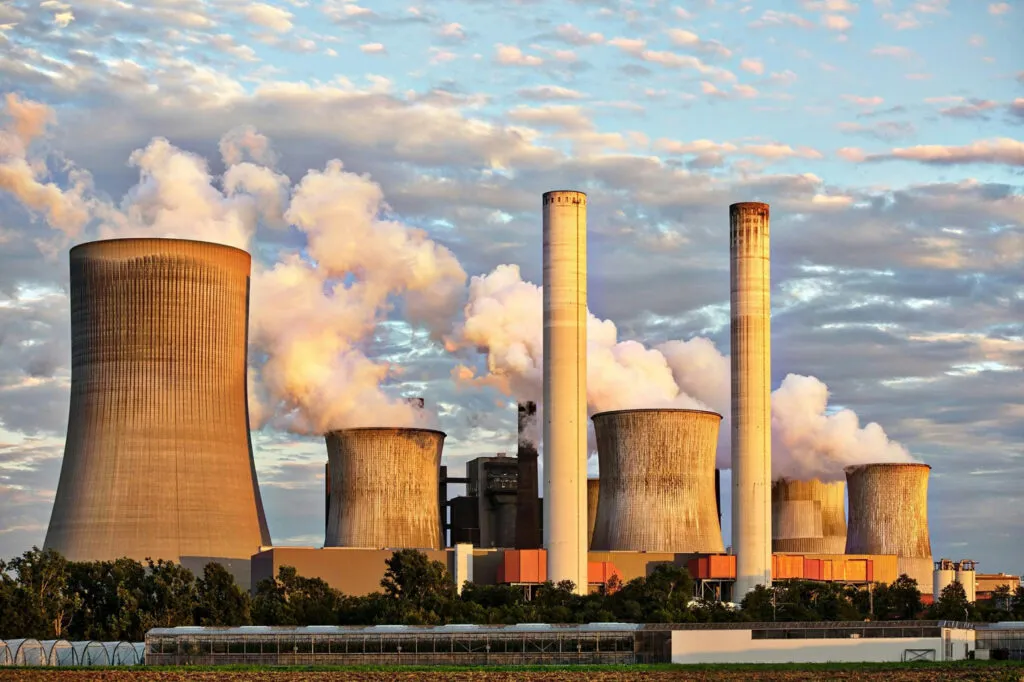
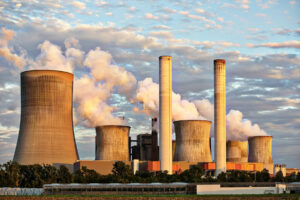
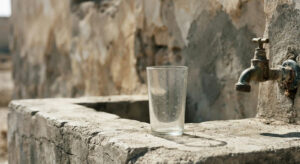
Romania has shut down both reactors at the Cernavodă nuclear plant. Not because of a fault, not because of a fuel shortage - because of water. The Danube has dropped to a historic low, and the two 706-megawatt reactors cannot safely draw the volume of water they need for cooling. It is the first time both reactors have stopped producing electricity simultaneously for that reason. Under normal conditions Cernavodă supplies around a fifth of Romania's electricity.
Hungary is in the same position. The Paks nuclear plant, which supplies around 40 percent of the country's generation, is running at about 240 megawatts instead of its usual two gigawatts. The plant has not been fully shut down yet - Hungarian authorities said on Monday that minimal output could continue for another day or two. If the Danube keeps falling, a full shutdown would be the first in its 44-year history.
When one river holds up half of Europe
The Romanian navy carried out controlled blasting of rocks in one of the Danube's channels to divert more water towards Cernavodă. It sounds like a scene from a disaster film, but the aim is entirely practical - to secure enough water for cooling.
For decades the Danube was treated as free infrastructure that nature hands the continent. Its water cools nuclear and thermal plants, drives hydro plants, carries fuel and raw materials, enables grain exports. When the level drops, all those functions start failing at once: the hydro plant lacks flow, the thermal plant cannot easily shed excess heat, the nuclear plant must cut output to respect safety limits, and barges sail with lighter loads.
Low water has also hit generation at the Iron Gates hydro plants. In Romania, the Dacia and Ford factories temporarily halted production to free up around 200 megawatts of capacity. Hungarian prime minister Péter Magyar warned of critical days and called on companies and citizens to cut consumption voluntarily.
The most dangerous part is not the physical shortage
The price on Hungary's HUPX exchange climbed above 150 euros per megawatt-hour. Prices are rising in Romania, Austria, Bulgaria, Croatia and Germany too. The problem is that everyone is seeking power from the same regional market at the same time, while limited cross-border capacity narrows the room for imports.
So it is not just missing megawatts being priced in. Risk, uncertainty and the fear that tomorrow there will be even less available generation all go into that number. The market prices the crisis before it fully shows up at the socket.
Where Macedonia enters that equation
The Bitola power plant is not cooled with Danube water and the Macedonian system does not depend directly on Paks or Cernavodă. But it is tied to the regional market - and when Hungary, Romania, Serbia, Bulgaria and Croatia all want extra power at once, imports become pricier and harder to secure. The Macedonian MEMO exchange has already registered prices above 100 euros per megawatt-hour.
That does not mean household bills automatically rise tomorrow. The household price depends on regulated mechanisms, the universal supplier's procurement, domestic generation and institutional decisions. The exposed ones are businesses buying on the open market - for them, pricier electricity quickly becomes pricier production, transport and refrigeration.
The domestic May figures look good: according to the State Statistical Office, 462,653 megawatt-hours were produced, covering 96.5 percent of domestic consumption. May, however, is not August - nor is it October. The question worth asking now, rather than in the autumn, is how much power we can generate ourselves if the drought does not let up.
The latest 10 news from this category

8,369 transactions, 351.7 million euros in turnover, 28,352 construction pre-registrations. And 47 families in Debar who got a key for...

The yen jumped to 155.2 in a single move. Fifteen years ago the same two countries intervened - but to...
Alex Karp argues that companies building language models pipe your expertise into their model to take your business. In the...
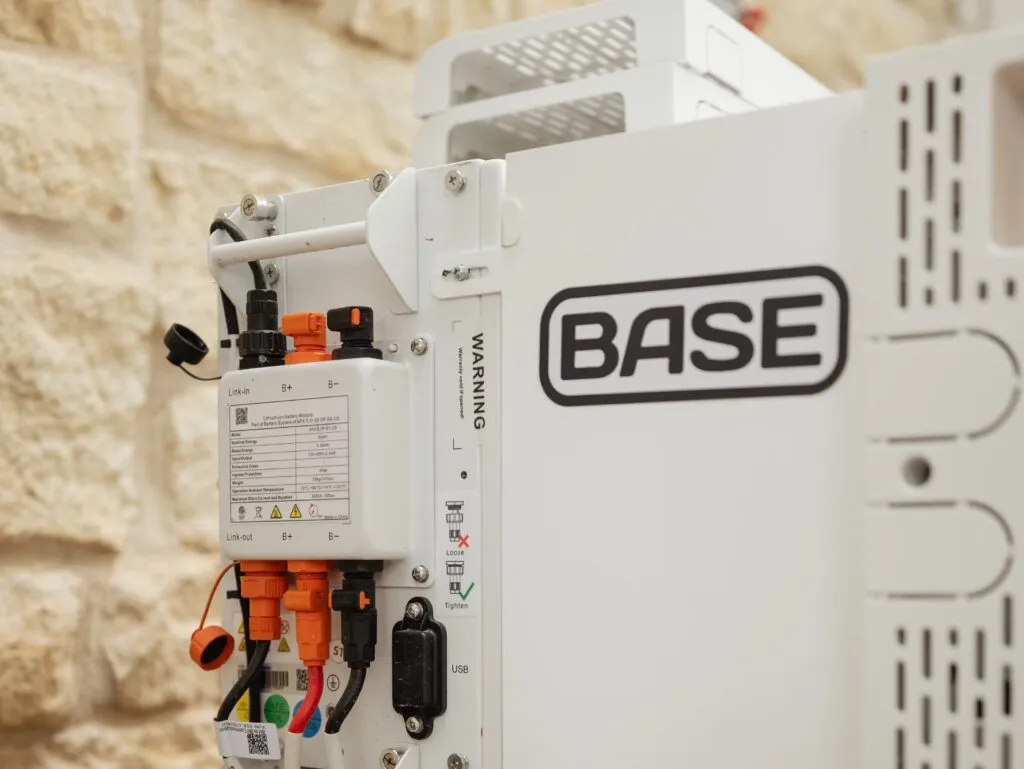
Instead of buying land next to the grid, the company puts the battery at the customer's house and then sells...

Norwegian researchers found code in smart TV apps that turns your home connection into a tunnel for someone else's traffic....

By the late 2060s the average EU retirement age climbs to 66.9 for men. Turkey adds 13 years in a...
Belgium and Austria - zero. Second-quarter growth was carried by exports, while consumption slowed and investment fell. That is growth...
The operator covering 67 million consumers admitted it does not have power for everyone and decided in advance who gets...

A company whose business rests on people driving their own cars is now building a platform where the human is...

Sales are not falling because people got poorer, but because old phones stopped breaking on schedule. The industry's answer is...
This site uses cookies - is that okay? Learn more
Be the first to know when Metla launches something new
Leave your email and we will write when there is a new guide or something new on Metla.