The Stone Dolls Had Their Own Toll Booth: Detention for the Woman Who Seized Kuklica
05.08.2026


05.08.2026

05.08.2026

05.08.2026

05.08.2026

04.08.2026

04.08.2026

05.08.2026

05.08.2026

04.08.2026

05.08.2026

05.08.2026

05.08.2026

05.08.2026

04.08.2026

03.08.2026

05.08.2026

05.08.2026

05.08.2026

05.08.2026

05.08.2026

05.08.2026

09.03.2026

27.02.2026

19.02.2026

05.08.2026

04.08.2026

03.08.2026

23.04.2026

23.04.2026

12.04.2026
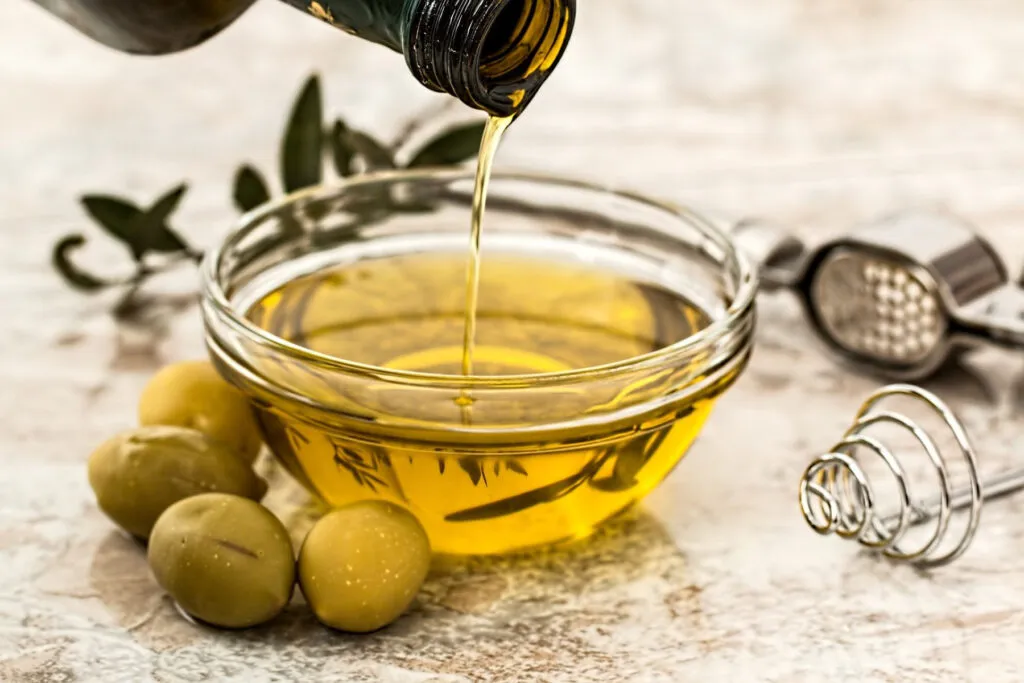
European agriculture is paying the bill for one extreme summer, and that bill is already being written into prices. Olive oil, which was among the most expensive basic products on the shelf even before this, is set to get more expensive again.
The cause is a combination that repeats itself more often every summer: extreme heat, prolonged drought and wildfires across the Mediterranean olive-growing regions - Spain, Italy, Greece and Portugal.
The numbers the EU published
The European Union has cut its harvest forecasts: sunflower by 7 percent, grain maize by 6 percent, potatoes and soy by 3 percent each. The Spanish agriculture ministry expects the grain harvest to fall from 24 million tonnes to just over 18.5 million for the 2026/27 season - and that projection was made before the latest fires took their toll.
The French vegetable growers' association reported losses of thousands of tonnes, worth tens of millions of euros. Lettuce, carrots, leeks and onions are hit hardest, and for some crops production is expected to halve for lack of rain.
The wine regions are faring no better. Champagne, Bordeaux and Burgundy are announcing a reduced harvest and unusually early picking, with Champagne expecting a yield around 10 percent below last year.
Five and a half million tonnes vanishing from one market
When Spain loses more than five and a half million tonnes of grain in a single season, it does not stay a Spanish problem. That is a quantity missing from the European market the Balkans also buy from, and a shortfall is paid for at the end of the chain.
This is not abstract climate statistics. It is a direct line between what burned in the Mediterranean in July and what will be printed on the label in September.
Experts warn that unless weather conditions change soon, autumn will bring a new wave of price rises in olive oil, vegetables, grain and wine. In Britain, extra virgin olive oil is already selling for over seven pounds a litre, and recent months show another move upward.
Every summer like this one is paid for twice - once while it burns, and again at the checkout.
The latest 10 news from this category
Officially, fuel prices are down 1.24 percent. In practice, diesel went up by another denar - and that lands in...

Measured by purchasing power, Macedonia jumps from 24th to 16th place and overtakes seven EU countries. The net minimum wage...

Ohrid up 41 percent, Skopje up 29.5. ACI Europe confirms the figures, but nobody publishes what the subsidies behind them...

The hardest ten kilometres open in the coming months. Nikoloski's admission that one project swallows four fifths of his ministry...

Michael Burry argues the rally feeds itself through leverage. The same mechanism that pushes records up also accelerates the fall.

The rocket company made 7.8 billion in a single quarter, and almost 2 billion of it came from data centres...

The company did not collapse - it has 480 million in revenue and 500,000 customers. It simply stopped being worth...

The devices were in safes and bank vaults. The hackers did not have to break in - they learned how...

8,369 transactions, 351.7 million euros in turnover, 28,352 construction pre-registrations. And 47 families in Debar who got a key for...
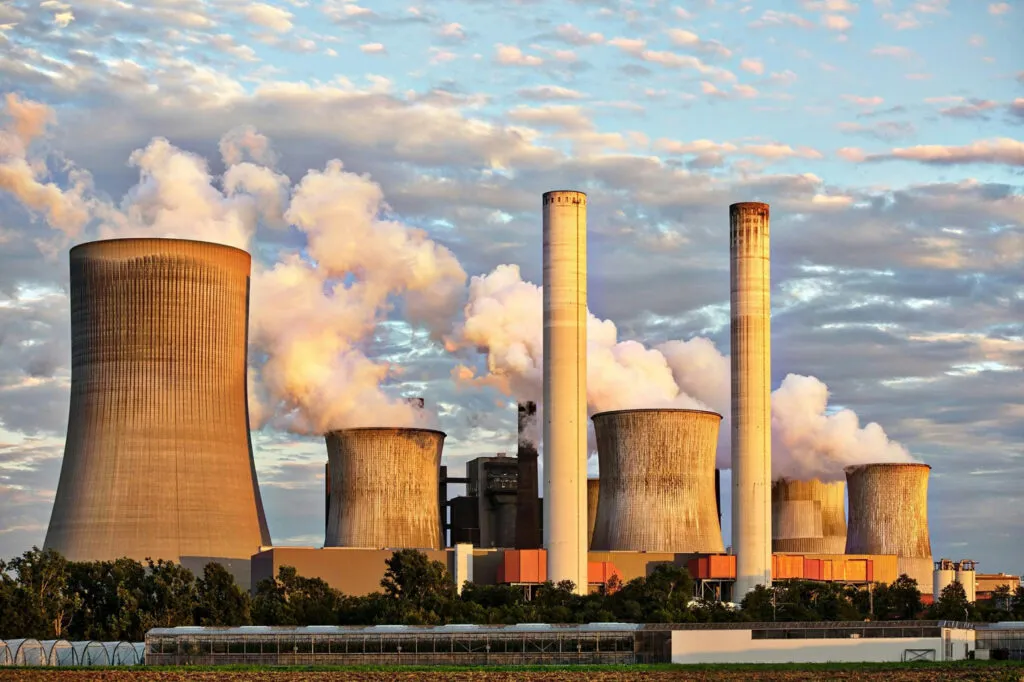
The Romanian navy is blasting rocks to redirect water towards a reactor. On the Macedonian exchange, power is already trading...
This site uses cookies - is that okay? Learn more
Be the first to know when Metla launches something new
Leave your email and we will write when there is a new guide or something new on Metla.