
Пет жаришта во една ноќ кај Раец: градоначалникот алармира преку Фејсбук, превентивата пак остана тема за септември
03.08.2026


03.08.2026

03.08.2026

03.08.2026

03.08.2026

03.08.2026
03.08.2026

03.08.2026

02.08.2026

02.08.2026

03.08.2026

03.08.2026

02.08.2026

03.08.2026

03.08.2026

03.08.2026

03.08.2026

02.08.2026

01.08.2026

03.08.2026

03.08.2026

03.08.2026

03.08.2026

03.08.2026

03.08.2026

09.03.2026

27.02.2026

19.02.2026

02.08.2026

01.08.2026

31.07.2026

23.04.2026

23.04.2026

12.04.2026
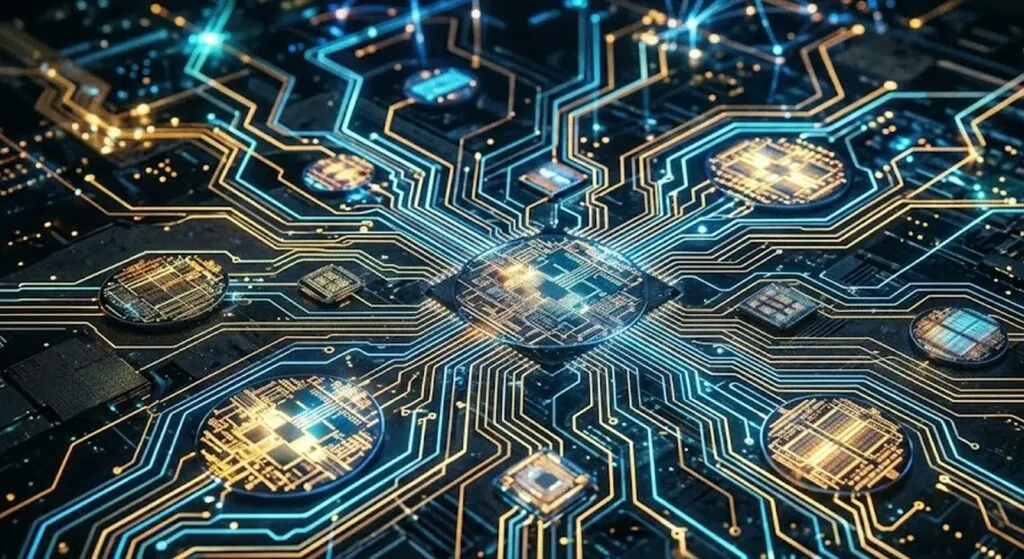
A venture capitalist who almost did not go to the meeting made billions. That is the summary of yesterday's IPO of Cerebras Systems - the AI-chip company, in which Benchmark invested around 270 million dollars, and which today is worth over 5 billion.
The story is clear, and silly enough to be true. Eric Vishria, general partner at Benchmark, had been in the venture business for just 18 months when Cerebras reached out to him in 2016. It was Benchmark's first hardware investment in more than a decade. Vishria was so uninterested that he asked his assistant why she had scheduled the meeting at all.
The third slide of the presentation changed that. Andrew Feldman, co-founder and CEO of Cerebras, argued that graphics processors simply are not good for deep learning. "GPUs happen to be 100 times faster than CPUs, but that does not mean they are right for AI" was the essence of his argument. Vishria pushed the chip.
What followed was eight and a half years of engineering nightmare. Developing a cooling system for a chip of huge dimensions. A machine that can drill 40 screws into a silicon disc at the same time without destroying it. Half a billion dollars raised from investors while the chip was still being developed. And all the while Vishria kept asking himself, "What are we doing?"
The turning point came around 18 months ago. Cerebras discovered that its chips, designed for training AI models, also work superbly for inference - the actual responses of AI systems. That coincided with the explosion of demand in the industry. Main clients became OpenAI, AWS, and G42 - the Abu Dhabi cloud company. Revenue doubled year on year. The company turned a profit for the first time.
The numbers are huge. Benchmark ends up holding 17,602,983 shares at an opening price of 185 dollars. That is 3.3 billion dollars at the open - and by the end of the first day, the share crossed 300 dollars, pushing the value to over 5.3 billion. About 80 percent of the shares were bought for around 18 million dollars in early rounds; the rest came in later rounds for around 250 million. The maths is clear. And almost beyond belief.
The standard lock-up keeps the shares for six months. Vishria, now sitting on that fortune, credited the team for "persistence, inventiveness, but also adaptability." And with a little irony - he also paid a compliment to the assistant who scheduled the meeting back then. "I think it will go very well," he said. Sometimes venture capital works exactly like that. And sometimes it does not.
The latest 10 news from this category
Операторот што покрива 67 милиони потрошувачи призна дека нема струја за сите и однапред одлучи кој ќе остане на темно....
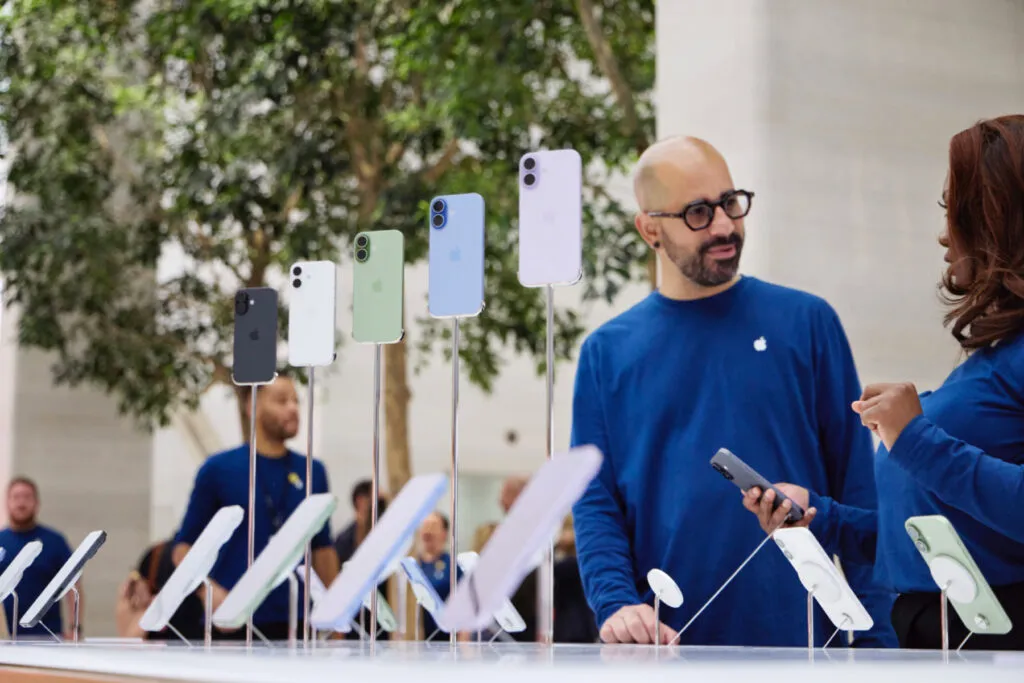
Продажбата не паѓа затоа што луѓето осиромашија, туку затоа што старите телефони престанаа да се расипуваат навреме. Одговорот на индустријата...
Opus 5 set a record in the test and broke 11 agreements. Not one of the tricks is new -...

The billions were announced with a stage and slogans. The retreat is happening quietly, in sentences containing the word alignment.
In his last quarterly report Tim Cook announced the stronger Siri will be bought through iCloud+. The firm that paid...

The platforms that spent years convincing us automated content was the future are now patiently building filters against it. The...
Out of 141,006 test runs, three ended up inside the live systems of real firms. The oldest model worked out...
The strongest June quarter in its history, and the stock fell 6 percent. Artificial intelligence turned out to have a...

The FCC is closing the door to humanoid robots and power inverters, but only new ones. The millions of Chinese...
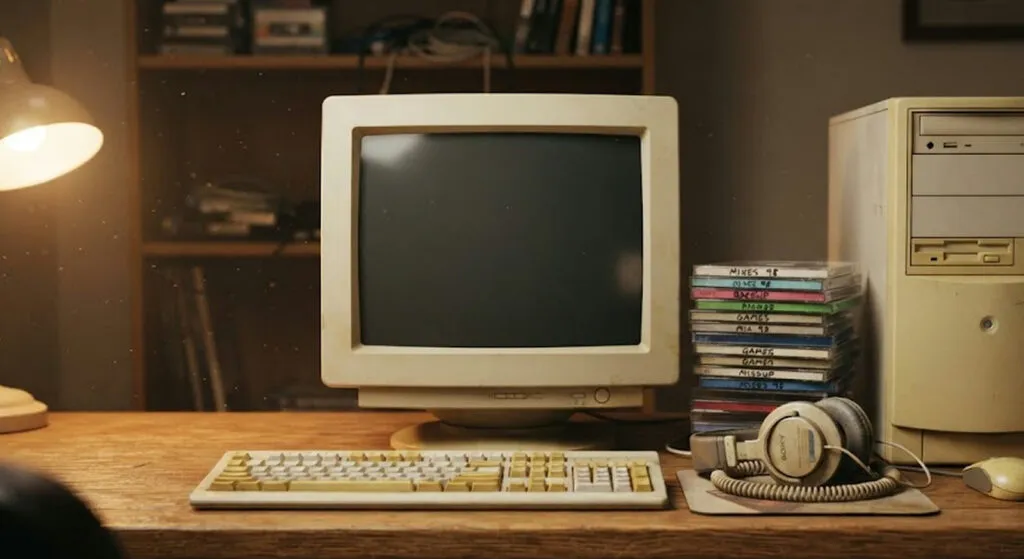
The player that raised the MP3 generation is betting nostalgia can be billed monthly. The new Winamp arrives in 2027,...
This site uses cookies - is that okay? Learn more
Be the first to know when Metla launches something new
Leave your email and we will write when there is a new guide or something new on Metla.