
The "Lottery" Trial: 231 Pieces of Evidence, and So Far Not a Single Message Between Grubi and Bajrami
24.09.2026


24.09.2026
24.09.2026

24.09.2026

24.09.2026

24.09.2026
24.09.2026

24.09.2026

23.09.2026

22.09.2026

24.09.2026

24.09.2026

23.09.2026

24.09.2026

24.09.2026

24.09.2026

24.09.2026

23.09.2026
22.09.2026

24.09.2026

24.09.2026

24.09.2026

24.09.2026

23.09.2026

23.09.2026

09.03.2026

27.02.2026

19.02.2026

24.09.2026

23.09.2026

22.09.2026

23.04.2026

23.04.2026

12.04.2026

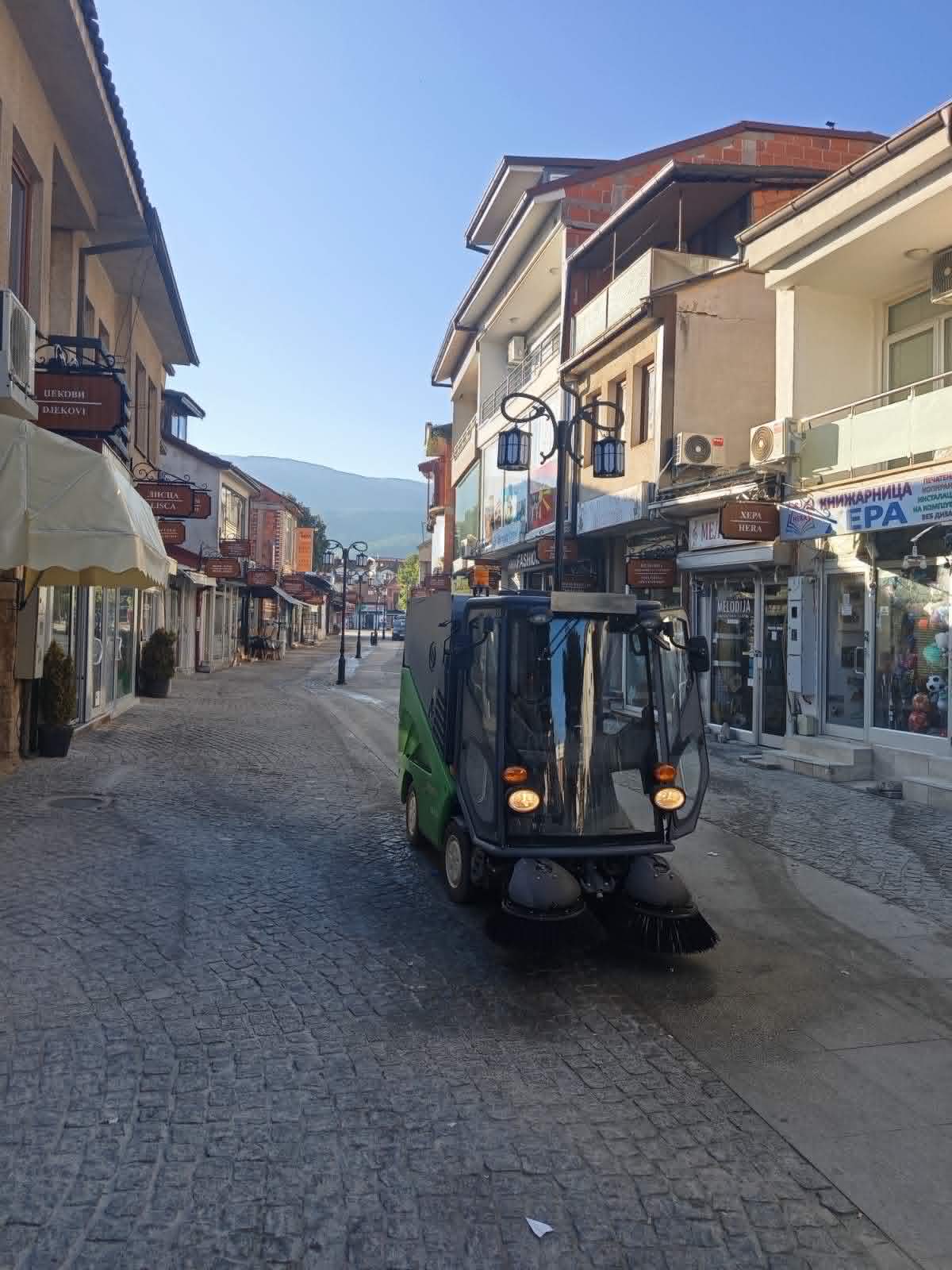
At three in the morning the centre of Ohrid is packed with people, music, light and queues outside the sandwich shops. At six, when the last visitors head home, municipal workers come out onto the promenade with shovels and tractors. Both images are from the same night. Only one of them gets sold as proof that the season worked.
Crews from the public utility Ohridski Komunalec start at six in the morning and spend hours clearing the town centre and the Makedonija promenade of plastic cups, bottles, cans, paper and packaging. By seven the town looks clean again, just in time for a new tourist day. That is not proof the system works. It is proof that the consequences of the night economy are absorbed daily by one utility company.
Where waste stops being a municipal problem
A tractor, a broom or a utility truck can get onto the promenade. Into the lake, they cannot. Some of the plastic bottles and cups end up in the water and stay floating near the shore - and the moment waste crosses the line between stone and water, cleaning it becomes harder, more expensive and far less certain. Some will be collected, some will sink, some will break down there for years.
This is not decorative background for summer photos. Lake Ohrid is part of one of only 42 mixed natural and cultural sites on the UNESCO World Heritage list. A few days ago the region avoided being placed on the List of World Heritage in Danger - which plenty of people read as case closed. Postponing the formal decision removed none of the urban, infrastructural or ecological pressure. It bought time.
A town is not a stage without permanent residents
Ohrid entered the peak of the season with hotels, beaches, restaurants and concerts all full. But for the people who live there, that means noise, gridlock and weeks in which getting home or getting some sleep is hard. That cost rarely makes it into the visitor figures. Lost sleep does not get counted. Blocked public space does not get counted.
The easiest move would be to blame the young people who filled the town. It would also be unfair and useless. People behave according to the rules they see and the infrastructure they are handed. If there are not enough bins around the places where crowds gather, if packaging is sold with no deposit-return system, if the organiser's responsibility ends with the last song - then litter is a predictable outcome, not a surprise.
What it means for tourism to be managed, not just celebrated
A sustainable model takes more than an appeal for visitors to behave. Enough bins and containers. More frequent emptying during the hours that generate the most waste. Mobile sanitary points. Clear obligations for organisers of mass events. Deposit systems for cups and packaging. Real fines for littering. None of this is revolutionary - in Portugal and Greece it is ordinary administrative routine.
And there is a second question, bigger than the rubbish: why the entire season has to happen in roughly forty days. When visitors, revenue, traffic and waste are all crammed into that short window, the town spends a few weeks carrying a load it was never built for, and then comes months of insecure work and idle infrastructure. Cultural, religious, sporting and conference tourism can stretch the season - but that takes a strategy, not press releases.
At three in the morning Ohrid shows it knows how to attract people. At six it shows whether it knows how to manage what it attracted. The season's success will not be measured by how many guests arrived, but by what kind of town and what kind of lake are left to the people of Ohrid once the guests leave.
The latest 10 news from this category

The square metres and parking spaces were announced down to the last one. How many people will be hired and...

The mayors offered a "favourable business climate" and raw materials. The only concrete thing to come out of the meetings...

Home-address checks are being announced with the police as a partner, while the health minister admits that monitoring where sick...

The city has announced round-the-clock video surveillance against illegal dumps and vandals, and the cameras haven't even been bought yet....
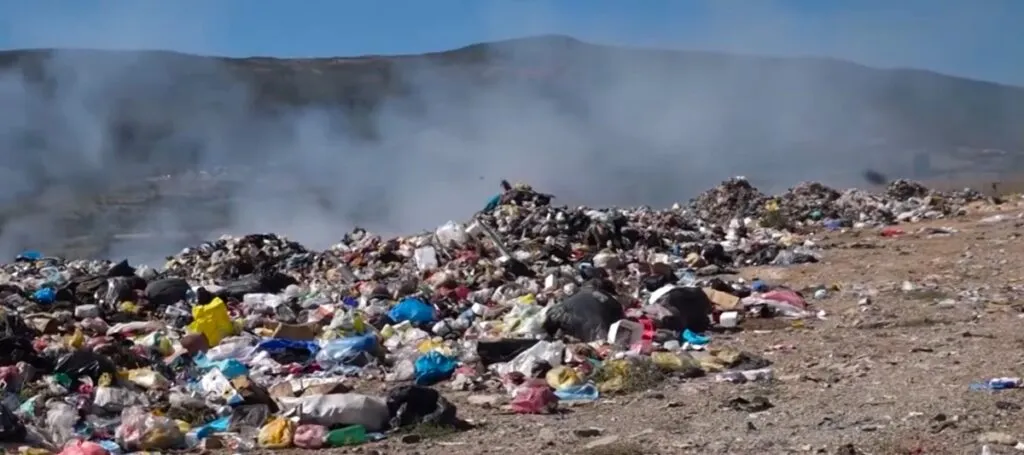
Residents want the trucks serviced; the company wants better packaging. Meanwhile, 650 cubic metres of illegal dumps were cleared in...

According to the Crisis Management Center, a paint and varnish warehouse was on fire. That explains why the smoke was...
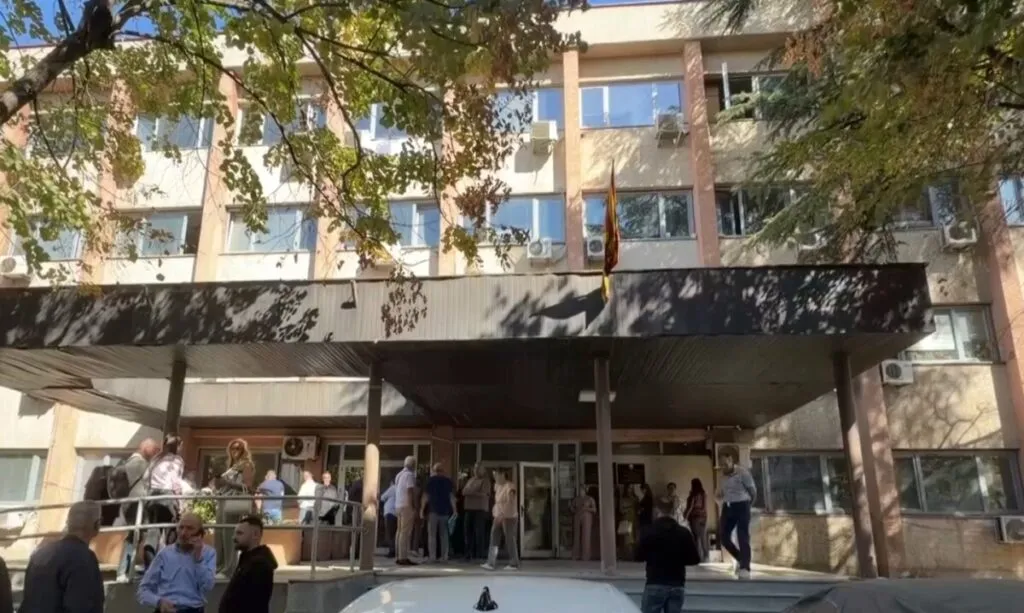
The union says staff have endured insults and threats from the court president for years. She says this is really...
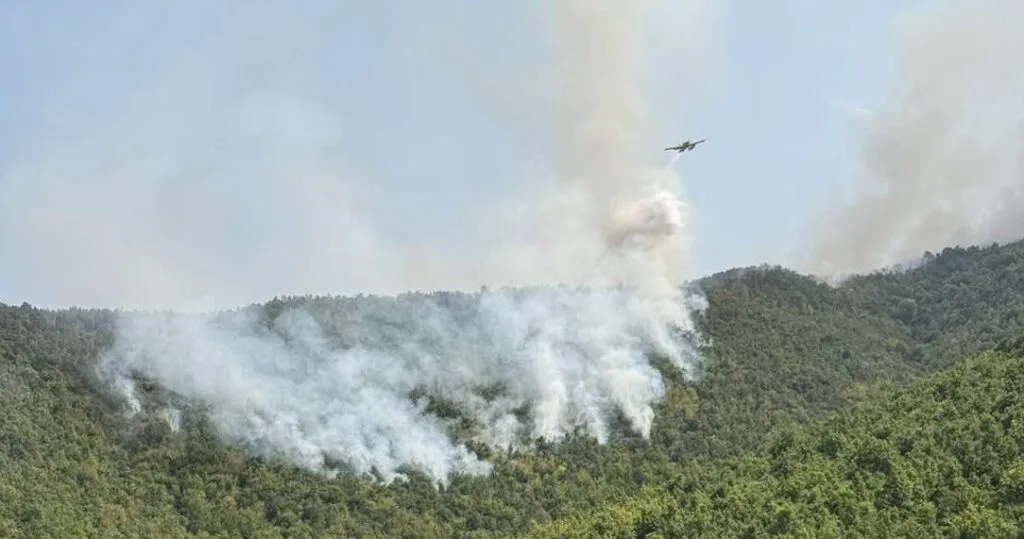
The state audit found a system that responds well and plans badly. The reforms were demanded by the EU screening...
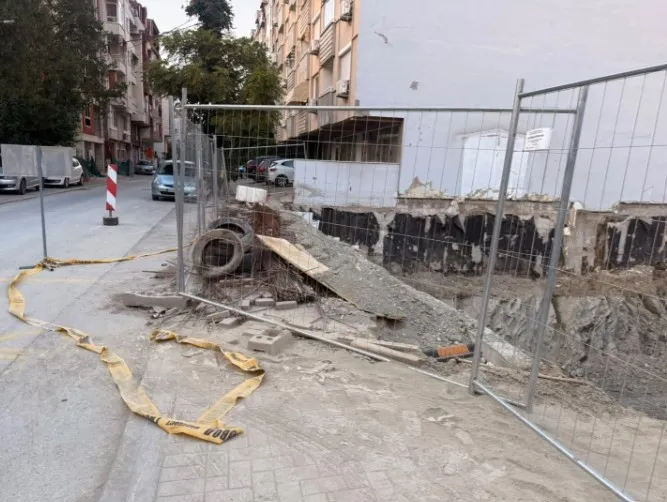
To fine a bar that is too loud, a citizen has to file a complaint at the municipal Registry. The...
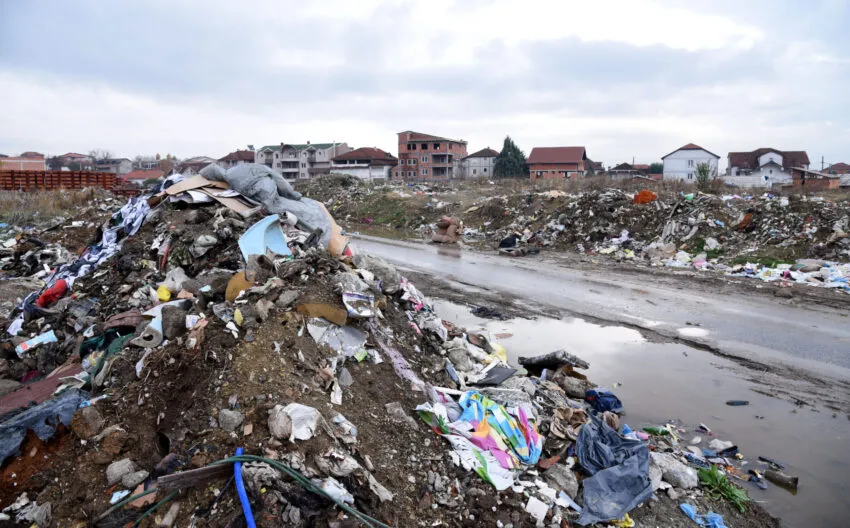
In Montenegro the same offence costs up to 2,000 euros. But the fine is not the only problem: Skopje's municipal...
This site uses cookies - is that okay? Learn more
Be the first to know when Metla launches something new
Leave your email and we will write when there is a new guide or something new on Metla.