

33 fires in 24 hours: a beech forest is burning in Kicevo, and near Kumanovo the flames reached the houses
24.08.2026


24.08.2026

24.08.2026

24.08.2026

24.08.2026
24.08.2026

24.08.2026

24.08.2026

23.08.2026
22.08.2026

24.08.2026

24.08.2026

23.08.2026

24.08.2026

24.08.2026

23.08.2026

24.08.2026

23.08.2026

22.08.2026

24.08.2026

24.08.2026

24.08.2026

24.08.2026

24.08.2026

23.08.2026

09.03.2026

27.02.2026

19.02.2026

24.08.2026

23.08.2026

23.08.2026

23.04.2026

23.04.2026

12.04.2026
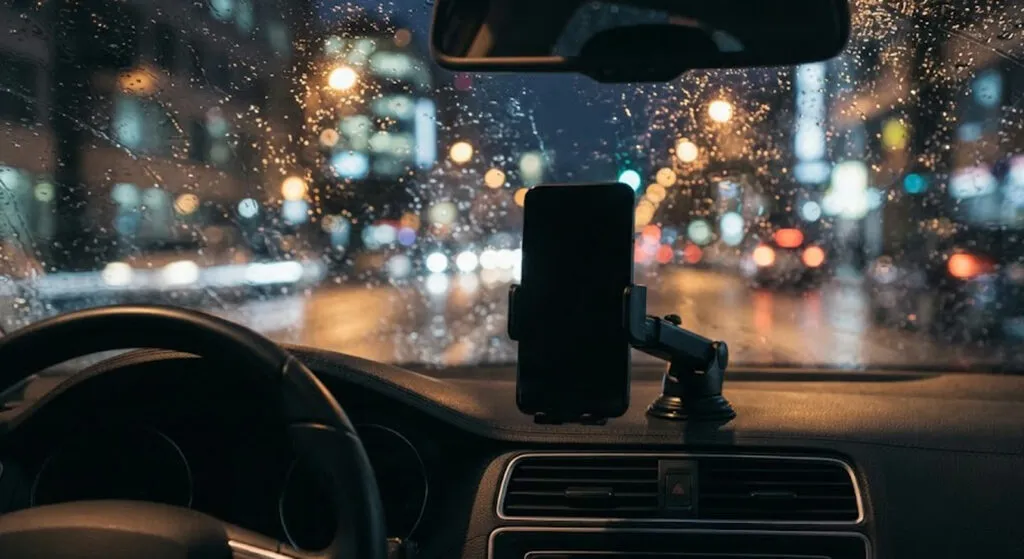
The Dutch data protection regulator has fined Uber 825 million euros - around 966 million dollars - and that is the second largest fine issued to date under European data protection regulation. The reason is not a leaked database and not a hacking attack. The reason is that a computer was cutting drivers off from work.
The regulator examined complaints that Uber deactivated driver accounts through an automated process, without sufficient warning and without a human to check the decision. The conclusion is that the company committed, as the statement puts it, "serious violations".
"A computer should not be making decisions with consequences this large on its own," said Monique Verdier, deputy chair of the Dutch regulator.
What Uber says
The company claims most suspensions are short-lived, that permanent deactivation does not happen without human review and that drivers have a right of appeal. The Dutch regulators claim the opposite - that some drivers were permanently cut off without a single human looking at the decision. Uber disputes this and is announcing an appeal. "We categorically disagree with this decision and with the disproportionate fine," the company said.
The story, though, did not start in the Netherlands. It started with one man. Brahim Ben Ali, a former Uber driver in France, lost his account in 2019. Rather than give up, he gathered testimonies from another 170 drivers and took the complaint to where Uber has its European headquarters - the Netherlands.
He was helped by the Swiss non-profit PersonalData.io, which helped drivers obtain the data on how the deactivation decisions were actually made. Its founder Paul-Olivier Dehaye explains the stakes in one sentence: a driver "can complete a thousand rides with satisfied passengers, but if just one person reports a very serious problem, the consequences can be enormous".
A third fine from the same regulator, the same group of people
This is not the first time. According to Dehaye, this is the third fine the Dutch regulator has issued against Uber - after previous ones of 290 million and 10 million euros. All three stem from complaints by the same group of drivers. He is now also announcing a class action through which drivers would seek damages, and founding a new company, StartClaims, to support such proceedings - first against Uber, then in other parts of the platform economy.
The other side of the argument
The decision has not been received as an unambiguous victory. Some critics warn that framed this way it could untie the hands of abuse - if a platform is not allowed to react automatically, how is it to filter out drivers who cheat or simply never show up for passengers. The formulation that a "computer" decided is itself contestable: the policies are written by management, the device only measures whether someone follows them, just as the clock at the entrance is not what fires a worker who is late every day.
Dehaye rejects that objection: Uber is free to use people to penalise drivers who cheat, he says, but then it must also take responsibility for that decision-making - that is, behave as an employer rather than as a marketplace where two supposedly free parties merely meet.
That is the whole point, and it goes far beyond Uber. The platform economy is built on the claim that it employs nobody, it only connects. When it turns out that the very same platform can leave you without income through an automatic decision you have nobody to appeal to, the claim starts falling apart. The question is not a Dutch one - platforms with the same model drive on our streets too.
The latest 10 news from this category

A billion and a half in penalties for a company projecting two hundred billion in revenue. The judge ruled that...
Five leading labs rated on how ready they are if their own model tries to bypass oversight. The company that...
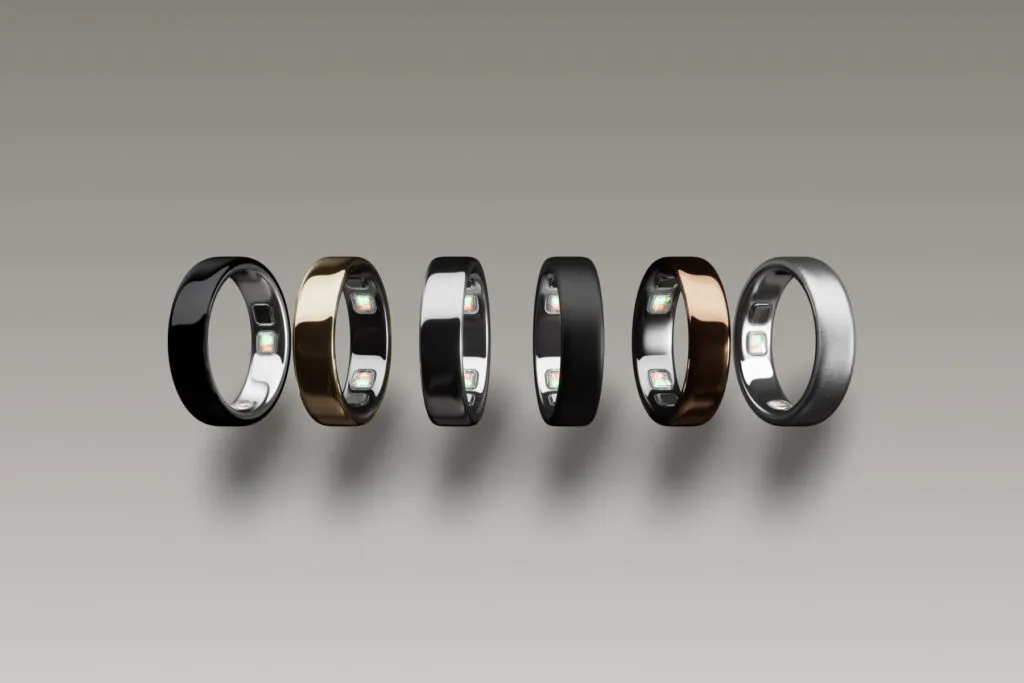
The company advertised 95 per cent accuracy in identifying sleep stages. The plaintiffs say that takes electrodes on the scalp,...
The same company paid 5.7 million for the same violation in 2019 and promised to stop it. Seven years later...
Eleven manufacturers in China are recalling vehicles because the manual emergency handle is hidden where nobody looks for it. The...
Every third page published after ChatGPT carries traces of having been assembled by a machine. On government and university addresses...
The search engine that was for years the main door to the internet is now offering sites a button with...

A startup worth 1.3 billion in May sold for 7.5 billion in August. The founders alone take home more than...
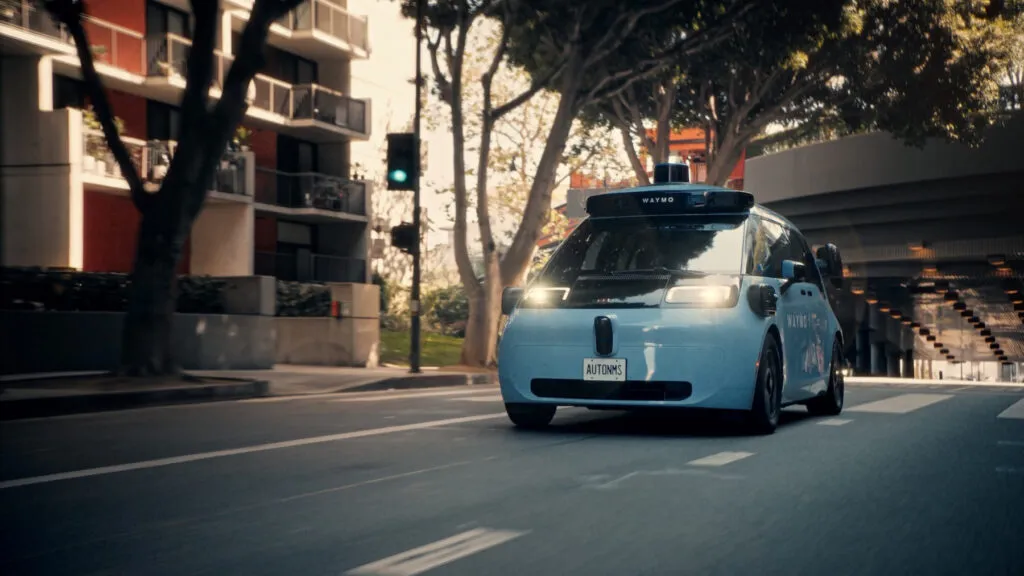
The Ojai is open to all passengers in three American cities. Under the sensors sits a Geely platform, and 5,000...

Brussels fined it 500 million euros, Apple offered a scheme critics called malicious compliance. This is the third attempt in...
This site uses cookies - is that okay? Learn more
Be the first to know when Metla launches something new
Leave your email and we will write when there is a new guide or something new on Metla.
