Skopje Breathed Smoke From Two Mountains: 21 Fires in One Day, and Vodno Was Clean
25.08.2026


25.08.2026

24.08.2026
23.08.2026

25.08.2026

25.08.2026

24.08.2026

25.08.2026

25.08.2026

25.08.2026

25.08.2026

24.08.2026

23.08.2026

25.08.2026

25.08.2026

25.08.2026

25.08.2026

25.08.2026

25.08.2026

09.03.2026

27.02.2026

19.02.2026

23.04.2026

23.04.2026

12.04.2026
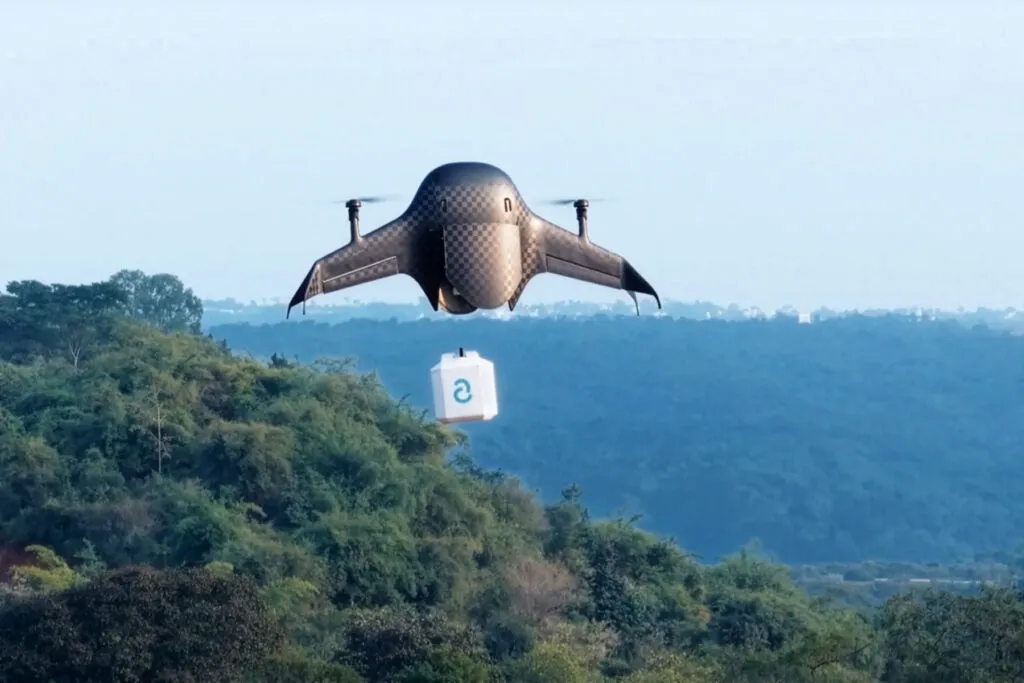
A three-year-old Indian startup has raised 37 million dollars (around 32 million euros) to make drones carry goods more cheaply than a van. The round is led by Greenoaks, and investors include DoorDash, Lightspeed and Lachy Groom. Less than a year earlier the firm took 8.65 million - almost 50 million in total for a startup that still has next to no revenue.
The conclusion Airbound is selling is simpler than it sounds. An ordinary aircraft spends most of its energy carrying itself, not the cargo. Founder and chief executive Naman Pushp says the answer is for the drone to weigh less than what it carries. The current model, called TRT, weighs around 1.5 kilograms and carries one. The next one, in development, should weigh three kilograms and carry five.
The shape is strange on purpose: the drone takes off and lands vertically, standing upright like a rocket, then tips over into horizontal flight. That means no runway is needed - and a runway is exactly what is missing everywhere this technology would make sense.
The numbers from the field are more interesting than the numbers from the investors. Airbound has flown over 13,000 autonomous flights in Bengaluru and Guntur, more than 1,000 of them for the Narayana Health hospital network, carrying samples for analysis. Four kilometres in seven minutes. By van, Pushp says, the same samples travel three to five hours - because first you wait for enough of them to accumulate to make the trip worthwhile.
That is the detail worth holding onto. The drone does not win because it flies faster than a car, but because it does not wait. Logistics in the Balkans knows the same maths by heart: the problem is almost never the speed of the vehicle, but how long the cargo sits waiting for more cargo.
The ambition goes further - a network connecting three cities in the Indian state of Andhra Pradesh, targeting 10,000 flights a day. That would need between 250 and 1,000 aircraft. The agreement with the state government brings neither money nor a subsidy, only work on the regulation. Which is also the biggest obstacle: without permission to fly beyond the operator's line of sight, none of this scales.
Pushp does not pretend the company is making money. Over 150 employees, a 4,000 square metre factory in Bengaluru, and a sentence rarely uttered by someone who has just taken 37 million: "The goal is to be a giant in a few decades, not to generate revenue as fast as possible."
Honest - but also comfortable, when investors are paying for the waiting. The question left is not whether the drone can carry the package. That has been proved 13,000 times. The question is whether anyone will pay enough for it before the Greenoaks money runs out.
The latest 10 news from this category

The regulator argued the deal could have kept Redfin off the market for nine years. A settlement gets signed when...

A billion and a half in penalties for a company projecting two hundred billion in revenue. The judge ruled that...
The second largest fine in the history of European data regulation, and it is not for a leaked database. A...
Five leading labs rated on how ready they are if their own model tries to bypass oversight. The company that...
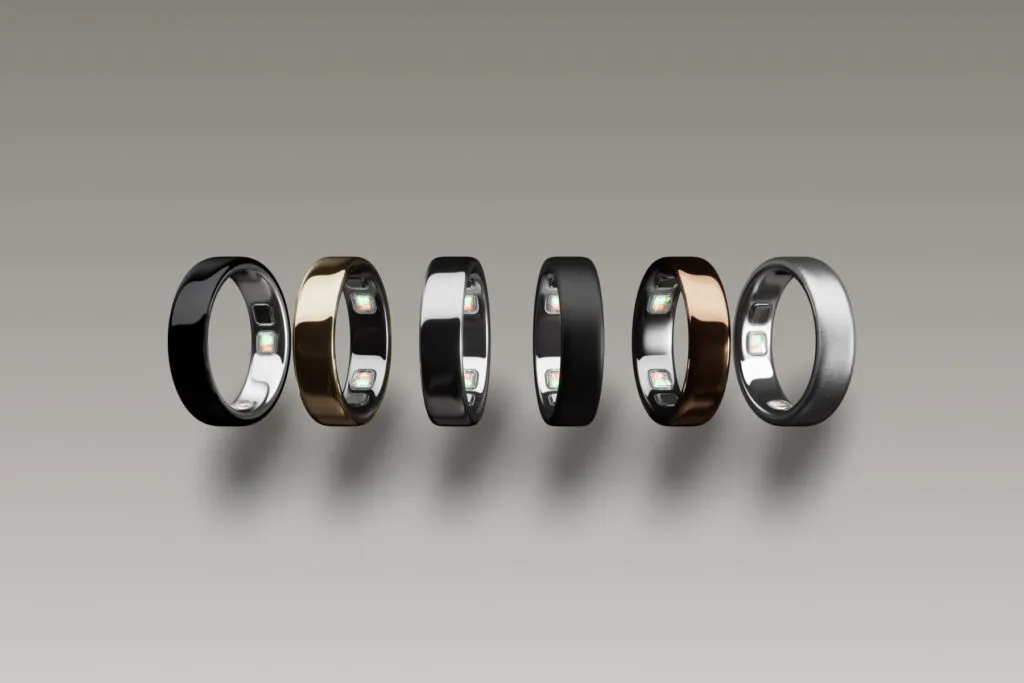
The company advertised 95 per cent accuracy in identifying sleep stages. The plaintiffs say that takes electrodes on the scalp,...
The same company paid 5.7 million for the same violation in 2019 and promised to stop it. Seven years later...
Eleven manufacturers in China are recalling vehicles because the manual emergency handle is hidden where nobody looks for it. The...

Every third page published after ChatGPT carries traces of having been assembled by a machine. On government and university addresses...
The search engine that was for years the main door to the internet is now offering sites a button with...

A startup worth 1.3 billion in May sold for 7.5 billion in August. The founders alone take home more than...
This site uses cookies - is that okay? Learn more
Be the first to know when Metla launches something new
Leave your email and we will write when there is a new guide or something new on Metla.