
A Pole Drove 164 km/h Where the Limit Is 80: The Camera Caught Him, the Border Stopped Him
23.08.2026


23.08.2026

23.08.2026

23.08.2026

23.08.2026
22.08.2026

22.08.2026

23.08.2026

23.08.2026

22.08.2026

23.08.2026

23.08.2026
23.08.2026

23.08.2026

22.08.2026

21.08.2026

23.08.2026

23.08.2026

23.08.2026

23.08.2026

23.08.2026

22.08.2026

09.03.2026

27.02.2026

19.02.2026

23.08.2026
23.08.2026

22.08.2026

23.04.2026

23.04.2026

12.04.2026
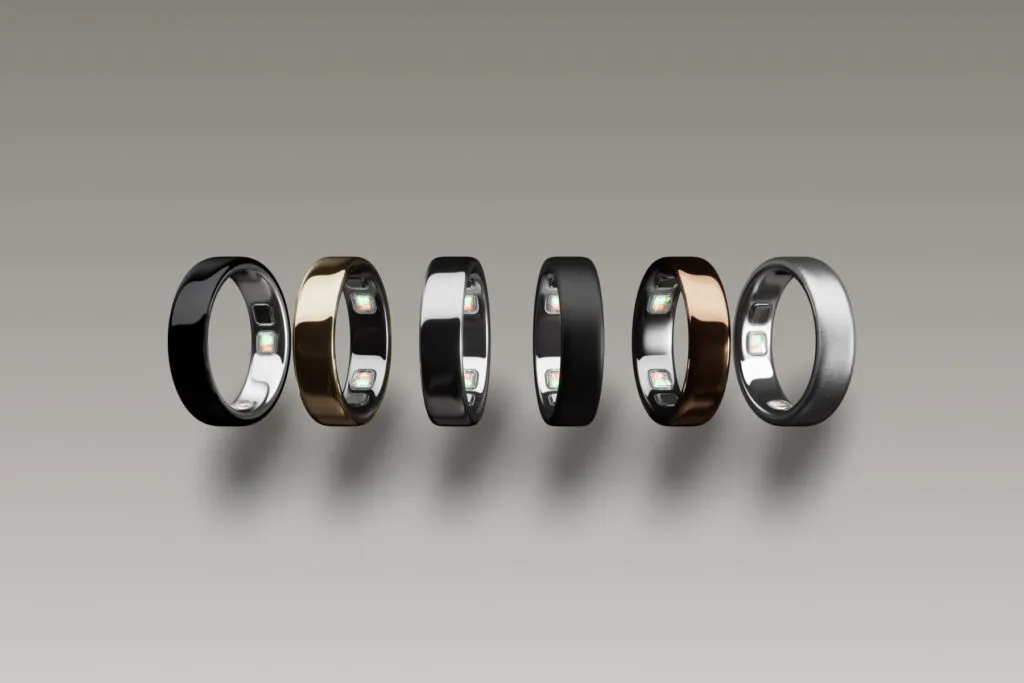
Thousands of people look at a number on a screen every morning and build their day around it. You slept badly - so take it easy today. You slept brilliantly - so you can push. A new class action in San Francisco claims that on one of the most expensive devices on the market, that number is closer to a coin flip than to a measurement.
The Clarkson Law Firm has filed a proposed class action against Oura, the maker of the smart rings, arguing that the devices cannot measure any of the physiological signals required to assess sleep quality or determine sleep stages. Instead, according to the suit, they rely on artificial intelligence estimates that have, as the filing puts it, "a coin flip's chance of being accurate".
The key sentence in the lawsuit is simpler than the entire technical debate around it: "sleep happens in the brain, not on a finger."
What the company advertised
The rings sell at prices starting from 300 dollars. According to the suit, Oura marketed them as "built for accuracy" and with "unmatched accuracy", claiming its devices can see what a hospital sleep laboratory sees, including the four distinct sleep stages. At one point the company claimed 79 per cent accuracy, while more recent claims rose to 95 per cent for identifying sleep stages compared with clinical laboratories.
The problem, the plaintiffs argue, is that genuinely determining sleep stages requires electrodes on the scalp and sensors on the eyes - equipment that exists in a clinic, not on a wrist.
"When people rely on a device to make decisions about their health, misinformation cannot be tolerated," said Ryan Clarkson, co-founder and managing partner of the law firm. "People are structuring their day, interpreting how they feel and shaping their lives around inaccurate numbers."
Oura responded sharply. According to the company's statement, the ring estimates sleep stages through multiple physiological signals - heart rate, heart rate variability, movement, breathing patterns and temperature - and there is peer-reviewed independent scientific evidence that sleep stages are linked to measurable and repeatable changes in physiology. The company acknowledges the ring is not a medical device and does not replace a clinical examination, but maintains that its sleep staging is validated and compares favourably with polysomnography, the gold standard in the field. It disputes the allegations and says it will defend itself.
The lawsuit did not fall out of the sky. For years users online have complained about the same thing - they woke up exhausted while the device told them they slept optimally, or the other way round. What was until now a complaint in a comment section is now a filing before a court, seeking an injunction stopping Oura from continuing such claims and compensation for buyers.
What this case opens up is bigger than one ring. The entire wearables category - watches, bands, rings - sells precision as its main argument while working with estimates. The difference between "this measures your sleep" and "this guesses how you slept based on pulse and movement" is a difference in marketing, not in technology. A court will now decide where the line runs.
The latest 10 news from this category
Five leading labs rated on how ready they are if their own model tries to bypass oversight. The company that...
The same company paid 5.7 million for the same violation in 2019 and promised to stop it. Seven years later...

Eleven manufacturers in China are recalling vehicles because the manual emergency handle is hidden where nobody looks for it. The...
Every third page published after ChatGPT carries traces of having been assembled by a machine. On government and university addresses...
The search engine that was for years the main door to the internet is now offering sites a button with...

A startup worth 1.3 billion in May sold for 7.5 billion in August. The founders alone take home more than...
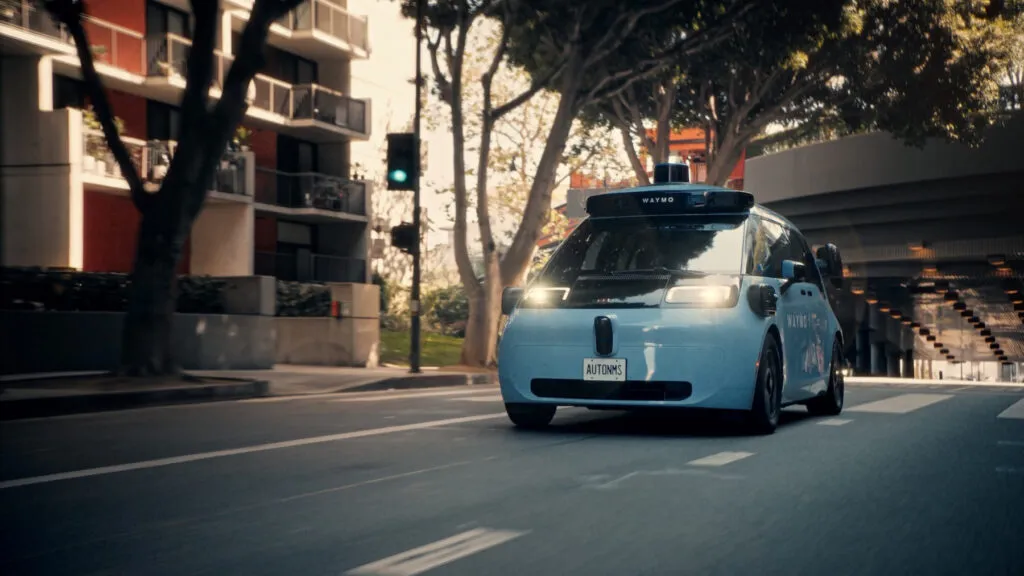
The Ojai is open to all passengers in three American cities. Under the sensors sits a Geely platform, and 5,000...
Brussels fined it 500 million euros, Apple offered a scheme critics called malicious compliance. This is the third attempt in...
For three and a half years the product ran with no protection for minors. It did not change after a...
Apple sent warnings to 110 countries, and researchers say they have never seen numbers like these. One of those targeted...
This site uses cookies - is that okay? Learn more
Be the first to know when Metla launches something new
Leave your email and we will write when there is a new guide or something new on Metla.