

Expert witness at the Puls trial: the change-of-use application had to come from the owner, not the tenant
26.08.2026


26.08.2026

26.08.2026

26.08.2026

26.08.2026

26.08.2026

26.08.2026

26.08.2026

25.08.2026

24.08.2026

26.08.2026

26.08.2026

25.08.2026

26.08.2026

26.08.2026

26.08.2026

26.08.2026

25.08.2026

24.08.2026

26.08.2026

26.08.2026

26.08.2026

26.08.2026

26.08.2026

25.08.2026

09.03.2026

27.02.2026

19.02.2026

26.08.2026

25.08.2026

24.08.2026

23.04.2026

23.04.2026

12.04.2026
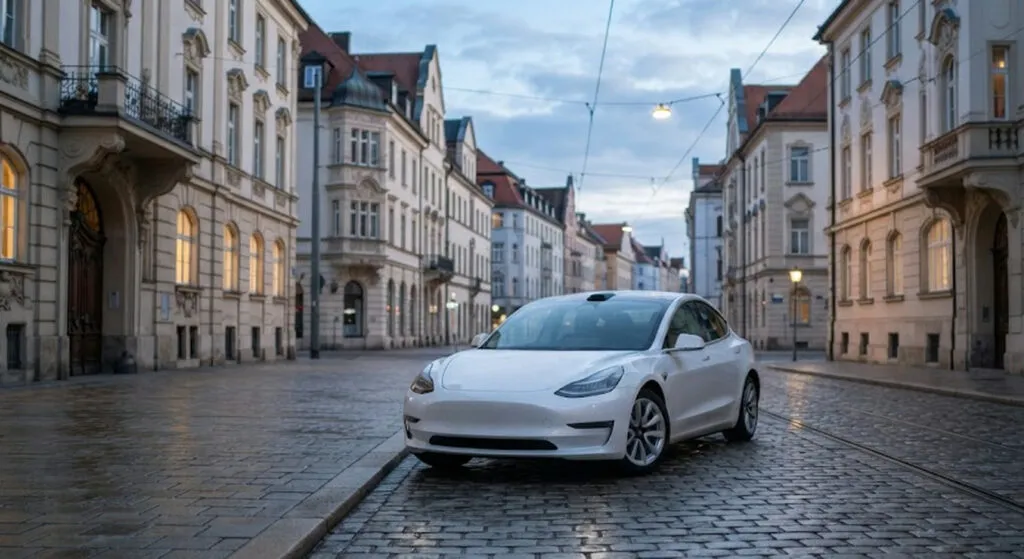
Waymo, the autonomous vehicle company owned by Alphabet, has announced it plans to launch a robotaxi service in Munich. The announcement came months after the company set up its legal entity in Germany, which means the preparations have been running longer than the press release suggests.
The road to the first paid ride is long and Waymo does not hide how long. First comes manual driving to map the streets. Then testing with a human behind the wheel. Then the human is removed, but only employees, journalists and invited guests sit in the vehicles. And only then, if the regulator says yes, does the service open to the public. The company says it is working with the German Federal Motor Transport Authority (KBA), with state authorities and local bodies, and that it expects commercial rides toward the end of 2027. So: news about something that will happen more than a year from now.
Why Germany, and not some other European country? Because more than five years ago Germany passed a legal framework for autonomous driving and in doing so became the first in the European Union to regulate level 4 vehicles - systems that drive themselves, with no expectation of a human taking over, under defined conditions. The law came before the vehicles. That is an order of events we rarely see here.
And the result shows. According to the latest KBA data, testing permits in Germany are held by Mobileye and Volkswagen, as well as the British startup Wayve and the Israeli Autobrains - although most of them are at level 3, where the driver must still be able to take over. Waymo, interestingly, currently holds no permit there at all. The announcement comes before the paperwork.
Germany is not the only European battlefield. London is shaping up as the second: Waymo says it will launch a commercial service there during 2026, which will put it head to head with Wayve and its partner Uber, while China's Baidu is already testing in the city alongside Lyft and Freenow. American, British and Chinese systems competing over who drives through a European city first - and European firms mostly in the role of partner or test track.
The Balkans do not get a single mention in this story, and that is the point. Technology does not go where there are the most vehicles, it goes where there is a law that knows what to do with it. Munich is not getting robotaxis because it is a rich city, but because five years ago someone sat down and wrote a rule for something that did not exist yet.
The latest 10 news from this category

The head of data centres lasted seventeen months and walked. The company says it merely reorganised - the same thing...
An Indian startup has flown 13,000 autonomous flights and still has no revenue. It wins not because it flies faster...

The regulator argued the deal could have kept Redfin off the market for nine years. A settlement gets signed when...

A billion and a half in penalties for a company projecting two hundred billion in revenue. The judge ruled that...
The second largest fine in the history of European data regulation, and it is not for a leaked database. A...

Five leading labs rated on how ready they are if their own model tries to bypass oversight. The company that...

The company advertised 95 per cent accuracy in identifying sleep stages. The plaintiffs say that takes electrodes on the scalp,...
The same company paid 5.7 million for the same violation in 2019 and promised to stop it. Seven years later...
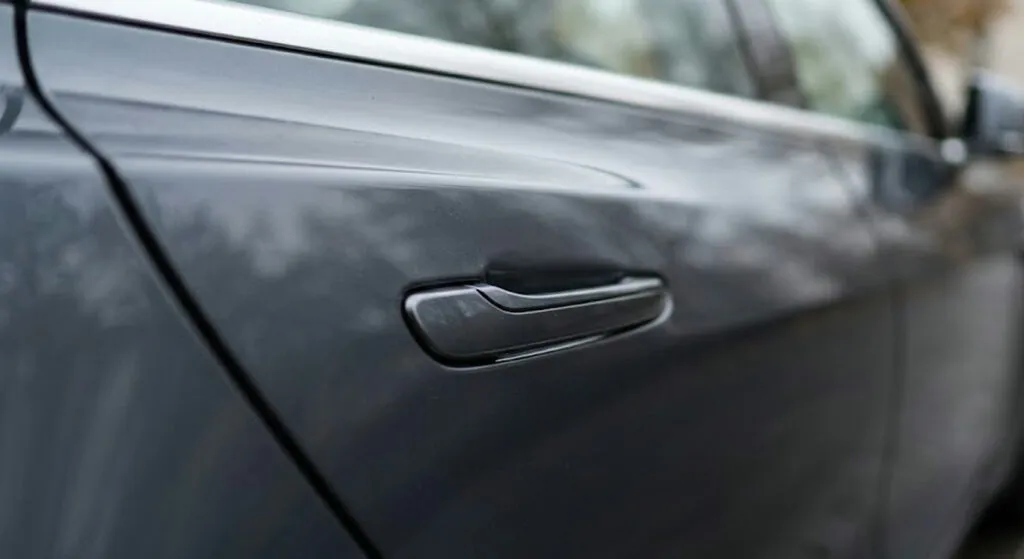
Eleven manufacturers in China are recalling vehicles because the manual emergency handle is hidden where nobody looks for it. The...

Every third page published after ChatGPT carries traces of having been assembled by a machine. On government and university addresses...
This site uses cookies - is that okay? Learn more
Be the first to know when Metla launches something new
Leave your email and we will write when there is a new guide or something new on Metla.
