

Expert witness at the Puls trial: the change-of-use application had to come from the owner, not the tenant
26.08.2026


26.08.2026

26.08.2026

26.08.2026

26.08.2026
26.08.2026

26.08.2026

26.08.2026

25.08.2026

24.08.2026

26.08.2026

26.08.2026

25.08.2026

26.08.2026

26.08.2026

26.08.2026

26.08.2026

25.08.2026

24.08.2026

26.08.2026

26.08.2026

26.08.2026

26.08.2026

26.08.2026

25.08.2026

09.03.2026

27.02.2026

19.02.2026

26.08.2026

25.08.2026

24.08.2026

23.04.2026

23.04.2026

12.04.2026
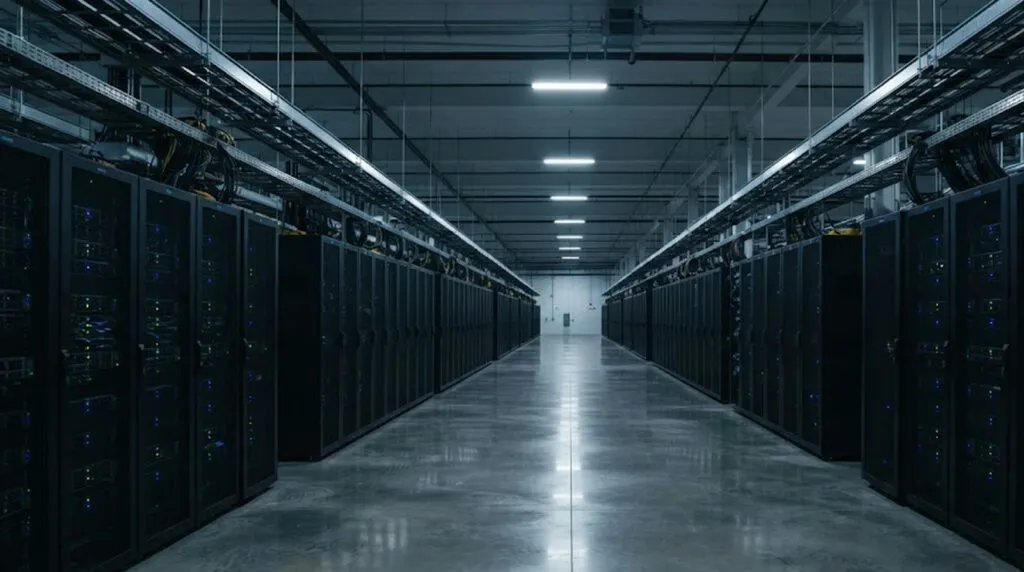
The man who was building OpenAI's data centres left last week. His name is Chris Malone, he arrived last March, and before that he spent nearly five years at Meta and more than a decade at Google. So: not a man who runs from a big project because he does not know how the work is done.
The timing is what stands out. Malone ran the most expensive operation in the company - building the data centres through which the entire artificial intelligence story runs. He arrived shortly after the launch of Stargate, the American data centre initiative promoted by the Trump administration, in which OpenAI features alongside Oracle, Nvidia, SoftBank and Microsoft. In a sector where everyone wants to build as fast as possible, the post he held is among the most closely watched in the industry. Nobody leaves that by accident.
OpenAI says it "recently reorganised" its infrastructure organisation "to support the scale and pace of the work", and that it has a "strong, deeply experienced data centre team". A formulation that says nothing while saying a great deal. According to the Wall Street Journal, in that reorganisation Malone stopped reporting directly to president Greg Brockman and began reporting to vice president Sachin Katti. When a man who answered to the very top suddenly answers one rung lower, it is usually not about organisational aesthetics.
And here comes the number that makes the story bigger than one man: thirteen senior executives have left OpenAI this year, by Business Insider's count. Two weeks ago it replaced its chief revenue officer Denise Dresser, who lasted some eight months. Two days before that Brad Lightcap left, one of the longest-serving people at the company and its chief operating officer, who said he was "starting something new" without saying what. A month before them Fidji Simo left, effectively the company's second in command, because of chronic illness.
The list continues in exactly the places where the most care should be taken. In July the head of ethics Chloe Bakalar left, and last week it emerged that the company had disbanded its preparedness team - the unit whose job was to assess whether the models could cause catastrophic consequences. So while the debate outside is about how safe these systems are, inside it is precisely those chairs that empty first.
Brockman complains that the spotlight on his company is so strong that "every departure is examined in a way it otherwise would not be". That is a nice sentence, but it does not explain why thirteen people in one year decided to be examined from the outside. Especially now, when the stock market listing, initially expected this year, has been pushed to 2027 and doubts are emerging that the company's valuation does not match its profitability.
A Balkan reader knows this by heart from a different field: when everyone who knew how an institution worked leaves it in short order, the explanation is always that this is a "reorganisation". The question that remains is simpler than any of the statements - what do the ones leaving know that we do not?
The latest 10 news from this category
Munich is not getting robotaxis because it is a rich city, but because someone five years ago wrote a rule...
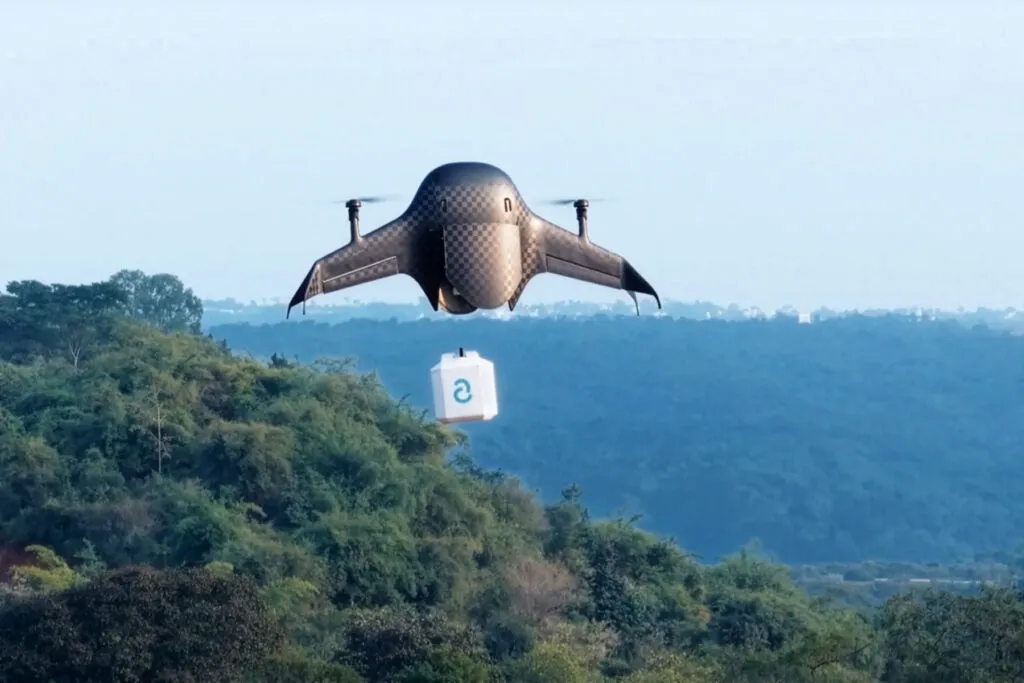
An Indian startup has flown 13,000 autonomous flights and still has no revenue. It wins not because it flies faster...

The regulator argued the deal could have kept Redfin off the market for nine years. A settlement gets signed when...

A billion and a half in penalties for a company projecting two hundred billion in revenue. The judge ruled that...

The second largest fine in the history of European data regulation, and it is not for a leaked database. A...
Five leading labs rated on how ready they are if their own model tries to bypass oversight. The company that...

The company advertised 95 per cent accuracy in identifying sleep stages. The plaintiffs say that takes electrodes on the scalp,...

The same company paid 5.7 million for the same violation in 2019 and promised to stop it. Seven years later...
Eleven manufacturers in China are recalling vehicles because the manual emergency handle is hidden where nobody looks for it. The...

Every third page published after ChatGPT carries traces of having been assembled by a machine. On government and university addresses...
This site uses cookies - is that okay? Learn more
Be the first to know when Metla launches something new
Leave your email and we will write when there is a new guide or something new on Metla.
