

Expert witness at the Puls trial: the change-of-use application had to come from the owner, not the tenant
26.08.2026


26.08.2026

26.08.2026

26.08.2026

26.08.2026

26.08.2026

26.08.2026

26.08.2026

25.08.2026

24.08.2026
26.08.2026

26.08.2026

25.08.2026

26.08.2026

26.08.2026

26.08.2026

26.08.2026

25.08.2026

24.08.2026

26.08.2026

26.08.2026

26.08.2026

26.08.2026

26.08.2026

25.08.2026

09.03.2026

27.02.2026

19.02.2026

26.08.2026

25.08.2026

24.08.2026

23.04.2026

23.04.2026

12.04.2026
We all know the move: mould on one corner of the cheese or one side of the peach, the knife cuts it off, the rest goes in your mouth. That is a mistake, and not a small one. Food technologist and dietitian-nutritionist Beatriz Robles puts it as directly as she can: "Removing mould from a small part of a food - fruit or cheese - however small it is, and then eating that piece is bad practice. The visible part of the mould is only part of the fungus, which can grow very deep into the food. The rule would be to throw it out entirely."
So what you see is the tip. The rest is already inside, you just cannot see its colour.
Responsibility passes into your hands
Robles offers one sentence worth remembering: "The entire industry, from primary production to distribution, imposes the control measures needed for food to be safe under the regulations. But the moment it passes into our hands, it is our responsibility to store and handle it correctly." In other words - the controls run right up to your front door. Past that there is no inspector.
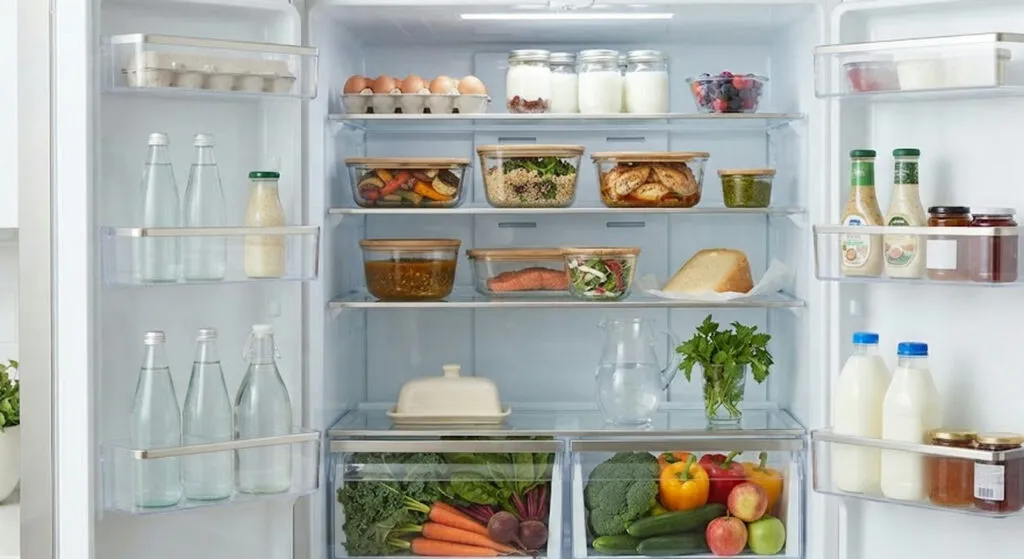
And that is where the order in the fridge begins, which is not an aesthetic question but one of temperature and distance. The fridge should be at 5 degrees at most. The layout Robles gives runs like this: raw food in the bottom drawers, separating animal from plant origin; on the door the products with the lowest microbiological risk, like drinks and sauces; on the middle shelves leftovers, always in containers with lids; and on the top eggs, fermented dairy and derivatives.
The rule nobody here even names
Cross-contamination is a mandatory standard in industrial kitchens, and at home it usually does not even have a name. It means preventing clean food from coming into contact with food that is not yet clean - raw meat, unwashed vegetables. "This contact can be direct, from food to food, or indirect, via surfaces where we handled unwashed food, or via kitchen utensils," she explains.
From that follow the basic steps: cleaning all surfaces and utensils, hand hygiene and washing vegetables thoroughly under running tap water, not in a bowl full of water. If you are cooking for an at-risk group, such as pregnant women, disinfection is needed with bleach intended for drinking water or with a specific product. And one more thing: if the food is not eaten straight away it goes in the fridge, where it lasts two to three days at most.
The numbers that are not on the packaging
Eggs are the first place where summer collects its bill. Anything containing raw egg - mayonnaise, for instance - gets eaten immediately. Homemade mayonnaise is made just before eating and goes in the fridge if it is not served at once. An omelette with fully set egg lasts two days in the fridge; if it is not set - not a single one.
Rice and pasta are the second, and there the surprise is bigger. Even cooked, they are prone to mycotoxins and harmful bacteria, and their fridge life is 48 hours at most. The crucial part: they can be contaminated without a single visible sign of spoilage. Smell is not a test.
Fruit ripens far faster in summer, so it goes in the fridge, especially once cut. The exception is tropical fruit - bananas, papaya, mango - which loses out in the fridge. And the last distinction most people mix up: "use by" and "best before" are not the same. With the first, the food is not eaten after the date, because it marks how long it is safe. With the second it can be consumed within limits, up to fifteen days, because it marks how long the quality holds, not the safety.
The latest 10 news from this category

International Ramen Day is 25 August, and the dish itself came about because there was nothing else. The broth simmers...

It does not have to hurt badly for there to be a problem. A physiotherapist explains why people spend years...
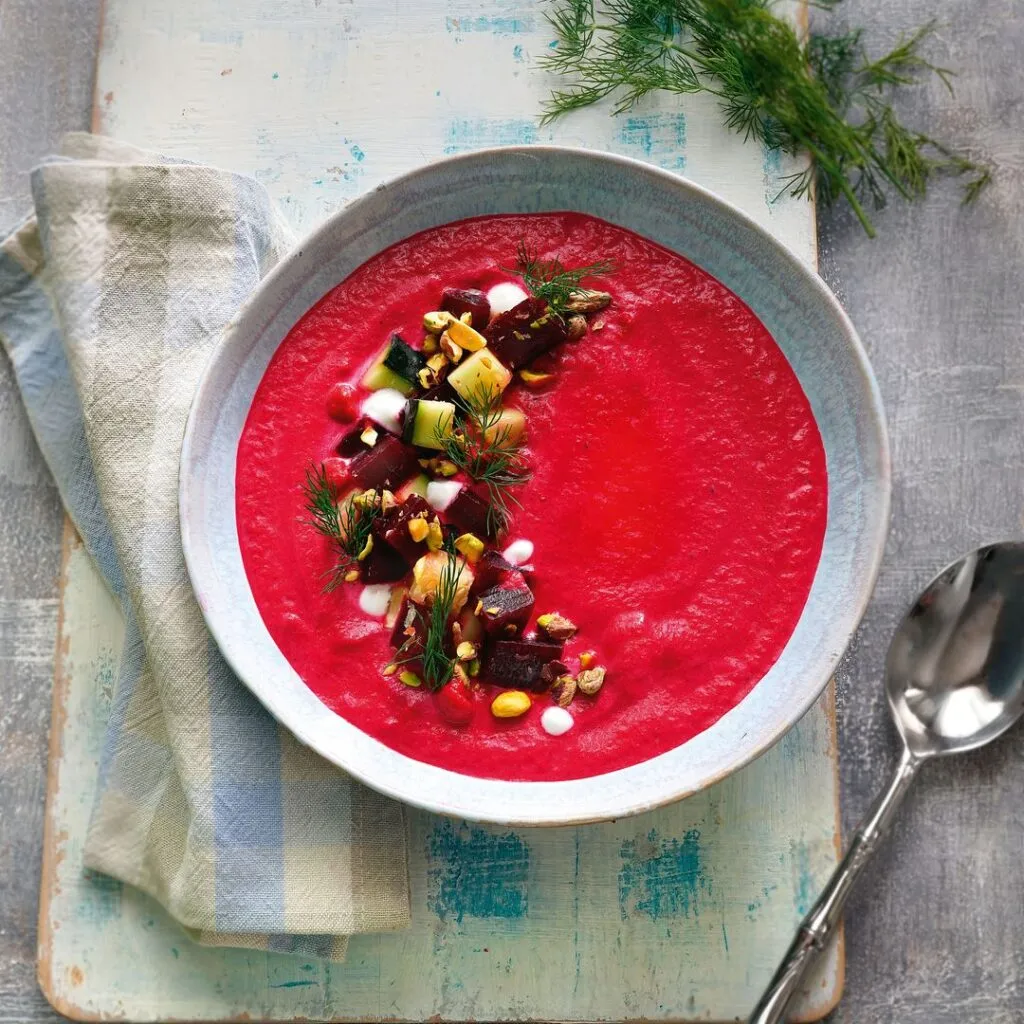
It is still too hot for the oven and already too late for the same salad a fourth time. Not...

The protective effect against dementia starts at 3,800 steps, and above ten thousand there is no additional benefit. So the...

You do not need a three-hundred-euro machine for a dessert that costs about as much as a kilo of fruit....

A psychologist explains the line from Epictetus everyone quotes and few apply. Autonomy is not a single thing - you...
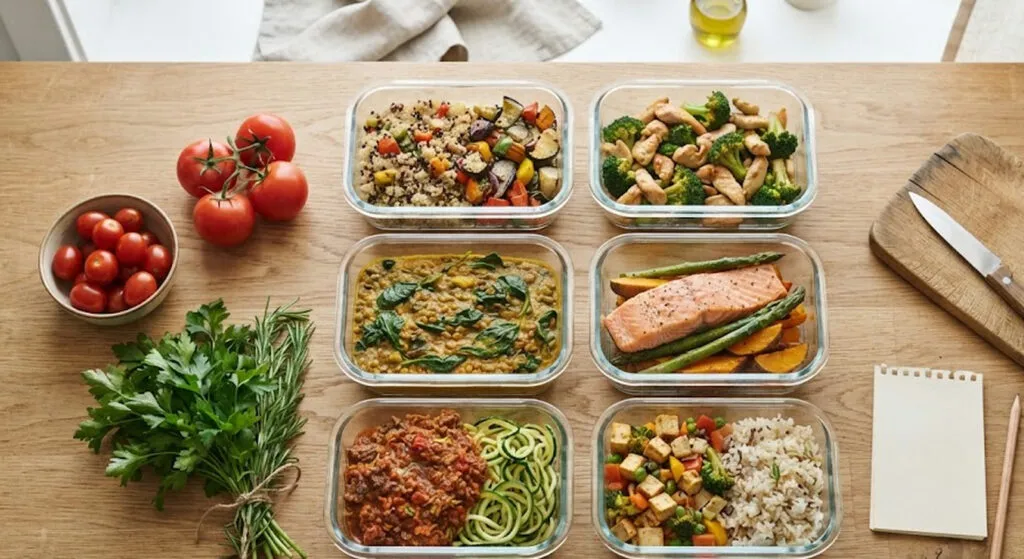
Fourteen dishes, none longer than thirty minutes, and vegetables as the base rather than a side. This is also the...

You lie by the sea and think about work. The brain is not asking for a holiday - it is...

The batter is mildly sweet, the filling salty, and that contrast is exactly what holds the dish together. Two recipes...

Around here the afternoon nap is defended as tradition. The tradition lasts an hour and a half, only the first...
This site uses cookies - is that okay? Learn more
Be the first to know when Metla launches something new
Leave your email and we will write when there is a new guide or something new on Metla.
