
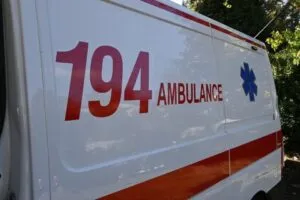
Studeničani: 35-year-old dies after being electrocuted while washing his car with a pressure washer
18.09.2026


18.09.2026
18.09.2026

18.09.2026
18.09.2026
18.09.2026
18.09.2026
18.09.2026

17.09.2026

16.09.2026
18.09.2026

18.09.2026

17.09.2026

18.09.2026

18.09.2026

18.09.2026

18.09.2026

17.09.2026

16.09.2026
18.09.2026

18.09.2026
18.09.2026

18.09.2026

17.09.2026

17.09.2026

09.03.2026

27.02.2026

19.02.2026

18.09.2026
17.09.2026

16.09.2026

23.04.2026

23.04.2026

12.04.2026

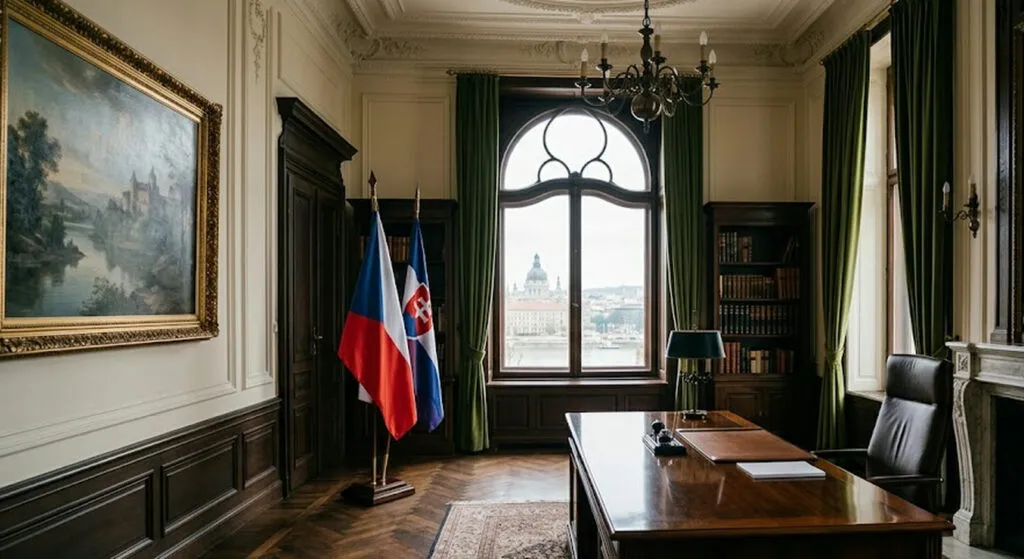
Vladimir Putin issued one of the strangest diplomatic messages of the year: he announced that the Russian Defence Ministry has not yet informed him about possible new provocations from Kyiv. The president on the 9 May parade, on full-spectrum briefings and on diplomatic talks with Washington, Beijing and New Delhi - but for the war he's running, he doesn't know what's happening.
„The Defence Ministry hasn't informed me yet. When I get back to the office, the military will brief me," Putin said. The sentence is, at the very least, strange for a leader who insists every aspect of the „special military operation" is under his control.
The second part of the message was confirmation that Moscow had warned Washington, Beijing, New Delhi and other capitals in advance about possible consequences of Ukrainian actions around 9 May. Through diplomatic channels - the Kremlin says - those talks led to Trump's proposal for two additional ceasefire days and a prisoner exchange being accepted.
Putin reiterated the key idea of this phase: that the goal of the operation is „the final defeat of Ukrainian forces." At the same time - the war is not supposed to escalate with other states. That's a nearly impossible formula, and Putin knows it. But the moment 9 May passes without a Ukrainian attack on the parade, the rhetoric has to keep the momentum.
Interesting detail: Moscow, Putin claims, sent Kyiv a list of 500 Ukrainian soldiers in captivity. No answer came. „Kyiv vanished from the radar," Putin sums up. When a leader says this publicly, it's not a slip - it's a political message for the domestic audience. Russians are supposed to hear that Ukraine is dodging „humanitarian" gestures, while Putin „is ready" but „can't."
For the Balkans, this education in diplomacy doesn't sound foreign. How often do governments say „we proposed" - without explaining what. How often is „contact through private channels" used as a substitute for real work. The question for the reader: do we really believe that a prime minister or minister doesn't know what's happening on the battlefield when he argues about it all summer on television? Or is that sentence part of the script, not a lack of information?
The latest 10 news from this category
The bill passed with 262 votes, and the key to it has been handed to a man who has already...
Ukraine adapts in weeks, the Alliance in decades. Europe is paying for Patriot systems from 1991 and is only now...
Missiles and drones on the Ukrainian capital, damaged water mains and residential buildings. The same night, Ukrainian drones set the...
Trump hopes the war is ending and is preparing to gather the Gulf leaders. Oil prices have jumped, and the...
Ukraine says when, where and which unit did it. Russia's defence ministry has not a single sentence about the circumstances....
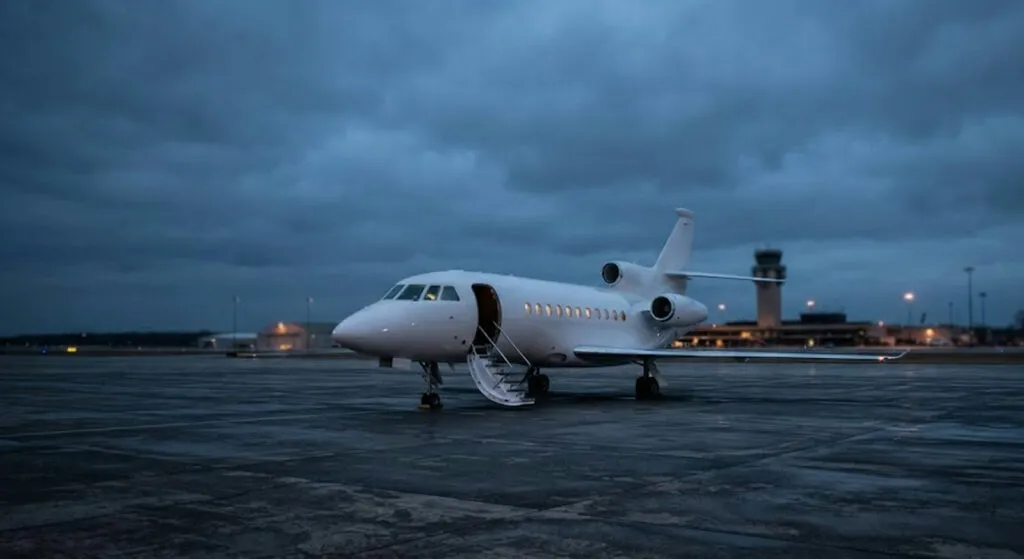
Norway's prime minister talks about a plane a drone "almost hit". Moldova, the only party holding the figures, reported that...
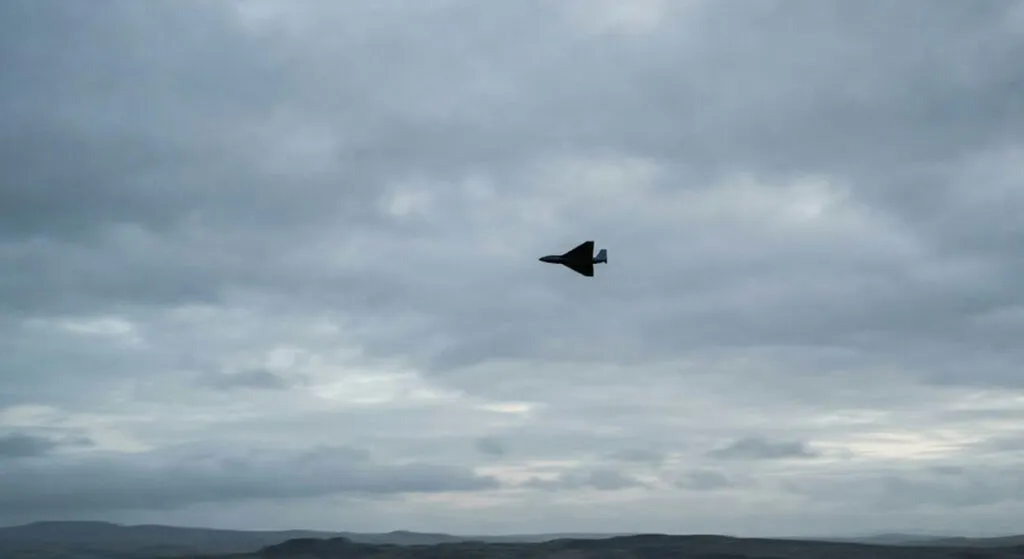
Ukraine was shooting down nine out of ten of the old drones. Then Russia changed the drone - and in...
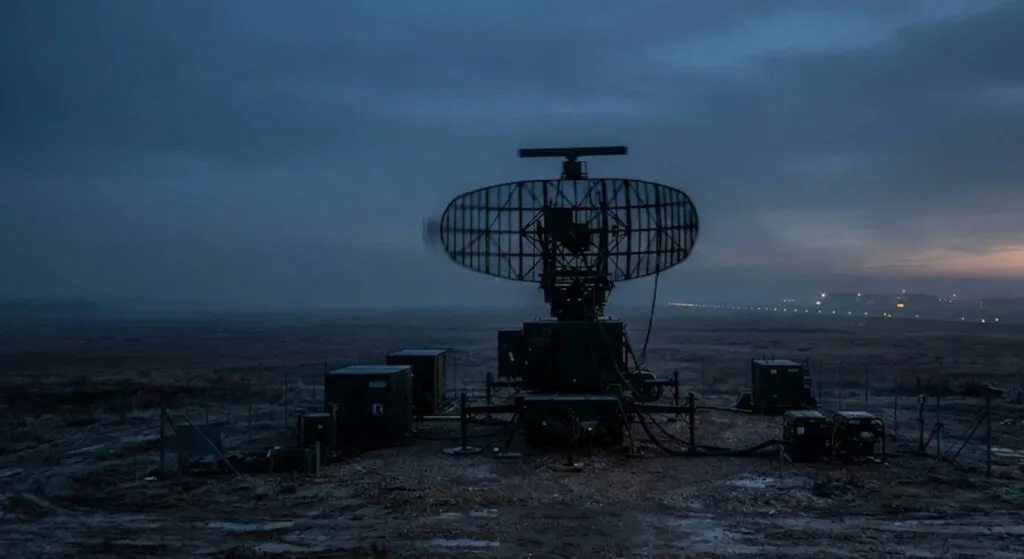
It was shot down a few minutes after midnight, and all of Vilnius got a warning on their phones. Two...
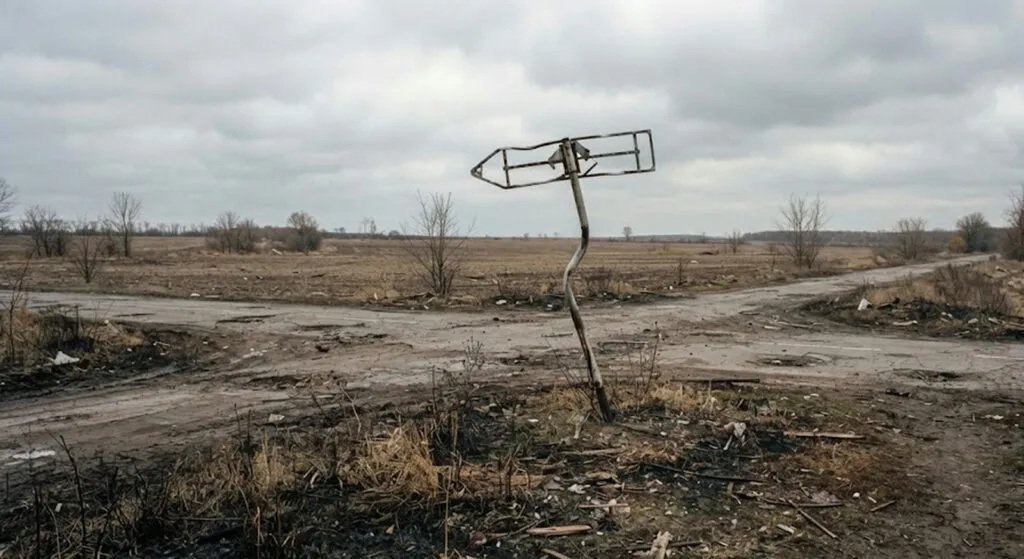
The entire story comes from one side, and the headlines turn it into a turning point. The difference between the...
Between 2,300 and 3,000 North Korean soldiers have died in Kursk so far. Kim Jong Un has found an export...
This site uses cookies - is that okay? Learn more
Be the first to know when Metla launches something new
Leave your email and we will write when there is a new guide or something new on Metla.
