

Studeničani: 35-year-old dies after being electrocuted while washing his car with a pressure washer
18.09.2026


18.09.2026

18.09.2026

18.09.2026

18.09.2026

18.09.2026
18.09.2026

18.09.2026

17.09.2026

16.09.2026

18.09.2026

18.09.2026

17.09.2026

18.09.2026

18.09.2026

18.09.2026

18.09.2026

17.09.2026

16.09.2026

18.09.2026

18.09.2026

18.09.2026

18.09.2026

17.09.2026

17.09.2026

09.03.2026

27.02.2026

19.02.2026

18.09.2026

17.09.2026

16.09.2026

23.04.2026

23.04.2026

12.04.2026

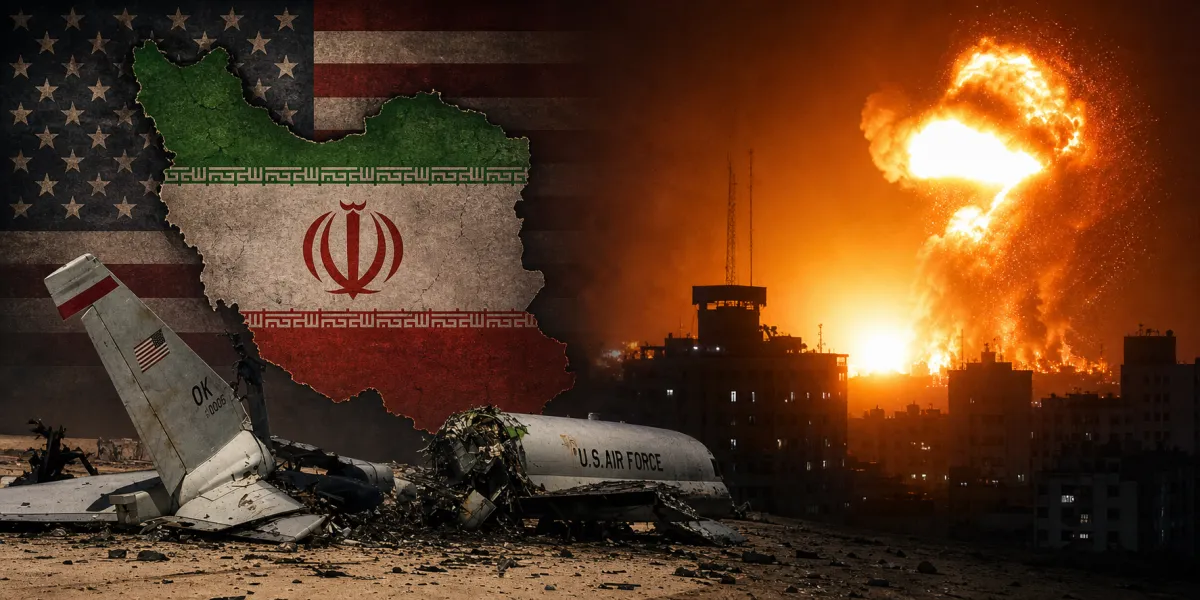
Iran has announced a plan to take control over seven undersea internet cables that pass through the Strait of Hormuz. Not a war. Not a blockade. Simply: a new regulatory body, new licences for foreign operators, new taxes, a new requirement that everything passes through Iranian companies for technical maintenance.
Those cables are the bloodstream. Data traffic between Europe, Asia and the Gulf states runs through them - financial transactions, banking systems, the entire internet infrastructure. When the Iranian Revolutionary Guard warned earlier that the cables were a potential target in any escalation, everyone treated it as a bad joke. That's no longer a threat; it's a regulatory reality.
For the Balkan economy this isn't far away. Nearly every bank transaction, every SWIFT message, every mobile payment travels through a global network in which Hormuz is one of the most critical points. If Tehran decides to slow down approvals for foreign operators - or, more likely, to drag them out - the consequences aren't „for Dubai." The consequences are for the real world, including you when you try to pay a bill on a Tuesday lunchtime.
At the same time, Iran sent a ten-point reply to the American peace offer. The message was transmitted via Pakistan. The terms aren't public for now, but the key phase of the ceasefire negotiations - according to diplomatic sources - clearly hinges on this.
The question isn't whether Tehran will control the cables. The question is whether the global market understands what it's watching. And why, every time a country gets power over digital infrastructure, the world reacts slowly, late, and with dollars instead of threats. Hormuz has already been a blockade for ships. Now it can be a blockade for data.
The latest 10 news from this category
The bill passed with 262 votes, and the key to it has been handed to a man who has already...
Ukraine adapts in weeks, the Alliance in decades. Europe is paying for Patriot systems from 1991 and is only now...
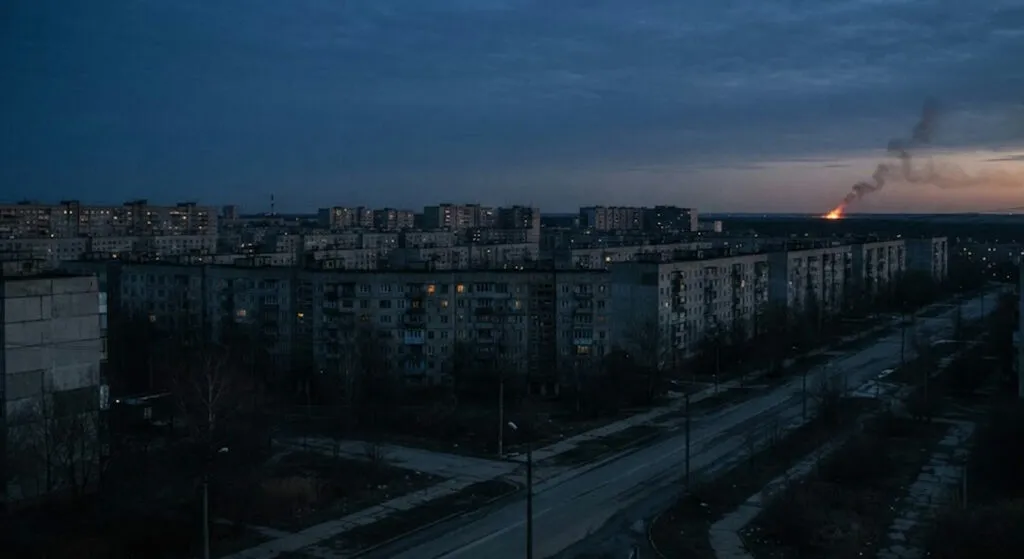
Missiles and drones on the Ukrainian capital, damaged water mains and residential buildings. The same night, Ukrainian drones set the...
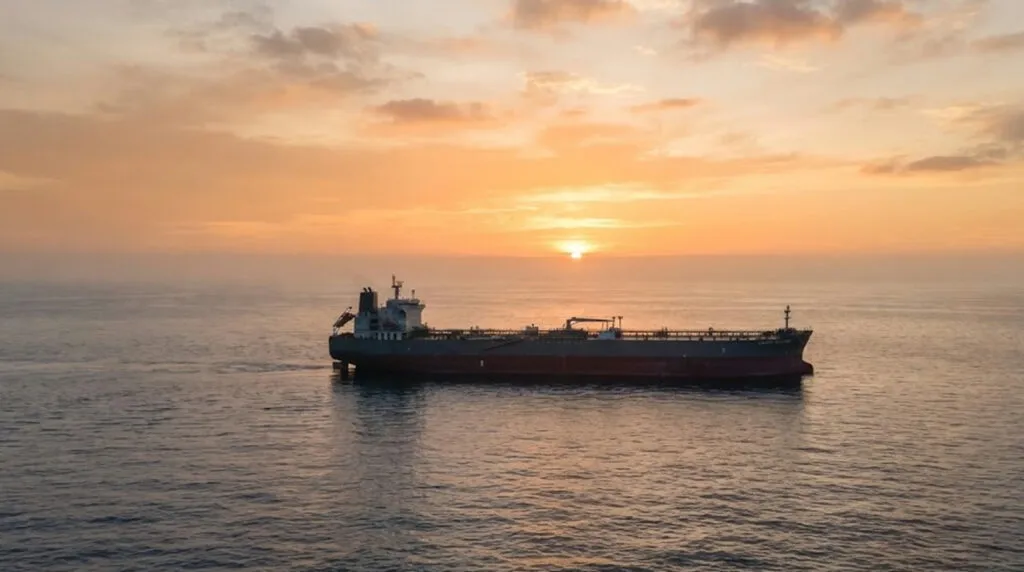
Trump hopes the war is ending and is preparing to gather the Gulf leaders. Oil prices have jumped, and the...

Ukraine says when, where and which unit did it. Russia's defence ministry has not a single sentence about the circumstances....
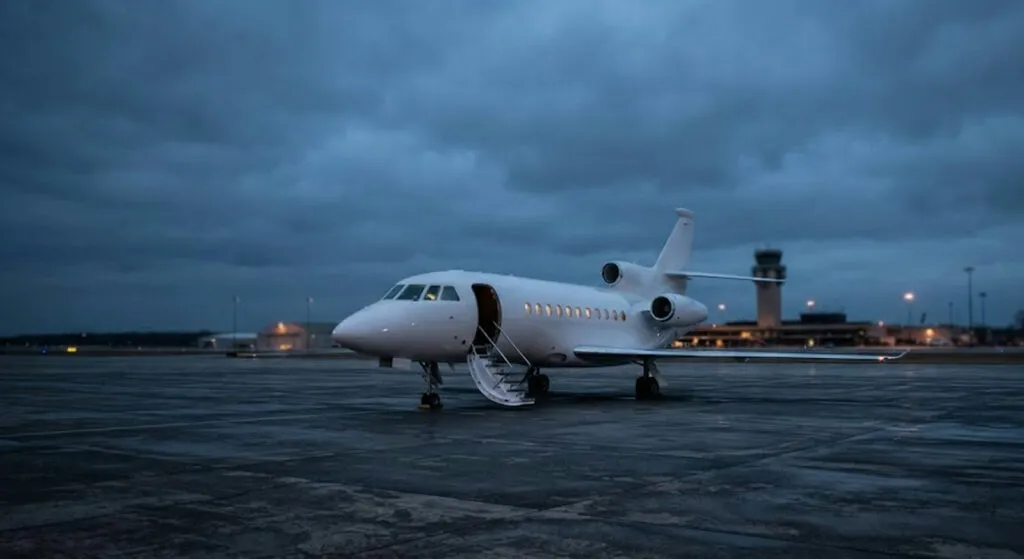
Norway's prime minister talks about a plane a drone "almost hit". Moldova, the only party holding the figures, reported that...
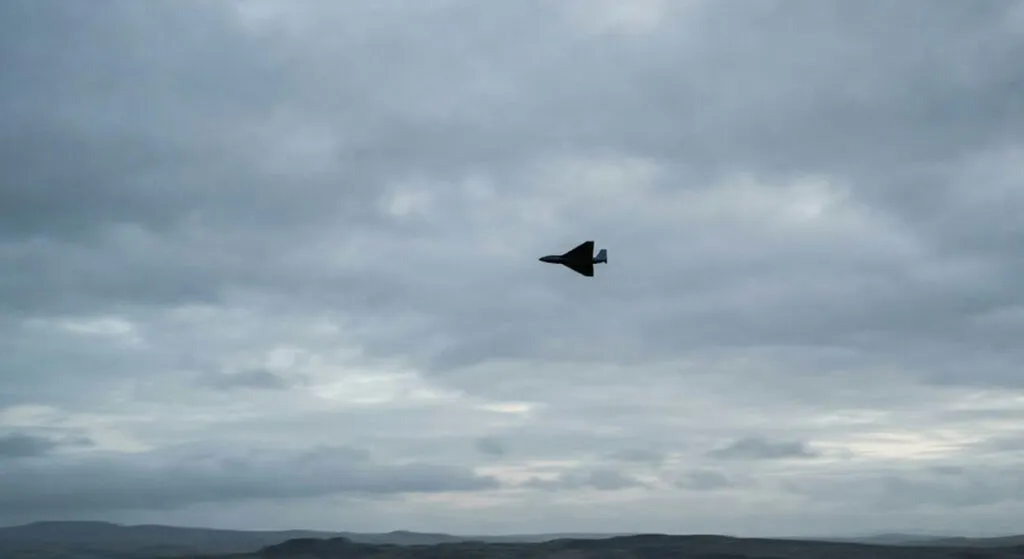
Ukraine was shooting down nine out of ten of the old drones. Then Russia changed the drone - and in...
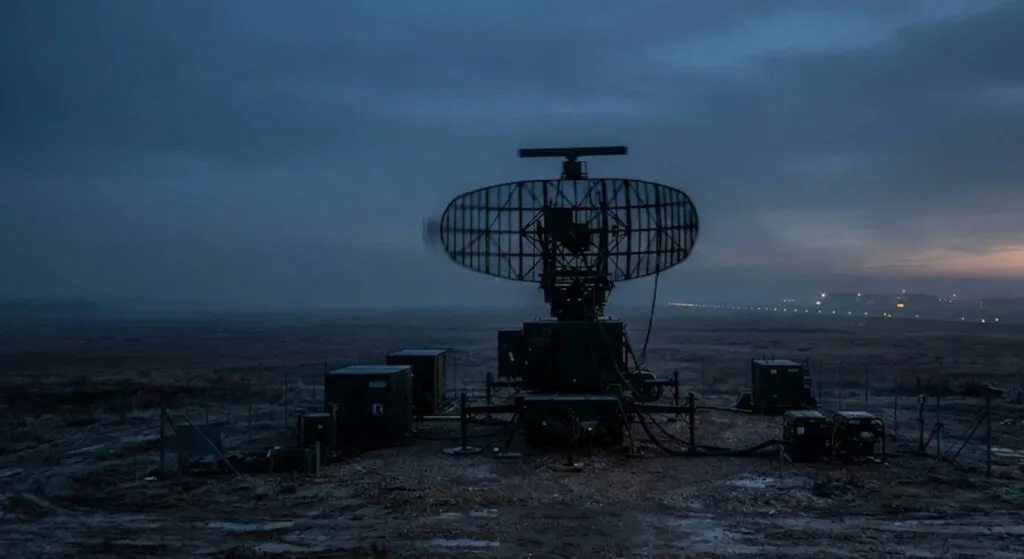
It was shot down a few minutes after midnight, and all of Vilnius got a warning on their phones. Two...
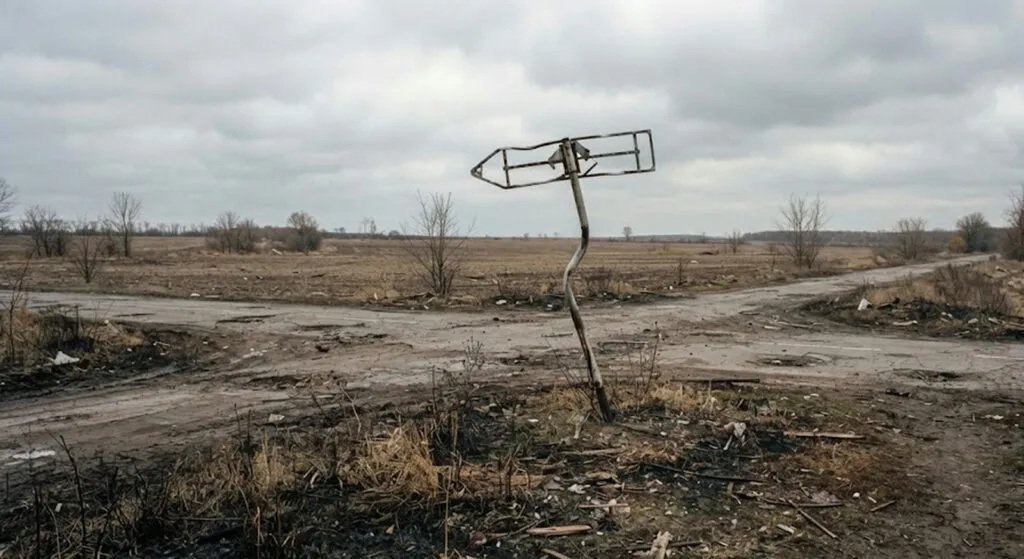
The entire story comes from one side, and the headlines turn it into a turning point. The difference between the...
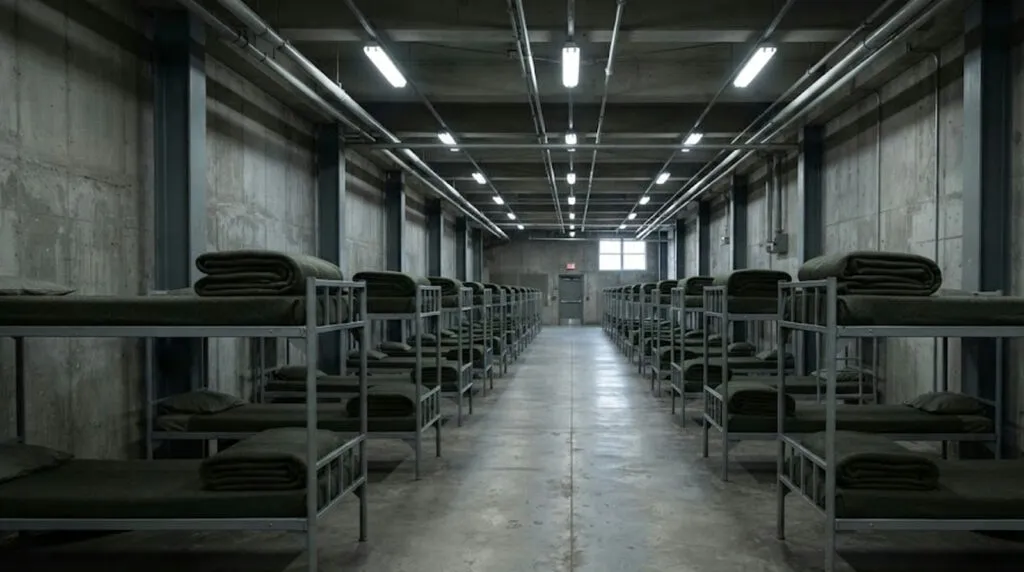
Between 2,300 and 3,000 North Korean soldiers have died in Kursk so far. Kim Jong Un has found an export...
This site uses cookies - is that okay? Learn more
Be the first to know when Metla launches something new
Leave your email and we will write when there is a new guide or something new on Metla.
